

YouTube will make it harder for new creators to qualify for advertising and YouTube Premium revenue sharing from February 1, 2027, after announcing a major overhaul of Partner Program entry thresholds. New applicants seeking the ad-revenue tier will need at least 1,000 subscribers plus either 8,000 qualified public watch hours in the previous 365 days or 20 million qualified Shorts views in 90 days. YouTube confirmed the change on August 10. Existing partners will not lose access simply because they fall below the new entry bar. Monetisation thresholds double for new creators The current requirement is 1,000 subscribers and either 4,000 qualified watch hours in 12 months or 10 million qualified Shorts views in 90 days. The February change doubles both audience thresholds while leaving the subscriber requirement unchanged. “This update won’t impact creators already in YPP,” YouTube said in its official announcement. Read More: Google Slashes YouTube Premium Price by 50% for Eligible Users YouTube defines qualified watch hours as viewing time from public long-form videos. Hours from private, unlisted or deleted videos do not count. Watch time generated by ad campaigns and Shorts also does not contribute toward the long-form threshold. Qualified Shorts views must come from public Shorts appearing in the Shorts Feed. YouTube says the platform now records more than 200 billion daily Shorts views. Users also watch over one billion hours of YouTube content on television screens each day. Shorts creators face separate revenue rule YouTube is also changing how Shorts revenue is distributed. From February 1, creators will need 10 million qualified Shorts views during the previous 90 days to receive ad and subscription revenue sharing from Shorts. Channels that drop below that level will remain inside YPP and can continue earning from eligible long-form content. Shorts revenue sharing will resume automatically if their 90-day total rises above 10 million again. Read More: End of Endless Scrolling? YouTube Adds Option to Remove Shorts YouTube plans additional incentives for creators below that threshold. The company cited potential bonuses linked to YouTube Shopping, brand deals and starting or growing trends, although it has not released full details. The lower entry thresholds for fan funding and selected Shopping features will remain unchanged. In eligible markets, creators can currently access that level with 500 subscribers, three public uploads in 90 days and either 3,000 watch hours or three million Shorts views. Premium Lite expansion adds another earning stream YouTube is also expanding Premium Lite to every country where YouTube Premium is offered. The company says creators will share revenue generated from those subscriptions based on member watch time and views. YouTube said the Premium Lite revenue pool will represent 60% of net subscription revenue, while the Premium pool will represent 30%. Creators receive a 55% revenue share for long-form videos and 45% for Shorts from the relevant distribution. The new YPP terms take effect on February 1, 2027. For aspiring creators, reaching advertising revenue eligibility will require far more viewing activity than under the current system.
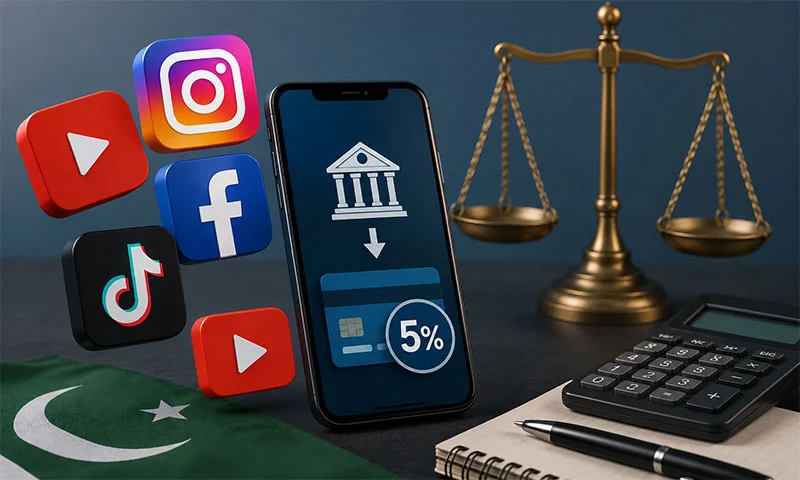
Pakistan Moves to Bring Online Earnings Into Formal Tax System
The federal government has proposed a 5 percent withholding tax on income earned by social media influencers, YouTubers, TikTok creators and other digital content producers under the Finance Bill 2026. The move aims to bring Pakistan’s fast-growing creator economy into the formal tax system. Officials also want to improve documentation of online earnings. Under the proposal, banks and financial institutions will deduct the tax when digital platforms transfer payments to creators’ accounts. The tax will cover earnings from YouTube, Facebook, Instagram, TikTok and other similar platforms. If parliament approves the proposal, creators will receive payments after banks deduct the tax. The government has included both resident and non-resident creators in the proposed framework. However, authorities may apply different rules based on a person’s tax status. Officials say the measure will help authorities document online earnings more effectively and improve compliance. Online Earnings Come Under Greater Scrutiny Pakistan’s creator economy has expanded rapidly in recent years. Thousands of people now earn money through advertising revenue, sponsorship deals, affiliate marketing and brand partnerships. YouTube remains one of the biggest sources of income for content creators. Meanwhile, TikTok, Instagram and Facebook continue expanding monetisation opportunities. The Federal Board of Revenue has increased its focus on digital transactions as more economic activity moves online. Officials believe the proposal will create a level playing field between digital creators and traditional businesses. They also argue that creators who generate significant income should contribute to the tax system like other professionals and companies. Many countries have introduced similar measures as governments seek to modernise tax systems and capture revenue from digital economies. Banks to Play Central Role The proposed framework places banks at the centre of the collection process. Instead of requiring separate deductions by digital platforms, banks will collect the tax when creators receive payments. Officials expect this approach to simplify compliance and improve transparency. The government also wants to track payments arriving from foreign platforms more effectively. Tax experts note that withholding taxes often function as advance tax payments. Depending on tax laws and filing status, taxpayers can adjust those payments against their final tax liability. The proposal marks one of Pakistan’s most significant efforts to regulate digital income. Officials believe the measure will strengthen revenue collection while creating a clearer regulatory framework for online creators. If lawmakers approve the proposal, Pakistan will formally integrate social media earnings into its mainstream taxation system and expand oversight of the country’s growing digital economy.
