

YouTube is rolling out a new feature that allows users to limit or effectively disable the Shorts feed, marking a shift in how the platform is addressing concerns around excessive scrolling and digital wellbeing. The update enables users to set a viewing limit for Shorts, including an option to reduce the time to zero minutes. Once the limit is reached, the Shorts feed disappears from the app, along with related recommendations, allowing users to focus on longer-form content. The feature is part of YouTube’s broader effort to give users more control over their viewing habits as short-form video continues to dominate online platforms. New controls target screen time habits The Shorts limit can be accessed through YouTube’s settings under time management tools. Users can select how long they want to spend watching short videos, and once that threshold is reached, the app stops showing Shorts content. The zero-minute option effectively removes Shorts entirely, a move that many users have been requesting as short-form content becomes increasingly addictive. The update builds on earlier features that allowed users to set daily time limits, which would pause Shorts viewing after a certain duration. YouTube has previously said such tools are designed to help users “be more deliberate about their viewing habits.” The company has also expanded parental controls, enabling guardians to restrict or block Shorts for younger users, reflecting growing concerns about the impact of endless scrolling on attention spans and mental health. Balancing growth with user wellbeing YouTube Shorts has become a central part of the platform’s strategy, competing directly with TikTok and Instagram Reels. The format has seen rapid growth, attracting billions of views and reshaping how content is consumed globally. However, the rise of short-form video has also raised concerns among users and experts about reduced attention spans and increased screen time. Studies suggest that short-form content encourages frequent engagement but can also lead to lower focus on longer, more informative content. The introduction of the new feature indicates a shift in approach, where platforms are increasingly expected to offer tools that allow users to manage their own usage rather than simply maximize engagement. While Shorts remains a key growth driver for YouTube, the ability to limit or disable the feed suggests the company is responding to user demand for more balanced digital experiences. As the feature rolls out globally, it is likely to influence how other platforms approach short-form content, particularly as regulators and users push for greater control over screen time and algorithm-driven engagement.
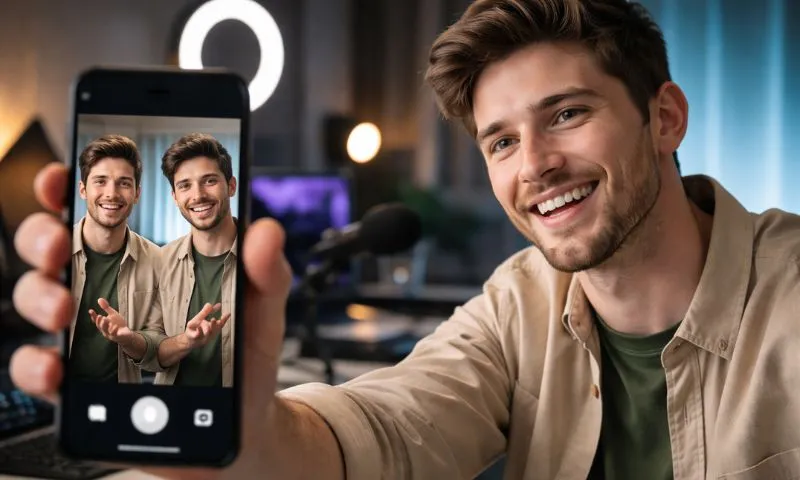
YouTube’s New AI Feature Lets You Clone Yourself in Videos
YouTube is rolling out a new artificial intelligence feature that allows creators to generate digital versions of themselves for use in short-form videos, marking a significant expansion of AI-driven content tools on the platform. The feature, announced as part of YouTube’s evolving Shorts ecosystem, enables users to create an AI avatar that closely resembles their appearance and voice. These avatars can then be used to generate or appear in videos without requiring the creator to be physically present. How the AI avatar works To create an avatar, users must record a short “live selfie” video along with voice samples, following specific prompts to capture facial expressions and speech patterns. The system then builds a digital version that can be inserted into videos or used to generate entirely new clips. The generated videos are currently limited in length, with AI-created clips lasting up to a few seconds, though multiple clips can be combined into longer content. YouTube said the avatars are designed to “look and sound like you,” offering creators a new way to produce content more efficiently while maintaining a personal touch. Read More: Two-Week Digital Detox Shows Major Brain and Mood Benefits Safeguards and restrictions The company has introduced several restrictions to prevent misuse of the technology. Avatars can only be used by the creator who generated them and cannot be freely shared or used by others. All videos created using AI avatars will be clearly labelled and watermarked to indicate synthetic content, using systems such as SynthID and C2PA. YouTube also allows users to delete their avatars at any time, and any avatar that remains unused for an extended period will be automatically removed. The feature is being rolled out gradually and will initially be available to users over the age of 18 with active YouTube channels. Read More: No More Hustle: The Rise of the Reset Weekend Explained Part of a broader AI push The launch reflects YouTube’s broader strategy to integrate artificial intelligence into content creation, particularly within Shorts, which has grown rapidly since its global rollout in 2021. Short-form videos now attract billions of daily views and are a central battleground in the competition with platforms such as TikTok and Instagram Reels. In recent months, YouTube has introduced a range of AI-powered tools, including video transformation features and generative editing capabilities, aimed at simplifying content production and boosting engagement. Company executives have emphasised that AI is intended to support creators rather than replace them, even as concerns grow over deepfakes, misinformation, and the rise of low-quality automated content. Opportunities and concerns While the new avatar feature could lower barriers to content creation and allow creators to scale production, it also raises questions about authenticity and trust in online media. Experts warn that as AI-generated content becomes more realistic, distinguishing between real and synthetic videos may become increasingly difficult, even with labelling mechanisms in place. At the same time, YouTube’s controlled rollout and built-in safeguards suggest an attempt to balance innovation with responsibility, particularly in an environment where generative AI tools are rapidly evolving. The feature is expected to expand in the coming months, potentially reshaping how creators produce and interact with audiences in the short-form video space.
