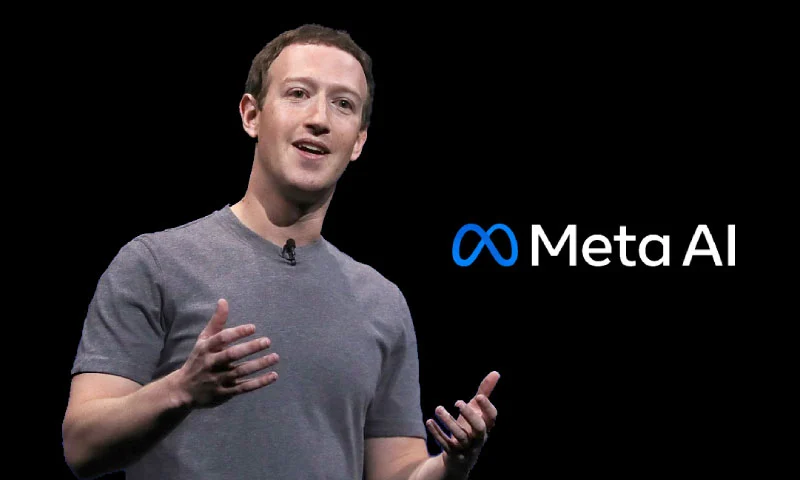
Chief executive Mark Zuckerberg has defended Meta’s aggressive investment in artificial intelligence after the company’s shares dropped more than 6 percent, even as it reported strong quarterly earnings. The social media giant raised its capital expenditure forecast to between 125 billion and 145 billion dollars for the year. The move unsettled investors who questioned how such spending would translate into future profits. Read More: Google Gemini Now Creates Word, Excel and LaTeX Files Instantly Meta posted a quarterly profit of 26.8 billion dollars on revenue of 56.3 billion dollars, beating market expectations. However, total expenses surged to 33.4 billion dollars as the company accelerated spending on AI infrastructure and talent. Betting big on AI future Zuckerberg told analysts the company is making long term bets on technology that could reshape digital interaction. “The way to think about the investment is that we’re making a bet on the individual things that people care about, and that people are going to be more important in the future,” he said during an earnings call. He highlighted the rise of “agentic” AI, where digital assistants can perform tasks independently on behalf of users. However, he acknowledged that quality remains a concern. “There are a lot of agents out there that people are building for different things, and there aren’t that many that I would want to give to my mother,” Zuckerberg said. “I think getting to that quality bar is something that I care about more than hitting a specific week for launching a new product.” Meta is developing new models through its Superintelligence Lab, including the Muse Spark system. The company plans to integrate this technology into products such as smart glasses and its advertising platform. Unlike rivals such as Amazon, Microsoft and Google, Meta does not yet generate direct revenue from AI through cloud services. This gap has added to investor concerns. Rising costs and regulatory pressure Meta’s heavy spending includes building data centres and hiring top AI researchers. The company aims to develop what it calls “superintelligence,” a concept that envisions AI systems surpassing human level reasoning in many tasks. Read More: US Youth Turn to Digital Detox to Improve Sleep and Reduce Anxiety Chief financial officer Susan Li warned that regulatory challenges could further impact financial performance. “We continue to see scrutiny on youth related issues and have additional trials scheduled for this year in the US, which may ultimately result in a material loss,” she said. Legal pressure has intensified after a Los Angeles jury found Meta and YouTube liable for harming a young woman through addictive platform design. The ruling ordered the companies to pay millions in damages. The verdict could influence more than a thousand similar cases, raising the stakes for social media companies facing scrutiny over mental health impacts. Market reaction and outlook Investors reacted cautiously to Meta’s strategy. The share price decline reflected uncertainty about returns on its AI investments. Read More: This New WhatsApp AI Feature Could Save You Hours Every Week Still, analysts note that Meta’s strong core business continues to generate significant revenue, largely driven by advertising on platforms such as Facebook and Instagram. Zuckerberg signalled that innovation will remain a priority. “We are trying novel things,” he said, emphasising the company’s focus on long term transformation rather than short term gains. The coming months will test whether Meta can balance rapid innovation with investor expectations, as it races to compete in the global AI arms race.


