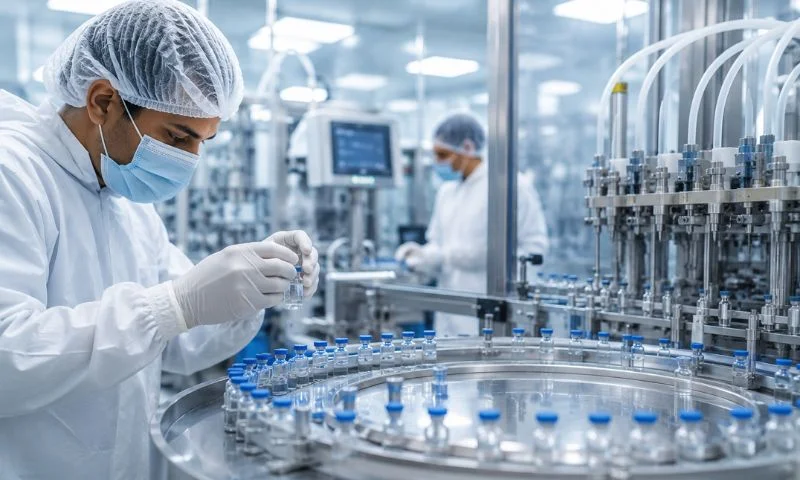
A Russian pharmaceutical company plans to invest nearly $80 million in Pakistan to establish local insulin production facilities, marking a major development for the country’s healthcare and pharmaceutical sectors. Zavod Medsintez and its Pakistani partner Genetics Pharmaceuticals Private Limited intend to launch the project in two phases, according to officials familiar with the plan. The initiative comes as Pakistan continues facing rising diabetes cases and growing dependence on imported insulin products. Pakistan ranks among the countries with the highest diabetes burden globally. The International Diabetes Federation estimates millions of Pakistanis live with diabetes, increasing pressure on healthcare systems and medicine imports. Officials say the investment could help reduce import dependence while improving access to insulin and biotechnological medicines. The development also reflects expanding economic and industrial cooperation between Pakistan and Russia. Two-Phase Project Planned Until 2031 The first phase of the project involves establishing an aseptic filling plant with an estimated investment of around $20 million. The facility will handle bulk insulin imports along with aseptic filling and packaging operations. Officials expect the first phase to conclude by December 31, 2028. The second phase includes construction of a full active pharmaceutical ingredient production facility with an estimated investment of approximately $60 million. Read More: Islamabad to Host First-Ever EU-Pakistan Business Forum in Major Investment Push That stage will focus on insulin manufacturing from API purification to final packaging through biotechnology processes. The companies expect the second phase to finish by December 31, 2031. Pakistan’s Drug Regulatory Authority of Pakistan has already allowed the Russian company and its local partner to market Rosinsulin R, Rosinsulin C and Rosinsulin M 30/70 insulin products in Pakistan. Officials said the project would also involve technology transfer and development of biotechnology expertise inside Pakistan. DRAP stated that authorities would closely monitor the investment process and require detailed stage-wise implementation timelines from both companies. Pakistan Expands Economic Cooperation With Russia The insulin project arrives amid broader efforts by Pakistan and Russia to strengthen trade and industrial cooperation. Earlier this year, Russia approved imports of Pakistani fish and seafood products. Muhammad Junaid Anwar Chaudhry described the development as a “historic achievement”. He said 16 Pakistani companies had received approval to export seafood to Russia. Officials believe access to the Russian market could also create opportunities across countries linked to the Eurasian Economic Union. Pakistan currently exports more than $500 million worth of seafood annually. Authorities hope the figure could rise to $800 million following expanded market access in Russia. Analysts say the insulin investment signals growing Russian interest in Pakistan’s pharmaceutical and healthcare industries at a time when Islamabad seeks more foreign investment in manufacturing and biotechnology. Healthcare experts also view local insulin production as potentially significant for affordability, supply stability and long-term pharmaceutical self-sufficiency.