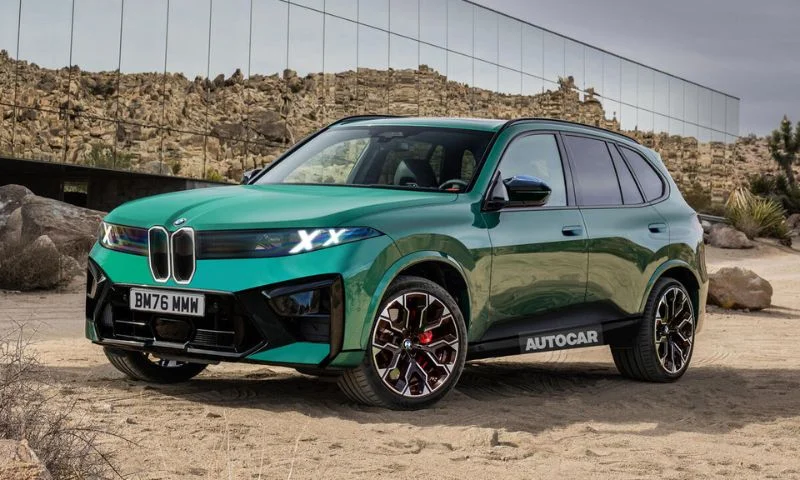
BMW is pushing forward with hydrogen-powered mobility as it prepares its iX5 Hydrogen SUV, a model expected to deliver one of the longest driving ranges on a single tank while maintaining ultra-fast refuelling times. The development highlights the German automaker’s broader strategy to position hydrogen as a complementary solution to battery electric vehicles in the transition to zero-emission transport. According to details shared about the model, the BMW iX5 Hydrogen is capable of travelling over 500 kilometres on a single tank, placing it among the longest-range hydrogen-powered passenger vehicles currently under development. Performance and fuel system details The SUV is powered by a hydrogen fuel cell system combined with BMW’s fifth-generation electric drive technology, delivering 295 kW or around 401 horsepower. Hydrogen is stored in two high-pressure tanks with a combined capacity of approximately 6 kilograms, allowing the vehicle to maintain consistent range even in varying weather conditions. One of the key advantages highlighted by BMW is the refuelling time. Unlike battery electric vehicles that may require extended charging, the iX5 Hydrogen can be refilled in just three to four minutes, offering a refuelling experience similar to conventional petrol vehicles. The vehicle can accelerate from 0 to 100 km/h in under six seconds, with a top speed exceeding 180 km/h, aligning its performance with traditional premium SUVs. Why hydrogen matters in BMW’s strategy BMW executives have emphasised that hydrogen is not meant to replace battery electric vehicles but to complement them. “Hydrogen is the missing piece in the jigsaw when it comes to emission-free mobility,” BMW Group Chairman Oliver Zipse said, underlining the company’s multi-technology approach to decarbonisation. The company argues that hydrogen offers advantages in long-distance travel, heavy vehicles and markets where charging infrastructure remains limited. Unlike battery EVs, hydrogen vehicles generate electricity onboard through a fuel cell, emitting only water vapour as a by-product. Global rollout and future production The iX5 Hydrogen is currently part of a limited pilot fleet being tested in multiple markets worldwide, with fewer than 100 units produced for evaluation purposes. BMW has indicated that it is preparing for series production of hydrogen vehicles around 2028, depending on market readiness and infrastructure development. The fuel cell technology used in the vehicle has been developed in collaboration with Toyota, reflecting growing industry partnerships in hydrogen mobility. Challenges and outlook Despite its advantages, hydrogen technology faces significant hurdles, particularly the lack of refuelling infrastructure and high production costs. Experts note that while hydrogen vehicles can match or exceed the range of battery EVs, their widespread adoption will depend on investment in refuelling networks and cost reductions in fuel cell systems. Still, BMW’s continued investment signals confidence in hydrogen as a long-term solution, especially for segments where battery technology may fall short. Conclusion The BMW iX5 Hydrogen represents a key step in the evolution of zero-emission vehicles, combining long range, fast refuelling and strong performance. As the global auto industry explores multiple pathways to decarbonisation, hydrogen-powered vehicles like the iX5 could play a critical role in shaping the future of mobility.


