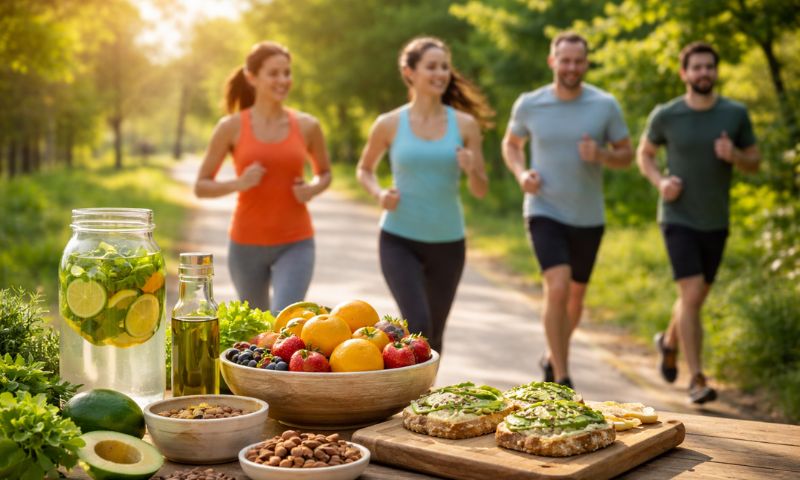
A few years ago, “natural health” sounded like a trend. Today, it looks more like a long game. People are not only buying healthier products. They are changing routines – sleep, food, movement, stress, and even the air they breathe.
One reason is simple: chronic illness is everywhere. The World Health Organization says noncommunicable diseases (such as heart disease, stroke, cancer, diabetes, and chronic lung disease) account for 74% of all deaths worldwide.
When the biggest health risks build slowly, “quick fixes” feel less convincing.
It’s also an economy now, not just a mindset
The wellness industry has become massive, which both reflects and fuels behavior change. The Global Wellness Institute (GWI) estimates the global wellness economy reached $6.3 trillion in 2023, about 6% of global GDP.
In other words, millions of people are spending on healthier eating, fitness, sleep tools, mental wellness, and prevention—often as a response to stress, burnout, and rising healthcare costs.
GWI defines wellness as “the active pursuit of activities, choices and lifestyles that lead to a state of holistic health.”
That framing matters because it turns health into daily decisions, not a once-a-year checkup.
Pakistan’s reality makes “natural” feel practical
In Pakistan, “natural health” is often less about luxury and more about survival habits. Diabetes is a major driver: IDF estimates 34.5 million adults (20–79) in Pakistan had diabetes in 2024, and calls Pakistan the highest-prevalence country in that age group.
That scale pushes families toward prevention – walking more, cutting sugar, and building food routines that can last.
Air quality also shapes choices. IQAir has reported Pakistan’s 2024 average PM2.5 at 73.7 µg/m³, nearly 15 times the WHO annual guideline. When smog seasons hit, people rethink outdoor timing, masks, and indoor habits.
The “natural health” shift is really a prevention shift
Public health messaging increasingly supports small, repeatable steps. As WHO’s Ruediger Krech said: “Increasing physical activity not only helps prevent and manage heart disease, type-2 diabetes and cancer.”
And the American Heart Association puts it bluntly: “Healthy habits are the best defense against heart disease.”
The long-term appeal of “natural health” is that it fits real life. It is cheaper than crisis care. It is easier than perfection. And it works best when it becomes routine.