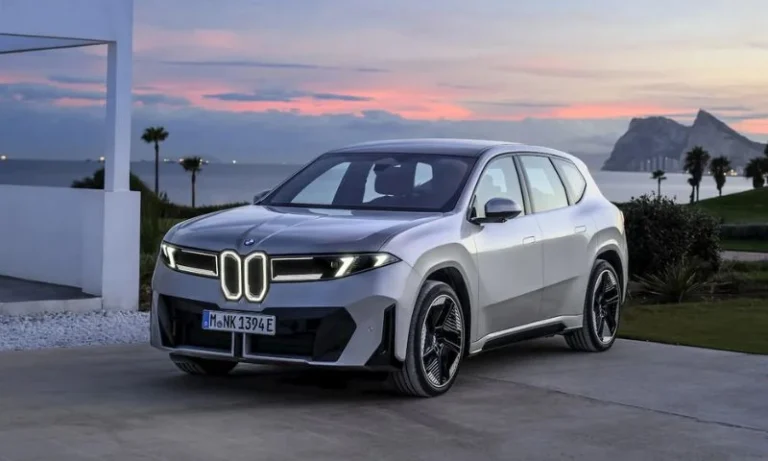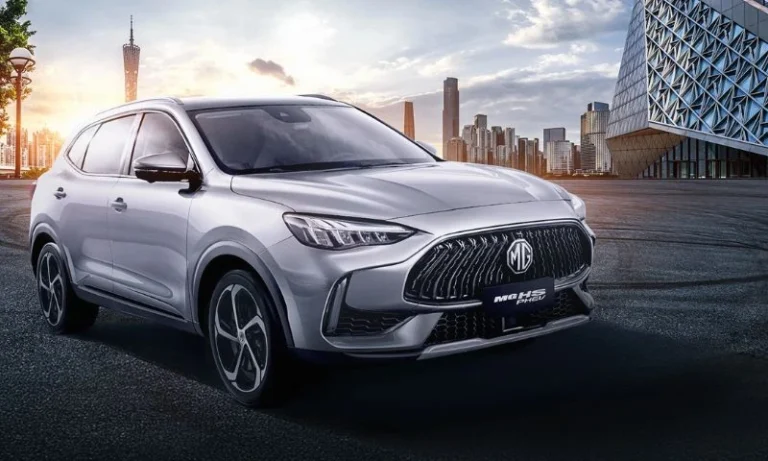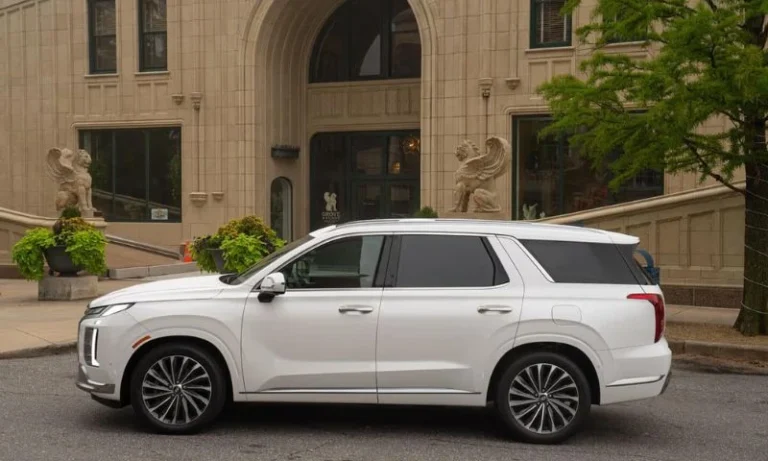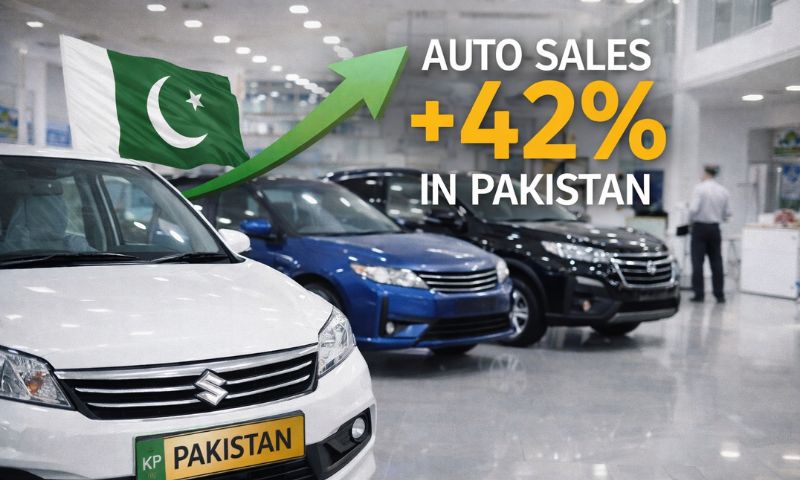
Pakistan’s automobile market surged again as vehicle sales jumped sharply during the first half of the current fiscal year 2025-26, signaling a strong rebound in the nation’s auto sector. According to data released by the Pakistan Automotive Manufacturers Association (PAMA), total car sales climbed 42% to 65,910 units between July and December 2025 compared with the same period last year. Jeep and pickup sales rose 58% to 22,412 units, while truck and bus sales surged 106% and 52%, respectively. Two- and three-wheeler sales also increased 32% to 921,566 units during this time. Tractor sales, however, dropped 26% to 12,929 units as agricultural demand softened.
Industry experts say this growth reflects renewed confidence in Pakistan’s auto sector, which is rebounding after years of slowdown. Analyst Shafiq Ahmed Shaikh described the results as a sign of “major recovery” for the industry. He pointed to factors such as falling interest rates, the removal of import restrictions, attractive discounts from manufacturers, and a wider selection of vehicles available locally.
Lower interest rates have played a key role. The State Bank of Pakistan (SBP) cut its policy rate from around 22% in 2024 to about 10.5% by December 2025, making auto loans more affordable and boosting purchases. Observers say this has encouraged buyers who delayed purchases during tight credit conditions earlier in the year.
The trend is not limited to the latest six months. PAMA data showed steady growth across the fiscal year, with car sales up 43% through five months of FY2025-26, and earlier quarters also reporting strong year-on-year increases. This continuous rise underscores the auto sector’s resilience as macroeconomic conditions gradually improve and consumer sentiment strengthens.
Part of the broader industry recovery has come from new entrants and expanded offerings in the market. Besides established brands like Pak Suzuki Motors, Atlas Honda, and Sazgar, electric vehicle assembler Mega Motor Company has begun delivering EV models locally, pointing to a diversifying automobile landscape in Pakistan.
Still, some challenges remain. Tractor sales have lagged due to falling agricultural demand, rising input costs, and a subsidy structure that experts call “misguided”, according to Shaikh. Truck and bus surge data suggests commercial transport demand is returning, but long-term sustainability will depend on continued economic stability and supportive policies.
Overall, the latest numbers show Pakistan’s auto sector is regaining steam after a difficult period, boosted by policy support, lower financing costs, and improving consumer confidence. If these trends persist, analysts believe the industry can sustain growth and contribute more significantly to industrial output in the months ahead.