

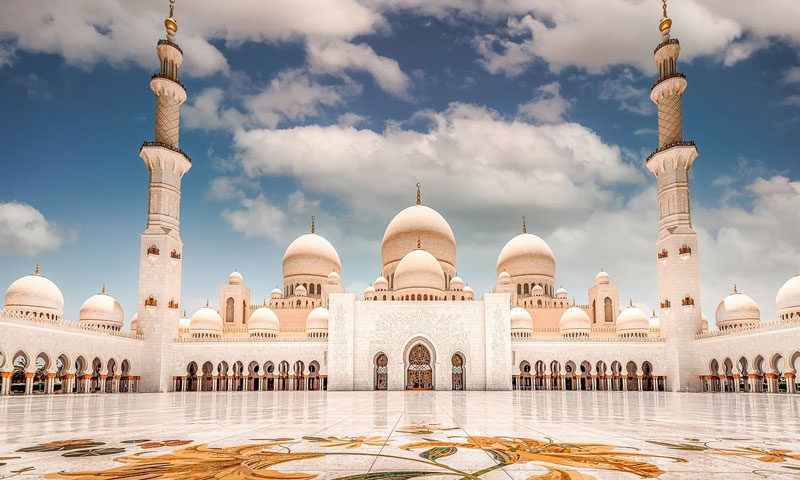
Friday sermons and congregational prayers across the United Arab Emirates will now begin at 12:45pm, starting tomorrow, following the implementation of a nationwide prayer timetable announced by religious authorities last month. The General Authority of Islamic Affairs, Endowments and Zakat confirmed that the revised timing will take effect from the first Friday of the new year, introducing a single, unified schedule for all mosques across the country. Worshippers have been advised to arrive ahead of time to avoid missing the sermon. According to officials, the decision is aimed at standardising Friday worship throughout the UAE, ensuring that congregations attend the full khutbah and receive consistent religious guidance regardless of location. The authority said a fixed national sermon time helps promote discipline during prayers and enables the coordinated delivery of key religious messages. Beyond religious objectives, the move is also expected to bring practical benefits for daily life. With thousands of mosques spread across multiple emirates, a single Friday prayer schedule is likely to make planning easier for families, employees and students, reducing confusion and improving coordination nationwide. Authorities noted that the adjustment supports broader government efforts to streamline routines through unified national policies, helping residents better organise their Fridays around worship, work and family commitments. The timing change also aligns with the UAE’s designation of 2026 as the “Year of the Family.” Officials said the revised prayer schedule is intended to encourage shared family time, balanced lifestyles and greater flexibility at the end of the working week, reinforcing the country’s focus on social cohesion and well-being.
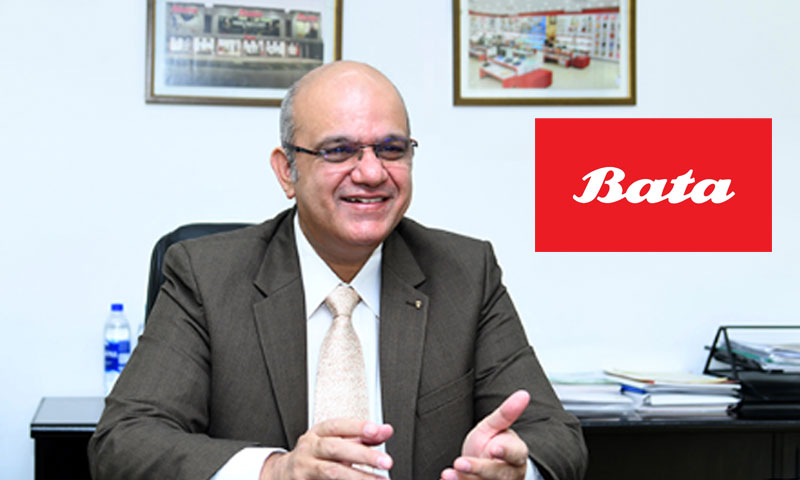
Bata Pakistan CEO Muhammad Imran Malik Resigns, Board Vacancy to Be Filled Soon
Bata Pakistan Limited has announced a leadership change, confirming that Muhammad Imran Malik has stepped down as Chief Executive Officer and resigned from the company’s Board of Directors, effective December 31, 2025. The development was disclosed through a formal notice submitted to the Pakistan Stock Exchange on Thursday. In its filing, the company stated that the vacancy created by Malik’s resignation will be addressed by the Board of Directors at an appropriate time. Bata Pakistan has a long-standing presence in the country’s consumer and manufacturing landscape. The company was incorporated in 1951 and transitioned into a publicly listed entity in 1979. Over the decades, it has built a strong footprint in Pakistan’s footwear market. The company’s core business includes the manufacturing, distribution, and retail sale of footwear, as well as related accessories and hosiery products. Bata Pakistan operates as part of a global corporate structure, with Bafin B.V. of the Netherlands as its parent company, while the ultimate holding entity is Compass Limited. As of December 31, 2023, Bata Pakistan managed a nationwide retail network of 444 outlets. Its production facilities have a combined annual capacity of approximately 18.4 million pairs of footwear, supporting both domestic demand and the company’s extensive retail operations. The company has not yet announced a successor or provided details on interim management arrangements.
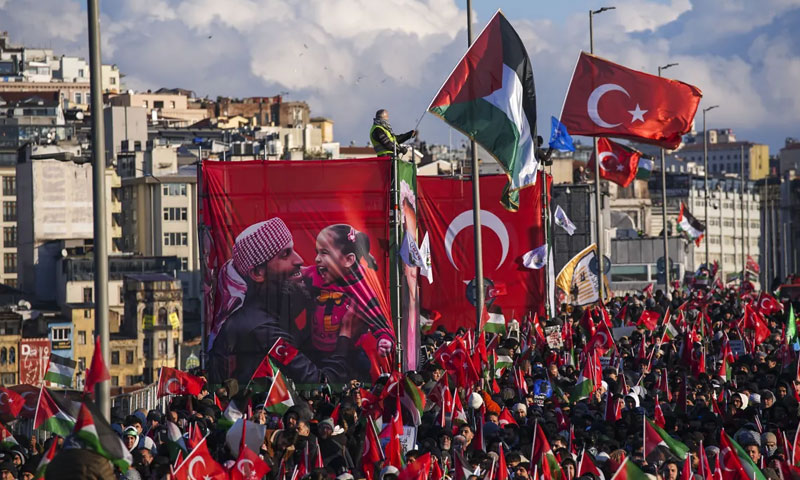
“We Will Not Stay Silent”: Massive Gaza Solidarity March Sweeps Istanbul
Tens of thousands of people filled the streets of Istanbul on New Year’s Day to voice solidarity with Gaza, transforming the city center into a sea of Palestinian and Turkish flags as calls grew for an end to the ongoing bloodshed. Despite freezing winter temperatures, demonstrators marched under clear skies toward the historic Galata Bridge, where the rally culminated with speeches, prayers, and performances. The gathering was held under the banner, “We will not stay silent, we will not forget Palestine,” reflecting the central message echoed throughout the march. Organizers said more than 400 civil society groups took part in the event, highlighting the scale of public engagement. Among the prominent figures involved was Bilal Erdogan, son of Turkish President Recep Tayyip Erdogan, who helped coordinate the rally through the Ilim Yayma Foundation. According to police sources and state-run Anadolu Agency, the crowd swelled to an estimated 500,000 participants. The rally also featured a performance by Lebanese-born singer Maher Zain, who led the crowd in his widely known anthem “Free Palestine,” drawing emotional responses from attendees. Addressing the gathering, Bilal Erdogan said the new year carried hopes not only for Turkey but also for Palestinians living under siege. He stressed that public conscience could not remain indifferent to suffering and injustice. Turkey has remained one of the most outspoken critics of Israel’s military campaign in Gaza and played a diplomatic role in brokering a recent ceasefire following the October 7, 2023 Hamas attack on Israel. However, that truce has proven fragile, with reports indicating continued violence and hundreds of Palestinian deaths since it came into effect. The Istanbul rally underscored how strongly the Gaza conflict continues to resonate within Turkish society, even as the world ushered in a new year.

New Year, New Prices: Honda Reveals Civic Facelift 2026 Rates for Pakistan
As the New Year begins, Honda Atlas has officially announced introductory retail prices for the newly refreshed Honda Civic 2026 in Pakistan. The pricing announcement follows last week’s reveal of the Civic facelift, which introduced several notable upgrades across the lineup. Most importantly, Honda Sensing safety technology is now standard on all variants, alongside a revised front grille design and subtle exterior and interior enhancements aimed at keeping the sedan competitive in its segment. While booking prices were shared earlier, today’s announcement confirms what buyers will actually pay at the showroom—at least for now. Under the newly announced pricing, the Honda Civic Standard has been priced at Rs8.499 million, while the Civic Oriel carries an introductory price of Rs8.834 million. The range-topping Honda Civic RS, which offers sportier styling and additional premium features, has been launched at Rs10.1 million. Honda has clarified that these rates are introductory prices and will remain valid for a limited time only, after which revisions may be introduced. With enhanced safety technology now standard and prices announced without a dramatic jump, the facelifted Civic aims to maintain its strong appeal in Pakistan’s competitive sedan segment.
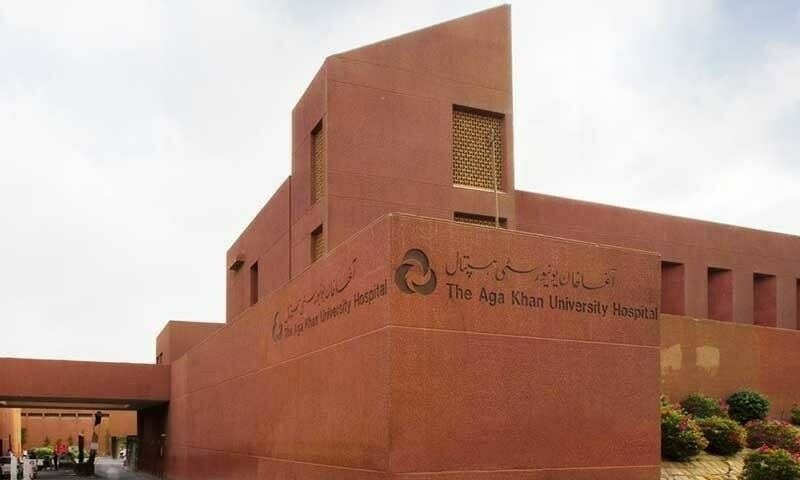
Wrong Lab Report Costs Patient Peace of Mind, Court Fines Aga Khan Hospital
A consumer court in Karachi has directed Aga Khan University Hospital to pay Rs1.68 million in compensation to a patient after ruling that the hospital issued an incorrect laboratory test report, causing severe mental distress and reputational harm. The verdict was delivered by the Consumer Protection Court Karachi South, which held the hospital responsible for medical negligence and deficient service. The court observed that the erroneous report had serious consequences for the complainant’s personal and social life. According to the judgment, the patient was incorrectly declared hepatitis C reactive in a laboratory test conducted at the hospital. The diagnosis triggered intense psychological stress, fear, and social stigma, prompting the patient to seek further medical verification. Subsequently, the complainant had the same test conducted at Dow Lab, where the hepatitis C result was confirmed as non-reactive, directly contradicting the earlier report. During court proceedings, the hospital admitted that a mix-up had occurred in handling laboratory samples and acknowledged that the complainant was mistakenly issued another patient’s test report. The court noted that such an error reflected serious lapses in laboratory protocols. Barrister Arsalan Raja, counsel for the complainant, argued that the incorrect and alarming diagnosis had deeply affected his client’s mental well-being and disrupted his daily life, adding that such negligence was unacceptable from a reputed medical institution. The court also relied on findings from the Sindh Healthcare Commission, which confirmed violations of standard laboratory procedures by the hospital. It further noted that the hospital failed to present any qualified laboratory staff as witnesses to defend its position. In its ruling, the court declared that issuing a false and frightening medical report constituted gross negligence. It emphasized that the decision would serve as a precedent to reinforce consumer rights and compel healthcare institutions to strictly adhere to professional standards and due care.

Pakistan Cement Industry Growth: DGKC’s 11,000 TPD Clinker Line Signals Big Gains Ahead
Pakistan’s cement industry is gearing up for a major transformation as D.G. Khan Cement Company (DGKC) announced plans to build the largest single clinker production line in the country. The ground-breaking initiative will significantly boost the company’s production capacity and modernise its manufacturing footprint, reinforcing Pakistan’s position as a regional leader in cement manufacturing. The key ingredient in cement, clinker is essential for meeting rising demand across residential and infrastructure projects nationwide. DGKC’s new clinker line will have a capacity of 11,000 tonnes per day (TPD), a remarkable scale compared with existing facilities. Once fully operational, the plant will contribute to increased domestic output, helping stabilise prices and reduce reliance on imports of clinker and other raw materials. The company has already issued a letter of credit (LC) for critical machinery and equipment, signalling that procurement and project mobilisation are underway. Executives at DGKC say the investment reflects confidence in Pakistan’s construction sector and long-term economic prospects. Cement demand remains robust due to ongoing public works, housing projects and the China-Pakistan Economic Corridor (CPEC) initiatives. A higher clinker production rate helps the company achieve economies of scale, lower per-unit costs, and improve competitiveness both locally and internationally. The announcement also underscores a broader trend in Pakistan’s industrial sectors toward capacity expansion and technology upgrades. Local manufacturers increasingly invest in state-of-the-art plants to enhance productivity and align with global best practices. In DGKC’s case, integrating modern automation and energy-efficient systems into the new line will likely reduce carbon intensity and promote more sustainable production which is a growing priority for industrial players worldwide. Industry analysts believe that expanding clinker production can relieve capacity bottlenecks that occasionally drive price volatility. Pakistan’s cement sector has experienced steady growth in recent years, with production and dispatch figures rising due to rapid urbanisation and infrastructure spending. However, domestic clinker shortages have at times forced companies to import raw materials or operate less efficient lines, adding to costs. Enhancing local capacity could ease these pressures. DGKC’s project may also attract ancillary economic benefits. Increased production requires specialised logistics, skilled workers, and support services, potentially creating jobs and stimulating activity in related sectors. Moreover, as the company enhances its export potential, it could contribute to improving Pakistan’s trade balance in building materials. For customers and stakeholders, the message is clear: DGKC is placing strategic bets on capacity expansion and resilience. The new clinker line is not just an industrial upgrade. It’s a stride toward meeting Pakistan’s evolving construction needs and supporting long-term infrastructure growth.
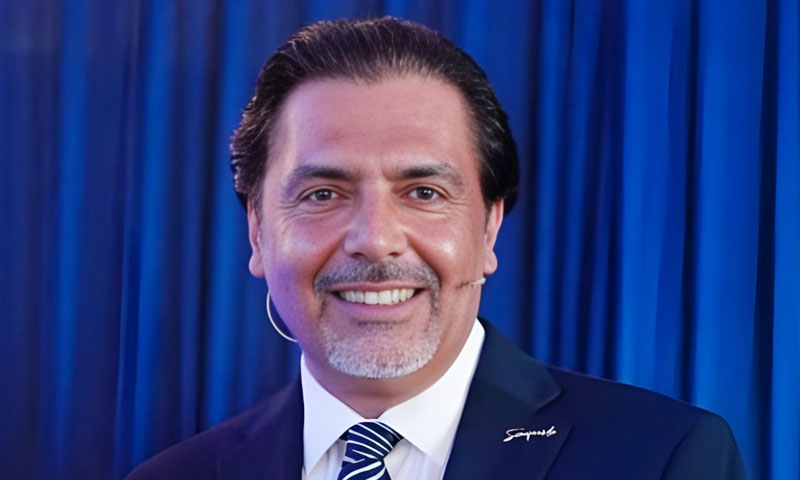
Saquib Ahmad Appointed Global Chief Growth Officer at Systems Limited
Saquib Ahmad has been appointed Global Chief Growth Officer at Systems Limited, marking a strategic move as the technology and business process outsourcing firm sharpens its focus on global expansion. In his new role, Saquib will lead the company’s international growth agenda, with responsibility for scaling operations across key global markets, deepening client relationships, and driving strategic market entry initiatives in both mature and emerging regions. Bringing more than 27 years of senior leadership experience in the telecom and information technology sectors, Saquib is widely recognized for building high-impact sales organizations, spearheading enterprise growth strategies, and delivering consistent, large-scale revenue expansion across diverse geographies. Before joining Systems Limited, he served as Country Managing Director for SAP, overseeing operations across Pakistan, Afghanistan, Iraq, and Bahrain. Over the course of his career, he has held senior leadership roles at global technology firms including Oracle, Comptel, Nokia Siemens Networks, and Siemens, with professional stints spanning the UAE, Germany, Spain, and other international markets. Saquib’s professional achievements are complemented by his academic distinction as a recipient of the Presidential Award Aizaz-e-Sabqat for excellence. He has also remained actively engaged with Pakistan’s business and innovation ecosystem through contributions to organizations such as The Indus Entrepreneurs (TIE) Islamabad, the Overseas Investors Chamber of Commerce and Industry (OICCI), and the Pakistan Business Council. His appointment comes as Systems Limited continues to strengthen its position as a global technology partner, leveraging leadership depth to accelerate sustainable growth beyond its traditional markets.
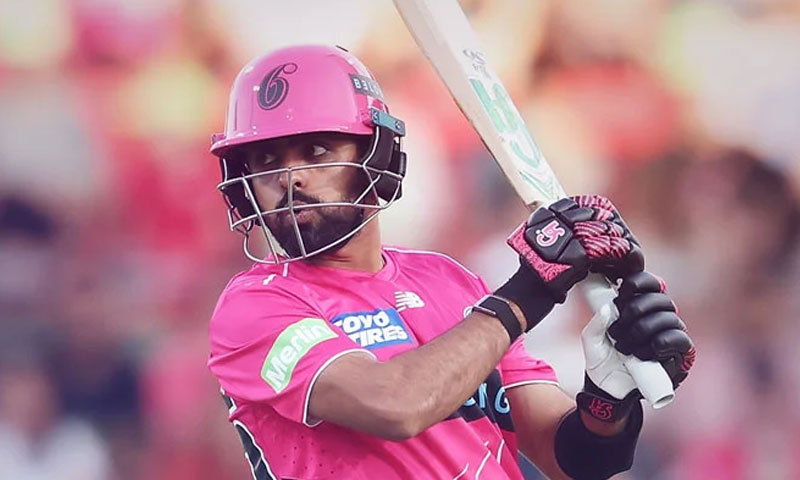
Babar Azam Outshines Rizwan as Sydney Sixers Down Melbourne Renegades
Pakistan’s premier batter Babar Azam delivered a calm and commanding performance to steer Sydney Sixers to a six-wicket victory over Melbourne Renegades in their Big Bash League Season 15 clash at Docklands Stadium on Thursday. The highly anticipated contest, which also featured Pakistan wicketkeeper-batter Mohammad Rizwan, began with the Sixers winning the toss and opting to bowl first — a decision that paid early dividends. Melbourne’s innings stumbled almost immediately as Tim Seifert was dismissed for eight within the opening two overs, leaving the hosts struggling at 10 for 1. Rizwan then attempted to rebuild alongside Josh Brown, but the partnership leaned heavily on Brown’s aggressive stroke play. Brown counter-attacked in style, smashing 43 from just 19 deliveries, including three boundaries and four towering sixes. However, his dismissal by Hayden Kerr ended the brief resurgence. Rizwan failed to find momentum and departed shortly after, managing only six runs off ten balls. Jake Fraser-McGurk provided some stability through the middle overs, compiling 38 from 29 balls with four fours before being removed by Sean Abbott after pushing the total past 100. Hassan Khan injected late energy with a rapid 39, featuring three sixes and a four, but his dismissal in the final over halted the Renegades’ finishing push. Melbourne eventually closed on 164 for 9. Abbott led the Sixers’ bowling attack with three wickets, while Jack Edwards, Ben Dwarshuis and Hayden Kerr chipped in with two each. Chasing 165, the Sixers got off to a steady start as Babar and Daniel Hughes added 46 for the opening stand. Hughes fell for 30 off 23 balls, but Babar remained unruffled at the crease. Josh Philippe and skipper Moises Henriques played useful supporting roles, contributing 16 and a quick 23 respectively, to keep the chase on course. After the fourth wicket fell, Babar found the ideal partner in Joel Davies. The pair stitched together an unbeaten 51-run partnership, guiding the Sixers home with five balls to spare. Babar finished on a composed 58 not out from 46 deliveries, striking four fours and a six, while Davies sealed the win with an explosive 34* off just 15 balls. For the Renegades, Gurinder Sandhu claimed two wickets, with Will Sutherland and Matthew Spoors picking up one each. The victory marked Sydney Sixers’ second win of the season, lifting them to fifth place on the points table. Melbourne Renegades remain seventh, with just one win to their name, ahead of only Sydney Thunder.

Digital Channels Now Handle 90% of Retail Payments, SBP Reveals
The State Bank of Pakistan has reported a strong surge in digital payments, underscoring rapid progress in the country’s payment infrastructure during the first quarter of fiscal year 2025–26. In its latest Quarterly Report on Payment Systems, the central bank said overall payment activity reached 2.8 billion transactions in the quarter, up 10% from the previous three months. The total value of retail payments climbed to Rs166 trillion, reflecting a 6% quarter-on-quarter increase, largely fuelled by the growing popularity of mobile app–based banking. Digital channels continued to dominate Pakistan’s payments landscape. Transactions conducted through digital platforms rose to 2.5 billion, accounting for 90% of all retail payments, compared with 87% in the same period last year. The value of these digital transactions stood at Rs55 trillion, highlighting wider acceptance of cashless payments across the economy. Mobile applications remained the backbone of digital payments. Banks, branchless banking operators and electronic money institutions collectively processed 2.0 billion transactions through mobile apps during the quarter. These made up 81% of all digital transactions and were valued at Rs33.7 trillion. According to the SBP, consumers increasingly rely on mobile apps for person-to-person transfers, utility bill payments, and both account- and wallet-based merchant payments across e-commerce platforms and physical retail stores. Internet banking usage also continued its upward trend, supported by a steady rise in online users. Meanwhile, the total number of payment cards in circulation grew to 61.3 million, with debit cards accounting for 90% and credit cards for 4% of the total. The Raast Instant Payment System posted particularly robust growth. Person-to-person payments via Raast surged to 535 million transactions, up 31%, with a combined value of Rs11.3 trillion. Person-to-merchant transactions more than doubled to 4.3 million, amounting to Rs17.0 billion. Overall, Raast handled 544 million transactions worth Rs12.8 trillion during the quarter. Card-based payments and digital commerce also expanded further. On average, 1.5 million card transactions were processed daily at point-of-sale terminals and online merchants. In parallel, Pakistan’s ATM network—comprising 20,527 machines nationwide—facilitated 267 million transactions with a total value of Rs4.5 trillion, reflecting continued reliance on cash withdrawals alongside rising digital adoption.

No More iPhone SE: Apple Reshapes Its Lineup With iPhone 16e
Apple has officially discontinued the iPhone 14, iPhone 14 Plus and iPhone SE (3rd generation), shortly after unveiling the new iPhone 16e, according to tech industry reports. The move means these models are no longer available for purchase as new devices from Apple’s official website or retail stores worldwide. Stock disappeared almost immediately following the iPhone 16e announcement on February 19, 2025, signaling a swift phase-out of the older lineup. Availability shifts to third-party sellers While Apple has ended direct sales, limited inventory of the iPhone 14 and 14 Plus may still be found through carriers, authorized resellers, and third-party retailers such as Amazon. These remaining units are already being offered at discounted prices, with the iPhone 14 reportedly dropping to around $599 from its original $799 launch price. Since Apple has halted new production, remaining stock is expected to dry up quickly over the coming months. Software support remains intact Discontinuation does not mean immediate obsolescence. Apple is expected to continue providing full iOS updates, security patches, and access to core services such as iCloud and the App Store for at least five to seven years. Current estimates suggest software support will extend through 2029 or 2030. Safety features like Crash Detection and Emergency SOS via satellite will also remain functional for as long as Apple and authorized service providers can source replacement parts. iPhone 16e becomes Apple’s new entry-level option The newly introduced iPhone 16e effectively replaces both the iPhone SE (3rd gen) and the iPhone 14 Plus in Apple’s lineup. Priced at $599, it features a 6.1-inch display, improved battery life, the A18 chip, Face ID, USB-C charging, and support for Apple Intelligence. However, the shift marks the end of several long-standing features. Touch ID, the Home button, and the Lightning port are now officially retired from Apple’s smartphone lineup. Impact on buyers For existing users, nothing changes immediately—devices will continue to work normally, though trade-in values for iPhone 14 models have dipped slightly. For new buyers, Apple’s most affordable option is now significantly more expensive than the iPhone SE’s original $429 price point. Consumers looking for larger screens must now move to Plus models, which come at a higher cost. A strategic and regulatory move Industry watchers describe the decision as a rare mid-cycle lineup adjustment. By streamlining its offerings around the iPhone 16e, iPhone 15, and iPhone 16 series, Apple strengthens its compliance with EU USB-C regulations while pushing buyers toward newer hardware. As retailers clear remaining inventory, deals on iPhone 14 and 14 Plus models may continue into mid-2025 and early 2026.
