


As fireworks light up skies around the world and countdown clocks hit zero, the arrival of a new year is not as simultaneous as it feels. In fact, due to the way Earth is divided by time zones, it takes 25 full hours for the New Year to sweep across all inhabited parts of the planet. At the heart of this staggered celebration is the International Date Line — the imaginary boundary that marks where each new day begins and ends. While it generally follows the 180th meridian in the Pacific Ocean, the line doesn’t run straight. That’s because, as explained by the National Oceanic and Atmospheric Administration, the date line has no legal international status. Countries are free to decide which calendar day they observe — and some have used that freedom to their advantage. The First Place to Ring in the New Year The honor of welcoming 2026 first belongs to Kiritimati (Christmas Island), part of the island nation of Kiribati. Although the island lies almost directly south of Hawaii, it celebrates the New Year a full day earlier. This wasn’t always the case. Before 1995, the International Date Line actually split Kiribati, meaning different islands were living on different calendar days. That changed when the country’s president shifted the date line eastward to wrap around the nation, unifying its time zones. The decision unexpectedly placed Kiribati at the very front of the global calendar — a move that also ensured it became the first country to welcome the year 2000. As a result, Kiribati entered 2026 when it was still 5 a.m. on December 31 in the US Eastern Time Zone. Soon after, Samoa and Tonga followed, with Auckland in New Zealand becoming one of the first major cities to celebrate the New Year with large public events. The Last to Say Goodbye to 2025 On the opposite end of the timeline are Niue and American Samoa. Located just southwest of Kiribati, these islands are the final inhabited places on Earth to enter the New Year. By the time American Samoa welcomes 2026, much of the world has already been living in the new year for nearly a full day. In US Eastern Time, the moment arrives at 6 a.m. on January 1 — closing the 25-hour global New Year journey.
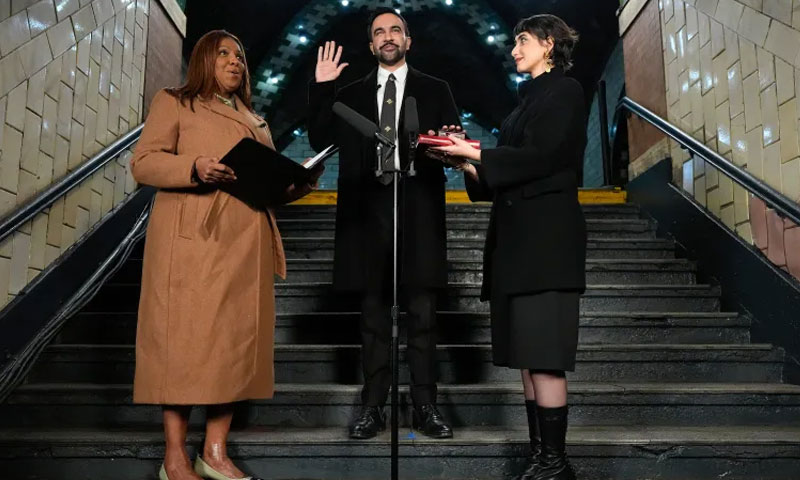
Zohran Mamdani Makes History as New York City’s First Muslim Mayor, Takes Oath on the Quran
Zohran Mamdani has officially assumed office as the mayor of New York City, marking a historic moment as the city’s first Muslim mayor and the youngest to lead the metropolis in generations. The 34-year-old Democrat was sworn in just after midnight on Thursday at a rare and symbolic location — the long-decommissioned City Hall subway station in Manhattan. During the ceremony, Mamdani placed his hand on the Quran while taking the oath, underscoring the city’s deep-rooted diversity and multicultural character. Calling the moment “the honour and privilege of a lifetime,” Mamdani said the responsibility of leading the United States’ largest city was both humbling and deeply personal. The oath was administered by New York Attorney General Letitia James, a close political ally, inside the historic station known for its ornate arches and architectural beauty. Zohran Mamdani becomes the mayor of New York City after taking the oath of office at an historic, decommissioned subway station in Manhattan. Mamdani was sworn in as the first Muslim leader of America’s biggest city, placing his hand on a Quran as he took his oath. pic.twitter.com/D6qyebCa6L — The Associated Press (@AP) January 1, 2026 Later in the day, Mamdani is scheduled to be sworn in again at a public ceremony at City Hall. The oath will be administered by US Senator Bernie Sanders, a longtime inspiration for the new mayor. The event will be followed by a public celebration on Broadway’s famed “Canyon of Heroes,” a site traditionally reserved for iconic ticker-tape parades. Beyond becoming the city’s first Muslim mayor, Mamdani is also the first mayor of South Asian descent, the first born in Africa, and one of the most closely watched progressive politicians in the country. Born in Kampala, Uganda, Mamdani moved to New York City at the age of seven. Growing up in a post-9/11 America, he has spoken openly about the challenges faced by Muslim communities during that period. He became a US citizen in 2018. Mamdani rose to prominence on a campaign centred on affordability in one of the world’s most expensive cities. His platform includes proposals for free child care, fare-free buses, a rent freeze affecting nearly one million households, and a pilot programme for city-run grocery stores. As he takes office, Mamdani inherits one of the most demanding roles in American politics — balancing bold reform promises with the daily realities of governing a city of more than eight million people, from public transport and housing to sanitation, infrastructure, and public safety.

Who Heals the Healers? Nearly 60% of Doctors Face Burnout in Pakistan
Nearly six out of every ten doctors suffer from burnout, and suicide rates among physicians are almost twice as high as those in the general population — yet only one in three ever seeks professional mental health support, medical experts warned at a scientific symposium examining the growing crisis within Pakistan’s healthcare workforce. The discussion, centred on the question “Who heals the healers?”, highlighted how a system dependent on relentless endurance is quietly exhausting its own frontline professionals. Cardiologists and mental health specialists pointed to punishing work schedules, overwhelming patient volumes, chronic sleep deprivation, and environmental stressors such as traffic congestion and air pollution as key contributors to declining physical and emotional wellbeing among doctors. They said a deeply ingrained culture that glorifies resilience over rest has left physicians with little room for self-care, effectively making them the most neglected patients in the healthcare system. The concerns were raised during Life in a Metro, a nationwide scientific symposium held under Mediverse, an academic platform of Hudson Pharma Pakistan. The initiative focuses on evidence-based medicine while addressing the unique mental and physical health challenges faced by doctors working in major metropolitan centres. The session was moderated by Dr Saniya Javaid, who noted that stress levels among doctors are significantly higher in large cities such as Lahore. She added that seasonal factors — including winter-related depression aggravated by fog and smog — further intensify anxiety, emotional exhaustion, and low mood among healthcare professionals. Delivering the keynote address, Dr M Rehan Omar Siddiqui described physician burnout as a silent global epidemic that is becoming increasingly visible in Pakistan. Citing international research, he said approximately 60 percent of doctors experience burnout, while suicide rates among physicians are nearly double those of the general population. Despite these alarming figures, Dr Siddiqui said most doctors avoid seeking help. Many continue working while unwell, relying on self-diagnosis rather than proper medical care — a practice he described as both dangerous and deeply ingrained in medical culture. He explained that doctors commonly suffer from depression, anxiety, substance misuse, poor dietary habits, lack of exercise, chronic sleep deprivation, and missed medical check-ups — despite routinely advising patients to prioritise these same health behaviours. According to Dr Siddiqui, time pressures, guilt, stigma, and a “superhuman” or macho mindset remain major barriers to acknowledging vulnerability. “We speak endlessly about ‘do no harm’, yet many doctors are quietly harming themselves,” he said, warning that institutions often distance themselves from physicians after years of service, leaving them isolated during illness or retirement. He urged healthcare professionals to prioritise adequate sleep, regular physical activity, balanced nutrition, mindfulness, and emotional wellbeing. At the same time, he called on hospital leadership to encourage teamwork, delegation, and more realistic workloads. “A healthy doctor delivers better care,” he said. “Staying healthy is not a luxury — it is a professional responsibility.”
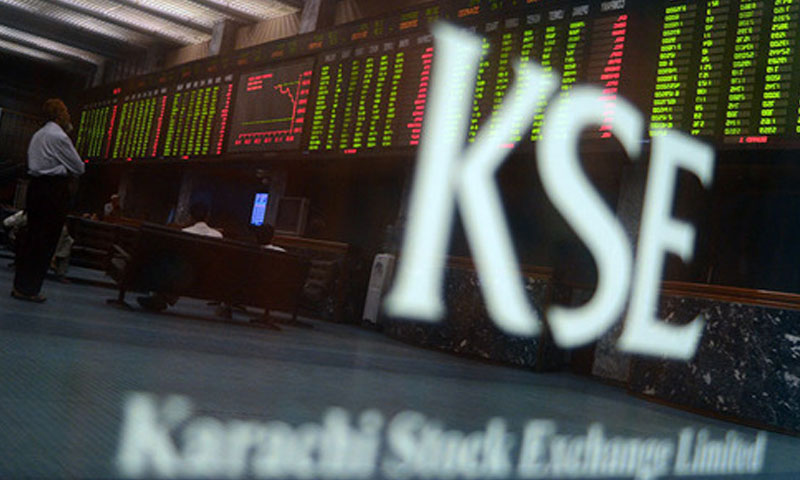
PSX Starts 2026 on a High as KSE-100 Jumps Over 700 Points in Early Trade
The Pakistan Stock Exchange began the new year on a firm footing as bullish sentiment lifted equities in early Thursday trading, pushing the benchmark KSE-100 Index sharply higher within minutes of the opening bell. By 9:35am, the index had climbed to 174,755.54 points, up 701.22 points, representing a 0.40% increase from the previous close. The early rally reflected renewed investor confidence after profit-taking weighed on the market in the final session of last year. Gains were broad-based, with strong buying interest seen in commercial banks, oil and gas exploration firms, and oil marketing companies (OMCs). Heavyweight stocks such as OGDC, Pakistan Oilfields, PPL, PSO, MCB Bank, and UBL all traded in positive territory, providing significant support to the index. Despite the upbeat market start, concerns lingered on the fiscal front. Provisional data showed that the Federal Board of Revenue (FBR) collected Rs6,154 billion during the first half of the current fiscal year (July–December 2025–26), falling short of the Rs6,490 billion target by Rs336 billion. The revenue gap, particularly weak December collections, could compel the government to implement contingency measures under its agreement with the International Monetary Fund. The strong opening followed a subdued close on Wednesday, when the PSX ended the year lower amid profit-booking. The KSE-100 Index had shed 418.45 points to close at 174,054.32 in the final trading session of 2025. Global cues remained mixed. US equities ended lower overnight, with Wall Street benchmarks easing on the last trading day of the year amid thin volumes. Investors locked in profits after a volatile 12 months marked by geopolitical tensions, fluctuating tariff risks, currency weakness, and intense enthusiasm around artificial intelligence stocks. While US markets posted solid annual and quarterly gains, modest declines were recorded in the S&P 500 and Nasdaq for the month, underscoring a cautious finish to an otherwise resilient year for global equities.
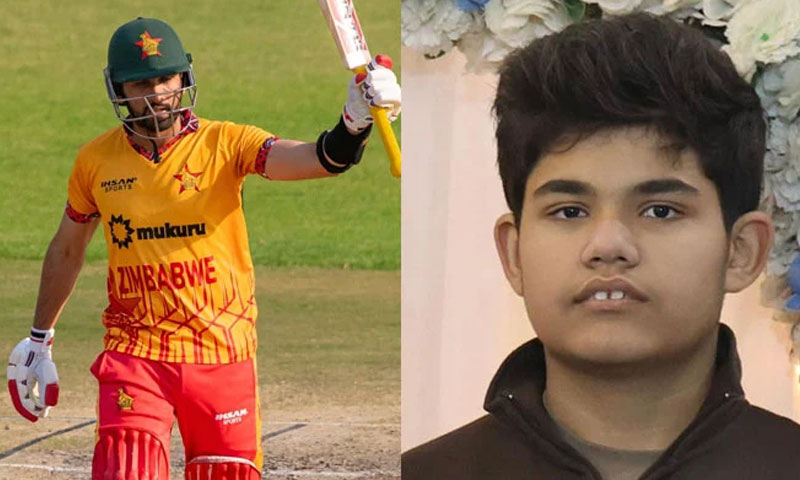
Tragedy Strikes Sikandar Raza’s Family as Younger Brother Dies at 13 in Harare
Zimbabwe cricket is mourning the loss of a young life after the 13-year-old brother of national T20I captain Sikandar Raza, Muhammad Mahdi, passed away in Harare on December 29, 2025. The heartbreaking news was confirmed by Zimbabwe Cricket (ZC) in an official statement released on Wednesday. The board revealed that Mahdi had been living with haemophilia, a rare inherited medical condition that severely affects the body’s ability to clot blood, making even minor injuries potentially life-threatening. According to ZC, Mahdi succumbed to recent health complications linked to the condition. He was laid to rest the following day at Warren Hills Cemetery in Harare, surrounded by family and loved ones. In its condolence message, Zimbabwe Cricket expressed deep sorrow and extended solidarity to Raza and his family during what it described as an immensely painful time. “Zimbabwe Cricket extends its heartfelt condolences to Zimbabwe T20I Captain Sikandar Raza and his family following the untimely passing of his beloved younger brother, Muhammad Mahdi,” the statement read. “The ZC Board, Management, Players and Staff stand united with the Raza family in this moment of profound grief.” The board also offered prayers for patience and strength for the bereaved family, concluding with a message wishing eternal peace for the departed soul. Sikandar Raza, who is expected to lead Zimbabwe in the ICC Men’s T20 World Cup 2026, reacted quietly to the tragedy. The all-rounder retweeted Zimbabwe Cricket’s condolence message on social media, accompanying it with a broken-heart emoji—his only public response so far. The cricketing community has since rallied around Raza, with fans and fellow players offering prayers and messages of support as he navigates this deeply personal loss.

Australia unveil spin-heavy provisional squad for T20 World Cup 2026
Australia have announced a provisional 15-player squad for the ICC Men’s T20 World Cup 2026, with conditions in India and Sri Lanka clearly shaping the selectors’ thinking. The side will be led by Mitchell Marsh, who captains a group that welcomes back several senior names. Pat Cummins, Cameron Green and Cooper Connolly all return after missing Australia’s most recent T20 series against India. The provisional squad features a strong spin and all-round options, reflecting expectations of slower pitches and turning tracks across the subcontinent. Specialist leg-spinner Adam Zampa is supported by Matthew Kuhnemann, Connolly, and spin-capable all-rounders Glenn Maxwell and Matthew Short. Australia’s chair of selectors George Bailey said the panel benefited from recent success, allowing them to focus on players best suited to conditions in India and Sri Lanka, even as a few squad members manage fitness concerns. Bailey confirmed that Cummins, Josh Hazlewood and Tim David are progressing well and are expected to be fit for the tournament. He also stressed that the squad remains provisional and could be adjusted ahead of the final submission deadline. Notably, Australia have opted against selecting a left-arm fast bowler. Following Mitchell Starc’s retirement from T20 internationals and an injury to Spencer Johnson, the selectors chose right-arm seamer Xavier Bartlett rather than a like-for-like replacement such as Ben Dwarshuis. Australia are yet to announce a separate squad for the three-match T20 series against Pakistan, which will serve as their final lead-up to the World Cup.
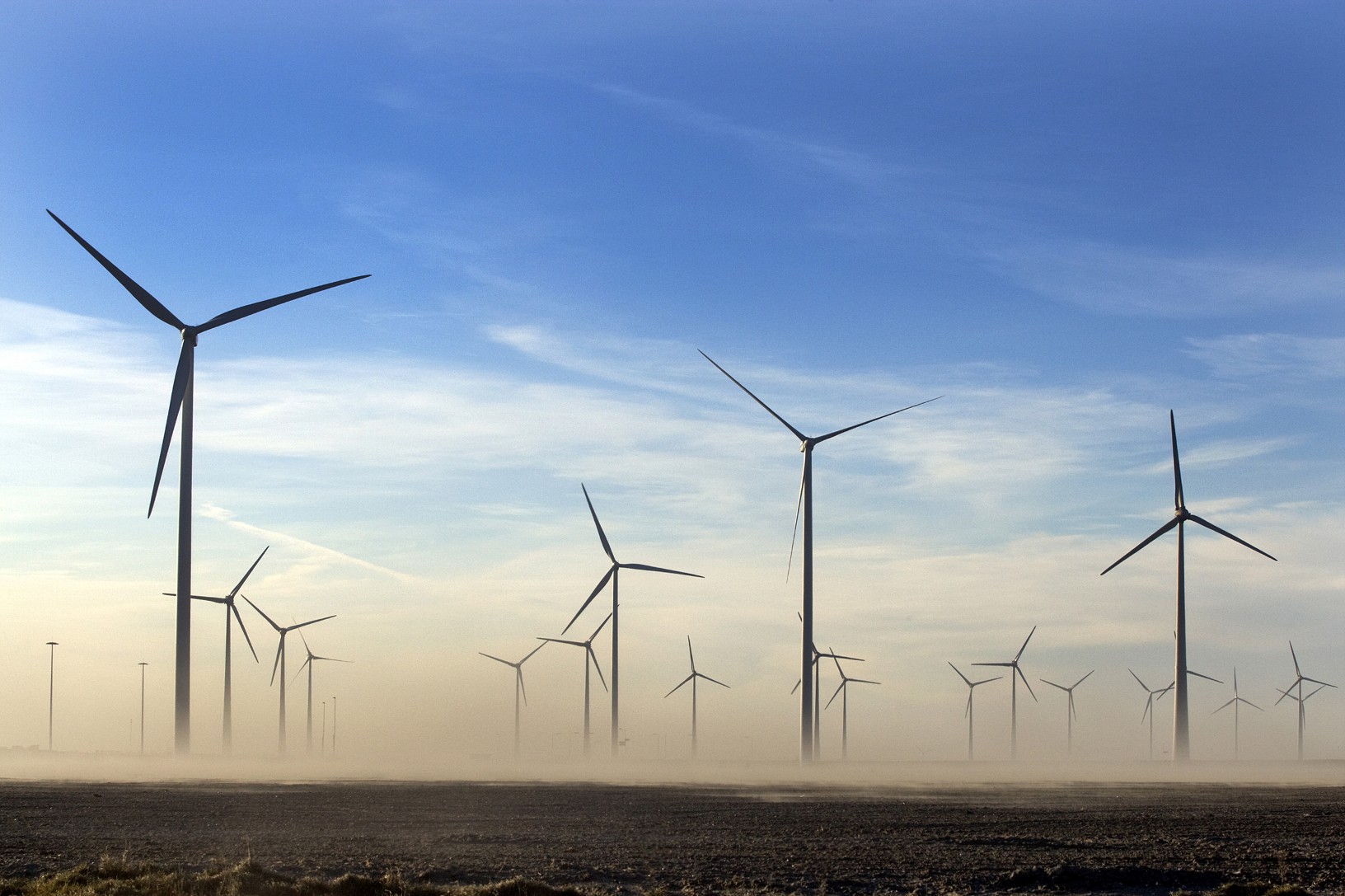
New Wind Power Expansion Cuts Costs and Emissions for Thatta Cement
Thatta Cement Company has taken a significant step toward cleaner energy as it greenlights a new 7.5 MW wind power project, raising its total renewable capacity to 17.3 MW. The board’s approval comes as part of the company’s long-term strategy to reduce dependence on fossil fuels, cut operational costs, and align with Pakistan’s broader push for sustainable energy solutions. The project will be developed in the coastal district of Thatta, Sindh, a region already known for strong and consistent wind speeds that make it ideal for wind power generation. Thatta Cement’s renewable journey began with the commissioning of its first wind energy installations several years ago. The addition of the 7.5 MW capacity marks the second phase of expansion and is expected to further lower the company’s reliance on grid power and high-cost diesel generators, which are common in Pakistan’s energy-intensive industrial sectors. When fully operational, the new wind turbines will supply a larger share of the plant’s electricity needs directly from clean sources. In board discussions, executives highlighted both environmental and economic benefits. With rising energy prices and supply volatility affecting industries nationwide, investing in captive renewable energy helps stabilise long-term production costs. Cement manufacturing is historically energy-intensive, so integrating wind power can deliver meaningful savings while supporting Pakistan’s targets under its Alternative and Renewable Energy Policy. This policy encourages private sector participation in green energy projects to reduce overall emissions and promote energy security. Industry analysts also point out that wind energy investments are becoming increasingly attractive due to incentives such as tax breaks and preferential tariffs offered by the government. This trend is visible across Pakistan’s industrial landscape, where large manufacturers in sectors like chemicals, textiles, and cement are now exploring captive solar and wind farms as part of their energy strategies. In Sindh, in particular, wind corridors along the coastal belt have spurred significant investments from independent power producers and industrial consumers alike. Independent projects like the Jhimpir and Gharo wind farms have already demonstrated the viability of large-scale renewable installations in the same geography. Local renewable advocates commend Thatta Cement’s move as a signal that Pakistan’s private sector is warming to sustainability not just as corporate responsibility but as a core business decision. By reducing carbon intensity and improving energy resilience, companies like Thatta Cement may help shape a more sustainable industrial future. As the new turbines go up, they’ll not only spin toward profitability but also toward a greener energy mix for the nation.
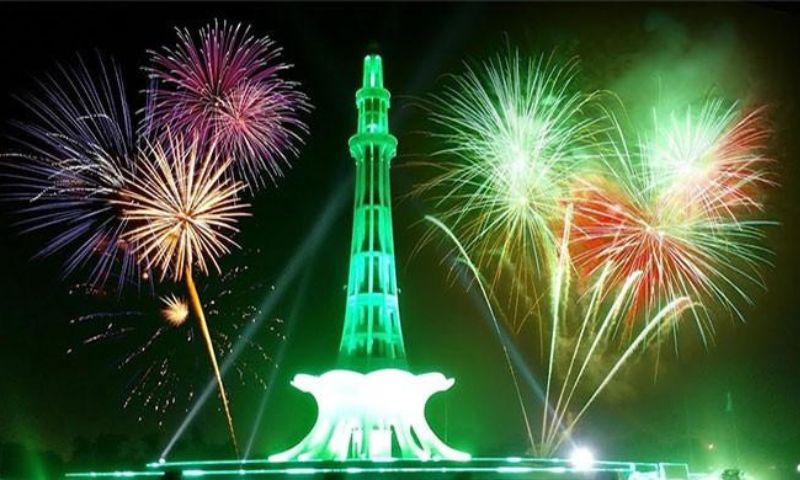
Pakistan Welcomes 2026: Festivities, Fireworks and Tight Security Across Cities
Pakistan welcomed 2026 with colourful celebrations, fireworks and renewed optimism as midnight brought cheers to cities and towns across the country. Residents marked the transition from 2025 with lively gatherings, city displays and a festive atmosphere that blended tradition with modern revelry. Across major urban centres, families and friends gathered to celebrate the start of the year with excitement and hope. In Karachi, the festive spirit was visible well into the night as crowds gathered at popular spots and open areas to watch fireworks brighten the skies. Authorities deployed thousands of police personnel ahead of the celebrations to ensure safety and prevent dangerous practices like aerial firing — a move aimed at keeping revelry joyful but secure. The capital Islamabad hosted vibrant New Year events at Park View City and lakeside venues, where families enjoyed musical performances and colourful light displays before the midnight countdown. Fireworks added to the festive mood, and celebrants exchanged warm wishes as the clock struck twelve. اسلام آباد میں نئے سال کے آغاز پر آتشبازی pic.twitter.com/HdjlvTJyqS — Tayyab Khan (@TayyabKhanARY) December 31, 2025 In other parts of the country, traditions of celebration varied but shared the same enthusiasm. In Quetta, private events featured music, fireworks and cake-cutting ceremonies, bringing together community members in a joyful setting. Multan saw crowds of youth fill streets with energy and optimism for the year ahead, while police checkpoints helped manage the flow of traffic and maintain order. Cities that traditionally organise fireworks were especially lively, with many residents heading to well-known viewing spots. In Karachi, rooftop cafés and seaside restaurants became favourite pick-ups for spectators keen to enjoy the night sky’s spectacle. The celebrations took place amid a backdrop of public excitement about the official New Year’s Day public holiday — announced by the government to give people time with family and friends. The nationwide holiday also allows citizens to reflect on personal goals and hopes for 2026, including development, peace and prosperity. Pakistan’s festivities mirrored global celebrations, as cities around the world from Auckland to Sydney welcomed the year with fireworks and gatherings. While international celebrations included symbolic moments and concerts, Pakistan’s own events emphasised community joy and shared optimism for the future. As dawn broke on January 1, 2026, Pakistan emerged into the new year with vibrant energy and collective readiness to face the opportunities and challenges ahead, blending local traditions with the universal excitement that comes with new beginnings.
