


Advanced Driver Assistance Systems (ADAS) promise to make driving easier and safer. Features like adaptive cruise control, lane keeping assist, and automatic emergency braking look great on paper — and in showrooms. Global brands increasingly offer these systems even on cars sold in Pakistan. But reality on Pakistani roads often tells a very different story. At its core, ADAS is designed to support drivers, not replace them. Cameras, radar, and sensors interpret the traffic environment and help avoid mistakes. In countries with structured roads and disciplined drivers, these systems can cut accidents and fatigue. In Pakistan, ADAS-equipped cars are becoming more common. Premium SUVs like the MG HS, Haval H6, Honda HR-V, Kia Sportage, and Deepal models include features such as lane departure warnings, blind-spot detection, and adaptive cruise control. Despite this growth, Pakistan’s road conditions often negate ADAS strengths. The biggest issue is simple: our infrastructure and behaviour don’t match the tech’s needs. Lane-keeping systems depend on clear, visible lane markings. But on city streets and rural roads across Pakistan, markings are often faint or missing altogether. When the camera can’t spot clear lines, the system becomes confused or simply shuts off. The chaotic mix of vehicles — motorcycles weaving through traffic, auto rickshaws darting unpredictably, and pedestrians crossing anywhere — triggers false warnings. Forward collision alerts and emergency braking can kick in suddenly, even when no real danger exists. Many drivers find these repeated alarms more distracting than helpful, so they turn ADAS off completely. Pakistan’s traffic culture also plays a role. Many drivers lack formal training and often break basic rules, from improper overtaking to ignoring signals. ADAS systems assume a baseline of predictable behaviour — something rare on many urban and suburban routes here. Still, ADAS isn’t useless in Pakistan. On national motorways (M1, M2, M3) and long open highways, where lane markings are clearer and traffic moves steadily, adaptive cruise control and lane assist can reduce fatigue and help maintain safer driving patterns. The true takeaway is straightforward: technology alone can’t fix safety issues rooted in infrastructure and driver behaviour. ADAS creates potential, but in Pakistan it works best when drivers treat it as an assistant, not an autopilot — and when roads and adherence to rules improve. Until then, the clash between tech and reality will continue.
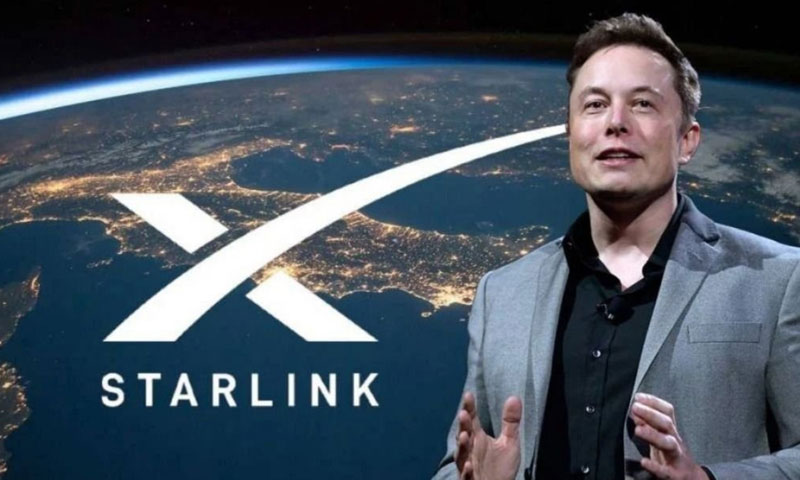
Elon Musk Backs Venezuelans as Starlink Offers Free Internet After Maduro’s Removal
Billionaire entrepreneur Elon Musk has voiced public support for the people of Venezuela as Starlink, operated by SpaceX, announced it would provide free broadband internet access across the country for a limited period amid dramatic political changes. In a post on X on Sunday, Musk wrote, “In support of the people of Venezuela,” while sharing Starlink’s official announcement. The company said it would offer free broadband service through February 3, aiming to maintain connectivity during a period of political uncertainty. In support of the people of Venezuela 🇻🇪 https://t.co/JKxOFWsikP — Elon Musk (@elonmusk) January 4, 2026 The announcement followed a stunning development in Caracas, where the United States confirmed the capture of Venezuelan leader Nicolás Maduro. Footage released by US authorities showed Maduro in handcuffs during a staged perp walk, where he appeared calm and briefly addressed reporters and US Drug Enforcement Administration agents before being taken into custody. The sudden removal of Maduro created an immediate leadership vacuum in Venezuela. Within hours, the country’s Supreme Court issued an emergency ruling assigning interim authority to Vice President Delcy Rodríguez. Reading the decision on state television channel VTV, Supreme Court Justice Tania D’Amelio said Maduro was in a “material and temporary impossibility to exercise his functions.” The court ordered Rodríguez to assume all presidential powers to ensure administrative continuity and what it described as the comprehensive defense of the state. The ruling cited provisions in Venezuela’s constitution that require the vice president to take over executive authority in the event of a president’s temporary or absolute absence. Musk reacted positively to Maduro’s arrest earlier, posting in Spanish: “Venezuela ahora puede tener la prosperidad que merece” (“Venezuela can now have the prosperity it deserves”). His comments quickly gained traction online, especially among Venezuelans who have long struggled with internet restrictions, censorship, and infrastructure breakdowns. Reliable internet access has been a persistent challenge in Venezuela, where outages and state control have limited digital communication. Starlink’s temporary intervention is expected to help citizens stay connected to news, emergency services, and family abroad during the transition period.
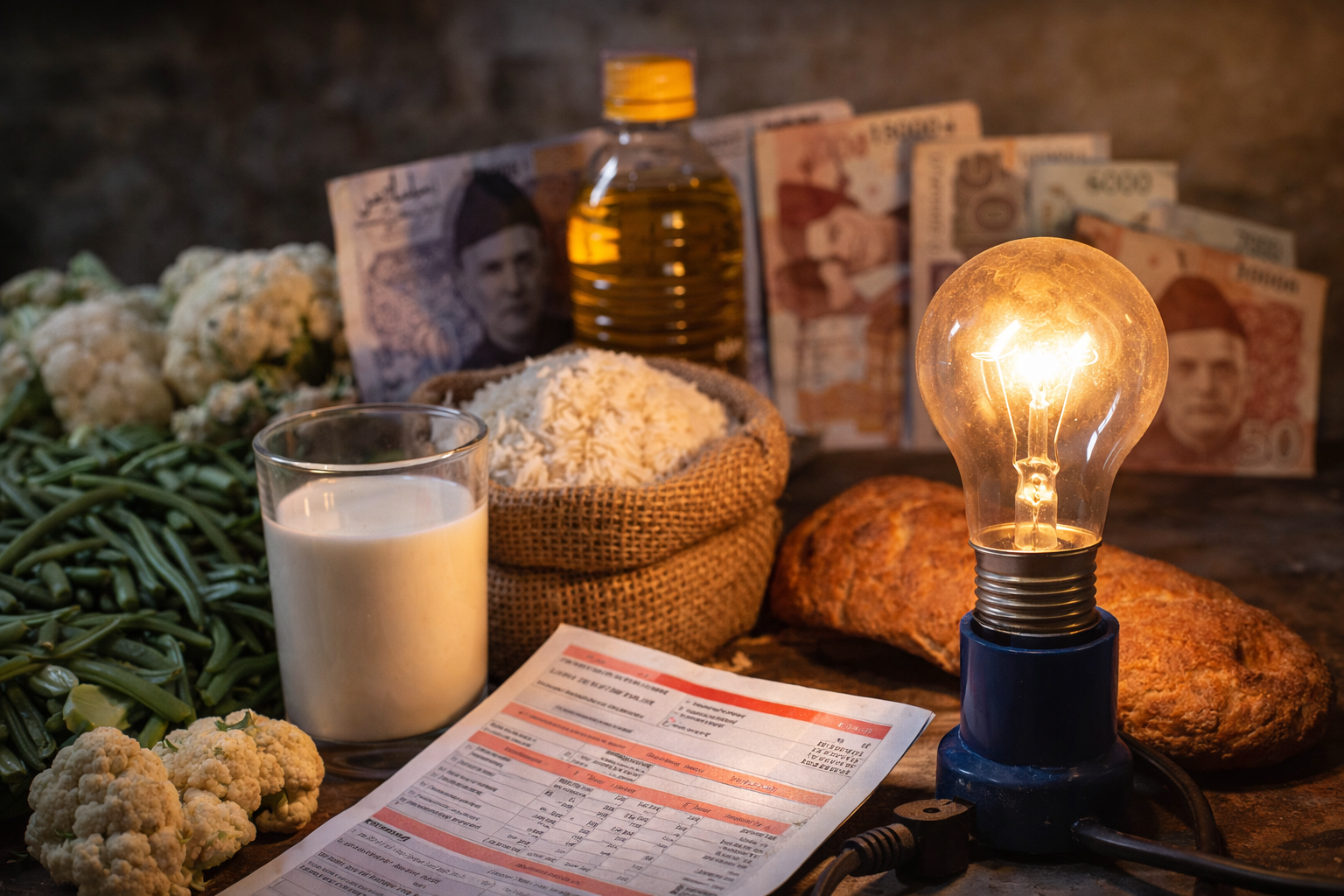
Pakistanis Now Spend Two-Thirds of Their Income on Food and Electricity: Survey
Pakistan’s households are spending nearly two out of every three rupees on just food and electricity, highlighting how sharply rising living costs are reshaping daily life across the country, according to a new government survey. The findings come from the Household Integrated Economic Survey (HIES) 2024–25, released by Planning Minister Ahsan Iqbal. Conducted after a gap of more than six years, the survey paints a stark picture of how inflation has eroded household purchasing power. The survey shows that while incomes have increased, expenditures have grown even faster, leaving families with little room for savings or investment in education and health. On average, households now spend 63 percent of their total monthly expenses on food and housing-related costs, including electricity and gas. Food alone accounts for 37 percent of household spending, while 26 percent goes toward housing, electricity, and gas. In contrast, spending on education has fallen to just 2.5 percent, less than half of what households spend on housing and utilities. Combined spending on education, health, and recreation stands at only 7 percent. The report also highlights a growing dependence on external income sources. The share of foreign remittances in household income has climbed from below 5 percent six years ago to nearly 8 percent today. Gifts and financial assistance have also surged, more than doubling to 4.6 percent, signaling increased reliance on informal support networks. According to officials at the Pakistan Bureau of Statistics, rural households show an even sharper rise in dependence on remittances, reflecting fewer domestic job opportunities. Independent economists link this trend to the steady outflow of young and skilled workers seeking employment abroad. Income inequality remains pronounced. While the average monthly household income has nearly doubled from Rs41,545 to Rs82,179 over six years, the poorest 20 percent earn Rs41,851 per month, compared with Rs139,317 earned by the richest quintile. Urban households earn significantly more than rural ones, with average monthly income rising to Rs96,767 in cities. Household expenses have risen faster than earnings. Monthly consumption spending jumped from Rs37,159 to Rs79,150, growing at an average rate of 19 percent per year, compared to a 16 percent annual rise in income. Within food spending, milk accounts for the largest share at 22 percent, followed by wheat (12 percent) and cooking oil (6 percent). The survey also notes that spending at restaurants now exceeds spending on education, especially among higher-income households. The findings reflect years of economic strain marked by double-digit inflation, currency depreciation, and fiscal tightening under IMF-backed reforms, which have placed the heaviest burden on middle- and lower-income families.

The New Rules of Work-Life Balance
Work-life balance in 2026 is no longer a soft perk or a motivational slogan. It has become a structural shift in how societies organize work, time, and wellbeing across the West and throughout South Asia. The pressure behind this change is measurable. A 2025 global workplace study by Gallup found that over 40 percent of employees worldwide experience daily stress linked to work, while disengagement remains high despite economic recovery in several regions. Employers learned a costly lesson: burnout directly reduces productivity, retention, and innovation. Hybrid work remains the most visible change. By late 2025, many global firms formally ended rigid office mandates. Instead, they adopted outcome-based models that focus on results rather than hours. In Europe, four-day workweek pilots in the UK and Germany showed stable or improved productivity, encouraging broader adoption in 2026. The South Asian context adds another dimension. In countries like Pakistan, India, and Bangladesh, hybrid work created new access rather than convenience. Professionals working in tech, finance, design, and customer support now earn global incomes without relocating. Freelancing and remote employment expanded rapidly, with South Asia emerging as one of the fastest-growing remote talent regions by 2025. Yet flexibility comes with tension. Long hours remain common in South Asia due to time-zone overlap with global clients. Many workers report improved income but blurred personal boundaries. This reality has sparked new conversations around mental health, rest, and sustainable workloads, topics once considered taboo. Governments also stepped in. “Right-to-disconnect” laws, first introduced in France, gained attention globally. While not yet widespread in South Asia, large employers increasingly introduce internal policies limiting after-hours communication to reduce burnout. Lifestyle patterns shifted alongside work. Rising urban rents and commute costs pushed professionals to relocate to smaller cities or suburban areas. Co-working spaces replaced offices, and cafés doubled as informal work hubs. Families gained flexibility, but routines required renegotiation. Mental health now anchors the conversation. Companies expanded wellness programs after data showed lower sick leave and higher retention among employees with access to counseling and mental-health days. In 2026, acknowledging stress feels less like weakness and more like responsibility. Work-life balance today is not about working less. It is about control. People want flexibility, predictability, and time that belongs to them. In 2026, balance is no longer optional. It is essential.

Beat Colds This Season: Top Winter Foods That Protect Your Immune System
Winter brings cozy sweaters, hot cocoa, and… a greater chance of catching colds and flu. But what if the foods you eat could help defend you against sickness? Your body’s immune system depends on nutrients to work well, and winter foods can make a big difference. Eating the right things can help you stay well when temperatures drop. 1. Bone Broth — Warm and Nourishing Bone broth has been a comfort food for generations. You make it by simmering bones with veggies and herbs for hours. This process releases minerals like calcium and magnesium. Bone broth also gives your body hydration and protein, both essential for a strong immune response. Warm soups and broths help thin mucus and keep you hydrated, which is key during winter. 2. Honey + Garlic — Nature’s Protective Duo Honey and garlic are ancient remedies for winter ills. Garlic contains allicin, a compound known for its antiviral and antibacterial abilities. It may help your immune cells fight off infection more effectively. Honey brings antimicrobial and soothing effects that can calm sore throats and help your body fend off germs. Using both regularly in meals, teas, or broths can give your immunity a solid boost. 3. Ginger & Turmeric — Spices That Strengthen You Ginger and turmeric are more than just warm flavors; they are immune champions. Ginger has anti-inflammatory and antioxidant effects. Turmeric contains curcumin, a compound that supports your body’s defenses. People around the world use these spices in teas, soups, and even golden milk during winter. Studies show both may reduce inflammation and improve immunity. 4. Citrus Fruits — Vitamin C Powerhouses Oranges, lemons, and grapefruits are rich in vitamin C, a nutrient your immune system loves. Vitamin C helps produce white blood cells — your body’s key defenders against infections. Regular intake of citrus fruits during the cold months can help reduce the risk and severity of colds. 5. Fermented Foods & Yogurt — Gut Health = Immune Health A strong immune system starts in your gut. Foods like yogurt, kefir, sauerkraut, and kimchi contain probiotics — friendly bacteria that support gut health. A well-balanced gut helps regulate immune responses and may reduce your risk of getting sick.

Meet The Youngest Self-Made Billionaires Ever
At just 22 years old, three young innovators have rewritten the rulebook on what’s possible in tech and wealth. Once high school friends in California, Brendan Foody, Adarsh Hiremath, and Surya Midha have become the youngest self-made billionaires in history. Their achievement now tops even Mark Zuckerberg’s legendary rise, who reached billionaire status at age 23. The trio built Mercor, an AI-powered recruiting platform that connects experts with the world’s fastest-growing artificial intelligence labs. The startup doesn’t simply match engineers with jobs. Instead, it provides human-guided data and expert insight that helps train modern AI models especially in specialized areas like law, medicine, and finance. In a remarkable leap, Mercor recently raised $350 million in new funding, pushing its valuation to a staggering $10 billion. That sudden surge vaulted all three founders into billionaire status, making them younger than any other self-made tech billionaire ever recorded. Midha is technically the youngest by a few months, but all three share the record together. What makes this story even more inspiring is how they got here. All three met in Silicon Valley as teens and bonded over debate teams and tech ideas. Instead of playing safe in college, they chose the risky path of starting a firm centered on artificial intelligence long before most of their peers had even picked a major. Their achievement isn’t just about money. It highlights a shift in how young people can shape global industries. AI isn’t just about fancy algorithms and billion-dollar labs. It’s also about people — the students, experts, and visionaries who teach machines what only humans know. Mercor’s rise also spotlights growing controversy: with rapid expansion come debates over labor practices and sustainable growth. Some critics argue that rapid hiring and wage shifts at tech firms signal deeper questions about fairness in a competitive market. Still, for many young founders around the world, Brendan, Adarsh, and Surya are living proof that big dreams started in school hallways can change the world and do it before most of us have even graduated.
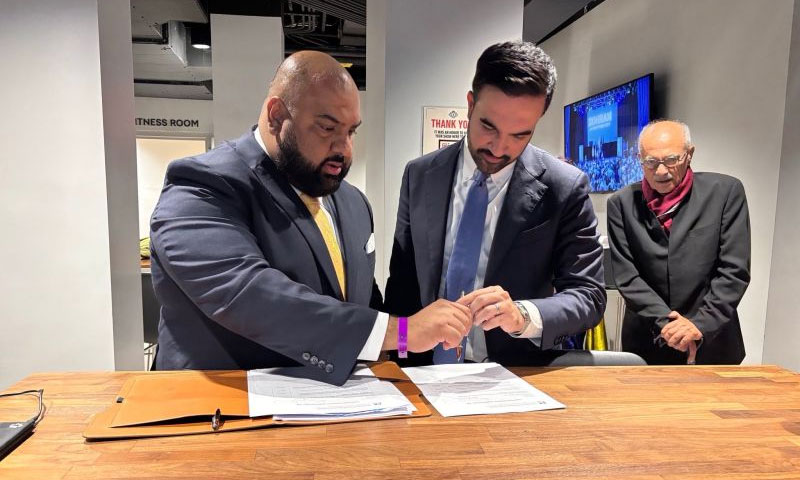
Zohran Mamdani Names Pakistani-American Lawyer Ali Najmi to Key Judiciary Role in NYC
New York City Mayor Zohran Mamdani has named Pakistani-American attorney Ali Najmi as the new chair of the Mayor’s Advisory Committee on the Judiciary, placing a longtime confidant at the center of the city’s judicial selection process. In his new role, Najmi will oversee the committee responsible for reviewing, evaluating, and recommending candidates for judgeships in New York City’s Family and Criminal Courts, along with interim appointments to the Civil Court. The committee plays a critical role in shaping the city’s judiciary by vetting candidates before they are formally appointed. Announcing the appointment, Mayor Mamdani emphasized his administration’s commitment to reforming the judicial selection process. He said the goal is to bring greater transparency, fairness, and public trust to how judges are chosen, while ensuring the judiciary reflects the diversity of the city it serves and applies the rule of law equally. Mamdani praised Najmi’s decades-long legal career, describing him as uniquely qualified to lead the effort. He credited Najmi’s courtroom experience, integrity, and persistence as key strengths that will guide the committee’s work. The appointment also highlights the deep personal and professional bond between the two men. Both residents of Queens, Mamdani and Najmi first crossed paths in 2015, when Mamdani volunteered on Najmi’s City Council campaign in eastern Queens. Though the campaign was unsuccessful, it marked the beginning of a close relationship that has endured for years. Since then, Najmi has served as Mamdani’s legal advisor, election attorney, and mentor, supporting him through both his State Assembly run and his successful mayoral campaign. The pair have often spoken publicly about their close relationship, frequently referring to each other as brothers. Najmi brings extensive experience in election and ballot-access law. Over the past 15 years, he has represented a wide range of insurgent and anti-establishment Democratic candidates, carving out a reputation as a leading legal strategist in progressive political circles. As recently as June, he represented at least 18 candidates during the Democratic primary season. With Najmi at the helm of the Advisory Committee on the Judiciary, Mamdani’s administration appears poised to leave a distinct imprint on New York City’s courts—one shaped by reform, inclusion, and a renewed focus on judicial accountability.

US Attack in Venezuela: What Happened, What We Know, and What Comes Next
Venezuela has been plunged into one of the most severe political and security crises in its modern history following US military action near the capital Caracas and extraordinary claims from Washington that President Nicolás Maduro and First Lady Cilia Flores were captured and taken to the United States. The developments have sharply escalated tensions between the two countries and triggered widespread concern across Latin America and the international community. JUST IN: 🇻🇪🇺🇸 Close up video of Nicolás Maduro being escorted out of a plane by US authorities in New York. pic.twitter.com/SNP9KHDBxO — BRICS News (@BRICSinfo) January 4, 2026 What unfolded overnight In the early hours of January 3, 2026, explosions and intense military movement were reported in Caracas and surrounding regions. Venezuelan authorities said multiple locations were hit, describing the incident as direct foreign military aggression. Security alerts were raised nationwide, and movement was restricted in parts of the capital as the situation rapidly deteriorated. Shortly afterward, US political leadership dramatically escalated the situation. Former US President Donald Trump publicly stated that American forces had carried out a large-scale operation inside Venezuela, claiming that Maduro and Flores had been detained and flown to the United States, where they would face legal proceedings. The US is bombing Venezuela in an actual unprovoked attack. Many excuses will be given over the next days: Narco-terrorism; Hezbollah, Hamas, Iran and others “operating” in Venezuela; democracy promotion backed by the Nobel Peace Prize etc. pic.twitter.com/qhiVq0OOZu — Glenn Diesen (@Glenn_Diesen) January 3, 2026 The US justification According to US statements, the operation was linked to long-standing criminal accusations against Maduro, including allegations involving narcotics trafficking and links to armed groups—claims that have been raised by US authorities for years. Trump framed the action as a decisive step to enforce accountability, though no detailed legal documentation or congressional authorization was immediately made public, fueling debate within the United States over the legality of the operation. Trump also went further, announcing that the United States would temporarily oversee Venezuela’s political and administrative system until a new government is established—an announcement that stunned diplomats and legal experts worldwide. Venezuela’s response Venezuela’s leadership has categorically rejected the US claims, calling the events an illegal attack, an abduction, and an attempted regime change. Officials insist the country’s sovereignty has been violated and accuse Washington of fabricating or exaggerating claims to justify intervention. Emergency measures were announced, and senior officials urged the population to remain calm while warning that Venezuela would resist any foreign-imposed authority. Casualties and damage: what is known Early reports suggest that people were killed and injured during the overnight strikes, though exact numbers remain unclear and vary across accounts. Venezuelan officials have spoken of fatalities and civilian harm, while US statements have focused on the scale of the operation and said American personnel were injured but not killed. Independent verification remains limited, and analysts caution that all casualty figures should be treated as provisional until further confirmation is available. Regional and global fallout The developments sparked immediate international reaction. Cuba strongly condemned the US action, describing it as an act of state terrorism, while reactions across Latin America have been sharply divided—reflecting deep political splits over Venezuela’s leadership. International concern has focused heavily on sovereignty, international law, and precedent, with growing calls for emergency discussions at global forums, including the United Nations. Wider impact beyond Venezuela The crisis has also disrupted regional travel and commerce. Heightened security measures and airspace restrictions led to widespread flight cancellations and delays across parts of the Caribbean and northern South America, affecting thousands of passengers. What happens next Several critical questions remain unresolved: Governance in Caracas: Venezuelan institutions say they remain in control, but the balance of power is uncertain amid conflicting claims. Legal battle ahead: If Maduro is indeed in US custody, the case is expected to trigger a major legal and diplomatic confrontation over jurisdiction and international norms. Risk of escalation: Analysts warn that further military action or retaliatory measures could destabilize the region and deepen an already volatile crisis. While many details remain contested, one reality is clear: US–Venezuela relations have entered an unprecedented and dangerous phase, with consequences that could reshape regional politics and global debates on intervention and sovereignty.
