Advanced Driver Assistance Systems (ADAS) promise to make driving easier and safer. Features like adaptive cruise control, lane keeping assist, and automatic emergency braking look great on paper — and in showrooms. Global brands increasingly offer these systems even on cars sold in Pakistan. But reality on Pakistani roads often tells a very different story.
At its core, ADAS is designed to support drivers, not replace them. Cameras, radar, and sensors interpret the traffic environment and help avoid mistakes. In countries with structured roads and disciplined drivers, these systems can cut accidents and fatigue.
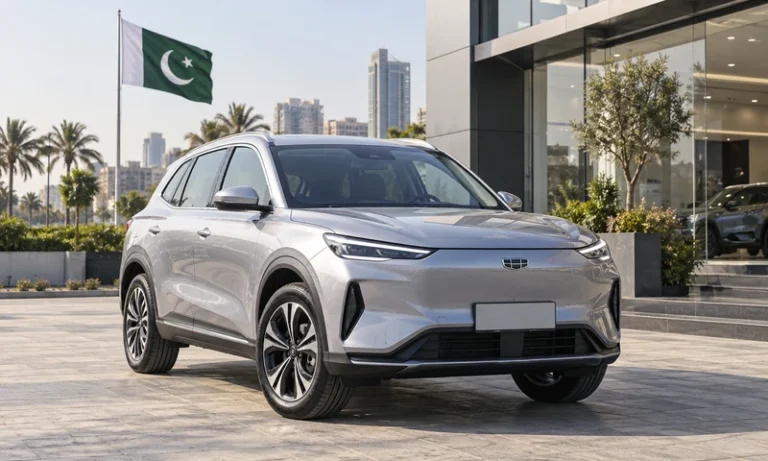
In Pakistan, ADAS-equipped cars are becoming more common. Premium SUVs like the MG HS, Haval H6, Honda HR-V, Kia Sportage, and Deepal models include features such as lane departure warnings, blind-spot detection, and adaptive cruise control.
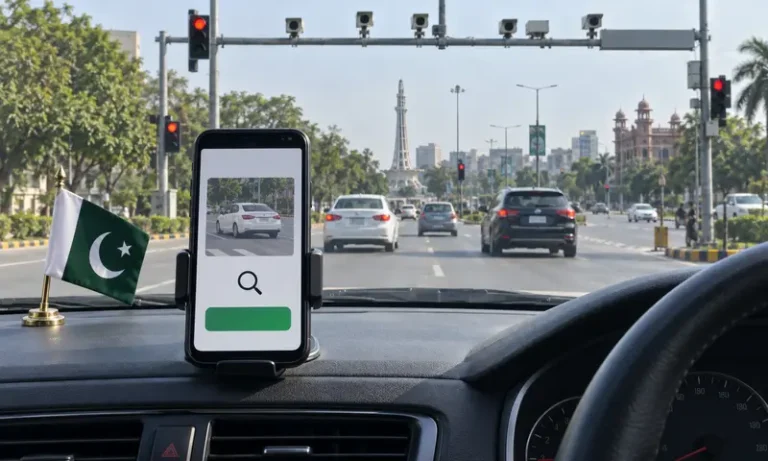
Despite this growth, Pakistan’s road conditions often negate ADAS strengths. The biggest issue is simple: our infrastructure and behaviour don’t match the tech’s needs. Lane-keeping systems depend on clear, visible lane markings. But on city streets and rural roads across Pakistan, markings are often faint or missing altogether. When the camera can’t spot clear lines, the system becomes confused or simply shuts off.
The chaotic mix of vehicles — motorcycles weaving through traffic, auto rickshaws darting unpredictably, and pedestrians crossing anywhere — triggers false warnings. Forward collision alerts and emergency braking can kick in suddenly, even when no real danger exists. Many drivers find these repeated alarms more distracting than helpful, so they turn ADAS off completely.
Pakistan’s traffic culture also plays a role. Many drivers lack formal training and often break basic rules, from improper overtaking to ignoring signals. ADAS systems assume a baseline of predictable behaviour — something rare on many urban and suburban routes here.
Still, ADAS isn’t useless in Pakistan. On national motorways (M1, M2, M3) and long open highways, where lane markings are clearer and traffic moves steadily, adaptive cruise control and lane assist can reduce fatigue and help maintain safer driving patterns.
The true takeaway is straightforward: technology alone can’t fix safety issues rooted in infrastructure and driver behaviour. ADAS creates potential, but in Pakistan it works best when drivers treat it as an assistant, not an autopilot — and when roads and adherence to rules improve. Until then, the clash between tech and reality will continue.