


Pakistan’s tax system has hit a major snag as the Federal Board of Revenue (FBR) recently marked thousands of taxpayers who submitted their manual income tax returns as “inactive”, denying them the benefits of being on the Active Taxpayer List (ATL). This move has sparked confusion, frustration, and criticism from tax experts and filers alike. Under Pakistan’s tax rules, a taxpayer normally earns active status by filing an income tax return on time or by applying for an approved extension. Active filers enjoy lower withholding tax rates on key transactions such as property transfers and bank transactions, along with easier access to loans and financial services. But the latest development has left many who filed manual returns for Tax Year 2024 in limbo. The FBR refused to grant these taxpayers active status, citing its efforts to fully digitalize tax filing. Experts say the agency has effectively imposed penalties on people compliant with the law. Many taxpayers had applied for filing extensions before deadlines, but the FBR allegedly declared them inactive regardless. Critics argue that this contradicts formal directions and existing tax circulars. For example, FBR Circular No. 6 of 2025-26 had expressly extended the deadline for manual filers to November 30, 2025 and required field offices to provide legal and technical assistance. A prominent tax lawyer called the recent actions “deliberate and contemptuous,” saying officials ignored clear legal instructions and even the orders of the Federal Tax Ombudsman (FTO). In response to public pressure and confusion, the FBR clarified that taxpayers who submitted extension applications within the prescribed time will not lose active status, and that manual filing will be phased out in favor of digital e-filing. Special facilitation cells have been set up in tax offices across the country to help taxpayers transition to e-filing smoothly. Still, many in Pakistan’s business community believe the row highlights deeper problems in the tax administration — from inconsistent communication to delayed system updates. The debate has reignited calls for clearer rules, better digital tools, and stronger safeguards for taxpayer rights.

Ronaldo Talks Life After Football: The Dream Home He’s Planning
Cristiano Ronaldo has already begun planning his life after football, and it says a lot about who he is beyond the pitch. At 40, the Portuguese superstar still plays professionally, but he has spoken openly about the day he will finally retire. He insists that he won’t stop playing until his body tells him it’s time, a mindset that helped him remain one of the best for nearly two decades. In interviews, he admitted that leaving the game “will be very, very difficult,” but he also said he feels prepared for the next stage of his life. For Ronaldo, family comes first. Reports show that he is building a spectacular coastal mansion near Lisbon, Portugal, where he hopes to settle with his partner, Georgina Rodríguez, and their five children after retirement. The estate is worth around £30 million and includes luxuries like an infinity pool with ocean views, a private gym, indoor and outdoor pools, a cinema, and a large car garage for his collection. The villa reflects Ronaldo’s commitment to both comfort and privacy. This Portuguese home is just one of many properties Ronaldo owns around the world. He has lived in prestigious homes in Madrid, Turin, Madeira, and Dubai over the years. While playing for Al-Nassr in Saudi Arabia, he has spent much of his time on a private island known as “Billionaire’s Island,” enjoying peace and security with his family. Ronaldo’s ties to Saudi Arabia may be deeper than most fans realize. After signing a contract extension with Al-Nassr until 2027, he expressed appreciation for life in the Kingdom and even suggested he may consider it his permanent home one day. Many experts believe he could split his time between Portugal and Saudi Arabia once he retires. Although Ronaldo’s football career is still active, his future plans already paint a clear picture: a life where family, luxury, and comfort take center stage. Whether he ultimately calls Portugal, Saudi Arabia, or both home, the next chapter of his life will likely be as fascinating as the record-breaking career that preceded it.
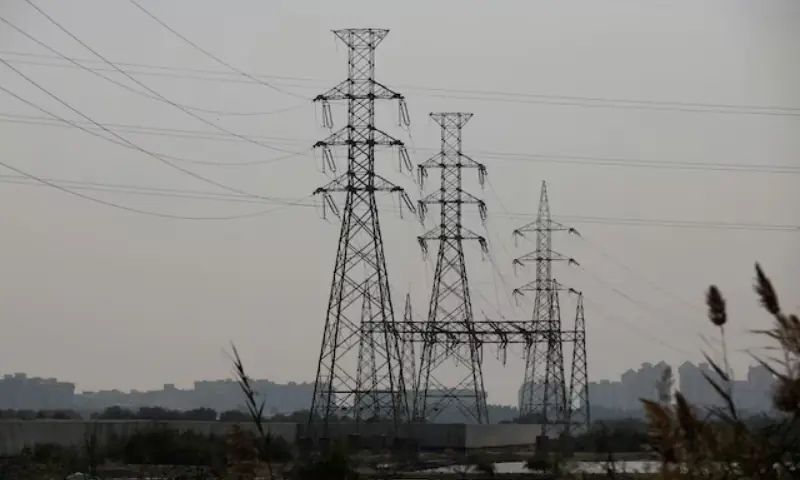
Pakistan Moves to End Billion-Dollar Power Losses with Smart Meter Rollout
Pakistan’s power system is about to take a big step toward modernization as the government prepares to roll out Advanced Metering Infrastructure (AMI) in five major power distribution companies. The move is designed to help fix structural inefficiencies in the electricity system that cost the country about $1 billion every year in transmission and distribution losses. Right now, outdated meters and weak monitoring make it hard to track how much electricity is really being used. This gap leads to technical faults, billing errors, and high levels of electricity theft, which in turn push up costs for both utilities and consumers. Officials say the new AMI project will give power companies and customers a real-time view of electricity use — something traditional meters simply can’t do. The government has asked the World Bank to act as Transaction Advisor for the project. This international support aims to bring global experience to a complex rollout that involves updating infrastructure in five major Discos: LESCO, MEPCO, PESCO, HAZECO, and QESCO. Under a Public-Private Partnership (PPP) model, a private Advanced Metering Infrastructure Services Provider will install and operate the smart meters, assisted by the federal Public Power and Infrastructure Board (PPIB). But what exactly is AMI and why is it important? Advanced Metering Infrastructure uses smart meters. These are digital devices that communicate usage data directly to utilities and customers in near real-time. These meters collect accurate information on electricity use and can even show patterns that signal power theft or irregular consumption, helping utilities respond faster. Smart meters also allow remote meter reads and can give consumers detailed feedback on how and when they use electricity. Countries that have implemented AMI solutions have seen significant improvements. Smart meter systems help detect faults quickly, reduce the need for manual meter reading, and even support new pricing models that reward off-peak energy use. Utilities in places like Canada and the U.S. report faster outage detection and better overall operational efficiency after AMI rollout. For Pakistan, the transition to AMI is a promising step toward a smarter, more efficient, and fairer electricity sector – one where users pay for what they consume and utilities can manage the grid with more confidence.
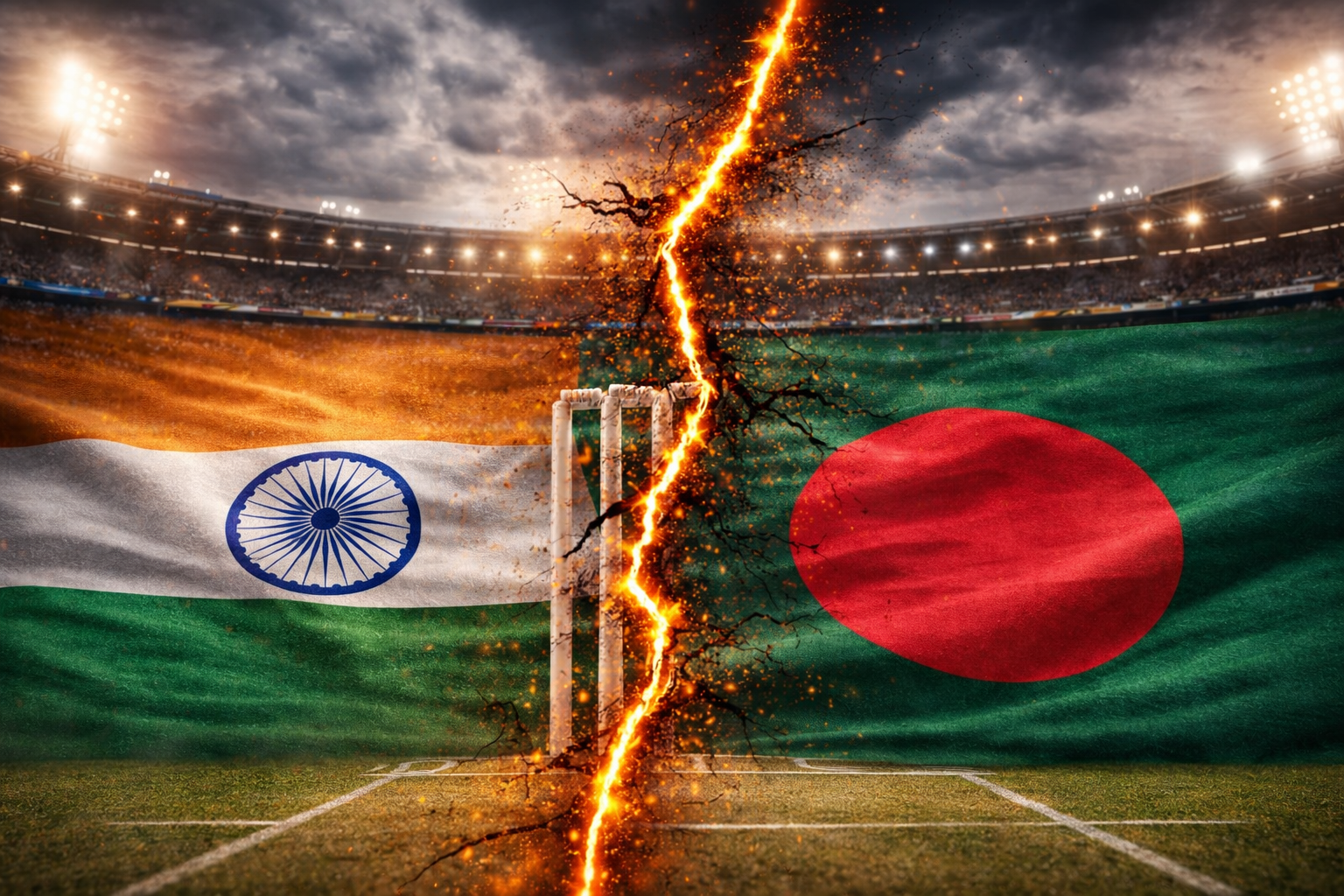
Bangladesh–India Dispute: When and Where Did the Rift That Reached Cricket Begin?
A growing diplomatic chill between Bangladesh and India has now spilled into international cricket, after Bangladesh’s board sought to avoid playing its scheduled ICC Men’s T20 World Cup 2026 matches in India—an escalation tied to a chain of events that began months earlier and later intensified around Bangladeshi fast bowler Mustafizur Rahman. The first spark: a killing and a surge of anger The deterioration in public sentiment accelerated after the death of a prominent Bangladeshi youth leader, which triggered unrest and violent protests in multiple cities. Reuters reported that the killing set off demonstrations and attacks on sites including media offices and political locations, as the government urged calm. In the aftermath, some political groups and activists in Bangladesh alleged Indian involvement, a claim that circulated widely in protests and online messaging, further worsening public emotions—though such allegations have been disputed and were not presented as established fact in credible reporting. Pressure builds: incidents and reactions across the border As unrest grew, bilateral tensions widened. Reuters later noted that the relationship was already strained due to other developments, including communal incidents and protests, and broader political complications involving Bangladesh’s former leader Sheikh Hasina being in India. This atmosphere, analysts say, created a new risk: that sport—usually kept separate—would become a public arena for anger and retaliation. The turning point: Mustafizur Rahman and Kolkata Knight Riders That risk became real when Mustafizur Rahman’s IPL participation turned into a controversy. Multiple outlets reported that the BCCI instructed Kolkata Knight Riders (KKR) to release Mustafizur from their IPL plans, linking the instruction to “recent developments” connected to the wider political situation. In Bangladesh, the decision was widely perceived as humiliating and politically driven. Some commentary framed it as the result of pressure from hardline groups and nationalist sentiment in India—though KKR and Indian cricket authorities publicly emphasized administrative and security considerations rather than street pressure narratives. The World Cup fallout: Bangladesh asks to move matches out of India Soon after, Bangladesh’s position hardened. Reuters reported Bangladesh would not play its scheduled T20 World Cup matches in India, citing security concerns, and that the BCB formally asked the ICC to relocate matches to a neutral venue, with Sri Lanka named as a preferred option. The report linked the cricket decision to the Mustafizur episode and worsening bilateral climate, showing how quickly a franchise-league move can trigger international consequences when relations are already tense. Why this matters World Cups run on fixed logistics: venues, visas, broadcasting, and security planning. A relocation request forces the ICC into a sensitive space—balancing safety, fairness, and tournament integrity—while both countries face intense public scrutiny at home.
