


A Chinese man whose uncanny imitation of Donald Trump has taken social media by storm is earning laughs and earning followers on both sides of the Pacific. Ryan Chen, a 42-year-old from Chongqing in southwest China, has become a viral sensation with his Trump-style videos that mix humor, cultural insights and over-the-top gestures. Chen’s impersonations have gone viral because he nails many elements of the former president’s persona, from his characteristic hand movements to his distinctive voice. “Trump is an endless well that never runs dry, because he draws more online traffic than anyone else on the planet,” Chen told AFP, explaining the appeal of his act on platforms like Instagram, TikTok and Chinese video networks. View this post on Instagram A post shared by Chinese Trump (Ryan Chen瑞哥英语) (@trumpbyryan) Unlike many satirists, Chen does not use his performances to make sharp political commentary. He purposely steers clear of serious political debate — a wise choice, since doing satire in China can cross lines that trigger account suspensions. Instead, his videos focus on fun and cultural exchange. In his clips, Chen often dresses in Trump-style outfits and peppers his speech with familiar buzzwords like “tremendous” and “amazing.” He also uses the setup to highlight his city’s culture. During some videos, he showcases Chongqing’s spicy food, jokes with foreigners and even dances to Village People’s “YMCA” — a song closely associated with Trump’s rallies. “I’m not into politics, but I think he is a very good entertainer,” Chen said, showing that his act is meant to amuse rather than provoke. And while he leans into the Trump persona, his goal is clear. “If I imitate him, it’s not to make fun of him. It’s to get attention,” he said, adding, “With that attention, I can boost my career, as well as promote China and my hometown.” The entertainer’s reach has exploded since 2025, helped by a livestream appearance on a popular American channel and the renewed global spotlight on Trump after his return to the White House. Today, Chen boasts millions of followers across Instagram, TikTok and Chinese platforms, and is widely recognized on the streets of Chongqing. Despite his fame, Chen maintains he is just having fun. He has even secured advertising work and public appearances through brand collaborations. And though many fans dream of a meeting between Chen and Trump, the impersonator himself shrugs at the idea, saying he has no political ambitions and sees himself simply as a comedian connecting cultures through laughter.
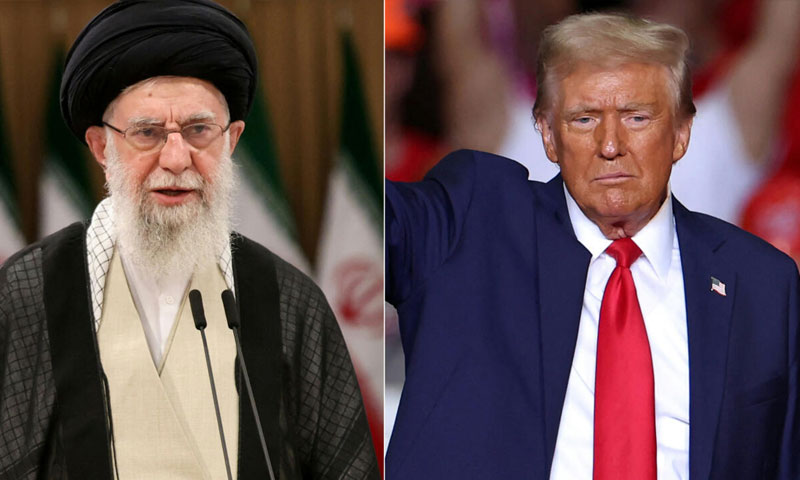
Khamenei Blames Iran Unrest on US Influence, Warns of Tougher Crackdown
Iran’s Supreme Leader Ayatollah Ali Khamenei on Friday signalled a harder line against ongoing anti-government protests, accusing demonstrators of acting in the interests of foreign powers — particularly the United States — as unrest persisted across several Iranian cities under a sweeping communications blackout. In a short address broadcast on state television, the 86-year-old leader said some protesters were “destroying their own streets to please the president of another country,” a clear reference to Donald Trump. Responding to chants of “Death to America” from the audience, Khamenei warned that the Islamic Republic would not tolerate individuals he described as “mercenaries” working on behalf of external forces. Khamenei also lashed out at Trump directly, urging him to focus on domestic challenges in the United States rather than commenting on Iran’s internal affairs. Iranian officials have repeatedly accused Washington, Israel, and their allies of encouraging instability inside the country. Defiant Rhetoric and Historical Warnings Striking a defiant tone, Khamenei dismissed what he described as threats from Trump, drawing comparisons with historical figures he said were removed from power despite their dominance. He named Pharaoh, Nimrod, Reza Khan, and Mohammad Reza Pahlavi as examples of rulers who, he claimed, fell at the height of their authority — adding that Trump would meet a similar fate. The remarks underscored the leadership’s determination to frame the unrest as a foreign-backed plot rather than a domestic uprising. Protests Continue Despite Blackout The true scale of the demonstrations remains difficult to verify due to extensive internet shutdowns and restrictions on international phone services. However, the unrest is widely seen as the most serious challenge to Iran’s leadership in several years. The protests began on December 28 over rising prices, unemployment, and economic hardship. Since then, they have evolved into broader expressions of political anger, with demonstrators openly challenging the ruling system. Exiled Royal Figure Reappears in Public Discourse The protests have also revived debate over the influence of exiled crown prince Reza Pahlavi, who has urged Iranians to sustain demonstrations. Some rallies reportedly featured chants supporting the former shah — a taboo act in the past that once carried severe punishment — highlighting the depth of public frustration. Scenes of Unrest and Official Response Short video clips shared by activists online showed crowds chanting anti-government slogans around bonfires, with debris scattered across streets in Tehran and other cities. State media later acknowledged the unrest but blamed what it called “terrorist elements” linked to the US and Israel for setting fires and inciting violence, reporting casualties without providing details. Despite official warnings and an increased security presence, protesters were reported to have continued marching into Friday morning, defying authorities as international scrutiny of Iran’s response intensified.

Pakistan Approves Bold New Gemstones Policy to Drive $1 Billion Exports
Pakistan’s government has taken a major step toward revitalizing one of the country’s most under-utilized economic resources by approving a National Policy Framework aimed at reforming the gemstones and precious stones industry. The decision came directly from Prime Minister Shehbaz Sharif, who granted approval during an official review meeting on January 9, 2026, in Islamabad. The new framework is part of a broader effort to unlock the rich potential of Pakistan’s gemstone reserves and bring them into the global market in a “formal, structured and internationally-aligned” way. Officials and industry observers say Pakistan is blessed with gemstones such as emeralds, rubies, sapphires, peridot and topaz, yet export figures have remained extremely low for years, largely due to weak documentation and outdated business practices. Under the new framework, the government plans to overhaul key areas of the sector. These reforms include: Establishing international-standard testing laboratories to improve quality and credibility Setting up a formal certification regime to verify gemstones for global buyers Launching specialized Centers of Excellence aimed at boosting innovation and skills Creating a statutory authority to coordinate policy, streamline regulation and attract investment Operating a National Warranty Office to support exports with transparent certification and documentation services Officials also committed to conducting a detailed geological survey to accurately measure the value of Pakistan’s gemstone deposits. The prime minister said funding will be released immediately to begin these activities. In its statement announcing the move, the government said the framework aims to “reform Pakistan’s gemstones and precious stones sector and align it with international standards.” Pakistan’s current gemstone exports amount to only a few million dollars annually, despite analysts estimating the country’s reserves could be worth hundreds of billions globally. Reformers believe the new framework could raise exports to $1 billion within five years if the reforms are implemented swiftly. Special Assistant to the Prime Minister on Industries and Production, Haroon Akhtar Khan, has led consultations with experts and stakeholders as part of policy development. He highlighted the importance of value-addition, targeted financing, streamlined export procedures and improved regulatory oversight to make the sector competitive internationally. The government said this policy will make Pakistan’s gemstone industry more attractive to private sector participation, boost formal exports and help generate new jobs.

Pakistan and Roche Team Up to Deliver Free Cancer Medicines
Pakistan took a major step toward reducing the heavy burden of cancer treatment costs by signing a landmark agreement with Roche Pakistan on January 9, 2026, in Islamabad. The agreement was signed at a formal ceremony between the Ministry of National Health Services, Regulations and Coordination and Roche Pakistan. Senior government officials, including Federal Health Minister Syed Mustafa Kamal, and Roche Pakistan’s Managing Director Hafsa Shamsie, led the event. Under this new partnership, free cancer medicines will be provided to eligible patients from Islamabad, Azad Jammu & Kashmir, and Gilgit-Baltistan. The initiative begins at the Pakistan Institute of Medical Sciences (PIMS) and is set to run for five years, with the scope for future expansion based on its success. The cost of cancer care in Pakistan is often staggering. According to officials, treatment expenses can reach up to PKR 9.8 million (about $34,500) per patient over five years. For many families, this cost is simply unattainable. The Roche agreement aims to ease that burden by covering 70% of the treatment cost, while the government will contribute 30%, making medicines effectively free for those in need. Health Minister Mustafa Kamal described the partnership as a “landmark step” toward reducing the affordability gap in cancer care and a strong example of effective public-private collaboration. He highlighted that the medicines will be available to patients free of cost, ensuring access for those without financial means. The agreement focuses first on medicines for three major cancer types: breast cancer, lung cancer, and liver cancer — diseases that contribute significantly to Pakistan’s cancer burden. In recent years, the country has reported more than 185,000 new cancer cases and over 125,000 cancer-related deaths annually. Breast cancer alone accounts for a large share of these cases, making this initiative a critical support for patients and families facing life-threatening illness. Roche Pakistan’s long-term work in the country already includes programs to improve access to cancer care for low-income patients. Its earlier UNMOL Patient Support Program has helped thousands of patients access oncology medicines at reduced or no cost and played a role in expanding patient support services nationwide. Officials from both sides expressed hope that this model of collaboration will strengthen national healthcare and pave the way for more similar partnerships. With cancer incidence rising globally and in Pakistan, this agreement aims to ensure that financial barriers do not prevent access to essential, life-saving medicines.

Japan Announces MEXT Teachers Training Scholarship 2026 for Pakistani Educators
The Embassy of Japan in Pakistan has opened applications for the Teachers Training Scholarship 2026 under Japan’s prestigious MEXT program, offering Pakistani educators an opportunity to receive advanced professional training in Japan. The scholarship targets Pakistani teachers with at least five years of teaching experience at the primary or secondary level, whether in public or private institutions. Applicants must be 35 years old or younger at the time of application. Program Objective and Benefits The Teachers Training Scholarship is designed to help educators enhance their professional skills by exposing them to Japan’s education system, teaching methodologies, and classroom practices. Selected candidates will conduct research on school education in Japan and engage with Japanese education experts to learn innovative teaching techniques. The program aims to empower teachers to apply modern educational practices upon their return to Pakistan, contributing to improved teaching standards and student learning outcomes. Duration and Certification Under the Japanese Government’s MEXT framework, selected teachers will enroll as teacher-training students at designated Japanese universities. The scholarship covers a non-degree training program lasting up to 18 months. While it does not lead to a formal academic degree, participants will receive an official certificate upon successful completion of the required coursework and research. Application Deadline and Information Interested candidates must submit their applications by 12 February 2026. Complete details regarding eligibility criteria, required documents, and application procedures are available on the Embassy of Japan’s official website. https://www.pk.emb-japan.go.jp/itpr_en/MEXT_Teachers_Training.html

Bite, Lick, Listen: The Musical Lollipop That Stunned CES 2026
At CES 2026, where futuristic gadgets often steal the spotlight, one of the most talked-about innovations was surprisingly simple — a lollipop that plays music while you eat it. Priced at around $9, the musical lollipop grabbed attention not because of screens or apps, but because it delivers sound directly into the listener’s head using bone conduction technology. As soon as users bite down on the candy stick, music begins to play without earbuds, speakers, or wires. The technology works by sending vibrations through the teeth and jawbone. These vibrations travel directly to the inner ear, bypassing the eardrum. The result feels almost magical. Reviewers described the sensation as hearing music “inside your head,” even though no sound comes from the air around you. Hands-on testers at CES said the experience was unexpectedly clear. A CNET reviewer who tried the lollipop said the sound quality felt far better than expected and worked instantly once the candy was bitten. The device does not require Bluetooth pairing or a phone connection during use. Music is preloaded into the stick itself. According to reports, the lollipop comes with multiple flavor options and different music tracks, turning eating candy into a short, interactive experience. Each lollipop plays for a limited time, roughly matching how long it takes to finish the candy. What makes the device stand out is how it repurposes existing science in a playful way. Bone conduction has long been used in medical hearing aids and specialized headphones. This lollipop brings the same principle to a consumer novelty product, making advanced audio tech feel fun and accessible. The product’s launch sparked widespread interest online, especially among younger audiences and tech enthusiasts. Social media users described it as “weird but brilliant,” while others called it the most memorable gadget of the show. Several attendees said it was one of the few CES products that made people stop, smile, and immediately want to try it. While the musical lollipop is not meant to replace headphones or audio devices, analysts say it highlights a growing trend in experiential tech. Developers behind the lollipop said the goal was to blend entertainment, taste, and sound into a single moment.

Ford Targets ‘Eyes-Off’ Driving by 2028 as AI Assistant Heads to Cars
Ford Motor Company is taking a major step toward autonomous driving and in-car artificial intelligence, announcing plans to introduce its first “eyes-off” driver-assistance system by 2028, alongside a new AI assistant that will reach vehicles by 2027. The announcements signal a shift in Ford’s technology strategy, focusing on advanced software and driver support rather than fully self-driving cars. According to the company, the upcoming system will allow drivers to take their eyes off the road under specific conditions, though they must remain ready to take control when required. Ford executives said the eyes-off technology represents the next evolution of its existing BlueCruise platform. BlueCruise already enables hands-free driving on pre-mapped highways in the US and other markets. The new version will expand capability while staying within regulatory limits. Unlike fully autonomous systems, Ford’s eyes-off feature will work only in defined environments, such as controlled highway traffic. The company stressed that safety remains the priority, with multiple driver-monitoring systems and sensors in place to ensure drivers remain alert. Alongside driving technology, Ford is also betting heavily on artificial intelligence inside the vehicle. The company confirmed it is launching an AI assistant inside its mobile app first, before integrating it into vehicles by 2027. The assistant will help drivers with vehicle controls, navigation, charging guidance for electric vehicles, maintenance questions, and trip planning. Ford said the AI system is designed to act as a conversational interface rather than a simple voice command tool. It will answer questions in natural language and adapt to driver habits over time. The company views this as a key differentiator as vehicles become more software-driven. Tech analysts say the move reflects growing competition in the auto industry, where carmakers are racing to offer smarter driver-assistance features without overpromising full autonomy. Ford previously scaled back its self-driving ambitions after shutting down its autonomous unit, Argo AI, and now appears focused on incremental, commercially viable technology. The company has not disclosed pricing details for the new eyes-off system, though existing BlueCruise features operate on a subscription model in several markets. Analysts expect Ford to continue using subscriptions to generate long-term software revenue. If successful, Ford’s strategy could reshape how drivers interact with their cars. Instead of chasing fully driverless vehicles, the automaker is betting that safer automation and useful AI tools will appeal to mainstream buyers first.
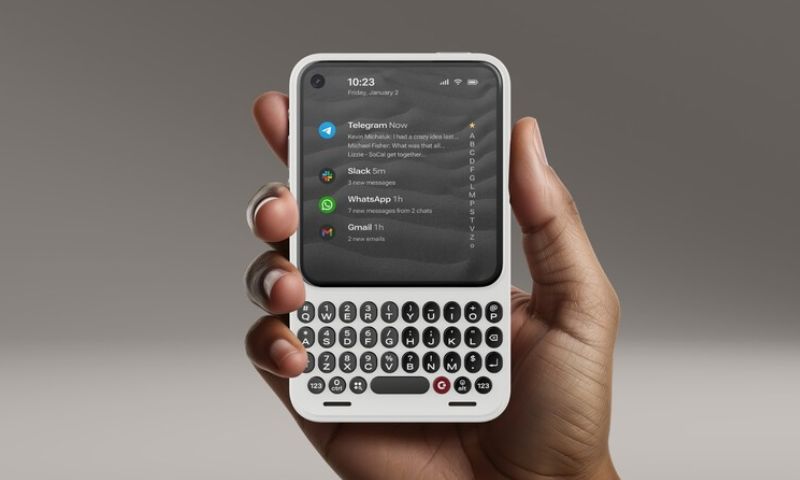
BlackBerry Is Back in Spirit: This New Android Device Revives the QWERTY Keyboard
For years, BlackBerry loyalists have waited for a smartphone that brings back the joy of real keys. In 2026, that nostalgia finally found a modern form. The Clicks Communicator, a new Android-based smartphone companion with a physical QWERTY keyboard, has emerged as a surprise hit at CES 2026, reigniting excitement among fans of tactile typing. The device is not a traditional phone replacement. Instead, the Clicks Communicator works as a smartphone companion that attaches to an existing Android phone. Once connected, it adds a full physical keyboard, transforming touchscreen-only devices into BlackBerry-style communication tools. According to early hands-on impressions, the design clearly targets users who value speed, accuracy, and comfort while texting or emailing. At CES 2026, journalists and tech reviewers spent time with working prototypes. Many noted that the keyboard felt responsive and familiar. Reviewers described the typing experience as closer to classic BlackBerry devices than any recent attempt to revive physical keys. The keyboard supports shortcuts, backlighting, and ergonomic spacing, features longtime BlackBerry users often miss. The company behind the device, Clicks, has been vocal about its mission. Its founders say modern smartphones prioritize consumption over communication. They argue that physical keyboards still matter for professionals, writers, and heavy texters who want precision without constantly correcting typos. Their goal, they say, is not nostalgia alone but productivity. Unlike past failed keyboard revivals, the Clicks Communicator avoids competing directly with mainstream smartphone brands. It runs on Android and integrates with existing phones rather than replacing them. This approach reduces cost and risk while allowing users to keep their preferred devices. Early reactions from BlackBerry fans have been enthusiastic. Many online commenters described the device as “the closest thing to a modern BlackBerry.” Tech reviewers also noted that younger users, who never owned a BlackBerry, showed curiosity after trying the keyboard at CES. However, challenges remain. The Communicator is still a prototype, and details about pricing, battery impact, and large-scale availability remain limited. Analysts caution that niche hardware must balance passion with practicality to succeed. Still, the early buzz is real. In an era dominated by glass slabs and voice input, the Clicks Communicator stands out by embracing something many thought was gone for good: the pleasure of real buttons.
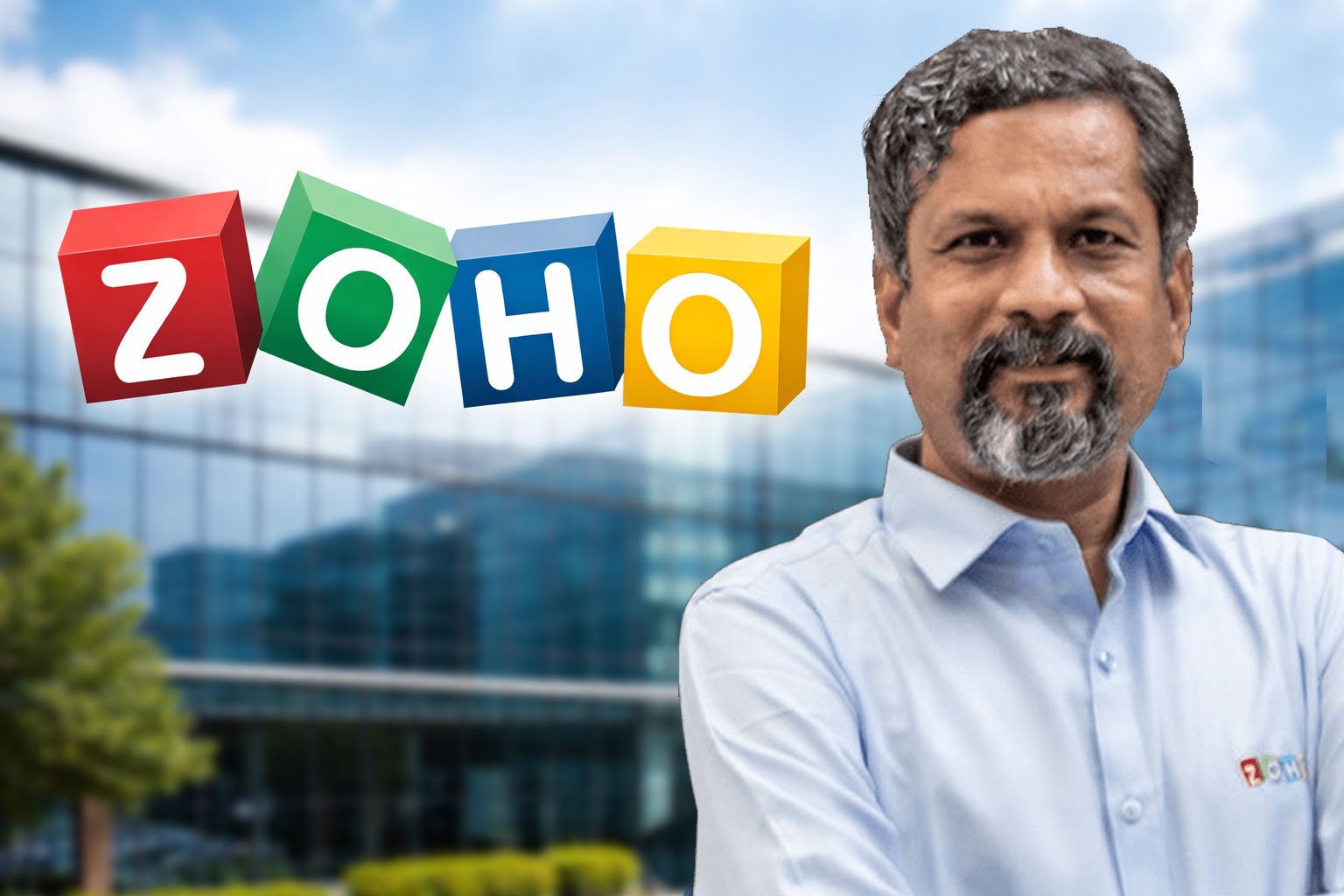
$1.7bn Bond Shock: Zoho Founder Faces Court Oversight as Divorce Dispute Deepens
A court in the United States has directed Sridhar Vembu, co-founder of software firm Zoho, to post a $1.7 billion bond as part of an ongoing divorce case, raising rare judicial scrutiny over corporate ownership and marital asset protection. The order, issued in January 2025 by the Superior Court of California, followed concerns that large financial and structural decisions involving Zoho-linked entities could impact the fair division of community property. The development was first reported by The News Minute. Court Cites Risk to Community Property In its ruling, the court said it was compelled to act after identifying potential risks related to asset movements made after divorce proceedings were initiated. It noted that these actions could undermine the financial interests of Vembu’s estranged wife, Pramila Srinivasan. To safeguard assets while the case proceeds, the court appointed a receiver to oversee certain Zoho-related companies and temporarily blocked a proposed corporate restructuring. According to the order, the court found reason to believe that decisions taken by Vembu — and by entities allegedly acting under his direction — could disadvantage Srinivasan’s stake in shared marital assets. Dispute Over Zoho Shareholding Srinivasan, an academic and entrepreneur based in the United States, alleged in filings submitted in November 2024 that Vembu transferred a significant portion of shares in Zoho’s US subsidiary to an entity controlled by one of his long-time associates. She claimed the transfer was structured in multiple phases and executed without disclosure. In a statement quoted by The News Minute, Srinivasan said she financially supported Vembu during Zoho’s early years, enabling him to leave paid employment and focus on building the company. She said she was taken by surprise to later learn that he claimed ownership of only a small percentage of the firm. Vembu has rejected these allegations, consistently stating that his personal stake in Zoho has always been limited to 5%, despite his role as co-founder and former chief executive. Wealth and Family Control According to the Forbes 2025 wealth rankings, Vembu and his siblings collectively hold a net worth of around $6 billion and control more than 80% of Zoho’s shares. Vembu and Srinivasan were married for nearly 30 years and raised a son in the United States. Vembu relocated to India in 2019, while divorce proceedings formally began in 2021. Who is Pramila Srinivasan Srinivasan holds a doctorate in Electrical and Computer Engineering and has spent much of her career working in healthcare technology, particularly in electronic medical records and specialised care systems. She is also the founder of The Brain Foundation, a US-based non-profit focused on autism research, treatment, and community support.

Lucky Investments Crosses Rs130bn AUM in Just One Year
Lucky Investments Limited has crossed Rs130 billion in assets under management (AUM) within its first year of operations, emerging as Pakistan’s fastest-growing Islamic asset manager and marking a rare achievement in the country’s financial sector. The company formally entered the market in April 2025 with the launch of its first product, the Lucky Islamic Money Market Fund (LIMMF). The debut proved historic. The fund’s initial public offering attracted record investor interest and became the largest mutual fund IPO in Pakistan, signalling strong demand for professionally managed, Shariah-compliant investment solutions. Speaking on the Rs130 billion milestone, Mohammad Shoaib, Chief Executive Officer of Lucky Investments, said the achievement reflected deep investor trust rather than short-term market sentiment. He noted that the company’s focus from day one was to offer transparent, low-risk, and fully Shariah-compliant products at a time when investors were actively seeking ethical financial alternatives. The CEO said the strong response to LIMMF showed that investors valued discipline and governance over aggressive return promises. He added that the company deliberately prioritized capital protection, liquidity, and compliance, especially during a period of economic volatility. Following the success of its first fund, Lucky Investments rapidly expanded its product portfolio. The firm launched additional Islamic investment funds, including fixed-term and income-oriented strategies, to cater to a wider range of investor needs. Each product was developed under strict Shariah oversight and aligned with regulatory requirements, helping maintain confidence as assets continued to grow. Industry participants say crossing Rs130 billion AUM within such a short span is rare for any asset manager, particularly a new entrant operating exclusively in Islamic finance. Analysts link the growth to a broader shift in Pakistan’s savings landscape, where investors are increasingly moving toward regulated Islamic mutual funds instead of informal or non-compliant options. Market experts also point out that the success highlights the untapped potential of Islamic asset management in Pakistan. With a large population seeking faith-aligned investment products, demand for credible and professionally run Islamic funds continues to rise. Looking ahead, company leadership has stressed a cautious and sustainable growth strategy. The focus, according to management, remains on expanding responsibly, strengthening investor education, and maintaining governance standards rather than chasing rapid expansion. For Pakistan’s Islamic finance industry, Lucky Investments’ Rs130 billion milestone is already being viewed as a defining moment.
