


Abu Dhabi and Dubai ranked among the world’s safest cities for solo travelers in 2025, according to a new study released by UK-based tour operator Travelbag. The report assessed global destinations based on daytime and nighttime safety scores, drawing on crime perception data and traveler feedback. Abu Dhabi recorded a daytime safety score of 92 and a nighttime score of 87, while Dubai posted scores of 91 during the day and 83 at night. The study cited low crime levels, public security measures, and monitored transport systems as key factors influencing the rankings. Abu Dhabi Tops the List Abu Dhabi placed first in the global ranking. The study noted that public areas, including waterfronts and major tourist sites, are generally regarded as safe for individuals traveling alone. Safety scores were supported by perceptions of police visibility, lighting in public spaces, and the use of surveillance technology. The report also referenced leisure and cultural locations that remain accessible during evening hours, contributing to higher nighttime safety scores. Dubai Ranks Second Dubai ranked second, supported by safety indicators linked to public transport, commercial districts, and tourist areas. The study found that theft and violent crime rates remain low compared to many global cities. Data used in the assessment indicated that walking alone at night and using public transport were perceived as relatively safe by residents and visitors. Top 10 Safest Cities for Solo Travelers According to the report, the top ten safest cities for solo travelers in 2025 are: Abu Dhabi, UAE Dubai, UAE Chiang Mai, Thailand Muscat, Oman Queenstown, New Zealand Seoul, South Korea Siem Reap, Cambodia Montreal, Canada Tokyo, Japan Phuket, Thailand Methodology and Broader Rankings The rankings were compiled using data from Numbeo’s Crime Index, which relies on crowd-sourced information related to crime levels, safety while walking alone, and risks of theft or assault. Other cities, including Doha and Sharjah, also featured in extended safety lists in related global studies but did not place in the top ten of this ranking. The report noted that while safety concerns linked to global travel persist, perceptions of personal security remain a significant factor influencing destination choices for solo travelers in 2025.

Stop Arguing, Start Understanding: How to Communicate Better Every Day
Clear communication is one of the biggest challenges in modern relationships. Small misunderstandings can quickly turn into heated arguments if emotions take over. Learning how to express thoughts calmly and respectfully can help people resolve issues without damaging trust. Good communication does not mean avoiding disagreements. It means handling them in a way that leads to understanding rather than conflict. Start With Intent, Not Emotion Many arguments begin because people react instead of responding. When emotions lead the conversation, logic often disappears. Experts recommend pausing before replying, especially during tense moments. This short break helps you gather your thoughts and choose words that explain rather than accuse. Entering a conversation with the goal of being understood — not winning — sets a calmer tone from the start. Use “I” Statements Instead of Blame One of the most effective tools for peaceful communication is using “I” statements. Saying “I feel ignored when messages go unanswered” works far better than “You never listen to me.” The first shares feelings. The second invites defensiveness. Psychologists note that people are more open when they don’t feel attacked. This small shift in wording can prevent arguments before they begin. Practice Active Listening Listening is just as important as speaking. Active listening means paying full attention without interrupting or planning your response. Simple actions like nodding, maintaining eye contact, and repeating key points show that you care about understanding. When people feel heard, they are less likely to raise their voice or escalate the discussion. Stay Calm and Manage Tone Tone often matters more than words. A calm voice and open body language signal safety, even during difficult talks. If emotions start rising, it is okay to suggest a short pause and return to the discussion later. Stepping back is not avoidance. It is emotional control. Address One Issue at a Time Arguments often grow because multiple complaints surface at once. This overwhelms both sides. Experts advise focusing on one topic per conversation. Solving one problem at a time keeps discussions clear and productive. Clarity reduces frustration. Choose the Right Time to Talk Timing plays a major role in communication success. Sensitive topics deserve calm moments, not rushed conversations. If either person feels tired, stressed, or distracted, it may be better to wait. The right time can turn a fight into a meaningful conversation. Why Better Communication Matters Healthy communication builds trust, reduces stress, and strengthens relationships at home and work. With patience and practice, anyone can learn to express themselves without arguing — and feel understood in the process.
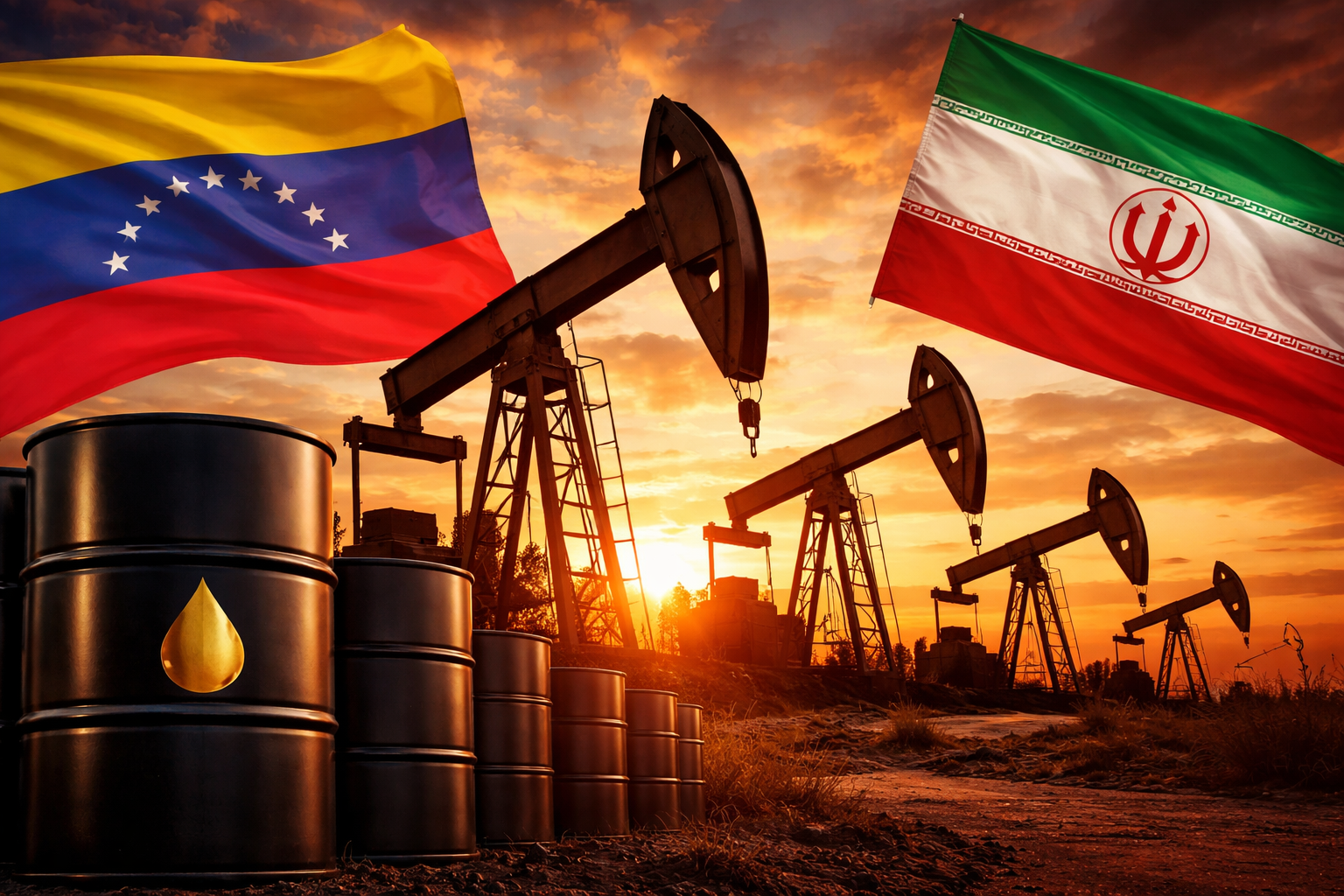
Crude Prices Climb as Venezuelan Oil Export Uncertainty and Iran Unrest Shake Markets
Oil prices climbed for a second straight session on Friday, positioning the market for a third consecutive weekly gain as traders weighed heightened geopolitical risk centered on Venezuela and growing unrest in Iran. Brent crude futures ticked up 0.71% to $62.43 a barrel, while U.S. West Texas Intermediate (WTI) crude rose 0.68% to $58.15 in early European trading. The uptick followed a rebound from recent losses, with Brent on track for about a 2.7% weekly advance and WTI up roughly 1.4% as concerns over future oil supplies intensified. Venezuela in Focus After U.S. Seizure of Maduro Market attention remains sharply focused on Venezuela after the U.S. captured President Nicolás Maduro in a high-profile operation earlier this month. The Trump administration has since signaled it will assert control over Venezuela’s oil production and exports, offering storage crude to global buyers and negotiating with U.S. traders including Chevron, Vitol, and Trafigura to move Venezuelan barrels. Traders say uncertainty about how stored Venezuelan crude will be sold — and whether inventories will be released quickly into the market — is keeping a geopolitical risk premium on oil prices. Iran Unrest Adds to Supply Risk Alongside Venezuelan tensions, unrest across Iran is adding to concerns about potential production disruptions. Nationwide protests over economic conditions have triggered internet blackouts and raised questions about the stability of Iran’s oil output. Analysts caution that unless Iran’s situation worsens significantly, the market’s rebound may prove limited, especially amid other factors weighing on crude. Oversupply and Inventories Still Key Bullish Check Despite geopolitical pressures, global oil inventories remain ample — a factor that could cap further gains in prices. Abundant supply from OPEC+ producers and rising stockpiles in consuming nations continue to exert downward pressure on crude markets. Energy analysts note that while headline risks are rising, structural oversupply and slower demand growth — driven by efficiency gains, alternative energy sources, and evolving consumption patterns — are keeping a lid on a more dramatic price surge. What’s Next for Oil Markets? Traders say the next major market catalysts will include: clarity on how Venezuelan crude will be marketed and delivered, further developments in Iran’s domestic unrest, and U.S. economic data related to oil demand and inventories. Absent significant escalation in supply disruptions, analysts believe the recent rebound may struggle to evolve into a sustained breakout rally.
