

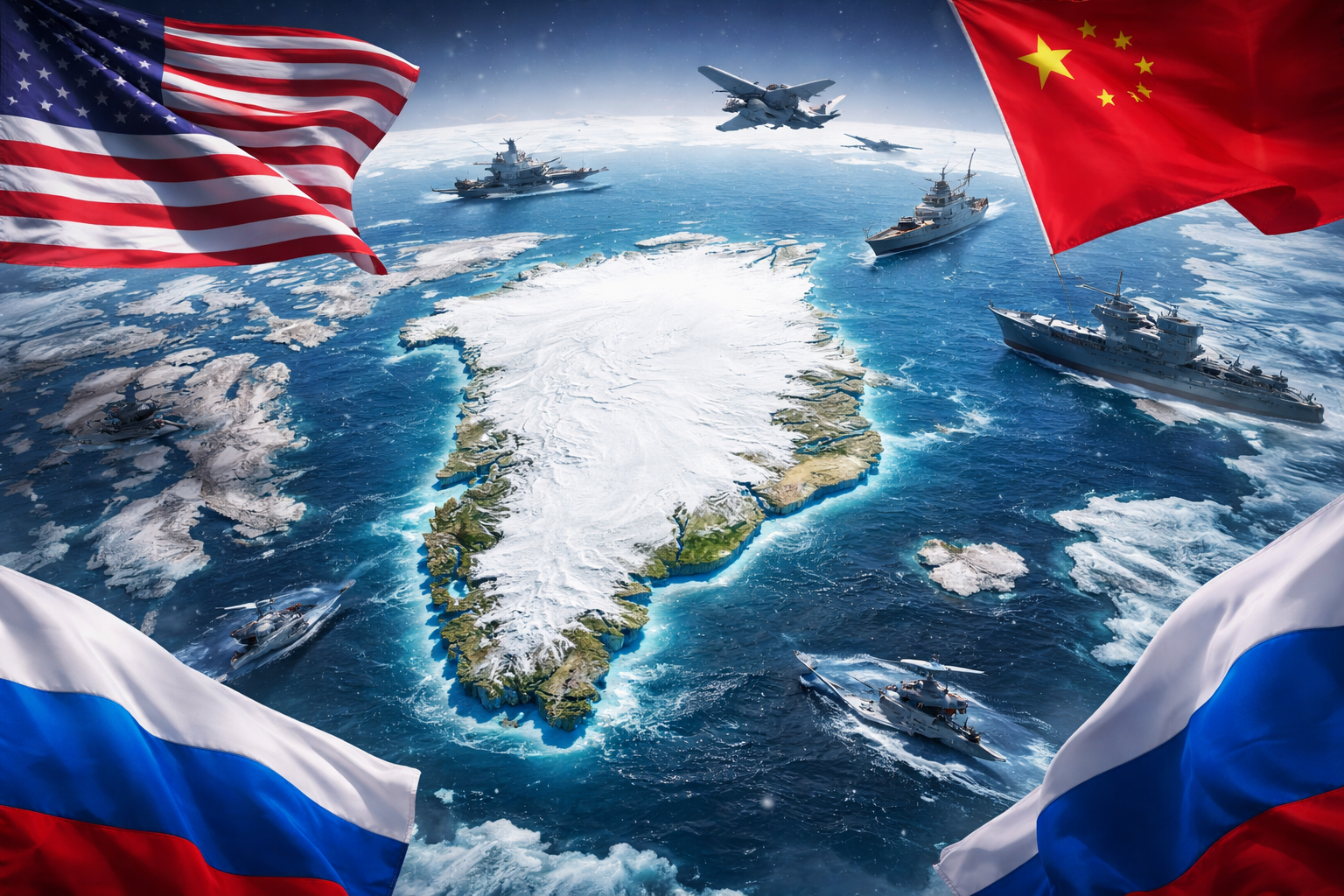
Greenland has emerged as an unlikely but critical focal point in global geopolitics, drawing the attention of the United States, Russia, and China. While it is sparsely populated and largely covered in ice, the world’s largest island holds strategic value far beyond its size — a fact increasingly shaping international competition in the Arctic. Recent remarks by US President Donald Trump have once again thrust Greenland into the spotlight. Trump has repeatedly argued that the United States must ensure Greenland does not fall under the influence of rival powers, particularly Russia and China, warning that losing ground in the Arctic would threaten American security interests. Greenland isn’t a joke anymore. “Easy way or hard way.” That’s not talk. That’s intent. Who blinks first? • Does Denmark concede expanded U.S. basing rights? • Does Greenland block cooperation and escalate? • Does NATO formalize Arctic security guarantees? • Does China… pic.twitter.com/AUrf9Lj1rf — BRKT 👑 (@BRKTgg) January 10, 2026 But the strategic interest in Greenland did not begin with political rhetoric. It is rooted in geography, security, and resources. A Strategic Arctic Crossroads Greenland sits at a vital junction between North America and Europe, overlooking key air and sea corridors in the North Atlantic and Arctic. As climate change continues to reduce ice coverage, the Arctic is becoming more accessible, increasing its importance for shipping routes, military movement, and surveillance. Control or influence over Greenland offers a commanding position in this rapidly evolving region. A Pillar of US Defence The United States already maintains a long-standing military presence in Greenland through the Pituffik Space Base, a critical installation for missile detection, space monitoring, and early-warning systems. This base forms part of the broader North American defence shield and plays a role that cannot easily be replicated elsewhere. For Washington, Greenland is not just territory — it is a cornerstone of strategic defence planning. Russia and China’s Growing Arctic Interest Russia has steadily expanded its Arctic military infrastructure, reopening Cold War-era bases and increasing patrols along northern routes. China, meanwhile, has adopted a long-term economic and scientific approach, declaring itself a “near-Arctic” stakeholder and investing in research, infrastructure projects, and potential future shipping lanes linked to its global trade ambitions. While China has no territorial claims in the Arctic, Western analysts increasingly view its presence as part of a broader strategy to secure influence over future trade routes and critical resources. Hidden Wealth Beneath the Ice Greenland is believed to hold significant reserves of rare earth minerals and other critical resources essential for modern technologies, renewable energy systems, and defence industries. As countries seek to reduce dependence on limited supply chains, Greenland’s resource potential has become increasingly attractive — despite the high costs and environmental challenges of extraction. Sovereignty Still Matters Despite external interest, Greenland remains a self-governing territory within the Kingdom of Denmark, and its leaders have firmly rejected the idea that the island is open for acquisition or external control. Greenlandic officials have consistently stressed that decisions about the island’s future will be made by its people, not foreign powers. The Bigger Picture Greenland’s rising profile reflects a larger shift in global power dynamics. As the Arctic transitions from a frozen frontier to a contested strategic zone, competition among major powers is intensifying. Geography, defence, resources, and climate change have combined to transform Greenland from a remote landmass into a geopolitical prize. Whether through diplomacy, defence cooperation, or economic engagement, one reality is clear: Greenland is no longer on the margins of global politics — it is firmly at the centre of a new Arctic rivalry.
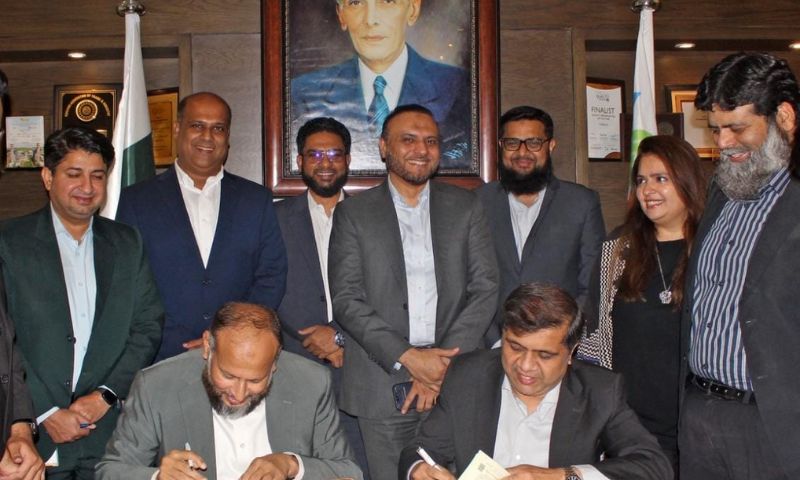
Naya Nazimabad, K-Electric Sign Deal for Massive 189MW Grid Station
Naya Nazimabad has entered into a landmark agreement with K-Electric (KE) to develop a 132 kV grid station, a move set to significantly strengthen power infrastructure for one of Karachi’s fastest-growing housing communities. Under the agreement, Naya Nazimabad will construct the grid station in line with NEPRA’s Competitive and Sponsor Model (CSM) as a Sponsor Dedicated Distribution System. Once fully operational, the facility will deliver one of the largest private housing grid capacities in the city, with a maximum load of 189 megawatts (MW). The project will be rolled out in phases. In the first phase, the grid station will energize 60 MW of peak power, ensuring immediate relief for residents and businesses. Capacity will then be expanded to 189 MW in the second phase, matching the society’s long-term growth trajectory. Unlike conventional dedicated power setups, the new grid station will offer shared infrastructure, optimized electricity distribution, and improved reliability. This design will support thousands of households, commercial outlets, and community facilities, aligning with KE’s broader goal of enabling modern urban living. Commenting on the partnership, Moonis Alvi, CEO of KE, said: “This partnership is about energizing a future-ready Karachi. By delivering reliable power through a grid station, we are enabling thousands of families to experience modern living while supporting the city’s economic and social growth. KE remains committed to building solutions that anticipate and meet the evolving needs of our communities.” From the developer’s perspective, uninterrupted energy supply remains a core requirement. Abdus Samad Habib, CEO of Naya Nazimabad, said: “Naya Nazimabad is envisioned as a complete lifestyle destination, and uninterrupted energy is vital to realizing this vision. Our collaboration with KE ensures that residents enjoy world-class amenities powered by a robust and sustainable energy supply. The grid station further strengthens our infrastructure, making Naya Nazimabad a model for future urban developments in Pakistan.” Beyond current demand, the 132 kV grid station will also support Naya Nazimabad’s long-term expansion plans, including new residential blocks, commercial zones, and recreational facilities. The agreement reflects a broader trend of private-sector confidence in KE’s power network, particularly among large developments and industries seeking reliable and cost-competitive electricity. It also highlights a forward-looking model in which customers invest in their own grid infrastructure to meet specialized operational needs while remaining integrated with the utility’s system.
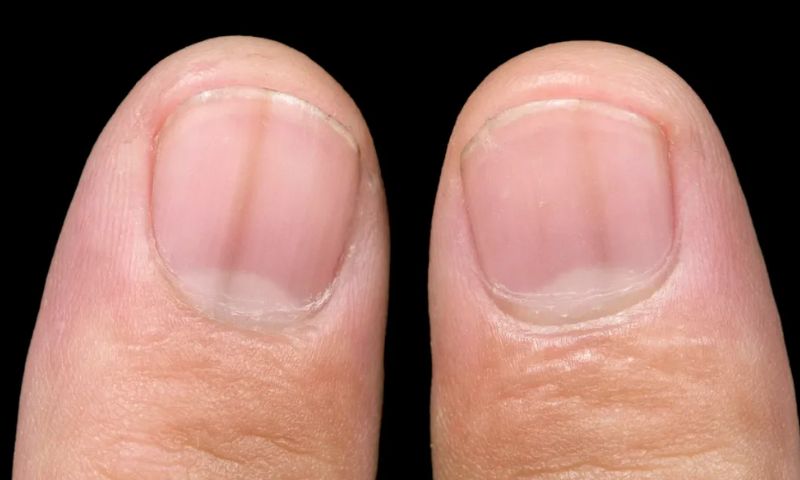
Black Lines on Nails: Harmless or Warning Sign? Experts Explain
A simple photo of faint black lines on a woman’s nails sparked widespread concern after going viral on Reddit this week. The image, which showed thin vertical dark lines on both a thumb and a toe nail, drew urgent comments suggesting the markings could be a sign of aggressive skin cancer rather than a harmless cosmetic oddity. The viral post quickly raised questions about what those dark marks could mean. Some Reddit users warned the lines might indicate subungual melanoma, a rare but serious type of skin cancer that develops under the nail. Others urged calm, pointing out that most lines of this kind are harmless and related to common, benign causes. Medical experts say that dark vertical lines on nails can arise from a range of causes. One possibility is melanonychia, which refers to brown or black pigmentation in or under a nail. Melanonychia may be harmless, caused by pigment deposits from genetics, minor trauma, or repeated pressure on the nail. However, it can also be linked to melanoma of the nail unit. Subungual melanoma often first appears as a dark streak running from the base toward the tip of one nail. Over time it may widen and extend to surrounding skin — signs that should prompt urgent medical evaluation. This condition is rare, accounting for a small percentage of melanoma cases, but it can be serious if not detected early. Most dark lines, however, have benign explanations. A common cause is splinter hemorrhage, tiny streaks of blood under the nail caused by minor injury or trauma to small blood vessels beneath the nail bed. These usually grow out over time and are not dangerous. Other harmless factors can trigger melanonychia. These include repeated friction from shoes, nail picking, or even certain medications. People with darker skin tones often show benign pigmented lines without underlying disease. Doctors advise caution when noticing unusual nail changes, especially if the dark line is new, widening, thick, or present on a single fingernail or toenail. They also recommend seeking professional evaluation if the line spreads into surrounding skin, the nail becomes deformed, or other symptoms appear. Dr. Dermatologists emphasise that early diagnosis matters. While benign nail changes may resolve on their own or with simple care, melanoma requires prompt treatment for the best outcomes. A healthcare provider can assess the risk and, if needed, perform tests like dermoscopy or biopsy to determine the cause. The Reddit thread shows how easily benign health observations can trigger concern online. Still, it underscores a key message: pay attention to your body, and consult a medical professional when you’re unsure about changes to your nails or skin.

Before Bugatti and Rolls-Royce, Cristiano Ronaldo’s First Car Was a Suzuki Swift
Today, Cristiano Ronaldo is synonymous with excess and excellence. His garage reportedly houses some of the world’s most exclusive machines—Bugattis worth millions, bespoke Ferraris, and ultra-luxury Rolls-Royces. The “CR7” brand represents peak success, power, and polish. But long before the supercars, private jets, and record-breaking contracts, Ronaldo’s first taste of automotive endorsement was far more down to earth. His earliest car partnership wasn’t with an elite luxury brand. It was with a compact hatchback built for everyday roads: the Suzuki Swift. A Snapshot From 2004 Rewind to 2004. Ronaldo was just 19 years old and newly signed by Manchester United. He was raw, electric, and instantly recognisable—bleached tips, flashy boots, and fearless confidence. Football fans could sense something special was coming, even if the trophies were still years away. Around the same time, Suzuki was introducing a new generation of the Swift. It wasn’t designed to impress with luxury or size. Instead, it focused on agility, affordability, and fun behind the wheel. For Suzuki, the goal wasn’t prestige—it was personality. That’s where Ronaldo fit perfectly. Why the Match Made Sense On the surface, a future football icon and a modest hatchback might seem like an odd pairing. In reality, it was smart branding on both sides. Ronaldo’s game was built on speed, sharp movement, and flair. The Swift was marketed around nimble handling and urban performance. Both were young, energetic, and aimed at a new generation. Neither was trying to be traditional. Both were trying to stand out. It wasn’t about luxury. It was about momentum. Two Very Different Journeys—Same Outcome What makes the story compelling is what followed. Ronaldo went on to redefine modern football, collecting five Ballon d’Or trophies and becoming one of the most recognisable athletes in history. Meanwhile, the Suzuki Swift quietly built its own legacy. Over the years, it evolved into one of the world’s most successful compact cars, recently surpassing 10 million units sold globally. While Ronaldo dominated stadiums, the Swift conquered city streets. Both succeeded by mastering their lane. The Bigger Takeaway In an era obsessed with instant luxury and online flexing, this early chapter of Ronaldo’s career is a reminder that greatness often starts with practical choices. The Swift wasn’t a compromise—it was a smart, focused product that delivered exactly what it promised. Ronaldo moved on to hypercars. The Swift stayed true to efficiency, reliability, and fun. Decades later, both are still relevant, respected, and iconic. Legends don’t always begin in supercars. Sometimes, they start in a Swift.

OpenAI’s Vision for 2026: ChatGPT to Become a Personal Super Assistant
OpenAI is preparing to redefine what people expect from artificial intelligence, with plans to turn ChatGPT into something far more powerful than a question-answering tool. By 2026, the company envisions ChatGPT functioning as a personal “super assistant” that actively helps users manage their lives, rather than simply responding to prompts. The strategy is being driven by Fidji Simo, who oversees OpenAI’s applications division. In a recent post, Simo described a future in which ChatGPT becomes deeply aware of users’ goals, remembers important context over time, and plays an ongoing role in helping people move forward in their personal and professional lives. Rather than operating as a standalone chatbot, the next generation of ChatGPT is expected to behave more like a smart digital partner. It could track long-term objectives, adapt to individual preferences, and offer timely suggestions instead of waiting for instructions. OpenAI’s broader ambition is to make the assistant feel less transactional and more supportive—something users rely on regularly, not just when they need quick answers. Today, ChatGPT is commonly used for writing help, explanations, and basic productivity tasks. OpenAI wants to expand that role so the system can assist with planning work, organising daily responsibilities, learning new skills, and managing personal projects over extended periods. The company believes this shift will make AI more practical and meaningful in everyday life. Collaboration is also expected to be a key focus. OpenAI is exploring features that allow shared conversations and teamwork, enabling users to work together more effectively with AI support. Improvements are also planned in areas such as education, writing, health-related guidance, shopping decisions, and personal finance—fields where consistent assistance can make a real difference. Businesses stand to benefit as well. OpenAI is positioning ChatGPT as a productivity tool for offices, where it could help draft documents, analyse information, support coding tasks, and reduce routine workloads. In this vision, ChatGPT would act like a digital colleague that understands workflows and adapts to organisational needs. Developers will be encouraged to build new services and tools around these capabilities. However, the plan comes with challenges. Advanced AI systems require significant resources, and OpenAI must ensure that the added intelligence translates into clear, practical value. Simo has acknowledged that turning cutting-edge AI into products people are willing to pay for is complex, but critical for the company’s future. If OpenAI succeeds, ChatGPT’s role could shift dramatically over the next few years. By 2026, it may no longer feel like just another app on a screen, but a constant digital companion—one that helps users stay organised, focused, and productive across all aspects of life.
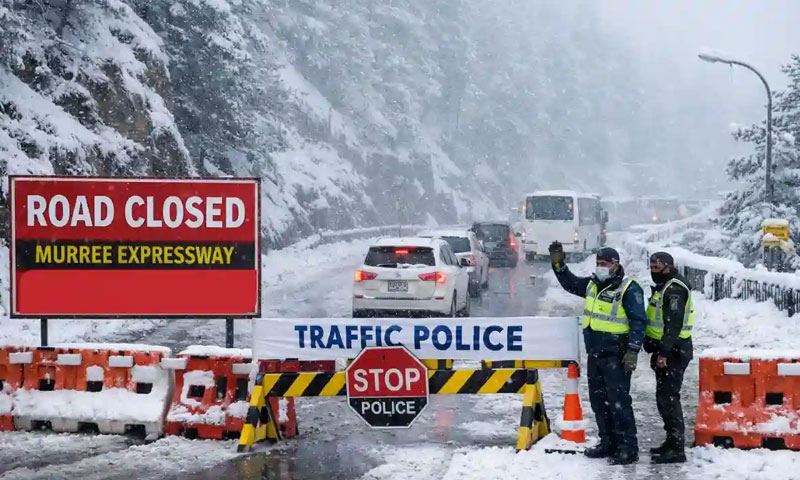
Murree Traffic Police Launch Free Vehicle Recovery Service for Tourists, Residents
City Traffic Police Murree has introduced a free vehicle recovery service for both residents and tourists, aiming to keep traffic moving smoothly and provide quick help during emergencies across the hill station. The initiative has been launched on the special instructions of Maryam Nawaz Sharif and is part of broader efforts to improve public service delivery in Murree, especially during peak tourist seasons. The programme was made possible through the deployment of modern recovery vehicles, following the efforts of Dr Usman Anwar and Waqas Nazir, according to a spokesperson for the City Traffic Police. Under the new service, motorists facing vehicle breakdowns or accidents anywhere in Murree or its surrounding areas can receive recovery assistance at no cost. Faulty or damaged vehicles will be transported by City Traffic Police recovery trucks to the nearest workshop to prevent road blockages and traffic congestion. Chief Traffic Officer Murree Imran Razaq said the service is designed to provide immediate relief to citizens and tourists alike. He added that the move would help reduce long traffic jams caused by stalled vehicles, a common problem on Murree’s narrow and busy roads. Highlighting the effectiveness of the initiative, the CTO referred to a recent incident involving a tourist from Lahore whose vehicle broke down on Bariyan Road while he was returning from Ayubia. After contacting the traffic control room at 051-9269200, a traffic sergeant was immediately dispatched to the location, followed by a recovery vehicle. The City Traffic Police team safely shifted the vehicle to a nearby workshop, resolving the situation without causing traffic disruption. The tourist later expressed appreciation for the swift response, thanking the Punjab chief minister and senior police officials for providing timely assistance that spared him significant inconvenience. Officials said the free recovery service will remain available to all residents and visitors in Murree and is part of ongoing efforts to strengthen emergency response, improve traffic management, and enhance the overall experience for tourists visiting the hill resort.
Pakistan Advises Nationals to Avoid Travel to Iran Amid Nationwide Protests
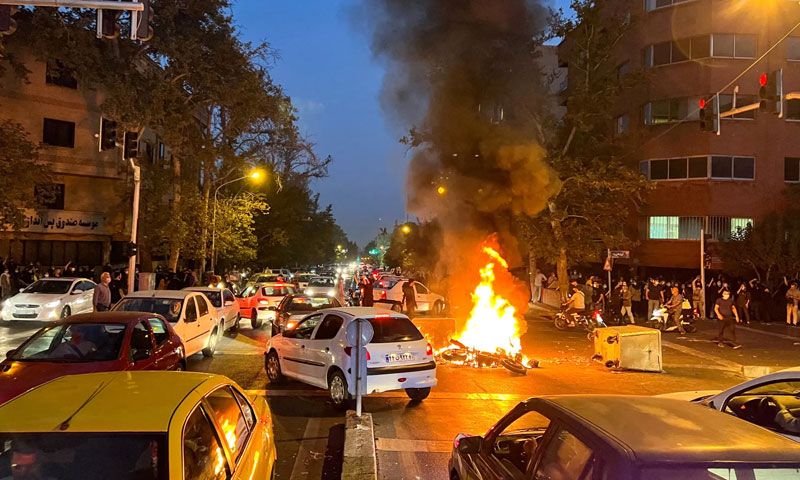
Pakistan Foreign Office has issued a fresh travel advisory urging Pakistani citizens to avoid all non-essential travel to Iran amid widening anti-government unrest across the country. In an official statement released on Saturday, Foreign Office Spokesperson Tahir Andrabi said the advisory was issued purely in the interest of public safety, as the situation inside Iran continues to evolve rapidly. Pakistani nationals currently residing in Iran have been advised to remain extremely cautious, limit movement to essential needs only, and stay alert to local developments. The spokesperson also urged citizens to maintain close contact with Pakistan’s diplomatic missions in Iran and to use emergency helplines whenever assistance is required. The Pakistani embassies in Tehran, Zahidan, and Mashhad have been instructed to remain accessible to citizens during this period of instability. Contact numbers for landline and mobile services have been shared to ensure round-the-clock communication and support. The advisory comes as protests that initially erupted in Tehran last month have now spread across all 31 provinces of Iran, signalling a deepening national crisis. What began as economic anger—particularly among shopkeepers in Tehran’s historic Grand Bazaar over the sharp depreciation of the Iranian rial—has expanded into broader demonstrations against the government. Unlike earlier protest movements, analysts note that the current wave is being driven largely by young men, rather than women and girls who were central to the Amini protests. Observers say this shift reflects a wider base of dissatisfaction within Iranian society. At the same time, Iran’s leadership is facing increasing international scrutiny, while domestically struggling to contain growing unrest. Political analysts argue that the developments point to a widening crisis of legitimacy for the ruling clerical establishment. According to the US-based Human Rights Activists News Agency (HRANA), at least 34 protesters and four members of security forces have been killed so far. The agency also reports that more than 2,200 people have been arrested during the demonstrations, underlining the scale of the unrest and the force used to suppress it. Given the volatile situation, Pakistani authorities have reiterated their call for caution, advising citizens to prioritise safety until conditions stabilise. Embassy Contact Numbers for Pakistani Nationals in Iran Embassy of Pakistan – Tehran☎ +98-21-66-9413-88 / 89 / 90 / 91 (Landline)☎ +98-21-66-9448-88 / 90 (Landline)📱 +98 910 764 8298 (Mobile) Consulate of Pakistan – Zahidan☎ +98 54 33 22 3389 (Landline)📱 +98 904 614 5412 (Mobile) Consulate of Pakistan – Mashhad📱 +98 910 762 5302📱 +98 937 180 7175
Global Creators Selected for MrBeast Kindness Campaign After 177,000 Entries
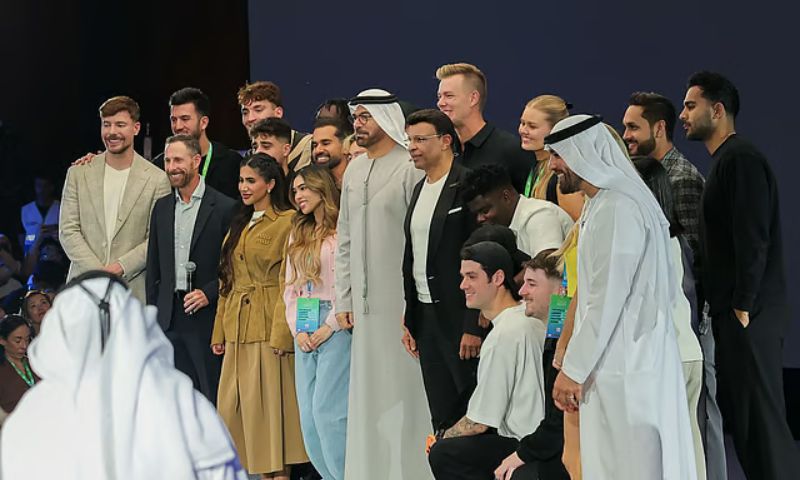
Dubai witnessed a powerful moment in the creator economy this January as YouTube sensation MrBeast unveiled the winners of his 1 Billion Acts of Kindness global initiative at the 1 Billion Followers Summit 2026. The campaign aims to harness digital influence for real-world impact. The initiative received over 177,000 submissions from creators across the globe. From this massive pool, ten standout creators were selected for their authentic, compassionate, and community-driven content. Winners include Priya and Sid, The World Sucks, Walid Elmusrati, Ella Loren Y. Bulatao, Andy Studio, Ousamma Mahreez, Godfrey Wavonya, and Majd Alzakout, among others. The winning creators will now travel to Ghana with MrBeast to take part in a humanitarian project focused on building facilities that address long-term community needs. Plans include schools, clean water access, essential infrastructure, and sustainable support for local families. The entire journey and work will be documented and shared on MrBeast’s platforms, reaching millions globally. Launched on 7 November 2025, the 1 Billion Acts of Kindness campaign grew out of a partnership between MrBeast, the Varkey Foundation, and Mohammed bin Rashid Al Maktoum Global Initiatives (MBRGI). The programme invited creators to submit videos showcasing acts of kindness they performed in their own communities. Entries had to use hashtags #1BKindness and #1BillionSummit and demonstrate sincere impact rather than just popular reach. The broader aim of the initiative is to foster a global culture where digital content not only entertains but inspires compassion, unity, and service. MrBeast told creators that influence goes beyond numbers and should be used to uplift lives and spark meaningful change. MrBeast’s work already reflects this philosophy. In his speech at the summit, he emphasised the importance of using platforms responsibly. He shared personal examples, including funding medical procedures that helped over a thousand people regain sight and thousands more hear again, highlighting how digital creators can support real needs. The Dubai summit itself is one of the world’s largest gatherings of creators, with 15,000 influencers whose combined audience exceeds 3.5 billion followers. The event celebrates digital creativity while championing purpose-driven content and collaboration on global issues. For the ten selected creators, this project is an opportunity to turn online storytelling into tangible action. Their work in Ghana will show how digital influence can help address real-world challenges and inspire audiences to think beyond clicks and views.
Energy Sector Alert: Mohammad Khalid Rehman Steps in as PPL’s Interim Chief
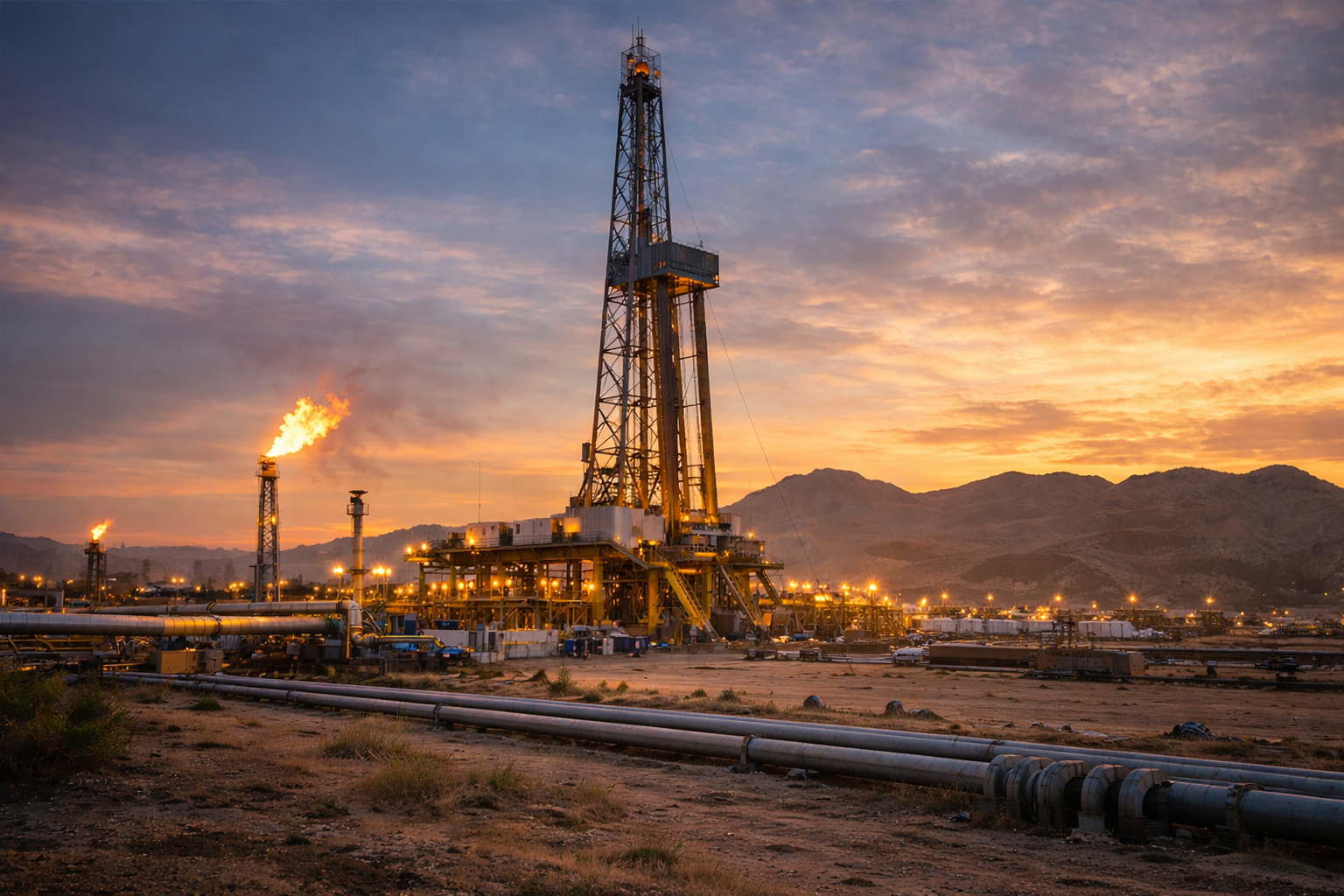
Pakistan’s largest listed exploration and production company, Pakistan Petroleum Limited (PPL), announced a key leadership change this week that caught the attention of the energy sector, investors, and market analysts. On January 9, 2026, PPL’s Board of Directors approved the appointment of Mohammad Khalid Rehman as Chief Executive Officer (CEO) and Managing Director on an interim basis. The move takes effect from January 10, 2026, and will remain until a permanent CEO is named or for a period of three months, whichever comes first. Rehman brings more than 30 years of national and global experience to the role. He first joined PPL in 2009 as Chief Accountant and steadily rose through senior finance positions. In April 2022, he was promoted to Chief Financial Officer (CFO), reflecting deep expertise in corporate finance and strategic planning. PPL plays a critical role in Pakistan’s energy ecosystem. The company explores, develops, and produces oil and natural gas to support the nation’s energy needs. It operates major fields including the Sui gas field, among others, and contributes significantly to domestic natural gas production. Rehman replaces Sikandar Ali Memon, who had held the CEO post since September 2025. Memon’s tenure was notably brief, and the interim label on Rehman’s appointment reflects PPL’s ongoing search for long-term leadership stability. The company did not disclose reasons behind the leadership transitions. This appointment comes at a time when state-linked enterprises face heightened scrutiny over governance and performance. Many are navigating profit pressures, fluctuating oil prices, and operational challenges in the broader energy market. Market watchers see Rehman’s strong financial background as a stabilizing asset during this transition. His deep knowledge of PPL’s operations and finances could help sustain investor confidence while the Board conducts a broader search for a permanent CEO. PPL’s interim leadership change marks a key moment in Pakistan’s oil and gas sector. It underscores the importance of experienced leadership in guiding major state-linked firms through an era of economic and energy transformation.
Turkiye in Advanced Talks to Join Saudi-Pakistan Military Alliance: Report
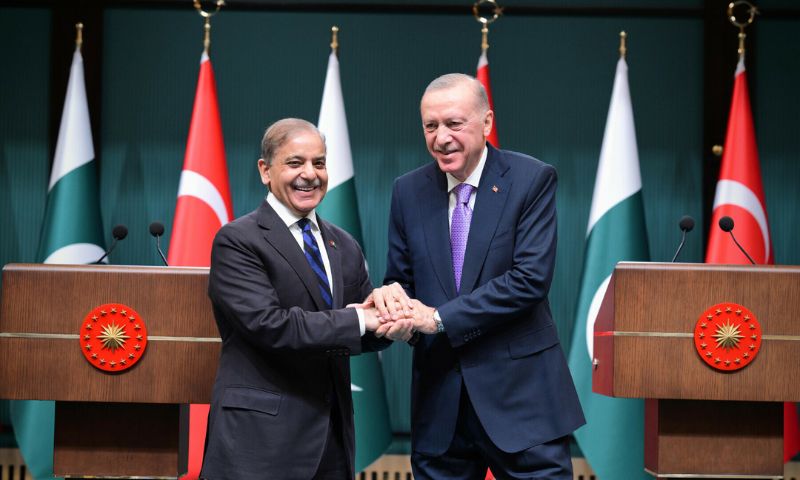
Turkiye is in advanced negotiations to join the Strategic Mutual Defence Agreement (SMDA) originally signed by Saudi Arabia and Pakistan in September 2025. The potential expansion comes as regional powers reassess alliances amid shifting global security dynamics. Under the existing pact, a military attack on one signatory is treated as an act of aggression against both. That wording is similar to Article 5 of the NATO treaty, which sees such collective defence commitments as deterrence mechanisms. Bloomberg first reported this week that Ankara’s talks with Riyadh and Islamabad have reached an advanced stage. Sources familiar with the matter told the agency that a deal is “highly likely.” So far, none of the three governments has publicly confirmed the negotiations. Turkiye’s interest in joining reflects a growing desire to diversify security ties. Ankara has expressed concerns about the reliability of traditional Western security guarantees and sees value in strengthening cooperation with Muslim-majority allies. Its interests overlap with Saudi Arabia and Pakistan across South Asia, the Middle East, and Africa. Pakistan and Turkiye already share a long record of military collaboration. Ankara supplies naval corvettes to the Pakistan Navy and has upgraded dozens of Pakistani F-16 fighter jets. Turkiye also shares drone technology with both Saudi Arabia and Pakistan. Ankara is reportedly looking to involve its partners in its Kaan fifth-generation fighter jet programme, expanding defence technology cooperation even further. The original Strategic Mutual Defence Agreement was signed on 17 September 2025 at Al-Yamamah Palace in Riyadh by Pakistan’s Prime Minister Shehbaz Sharif and Saudi Crown Prince Mohammed bin Salman. The deal formalised a long-standing security partnership into a binding defence commitment. The pact has drawn attention beyond the signatories. Analysts see it as a strategic response to evolving regional threats and declining confidence in traditional security backers. Some observers view the agreement as a signal of shifting alliances across the Islamic world. If Turkiye formally joins, the alliance would extend from being a bilateral pact into a broader security framework. This could reshape geopolitical dynamics in the Middle East and beyond. A trilateral defence alignment would bring together Saudi Arabia’s financial influence, Pakistan’s military capabilities, and Turkiye’s extensive defence industry. For all three nations, the move underscores an era of strategic recalibration, where traditional ties are balanced with emerging regional partnerships.
