


For decades, the idea of a friendly robot butler handling boring household chores lived firmly in science fiction. In 2026, that vision is beginning to take physical shape. Thanks to rapid advances in artificial intelligence and robotics, the first generation of truly multi-purpose domestic robots is preparing to enter homes slowly, carefully, and with human help still firmly in the loop. In Silicon Valley, start-ups are racing to train robots to fold laundry, load dishwashers, water plants and clean kitchens. The promise is bold. The reality, for now, is more cautious. At Tangible AI, a young start-up, its robot Eggie can hang up jackets, strip beds and wipe spills. Standing around 4.5 feet tall, Eggie moves on wheels and performs tasks with bulky robotic arms. The actions are impressive but slow. Crucially, Eggie is remotely controlled by a human operator, a fact largely absent from promotional videos. Bipasha Sen, founder of Tangible AI, remains confident. “Today people have two aspirations — a car and a house. In the future they’ll have three aspirations — a car and house and a robot,” she says. A similar story plays out at 1X, a robotics firm backed by Nvidia. Its humanoid robot NEO can water plants, fetch drinks and tidy dishes, although it struggles with cupboard handles. Norwegian CEO Bernt Børnich admits the system relies on both autonomy and human intervention. “We have a lot of data so a lot of the stuff in my home can get automated but periodically someone kind of steps in and helps,” he says. NEO is expected to cost around $20,000 or $500 per month, limiting early adoption to wealthy customers who are comfortable with remote human oversight. Elsewhere, Weave Robotics has taken a narrower approach. Its stationary robot Isaac is already operating autonomously in San Francisco laundromats, folding T-shirts in about 90 seconds. “Deployment is the strategy,” says co-founder Evan Wineland. At Sunday AI, engineers demonstrated Memo, a robot capable of clearing tables and making coffee without human control — although it did break a wine glass during testing. Co-founder Tony Zhao explained how wearable gloves help gather real-world training data from hundreds of homes. Meanwhile, Physical Intelligence is focusing on robot “brains” rather than bodies. Backed by investors including Jeff Bezos and OpenAI, the company aims to create AI that can power any physical robot. “We want to be able to breathe intelligence into any sort of physical embodiment,” says co-founder Chelsea Finn. Despite massive investment and growing competition from China, experts remain cautious. The International Federation of Robotics estimates it could take 20 years before domestic robots become truly useful and widely accepted. For now, robot housekeepers are no longer fantasy but they are not yet independent helpers either.
PTCL Announces Key Board Change as Telecom Giant Integrates Telenor Pakistan
Pakistan Telecommunication Company Limited (PTCL), the country’s oldest and one of its largest telecommunications firms, has announced a change in its board leadership, signaling a fresh phase in its post-merger corporate strategy. The company disclosed in a notice to the Pakistan Stock Exchange (PSX) that Abdulrahim A. Al Nooryani resigned from the Board effective January 1, 2026. He was replaced by Khalifa Al Shamsi. The management update underscores broader shifts at PTCL as it continues to integrate major assets and position itself for future growth following large structural changes in Pakistan’s telecom sector. Founded in 1995, PTCL provides a range of telecommunications services, including domestic and international fixed-line telephony, broadband, and digital solutions across the country. This board change follows a series of leadership transitions in recent years. In March 2025, PTCL appointed Zarrar Hasham Khan as chairman, replacing his predecessor in a decision likewise communicated via PSX notices. Such frequent shifts at the top reflect PTCL’s attempt to steer its strategy amidst evolving competitive and regulatory pressures. Behind this latest board reshuffle lies PTCL’s completion of its acquisition of Telenor Pakistan and Orion Towers in December 2025, adding significant mobile and tower infrastructure to its portfolio. The acquisition, valued at roughly $400 million, gained conditional approval from the Competition Commission of Pakistan (CCP) and regulatory consent from the Pakistan Telecommunication Authority (PTA) before closing at year-end. Telenor Pakistan, now a PTCL subsidiary, serves over 42 million subscribers, including about 27 million 4G users, marking one of the nation’s biggest telecom transitions. Industry experts say the combined entity aims to harness synergies, expand network reach and improve digital service offerings. Analysts have noted that the consolidation could help PTCL compete with rivals like Zong, which emphasizes innovation and customer experience. The board change comes at a time when PTCL is also steering through challenging business conditions. In 2024 the company posted substantial losses, even while revenue and gross profits rose — a sign of the broader pressures facing telecom operators. Investors and industry watchers will be closely following how Khalifa Al Shamsi and the broader board guide PTCL into 2026. With network integration, competitive service-offerings and digital expansion at stake, leadership stability and strategic clarity could prove critical for sustaining growth and shareholder confidence in Pakistan’s dynamic telecom landscape.

China Develops World’s First Software to Keep Time on the Moon
Chinese scientists have developed the world’s first dedicated software system for tracking time on the Moon, a breakthrough that could play a critical role in the next phase of lunar exploration as multiple missions prepare to operate simultaneously on the lunar surface. Researchers from Purple Mountain Observatory have created a high-precision model that accounts for the Moon’s unique gravitational environment and orbital motion. Unlike Earth, time on the Moon runs slightly faster — by around 56 microseconds per day — a difference explained by Einstein’s theory of general relativity. While imperceptible in everyday life, such discrepancies can cause serious errors in spacecraft navigation and landing systems. The newly released software, known as LTE440 (Lunar Time Ephemeris), converts these complex relativistic effects into a practical, automated tool. Instead of relying on manual corrections based on Earth time, mission planners can now directly compare lunar time with terrestrial clocks in a single step. According to the research team, the system can maintain accuracy within tens of nanoseconds over a period of 1,000 years, making it suitable for long-term lunar operations. The findings were published in the peer-reviewed journal Astronomy and Astrophysics in December. Why lunar time now matters For decades, space missions simply followed Earth-based time standards, applying occasional adjustments when necessary. However, experts say that approach is no longer sufficient. With several spacecraft — and eventually humans — expected to operate on the Moon at the same time, a unified and reliable lunar time reference has become an engineering necessity. Harvard-based astronomer and space historian Jonathan McDowell noted that even a one-microsecond timing error could translate into meaningful navigation mistakes. He said that any future lunar positioning system — effectively a “GPS for the Moon” — would depend on extremely precise and shared timekeeping. McDowell added that while similar research is being conducted in the United States, no other publicly accessible lunar timekeeping software currently exists. He described the Chinese release as timely, given the increasing complexity of planned Moon missions. Part of a broader global effort The development comes amid a renewed global push toward long-term lunar presence. The US-led Artemis programme, China’s Chang’e missions, and private companies such as SpaceX are all planning sustained activity around and on the Moon. Acknowledging this momentum, the International Astronomical Union introduced a formal framework in 2024 for a dedicated lunar time reference — often described as a future “Moon Standard Time.” The LTE440 software builds on that framework, translating theoretical models into a usable engineering tool. The Nanjing-based team used highly accurate orbital data to model how time gradually diverges between Earth and the Moon, packaging those calculations into a lightweight program. While LTE440 currently serves as a proof of concept, researchers aim to expand it to support real-time navigation and synchronised lunar clock networks. If further developed, the system could become a cornerstone of future lunar infrastructure, enabling safer landings, reliable communications, and coordinated operations — and perhaps one day allowing astronauts to set their clocks not to Earth time, but to Moon time.

Mohammad Ilyas, Former Pakistan Test Player and Chief Selector, Passes Away in Lahore
Lahore: Former Pakistan Test cricketer and ex-chief selector Mohammad Ilyas passed away in Lahore on Monday after a prolonged illness. He was 79. Family sources said Ilyas had been admitted to a local hospital a few days earlier, where he underwent surgery. He had been battling cancer. Details regarding his funeral prayers will be announced later. Ilyas represented Pakistan in 10 Test matches, earning recognition as a disciplined cricketer during his playing days. Following his retirement from international cricket, he continued to serve the game in an administrative capacity, most notably as chief selector of the national team. Over the years, he also worked on various selection committees of the Pakistan Cricket Board, including heading the Women’s Cricket selection panel. His passing has prompted an outpouring of grief from former players, officials and fans across the country, who remembered him for his quiet dedication to Pakistan cricket both on and off the field. In a statement, the Pakistan Cricket Board expressed deep sorrow over Ilyas’ demise, acknowledging his contributions as a Test cricketer and selector. The board extended heartfelt condolences to his family and friends during this difficult time. PCB Chairman Mohsin Naqvi also offered his condolences, expressing solidarity with the bereaved family. He paid tribute to Mohammad Ilyas’ services to Pakistan cricket and prayed for the departed soul’s eternal peace, asking for strength and patience for the family in their loss. Mohammad Ilyas is remembered as a committed servant of the game whose influence extended beyond his playing career, helping shape Pakistan cricket through his work in selection and administration.

T20 World Cup: ICC Considers Venue Change for Bangladesh Matches, BCCI Responds
The International Cricket Council is examining possible changes to the venues for Bangladesh Cricket Board matches in the upcoming T20 World Cup, following a formal request from Bangladesh citing security concerns. India and Sri Lanka are scheduled to co-host the T20 World Cup, which begins on February 7. Bangladesh’s cricket board recently wrote to the ICC, asking that its matches be shifted to Sri Lanka amid rising tensions between the two neighbouring countries. According to BCB officials, the ICC has acknowledged the request and assured them that the matter is under consideration. ICC exploring alternative venues Recent media reports suggest that while Sri Lanka was Bangladesh’s preferred alternative, the ICC is instead evaluating Indian venues as a possible solution. Chennai and Thiruvananthapuram have reportedly emerged as potential options, replacing the originally assigned venues of Kolkata and Mumbai. However, no official announcement has been made by the ICC so far. The ICC, as the tournament’s governing body, is understood to be assessing logistical, security and operational aspects before taking a final call. Any change would require coordination with the host board and other stakeholders involved in the tournament schedule. BCCI says no communication received Reacting to the reports, Board of Control for Cricket in India secretary Devajit Saikia said the Indian board has not received any formal communication from the ICC regarding a venue change for Bangladesh’s matches. “The BCCI has not received any update about shifting Bangladesh matches to Chennai or any other venue. This matter is between the BCB and the ICC, as the ICC is the governing authority,” Saikia said in a statement to IANS. “If the ICC communicates any decision to us, the BCCI, as a host, will take the necessary steps. At present, we are not aware of any such development.” Bangladesh’s current schedule As per the existing fixture list, Bangladesh are set to play three group matches in Kolkata — against the West Indies on February 7, Italy on February 9, and England on February 14. The team is then scheduled to travel to Mumbai to face Nepal on February 17. For now, the schedule remains unchanged, with the ICC expected to take a final decision after consultations with all concerned boards.

Dogs Learning Words Like Toddlers? Study Shows Some Can Eavesdrop and Understand
A new study in animal cognition is rewriting what we thought dogs could learn. Scientists now show that some exceptionally clever dogs can learn new words by simply listening to conversations between their humans, even when they aren’t being directly addressed. This goes beyond commands like “sit” or “stay” and into the realm of vocabulary learning once thought unique to human toddlers. Researchers from Eötvös Loránd University in Budapest and the University of Veterinary Medicine in Vienna designed a series of experiments with 10 rare Gifted Word Learner (GWL) dogs to test how they picked up object names. These gifted pups belong to the tiny fraction of dogs known to retain hundreds of toy names such as the famous border collie Chaser, who could retrieve 1,022 toys by name in earlier research. In one experiment, the dogs heard owners discuss two new toys without addressing the dogs directly. After a few short sessions spread across days, the pups were tested with a roomful of toys and asked to fetch the correct one by name. Seven out of 10 dogs correctly retrieved the right toys more often than chance, showing they had learned new words simply by overhearing their humans. This success was comparable to when owners directly introduced the toys. The researchers pushed the learning even further. In another test, they introduced a new toy to the dogs, then placed it out of view before naming it during a conversation. Remarkably, several of the dogs still matched the toy to its name later. “Our findings show that the socio-cognitive processes enabling word learning from overheard speech are not uniquely human,” lead scientist Dr. Shany Dror explained, noting the similarities with how 18-month-old human toddlers learn language. This ability doesn’t appear in all dogs. GWL dogs are extremely rare, and scientists believe their skills reflect a combination of genetics, early learning, and rich human interaction. Their capacity to extract meaning from speech requires attention to human gaze, vocal cues and context—much like human infants do. Experts see this research as a window into both canine cognition and the roots of language learning itself. It shows that dogs not only read our emotional cues, as earlier studies highlighted, but can also pick up on specific labels for objects without direct instruction. This breakthrough reveals just how sophisticated some canine minds can be and hints at future ways we might improve communication with our oldest animal companions.

All You Need to Know: Jaecoo J5 Hybrid SUV Price, Features & Delivery Dates
Pakistan’s hybrid SUV market just got a fresh spark with the official launch of the Jaecoo J5 HEV, marking a major step in sustainable mobility and affordable hybrid adoption. The new model arrives through Nexgen Auto — part of the Nishat Group — under the Omoda & Jaecoo brand, which has been steadily expanding its lineup in Pakistan’s auto space. The 2026 Jaecoo J5 HEV is a subcompact hybrid SUV designed for city streets and highway cruising. It comes in two trims: Comfort and Premium. The base **Comfort variant carries an introductory ex-factory price of PKR 6,699,000, while the **Premium version sits at PKR 7,699,000. These prices are valid only until March 10, 2026, encouraging early bookings. Car enthusiasts can secure their J5 with a partial booking payment of Rs. 1.5 million, with deliveries expected to begin in February 2026. (turn0news0) This hybrid marks Jaecoo’s third vehicle in Pakistan, following introductions of electric SUVs such as the Omoda E5 and Jaecoo J6, and the locally assembled J7 plug-in hybrid SUV. Under the hood, the J5 HEV pairs a 1.5-liter turbocharged petrol engine with a hybrid system, producing robust performance for its class. According to official specs, it makes 221 hp and 295 Nm of torque, and accelerates from 0–100 km/h in just 7.9 seconds. The hybrid battery has a capacity of 1.83 kWh, and the claimed fuel economy stands at around 18.8 km per liter, a strong figure for urban and highway drives. Dimensionally, the J5 measures 4,380 mm in length, 1,860 mm in width, and 1,650 mm in height, with a 2,620 mm wheelbase. It rides on 18-inch alloys, features dual-zone air conditioning, and offers modern tech like a 13.2-inch infotainment screen, cruise control, and safety packages that include multiple airbags and ADAS features on select trims. (turn0search5) Industry analysts say the J5’s competitive pricing and hybrid efficiency could disrupt Pakistan’s SUV market, especially among buyers seeking strong fuel economy without paying a premium for fully electric vehicles. This mirrors global trends where hybrid SUVs are gaining ground due to improving infrastructure and rising fuel costs. (General industry context) Overall, the Jaecoo J5 HEV represents a blend of performance, tech and value, tailored for today’s Pakistani drivers.

From Roads to Eco Bricks: How the World Is Turning Plastic Waste into an Industry — and Pakistan Is Catching Up
As environmental pollution and climate change accelerate worldwide, plastic recycling has evolved from a basic waste-management tool into a multi-billion-dollar global industry. Across continents, countries are converting plastic waste into roads, construction material, furniture, and reusable plastic — a transformation that Pakistan has now begun to replicate through initiatives such as Eco Bricks and government-backed recycling programmes. How the World Recycles Plastic In countries such as Germany, Japan, and South Korea, plastic bottles and packaging are recycled back into raw material used for manufacturing new products. Strict waste segregation laws, deposit-return systems, and advanced recycling plants have helped reduce landfill waste and reliance on virgin plastic. Meanwhile, India and the Netherlands have pioneered the use of plastic waste in road construction. By mixing shredded plastic with bitumen, these countries have built stronger, more durable, and water-resistant roads, turning waste into long-lasting infrastructure. In United States and the United Kingdom, recycled plastic is widely used to produce outdoor furniture, fencing, railway sleepers, and building components. African nations such as Kenya are even converting plastic waste into low-cost construction bricks, helping address housing shortages while reducing pollution. Pakistan’s Entry: Eco Bricks and Recycling Push Pakistan, one of the countries most vulnerable to climate change, has historically struggled with plastic waste management. However, a notable shift began in July last year, when the country started producing environment-friendly Eco Bricks for the first time. These bricks are made by blending 15 to 20 percent plastic waste with cement, sand, and gravel. The Eco Bricks can be used in flooring and external boundary walls, offering a sustainable alternative to traditional construction materials while cutting down plastic pollution. According to Pakistan’s Ministry of Climate Change and Environmental Coordination, the country generates 3.9 million tonnes of plastic waste annually. Much of it ends up being burned or dumped due to weak collection systems and limited recycling infrastructure, worsening air and environmental pollution. Punjab’s Green Credit Programme To address these challenges, Punjab has introduced multiple policies, including the Green Credit Programme, aimed at laying the groundwork for an emissions trading system. The initiative seeks to engage youth, students, women, and local communities in positive environmental action by encouraging recycling and sustainable practices. As part of this effort, the government has partnered with a private company to recycle single-use plastic. From next month, locally manufactured recycling machines — developed using Chinese technology — will be installed at four major universities in Lahore, with plans to expand their placement to city markets. Recycling as an Industry The Federation of Pakistan Chambers of Commerce and Industry has urged the government to formally recognise plastic recycling as an industry and support it through policy and incentives. FPCCI notes that many countries earn billions from recycling, while Pakistan’s recycling sector already provides employment to nearly one million people. Pakistan currently has over 200 recycling factories processing paper, plastic, and other waste. Yet, a report estimates that in 2020, the country generated 250 million tonnes of waste, with around 5 million tonnes of plastic going unrecycled due to lack of awareness and infrastructure. Innovation from Within Kashif Akhtar, founder of Eco Bricks, says the initiative was born out of necessity. “In Pakistan, most waste is burned because it is neither properly collected nor recycled,” she said. “We decided to convert waste into a usable product, and that’s how Eco Bricks were developed.” She added that Eco Bricks have already been used in collaboration with the Capital Development Authority (CDA) at a memorial site near F-9 Park in Islamabad, demonstrating their practical viability. The Road Ahead Global experience shows that plastic recycling can simultaneously reduce pollution, create jobs, and support sustainable growth. Experts believe that by improving waste segregation, investing in recycling technology, and formally recognising recycling as an industry, Pakistan can follow the same path — turning plastic waste from an environmental threat into an economic opportunity.
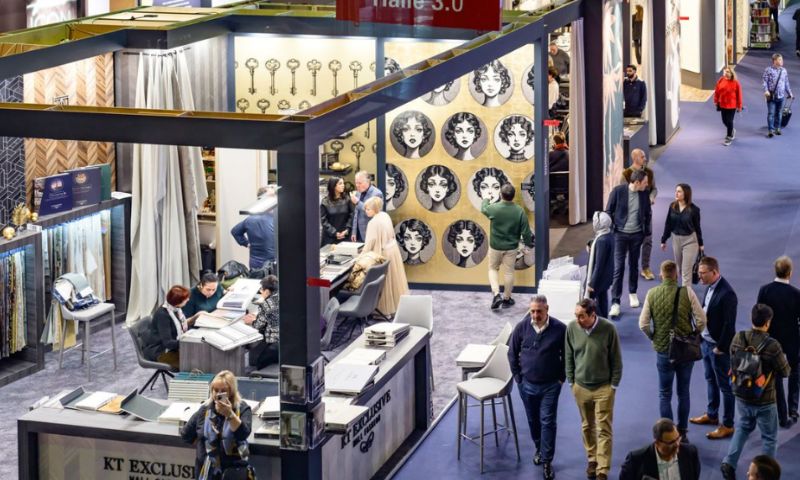
Heimtextil 2026 Begins as Cotton Prices Stay Stable Despite Market Strain
The Heimtextil 2026 exhibition opens in Frankfurt from January 13–16 as the world’s largest trade fair for home and contract textiles and textile design. Buyers, manufacturers and designers from across the globe gather at Messe Frankfurt to set business agendas for the year. The platform showcases the latest trends, innovations and products in interior textiles, including carpets, upholstery fabrics, bedding, bath linens and wall coverings. This year’s Heimtextil arrives amid a mixed picture for cotton and textile markets. Quality cotton prices in Pakistan remain stable but trading activity is limited. Local market rates for good quality cotton hover around Rs 15,800–Rs 16,200 per maund, while medium and light counts run Rs 14,500–Rs 15,500 per maund. Some mills buy selectively, and ginners are releasing stock held back for higher prices. Limited trading makes it harder for textile mills, banks and insurers to gauge real demand. The seal of the Karachi Cotton Exchange building by the Evacuee Property Trust Board (EPTB) with FIA support has suspended the official daily cotton spot rate for over a month. Brokers and workers face heavy losses, with about 5,000 people idle due to halted exchange activity. Legal challenges continue after the Sindh High Court restrained further action pending review. Despite these challenges, the upcoming Heimtextil fair inspires optimism. Exhibitions remain vital for global sourcing and order generation in a production landscape where stable raw material prices still offer predictability amid volatility. Events like these help connect textile producers from Pakistan, India and other countries with international buyers seeking quality and design insights. Heimtextil 2026 also reflects broader industry shifts. The event integrates new hall concepts and expanded segments, bringing textile and non-textile interior design under one roof and improving synergies for buyers and sellers. Innovative spaces highlight decorative fabrics, carpets, smart bedding and global home solutions. Pakistan’s strong presence at the fair underlines its export potential. Hundreds of Pakistani exhibitors, backed by government and industry bodies, aim to tap European and global markets, reinforcing the country’s role in the competitive textile value chain. Stable cotton prices, although accompanied by low trade volume, provide some relief to manufacturers. At the same time, global events like Heimtextil 2026 help the industry pivot from raw material woes toward design leadership and international partnerships.
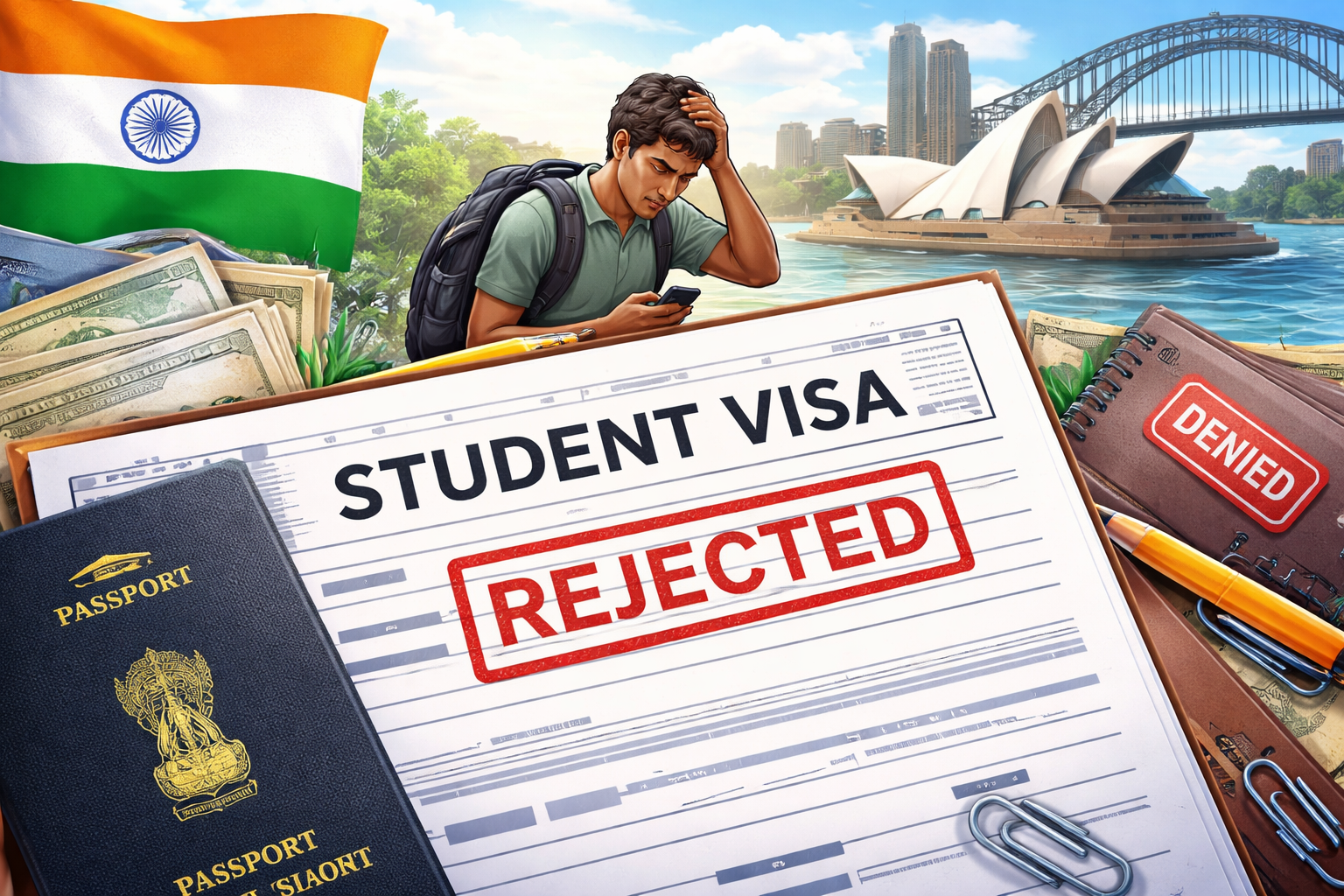
Indian Students Face Tougher Visa Checks in Australia
Australia has taken a headline-grabbing step in early 2026 by tightening its student-visa rules for India and three of its neighbours. From January 8, 2026, the Australian Department of Home Affairs moved India, Nepal, Bangladesh and Bhutan from Evidence Level 2 to the highest risk category (Evidence Level 3) in its Simplified Student Visa Framework (SSVF). The government said the change responds to “emerging integrity risks” including fraud and forged documentation. Under this Level-3 rating, applicants must submit more detailed evidence of finances, verified academic transcripts and genuine study intent. Bank statements must often span months, police clearances may be required, and visa officers can directly contact educational institutions for confirmation. Agents warn that processing times could stretch from three weeks to six–eight weeks or longer. The official rationale focuses on maintaining the credibility of Australia’s student-visa system. A government statement said the change will help manage risks while continuing to support “genuine students seeking a quality education.” Industry bodies, however, say the move is unusual because evidence levels are typically reviewed only every two years. This shift matters because Indian students accounted for a large share of Australia’s international student population in 2025. India alone hosted nearly 140,000 students, making it one of the top source countries. With the new rules, Indian applicants now face extra document checks, manual financial verifications, and possible interviews—barriers that could slow approvals and increase rejections. Education consultants warn that families need to plan ahead. Detailed bank statements, verified degree records and strong evidence of English proficiency are now essential. Some students may end up choosing alternative destinations if processing time or cost rises too high. The tighter regime also reflects broader concerns about visa misuse and “ghost college” scams in Australia, where some private providers enroll students more for work rights than education. These scams contributed to past visa reforms and higher rejection rates for fraudulent cases. For now, genuine applicants must prepare for a tougher process. Universities and recruitment agents have begun issuing advisories on documentation and timing. The overall goal remains intact: preserve the integrity of Australia’s global education market while protecting the rights of bona fide students.
