


Mobilink Bank has achieved ISO/IEC 27001:2022 certification, marking a major milestone in strengthening its information security framework and reinforcing customer trust in its digital banking platforms. The certification, awarded on January 22, 2026, recognises Mobilink Bank’s compliance with internationally accepted standards for Information Security Management Systems (ISMS). It validates the bank’s structured and risk-based approach to safeguarding sensitive information, managing cyber threats, and ensuring the confidentiality, integrity, and availability of customer data across its operations. Globally, International Organization for Standardization ISO/IEC 27001:2022 is regarded as the gold standard for organisations seeking to establish, implement, maintain, and continuously improve robust information security systems. The framework provides a comprehensive methodology for identifying risks, applying security controls, and strengthening cyber resilience in an increasingly complex digital environment. Mobilink Bank’s certification reflects an independently validated information security governance structure, designed to protect digital assets while enabling secure and resilient banking services. The achievement underscores the bank’s ability to align global best practices with local operational needs in Pakistan’s fast-growing digital finance sector. The milestone also aligns with Mobilink Bank’s customer-first strategy, reinforcing its commitment to innovation while prioritising data protection and platform reliability. By embedding international security standards into its core operations, the bank aims to further enhance confidence among customers and accelerate adoption of digital financial services nationwide. Commenting on the achievement, Mustapha Lotia, Chief Information Security Officer at Mobilink Bank, said: “This certification strengthens our commitment to safeguarding customer information, strengthening cyber resilience, and embedding global best practices in information security across our operations. Our customers place immense trust in us with their data, and this certification reinforces our responsibility to protect that trust while continuing to deliver innovative, secure, and reliable digital banking services across Pakistan.” The ISO/IEC 27001:2022 certification supports Mobilink Bank’s long-term objective of continually enhancing its ISMS through strong governance, proactive risk management, and effective security controls. As cyber threats evolve, the bank says the certification provides a solid foundation to deliver secure, trusted, and resilient digital banking services in line with international standards.
Pakistan Unveils Rs100 Billion EV Electrification Scheme to Boost Subsidised Adoption
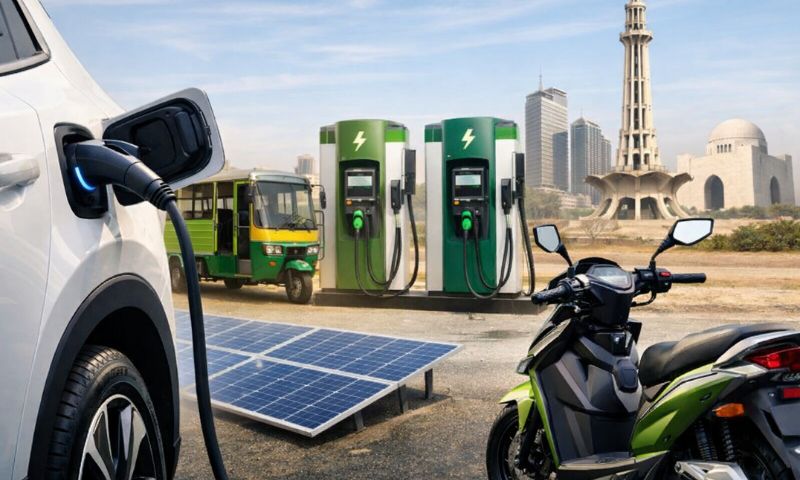
Pakistan has taken a major step toward cleaner transport with the launch of the Pakistan Accelerated Vehicle Electrification (PAVE) scheme, a new initiative designed to boost subsidised electric vehicle (EV) adoption nationwide. The government unveiled the program on January 22, 2026, with the aim of reducing fuel costs, cutting air pollution, and supporting local EV manufacturing. The PAVE scheme will provide a total subsidy pool of Rs100.36 billion over five years through 2030, making electric bikes, rickshaws, loaders, cars, buses, and trucks more affordable for consumers and businesses. Phase-I of the program targets 41,000 electric vehicles, including 40,000 e-bikes and 1,000 electric rickshaws/loaders. This initiative is part of Pakistan’s broader New Energy Vehicle Policy 2025–30, which sets an ambitious goal of increasing the share of EVs in new vehicle sales to 30% by 2030. The policy also aims to reduce reliance on imported fossil fuels and expand the country’s EV infrastructure, including charging stations and local manufacturing capacity. Officials say the PAVE scheme will begin disbursing subsidies right away. Reports indicate that subsidy transfers for electric bikes and rickshaws have already begun for verified applicants, marking the transition from planning to implementation. Under the program, applicants who buy an electric vehicle pay the full price upfront to the manufacturer, and then receive a subsidy reimbursement directly into their account after verification. In addition, bank lease options will allow buyers to acquire electric two- and three-wheelers on easy monthly installments at subsidised interest rates, making ownership more accessible. The government has also allocated funds from the federal budget to support EV adoption. Earlier, the state set aside Rs9 billion for EV subsidies under the PAVE scheme for the 2025-26 financial year, aimed at supporting the purchase of roughly 116,000 electric bikes and 3,000 electric rickshaws and loaders. Experts say the success of the PAVE scheme will depend on how well Pakistan builds EV infrastructure, including charging stations and service networks. Globally, EV adoption has surged where supportive policies and infrastructure are in place, helping countries cut emissions and reduce fuel costs. Industry observers also note that Pakistan’s urban centers — including Karachi, Lahore, and Islamabad — face high levels of air pollution and fuel dependence. Switching to EVs could ease these challenges while creating economic opportunities in assembly, battery production, and charging station deployment. Environmental advocates say that as the world moves toward clean mobility, Pakistan’s policy push positions it to benefit from falling EV costs and technological improvements. However, challenges remain, such as expanding the electrical grid to support widespread charging and training technicians for EV maintenance. With the PAVE scheme now operational, Pakistan aims to make EVs more affordable, accessible, and attractive, helping reduce the nation’s carbon footprint and transforming its transportation landscape over the next decade.

Hadiqa Kiani and Al-Khidmat Mobilise UK Fundraising for Gaza’s Widows and Children
Renowned Pakistani singer and humanitarian Hadiqa Kiani is set to embark on a six-city fundraising tour across the United Kingdom, aiming to raise money for widows and orphaned children affected by the ongoing conflict in Gaza. The initiative, organised in partnership with AlKhidmat Foundation and Aghoush UK, will feature a series of charity dinners held in Manchester, London, Nottingham, Birmingham, Peterborough, and Bradford between January 23 and 27. Kiani announced the campaign through an Instagram post on Thursday, describing the tour as a humanitarian effort to mobilise support for families left vulnerable by years of violence in Gaza. The tour will kick off in Manchester on January 23, followed by London on January 24. Nottingham and Birmingham will host events on January 25, while Peterborough and Bradford will conclude the series on January 26 and 27, respectively. Organisers have clarified that the events are fundraising dinners rather than musical concerts, and Kiani will not be performing at any of the venues. Tickets are priced at £40 for general admission, while VIP access costs £150 per person or £1,000 for a table of 10. Children under the age of six may attend free of charge, and early-bird discounts are available for selected dates. View this post on Instagram A post shared by Hadiqa Kiani (@hadiqakianiofficial) Kiani’s involvement in humanitarian work has earned her widespread recognition. Through her non-profit initiative, Vaseela, she led the reconstruction of three villages destroyed by the 2022 floods in Balochistan. She also played a key role in coordinating relief operations during the 2025 floods in Punjab and Khyber Pakhtunkhwa. Her sustained commitment to social causes was internationally acknowledged when she was named among the BBC 100 Women for 2024. Funds raised during the UK tour will be directed towards emergency relief and long-term support for Gaza’s most vulnerable families. Despite a ceasefire, the humanitarian situation in the region remains fragile, with continued violence and recent Israeli airstrikes reportedly claiming civilian lives, including journalists. Through the campaign, Kiani hopes to amplify global awareness of the humanitarian crisis and encourage collective action. She has repeatedly stressed that sustained international support is critical to easing the suffering of widows and children affected by conflict.

Nestle Reaffirms Long-Term Commitment to Pakistan with $60m Expansion Plan
Global food giant Nestle has announced a fresh $60 million investment in Pakistan, signalling a major expansion of its local operations and reaffirming its long-term commitment to the country. The announcement was made during a meeting between Finance Minister Muhammad Aurangzeb and Nestle executive vice president and CEO for Asia, Oceania and Africa Remy Ejel, held on the sidelines of the World Economic Forum annual meeting in Davos, according to a statement issued by the Ministry of Finance. The meeting took place during a high-level business roundtable chaired by Aurangzeb, which brought together chief executive officers and senior leaders from leading multinational corporations to discuss Pakistan’s reform agenda, investment climate, and long-term growth prospects. Nestlé Announces USD 60 Million Additional Investment in Pakistan at WEF Business Roundtable Federal Minister for Finance and Revenue, Senator Muhammad Aurangzeb, today chaired a high-level Business Roundtable on the sidelines of the World Economic Forum (WEF) Annual Meeting in… pic.twitter.com/NB5Vp3vOTK— Ministry of Finance, Government of Pakistan (@Financegovpk) January 22, 2026 According to the ministry, the roundtable was part of the government’s broader engagement with global investors aimed at improving policy predictability, accelerating economic formalisation, and promoting sustainable, export-oriented growth. “A key highlight of the discussion was the announcement by Remy Ejel of an additional investment of $60 million in Pakistan,” the statement said. “Nestle will undertake a robust expansion of its operations in the country, reaffirming its long-term commitment to Pakistan.” Ejel also revealed that Nestle plans to use Pakistan as a regional manufacturing and export hub, with the company set to export products to 26 countries from its Pakistani facilities. Expressing confidence in Pakistan’s economic outlook, he said Nestle expects strong growth in its local business in the coming years. The finance ministry noted that the announcement builds on recent engagements between Nestle and the government in Islamabad, where the company outlined a strategy focused on localisation, advanced manufacturing, sustainability, and agricultural transformation. Ejel highlighted that Pakistan’s large and youthful population, rising nutrition needs, and underdeveloped value-added food segments closely resemble growth patterns seen in Southeast Asian markets where Nestle has successfully expanded. Welcoming the announcement, Aurangzeb described the investment as a “strong vote of confidence” in Pakistan’s economic reforms and formalisation drive. He reaffirmed the government’s commitment to strengthening the tax ecosystem, ensuring policy consistency, and facilitating responsible long-term investment. The minister also underscored Pakistan’s potential in affordable nutrition, climate-resilient dairy, local sourcing, and export-oriented manufacturing, reiterating the government’s goal of positioning the country as a competitive base for regional production and global value chains.

World’s Safest Cities Revealed: Abu Dhabi Leads, UAE Takes 5 of Top 6
Cities around the world are increasingly being judged not just by opportunity and infrastructure, but by how safe people feel living in them. According to the Numbeo Global Safety Index 2026, Abu Dhabi has once again emerged as the safest city in the world, reinforcing its position as a global benchmark for public safety. Abu Dhabi secured a Safety Index score of 88.9, topping the rankings for the 10th consecutive year. The city’s consistent performance reflects heavy investment in digital surveillance systems, artificial intelligence, predictive policing, and smart city technologies that allow authorities to identify and mitigate risks before they escalate. Why Abu Dhabi Leads the World Experts attribute Abu Dhabi’s top ranking to its integrated use of AI-driven monitoring, real-time data analysis, and advanced emergency response systems, alongside strict law enforcement and high public trust in institutions. Residents report feeling safe both during the day and at night—two key parameters used in the index. The rankings also highlight a broader regional trend: the United Arab Emirates continues to dominate global safety charts, with five of its cities appearing in the top six. Top 10 Safest Cities in the World (2026) According to Numbeo’s latest assessment, the 10 safest cities globally in 2026 are: Rank City Country Safety Index 1 Abu Dhabi UAE 88.9 2 Ras Al Khaimah UAE 85.3 3 Doha Qatar 84.5 4 Sharjah UAE 84.5 5 Ajman UAE 84.4 6 Dubai UAE 83.9 7 Taipei Taiwan 83.3 8 Muscat Oman 81.3 9 Tampere Finland 79.6 10 Trondheim Norway 79.0 Source: Numbeo Global Safety Index 2026 How the Rankings Were Compiled The study was conducted by Numbeo, which evaluated around 400 cities across 150 countries. Rankings were based on user-contributed data measuring perceived safety, crime levels, and security during both daytime and nighttime. The findings further strengthen the UAE’s reputation as a global leader in public safety. Multiple international studies have also ranked the country among the safest in the world, particularly when it comes to nighttime security. The Bigger Picture While cities from Europe and Asia also feature prominently, the dominance of Gulf cities underscores how technology-driven governance, urban planning, and law enforcement coordination are shaping the future of urban safety. As global cities continue to expand, the 2026 rankings offer a clear message: smart security systems and proactive governance matter as much as size and wealth.

ICC Faces Heat as Bangladesh Rejects India Venue for 2026 T20 World Cup
The Bangladesh Cricket Board has formally decided that its national team will not travel to India to participate in the 2026 ICC Men’s T20 World Cup, citing unresolved security and governance concerns. The decision was taken during an internal board meeting held on January 22, just weeks ahead of the tournament’s scheduled start. The move came a day after the International Cricket Council held talks with BCB directors and issued a clear ultimatum. During that meeting, the ICC informed Bangladesh that Scotland would replace them in the tournament if they chose to withdraw, with February 7 set as the final cutoff date for confirmations. Announcing the decision, BCB President Aminul Islam Bulbul stressed that Bangladesh remains committed to playing the World Cup, but not on Indian soil. He rejected suggestions that the issue stemmed from a single incident and criticised the ICC for failing to offer a workable solution. Bulbul pointed specifically to the recent controversy involving pacer Mustafizur Rahman, who was dropped from the Kolkata Knight Riders squad ahead of the 2026 IPL season. He said the episode reflected deeper structural problems rather than an isolated case, contradicting the ICC’s position. “We will continue to communicate with the ICC. We want to play the World Cup, but we won’t play in India. We will keep fighting,” Bulbul said. “There were some shocking calls in the ICC board meeting. The Mustafizur issue is not a single incident. India were the sole decision-makers in that matter.” The BCB president added that Bangladesh had formally requested its matches be moved to a neutral venue, but the ICC declined. “ICC denied our request to shift our matches away from India. We are not sure about the state of world cricket anymore. Its popularity is going down,” he said. “They have locked out 200 million people. Cricket is going to the Olympics, but if a country like ours cannot participate freely, that is the ICC’s failure.” The standoff now places the ICC under pressure, with Scotland standing by as a potential replacement. Bangladesh, meanwhile, has made it clear that its withdrawal is conditional, not final, and that it remains open to participation if matches are relocated outside India. With just days remaining before the deadline, the dispute has triggered wider debate about governance, neutrality, and power dynamics in global cricket.

Xiaomi 18 Price and Features Leak: Camera, Display, and Performance Insights
Leaks about the Xiaomi 18 flagship smartphone are turning heads in the mobile world. Recent reports have revealed several key camera and hardware features that suggest the upcoming phone could challenge rivals like the iPhone and Galaxy. The new information builds on earlier hints about design upgrades and cutting-edge imaging technology. According to fresh leaks, the Xiaomi 18 will include advanced camera hardware, including a periscope telephoto lens that could offer significantly improved zoom capabilities on the standard model. This is notable because periscope lenses are typically reserved for ultra-premium phones. The triple camera setup on the back of the Xiaomi 18 is expected to include three 50-megapixel sensors: a wide-angle main lens, a telephoto zoom lens, and an ultra-wide sensor. Early reports suggest the periscope telephoto element will enable 5x optical zoom, which could allow users to capture distant subjects with greater clarity than before. Beyond optical hardware, the leak also points to premium internal features. The vanilla Xiaomi 18 is said to sport an ultrasonic in-display fingerprint scanner, wireless charging support, and robust dust and water resistance. These upgrades would make the phone more competitive with other flagships in its price bracket. Early hints also suggest that the Xiaomi 18 may maintain a strong performance profile with a Snapdragon 8 Elite Gen 5 or Gen 6 chipset, depending on regional variants, which would deliver fast processing and improved energy efficiency. One of the standout aspects of the Xiaomi 18 series is the rumored continuation and evolution of the secondary rear display first seen on previous models like the Xiaomi 17 Pro. Leaks suggest this rear display could gain AI-powered interaction and deeper software integration, acting as more than just a camera viewfinder or notification panel. If true, this could give users a more dynamic way to check alerts, take selfies, or interact with widgets without turning the main screen on. These combined camera, hardware, and display innovations suggest Xiaomi is aiming to bridge the gap between flagship expectations and real user needs. With improved zoom, better imaging performance, and advanced software features, the Xiaomi 18 could appeal to mobile photographers and tech enthusiasts alike. Pricing details are still speculative, but early projections place the Xiaomi 18 starting around PKR 309,999 in Pakistan for base models, with higher-end variants commanding more for additional storage and memory options. As more reliable details emerge closer to the official launch date, the Xiaomi 18 continues to be one of the most anticipated flagship phones expected in 2026.

Cristiano Ronaldo Scores 960th Career Goal, Inches Closer to 1,000 Mark
Cristiano Ronaldo, one of football’s most iconic forwards, moved significantly closer to a near-mythical career target by scoring his 960th official goal on Wednesday night. The goal came in Al-Nassr’s 2-1 away win against Damac in the Saudi Pro League, a result that also strengthened his team’s bid for the league title. The 40-year-old Portuguese star, who captains both his club and his national team, opened the scoring early in the second half after a well-timed assist. His strike doubled Al-Nassr’s lead and proved decisive despite a Damac reply later in the match. Ronaldo’s journey to this point spans more than two decades and several top-flight clubs, including Sporting CP, Manchester United, Real Madrid, Juventus, and now Al-Nassr. His official tally now stands at 960 goals in competitive matches for club and country combined. This latest milestone means Ronaldo is now only about 40 goals away from the rare 1,000-career tally that few, if any, modern players have officially reached. He has previously expressed confidence about hitting that mark before he retires. At a recent awards event, Ronaldo said, “My passion is high and I want to continue… You know what my goal is. I want to reach the number (1,000 goals) that you all know. I will reach that number for sure, if no injuries.” In the Saudi Pro League this season, Ronaldo has been one of the league’s top scorers, finding the net consistently and showing impressive form even in the later stages of his career. He has now scored in nine of his last ten away games for Al-Nassr. The win against Damac was significant not only for Ronaldo’s personal statistics but also for Al-Nassr’s title hopes. The victory moved them closer to the league leaders, making the race for the Saudi Pro League crown more competitive. As Ronaldo edges toward the 1,000-goal mark, comparisons with other greats continue to follow him. His record as the top scorer in men’s international football and his long club career make his pursuit of 1,000 goals one of the most compelling narratives in modern sport. At an age when many players have long retired, Ronaldo’s hunger for goals and longevity on the pitch underline his enduring place among football’s elite.

The End of Wires? Finland’s Wireless Electricity Experiment Stuns Scientists
In a breakthrough that could redefine how electricity is delivered, scientists in Finland have successfully transmitted electrical energy through the air without using wires, combining sound waves, lasers, and radio-frequency technology in a controlled laboratory experiment. The research demonstrates that electricity can be guided across space without physical cables — a development that challenges the long-standing assumption that power must travel through metal conductors. While the technology is still experimental, researchers say it opens the door to a future where plugs, wires, and charging cables could become optional. How the experiment worked The Finnish scientists used a carefully engineered mix of high-intensity ultrasonic sound waves, laser beams, and radio-frequency (RF) energy harvesting. Together, these tools allowed them to create invisible pathways in the air along which small amounts of electrical energy could safely travel. At the heart of the experiment is a concept known as the “acoustic wire.” Ultrasonic waves were used to shape the density of air, forming a narrow, controlled channel. Along this channel, tiny electrical discharges were guided precisely, mimicking the role of a physical wire — but without any solid material. Lasers played a complementary role by transmitting energy as light, which could then be converted into electrical power at a receiving point. Meanwhile, RF harvesting captured ambient electromagnetic energy already present in the environment to power low-energy devices such as sensors. Who led the research The work was carried out by research teams from University of Helsinki and University of Oulu, in collaboration with private-sector partners developing next-generation power-by-light and wireless energy systems. Researchers described the project as a fusion of physics, electrical engineering, and applied innovation, aimed not at science fiction, but at real-world applications. Is this “wireless electricity” as people imagine? Not quite. Scientists caution that this is not unlimited, free-floating electricity moving across cities or continents. Instead, the breakthrough lies in field-guided energy transmission — meaning the energy is carefully controlled and directed, not randomly dispersed. The system currently delivers small, precise amounts of power, suitable for electronics, sensors, and smart devices rather than heavy machinery. However, researchers say improving efficiency and range is the next major challenge. Why this matters The experiment challenges the century-old dominance of wired electrical systems. If scaled successfully, it could lead to: Cable-free industrial sensors Safer power delivery in hazardous environments Reduced wear and tear from physical connectors New designs for smart homes, factories, and medical devices Because no physical contact is required, the technology could also improve safety and durability in places where wires are prone to damage. Is Finland leading the way? Wireless charging already exists globally for phones and wearables, but Finland is among the first countries to combine sound, light, and radio waves to transmit electricity in a coordinated, practical demonstration. While similar ideas have been explored elsewhere, researchers say this experiment stands out for its precision, stability, and potential for real-world use. What comes next Scientists stress that the technology is still in its early stages. Scaling it for higher power levels, longer distances, and everyday consumer use will require years of further research. Still, the findings suggest that the future of electricity may not be tied to wires alone.
Pakistan Braces for Rain, Thunderstorms and Snow as Winter Turns Active
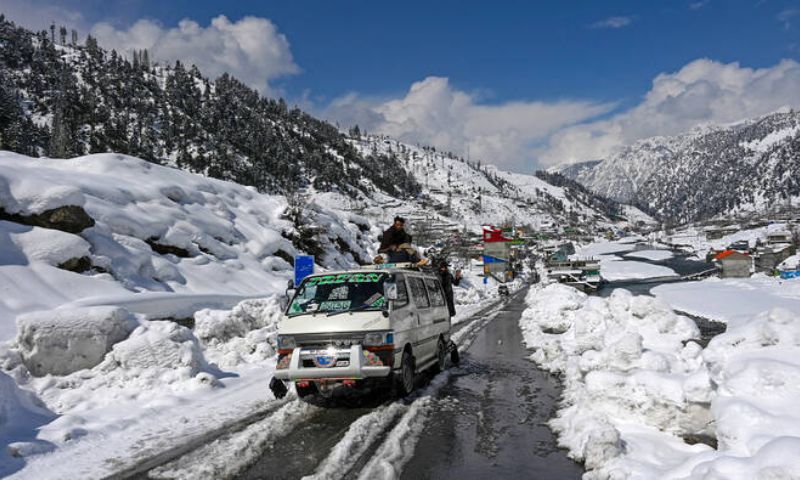
Pakistan’s weather shifted noticeably between Wednesday, Jan 21, and Thursday, Jan 22, 2026, as a new weather system began influencing large parts of the country. After several days of cold and dry conditions, clouds increased and temperatures dipped further, setting the stage for rain, thunderstorms, and snowfall in the days ahead. On Wednesday (Jan 21), most regions remained dry but chilly. Cold air dominated Punjab, Khyber Pakhtunkhwa, Balochistan, and Sindh, while northern and hilly areas recorded freezing night temperatures. Fog persisted in several plains, especially during early morning and late night hours. As Thursday begins, weather conditions are expected to turn unsettled across multiple regions. Balochistan has emerged as one of the hardest-hit regions as the weather system takes hold, with snowfall already reported across several districts since early Thursday. In Quetta, snowfall began during the early hours of Thursday, pushing temperatures close to freezing and disrupting daily activity. Similar conditions have been reported in Ziarat, Kalat, Mastung, Khanozai, Qila Saifullah, Pishin, and nearby high-altitude areas, where snow accumulation has intensified the winter chill. برفباری سے وادی زیارت کا خوبصورت منظر، بلوچستان pic.twitter.com/SU4WVY7L8b — Pakistan Tourism (@PakistanJannatt) January 22, 2026 Snowfall has also spread across large parts of northern and western Balochistan, including Zhob, Sherani, Loralai, Barkhan, Muslim Bagh, and adjoining mountainous belts. In these regions, snow-covered roads and cold winds have significantly reduced visibility and slowed traffic. Meanwhile, cold conditions dominate the rest of the province, with strong winds and sharply falling night temperatures reported in central and southern districts. Residents in several areas have been advised to exercise caution, particularly while travelling through hilly terrain, as icy patches and reduced road grip pose risks. The snowfall in Balochistan marks one of the earliest widespread winter spells of the season, reinforcing forecasts that the ongoing weather system will continue to impact western and northern Pakistan over the next 24 hours. اوسی کوئٹہ اور بلوچستان کے مختلف علاقوں میں سال کی پہلی برف باری ہوئی ہے جس کے باعث سردی کی شدت میں اضافہ ہوا ہے اور نتیجے میں بجلی کی انکھ مچولی بھی شروع ہوچکی ہے تاہم پی ڈی ایم اے اور نیشنل ہائی وے اتھارٹی کی جانب سے قومی شاہراہوں کو کھولنے کے لیے اقدامات جاری ہیں pic.twitter.com/wHVSxHKRnm — Daily Khabardar Quetta (@KhabardarDaily) January 22, 2026 Weather activity is also expected to reach Sindh. In Karachi, weather conditions are expected to change noticeably from Thursday as moisture-laden clouds move in from the Arabian Sea. Light to moderate rain accompanied by thunderstorms is likely, particularly during the late afternoon, evening, and overnight hours. Brief but intense showers may occur in some localities, with the possibility of isolated lightning and gusty winds during thunderstorm activity. Rain chances are expected to be higher in coastal and central districts, while eastern and northern parts of the city may see shorter, scattered spells. The change in weather is likely to lower daytime temperatures, bringing a cooler feel compared to recent dry days. Night temperatures may dip further, especially after rainfall. Humidity levels are forecast to rise ahead of the rain, which could make conditions feel colder once showers begin. Strong winds during thunderstorms may temporarily reduce visibility, particularly along coastal roads and open areas. Looking ahead to Friday (Jan 23), Karachi may continue to see intermittent rain or drizzle, though intensity is expected to ease compared to Thursday. Cloudy skies are likely to persist through much of the day, with breaks possible later in the evening. Sea conditions may remain slightly rough during periods of stronger winds. Residents are advised to remain cautious during rainfall, as water accumulation on roads, slippery surfaces, and sudden gusts could affect traffic flow, especially during peak commuting hours. In Punjab, rain and thunderstorms are likely in Islamabad, Rawalpindi, Lahore, Gujranwala, Sialkot, Faisalabad, Sargodha, Multan, Sahiwal, Okara, and Bahawalpur. Intermittent showers may continue through the day, with brief dry spells in between. Khyber Pakhtunkhwa is expected to see rain in Peshawar, Mardan, Charsadda, Swabi, Abbottabad, Mansehra, Haripur, Kohat, and Bannu, while snowfall is likely in upper areas including Swat, Kalam, Dir, Chitral, Shangla, Kohistan, and Upper Chitral. In Gilgit-Baltistan, snowfall is expected in Skardu, Hunza, Astore, Gilgit, Ghanche, and surrounding high-altitude valleys, which could affect travel on mountainous routes. By Friday, the weather system is forecast to intensify, bringing heavier snowfall to Murree, Galiyat, Neelum Valley, Bagh, Haveli, Poonch, Naran, and Kaghan. Rain is expected to continue across upper and central Punjab, while Sindh and southern Punjab may see scattered showers and thunderstorms, mainly during afternoon and evening hours. Temperatures are forecast to remain below normal, with cold nights and brisk winds persisting nationwide. Overall, Pakistan is set to experience a significant mid-winter weather shift, moving from dry cold to widespread rain and snow between Jan 22 and Jan 23, with impacts varying sharply by region.
