


The Pakistan Under-19 cricket team is set to face traditional rivals India Under-19 in a high-pressure Super Sixes encounter at the ICC Men’s Under-19 World Cup 2026 on 1 February, a match that could determine both teams’ paths to the knockout stages. The tournament is being held in Zimbabwe and Namibia, featuring 16 of the world’s best young cricket teams. This fixture pits two youth powerhouses against each other at the Queens Sports Club in Bulawayo. Pakistan currently sits third in Super Six Group 2 with four points from three matches, while India leads the group with a perfect record, boasting six points and an impressive net run rate (NRR) of 3.337. India U19’s Form and Momentum India’s U19 side has looked formidable throughout the tournament. They have won all their Super Six matches so far, including a dominant 204-run victory over Zimbabwe, showcasing an explosive batting lineup and consistent bowling. Earlier in the Super Six stage, India routed Bangladesh by 18 runs and beat New Zealand comfortably, highlighting depth and balance in their squad. The team’s ability to win big has marked them as tournament favorites and a major challenge for Pakistan. Pakistan U19’s Road So Far Pakistan’s road to this marquee clash has been strong. They have won two of their three Super Six matches, defeating New Zealand by eight wickets and Zimbabwe by eight wickets in commanding fashion. Earlier in the tournament, Pakistan qualified for the Super Sixes by finishing in the top three of their initial group, led by spirited performances and well-timed partnerships. The U19 side is also buoyed by recent success, having won the 2025 ACC Under-19 Asia Cup by defeating India in a dominant final. Strategic Importance of the Showdown This Ind-Pak U19 clash carries significant implications. A win for Pakistan could secure their place in the semi-finals while maintaining momentum before the knockout stages. For India, a victory would cement their position at the top of the Super Six table and reinforce their status as title contenders. Fans around the cricket world have marked this fixture as one of the highlights of the tournament, with demand for tickets and viewership high. The match is live-streamed and broadcast globally for supporters across the cricketing nations. As the two rivals prepare for battle in Bulawayo, all eyes will be on how Pakistan’s young guns respond to India’s dominant form. With semi-final spots at stake, this match promises intensity, skill, and the drama typical of Indo-Pak cricket at any level.
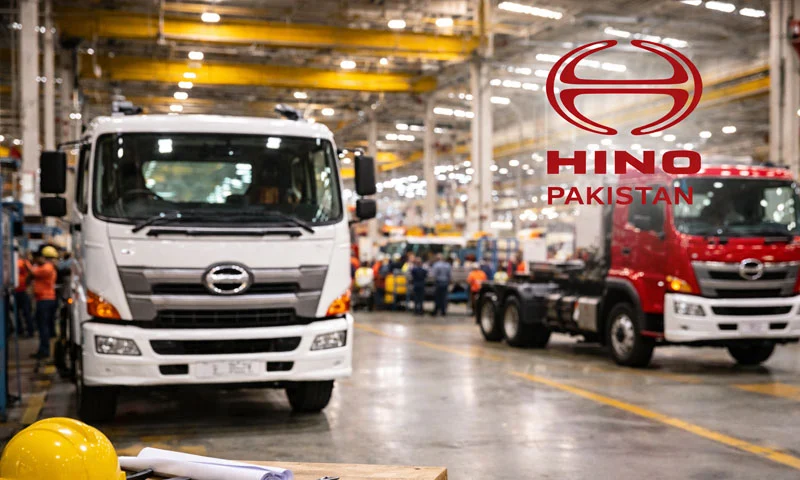
New CEO at Hinopak: What Tomohiro Oshita’s Appointment Means for Pakistan’s Commercial Vehicles
Hinopak Motors Limited, a leading assembler of buses and trucks in Pakistan, has announced a significant leadership change as Tomohiro Oshita takes over as Director and Chief Executive Officer effective February 1, 2026. The appointment was officially communicated via a notice to the Pakistan Stock Exchange (PSX) on January 29, 2026. Oshita succeeds Takayuki Kizawa, who will step down from the Director and CEO role on January 31, 2026, completing his tenure with the company. The transition marks a key moment for Hinopak, which operates in a competitive and dynamic commercial vehicle market where strategic leadership matters for long-term growth. Founded in 1985 and headquartered in Karachi, Hinopak Motors has grown into Pakistan’s dominant assembler of medium and heavy-duty commercial vehicles. The company assembles and sells Hino buses and trucks, along with spare parts and accessories. It holds a significant share of Pakistan’s commercial vehicle market and is a major supplier for public transport, logistics firms, and infrastructure services. Hinopak is a subsidiary of Hino Motors Limited, a Japanese automotive firm specializing in trucks and buses, and its operations in Pakistan are part of a broader global footprint. Hino Motors is ultimately part of the automotive ecosystem tied to Toyota Motor Corporation, adding to Hinopak’s strategic importance in local-to-international commercial vehicle supply chains. Industry analysts see Oshita’s appointment as more than a routine executive change. Commercial vehicle manufacturing in Pakistan faces evolving challenges and opportunities, including shifts in transportation demand, production modernization, and the need for localized supply chains. As domestic logistics and infrastructure sectors expand, leadership at Hinopak will play a pivotal role in navigating market cycles. Observers also point out that leadership changes at major automotive companies often signal strategic recalibration. With Oshita’s experience, the company may prioritize operational efficiency, production planning, dealer network expansion, and aftersales service enhancements. This focus matters at a time when Pakistan’s economy seeks to strengthen industrial output and employment in manufacturing sectors. Moreover, Hinopak’s performance influences the broader automotive ecosystem. Several Pakistani companies operate in tandem with Hinopak, including local assemblers such as Master Motors, Ghandhara Industries, and Al-Haj FAW Motors, all contributing to commercial vehicle production and distribution in the country. With Oshita at the helm, industry watchers will watch closely for any strategic roadmaps released by Hinopak that may outline product plans, localization targets, or technology adoption. Such initiatives could strengthen Pakistan’s position in commercial vehicle manufacturing while meeting the evolving needs of transport and logistics sectors nationwide.

Copper Prices Are Soaring Worldwide — and Pakistan’s Reko Diq Is Back in Focus
Copper prices around the world have been rising rapidly, driven by strong demand, concerns over future supply deficits, and growing investment interest in the metal as a critical component of electrification and clean energy infrastructure. Analysts now warn that copper could become much more expensive in the coming decade as production struggles to keep pace with demand. Benchmark copper futures hit multi-year highs on global exchanges in early 2026 as traders reacted to a weaker U.S. dollar and expectations of long-term demand growth tied to electric vehicles (EVs), renewable energy systems, and power grid expansion. Speculative buying and tighter market balances have also lifted price forecasts. Why Copper Demand Is Exploding Copper plays a central role in technologies fundamental to the energy transition. It is essential in electric motors, EV batteries and charging infrastructure, solar panels, wind turbines and modern power grids. Analysts at S&P Global project that global copper demand could rise about 50% by 2040, and deficits could widen without major new mining projects. According to the United States Geological Survey (USGS), copper’s end-use is heavily concentrated in: Building construction (about 42%) Electrical and electronic products (23%) Transportation equipment (18%) Other industrial and consumer products China remains by far the largest single consumer, accounting for a majority share of refined copper use globally, while major economies in Asia continue to absorb additional copper for infrastructure and industrial growth. Where the Largest Copper Reserves Are Chile and Peru dominate copper production and reserves globally, with Chile alone contributing around one-third of global production. Other major mining countries include the United States, the Democratic Republic of Congo and Australia. Pakistan’s Role: Reko Diq and Domestic Copper Reserves Pakistan is not just a consumer — it also holds some of the world’s largest undeveloped copper reserves. The Reko Diq project in the Chagai District of Balochistan is a globally significant copper-gold deposit, with estimated resources of approximately 5.9 billion tonnes of ore grading around 0.41% copper and large associated gold quantities. Once fully operational, Reko Diq is expected to produce 200,000 to 250,000 tons of copper annually in its initial phase, with potential expansion to produce up to 400,000 tons per year. The mine life is projected to span more than 40 years, with a total economic output exceeding $60 billion based on feasibility studies. Reko Diq is being developed jointly by Barrick Gold (50%), the Government of Pakistan (25%), and the Government of Balochistan (25%). Production is slated to begin as early as 2028, supported by international financing from institutions like the Asian Development Bank and the International Finance Corporation to help with infrastructure and sustainability efforts. If completed, Reko Diq will place Pakistan among the world’s key copper suppliers, attracting global industrial attention as nations seek to diversify sources of critical minerals. It could rank among the largest copper mines globally once fully operational. Challenges and Broader Impacts Despite its promise, the Reko Diq project faces challenges including historical legal disputes, infrastructure constraints, and environmental concerns, particularly regarding water usage in arid regions. Environmental advocates and local rights groups have called for strict oversight to ensure sustainable development that benefits local communities. For Pakistan, Reko Diq represents not just an economic opportunity but a chance to transform its mining sector and reduce reliance on imports for industrial metals. In a world rapidly shifting toward electrification and green technologies, copper’s strategic importance — and the value of reserves like Reko Diq — can hardly be overstated.
