


BYD Pakistan, in partnership with Mega Motor Company (MMC), has announced a limited-time customer offer to celebrate the launch of its two latest all-electric vehicles: the BYD Atto 2 and the globally acclaimed BYD Sealion 7. The launch marks another major step in expanding Pakistan’s electric vehicle ecosystem, with BYD–MMC aiming to make EV ownership more accessible, transparent, and rewarding for early adopters. To commemorate the introduction of both models, the company has unveiled an introductory offer available for a limited booking period. Customers who book either the Atto 2 or the Sealion 7 during the launch window will receive a complimentary 7 kW wall-mounted home charger, adding immediate value to the ownership experience. Vehicle prices under this offer are inclusive of freight and inland transit insurance, ensuring transparency and eliminating hidden costs for buyers. In addition, BYD–MMC is offering a 10-year warranty on the low-voltage LFP battery, providing long-term peace of mind and reinforcing confidence in the durability of its electric powertrain technology. The launch offer also includes model-specific benefits. Customers booking the BYD Atto 2 will receive two free charging sessions at any HubcoGreen charging station, making the transition to electric mobility even smoother for daily users. Meanwhile, BYD Sealion 7 customers will benefit from free installation of the 7 kW home charger, further enhancing convenience for premium EV buyers. This limited-time offer applies to bookings made until February 28, encouraging early interest in both newly launched models. The BYD Atto 2 positions itself as a smart, practical, and efficient solution for everyday urban and suburban driving. It targets customers seeking a reliable electric vehicle with modern technology and cost-effective ownership. In contrast, the BYD Sealion 7 focuses on performance and luxury, offering an exhilarating drive paired with a premium cabin experience. Bookings for both vehicles are now open nationwide. The BYD Atto 2 is priced at PKR 7,290,000, with a booking amount of PKR 1.4 million. The BYD Sealion 7 is priced at PKR 15,490,000, with a booking amount of PKR 3 million. Full specifications, feature details, and booking information are available at www.byd-mega.com and at BYD showrooms across Pakistan.
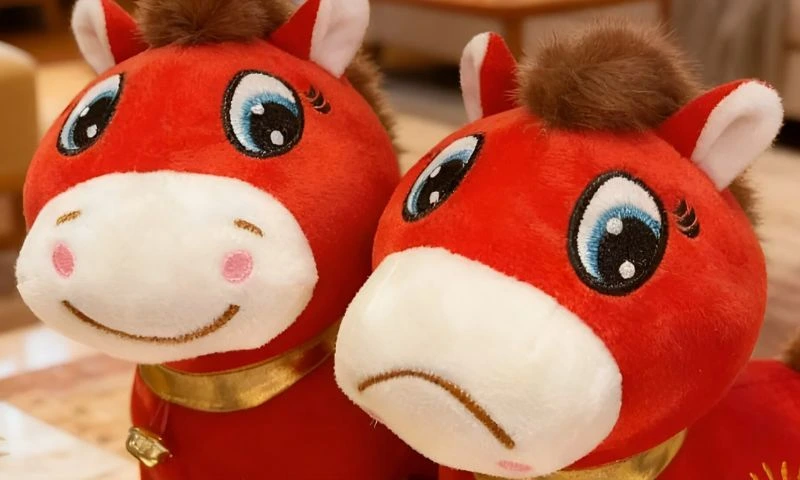
How a Sewing Mistake Created China’s Viral Crying Horse Mascot
An accidental sewing mistake at a factory in eastern China has turned a simple plush toy into a cultural phenomenon ahead of the 2026 Lunar New Year. Intended to bring festive cheer, the little red horse instead sported a sad expression that resonated deeply with millions online. The plush was manufactured by a shop called Happy Sister in Yiwu International Trade City, the world’s largest wholesale market for small goods. Designed to be a happy Lunar New Year decoration, it was supposed to have a wide, cheerful smile. But the toy’s mouth was accidentally stitched upside down, giving it a downturned expression that social media users immediately dubbed the “crying horse.” The misprinted mouth and forlorn gaze transformed the once ordinary decoration into something unexpectedly meaningful. The horse still wears a red body symbolizing good luck and a gold bell around its neck. Yet its new expression perfectly captured a growing sentiment among young Chinese workers dealing with long hours and workplace stress. The owner of Happy Sister, Zhang Huoqing, told Reuters that a worker had sewn the mouth on upside down by mistake. At first, she offered a refund to the customer who bought it. But when images of the sad toy began spreading online, she saw something unusual unfolding. “People joked that the crying horse is how you look at work, while the smiling one is how you look after work,” Zhang said. Instead of discarding the flawed plushies, Zhang embraced the unexpected appeal. As photos and short clips of the crying horse gained traction on platforms such as Xiaohongshu and Weibo, demand surged. By mid-January, the factory was receiving more than 15,000 orders each day, prompting the addition of ten extra production lines to keep up. Young professionals in China, many wrestling with long work hours even after the official end of the notorious 996 culture, found something relatable in the toy’s sad eyes. For them, the crying horse has become more than just a decoration. It’s a humorous symbol of emotional exhaustion — a small acknowledgment of stress that many feel but rarely discuss aloud. The trend aligns with a broader appreciation for “ugly-cute” designs in Chinese pop culture characters that are imperfect, quirky and emotionally expressive. Toys like Pop Mart’s Labubu and others in the same vein have shown that flaws can become features, especially when they reflect real life. From mistake to meme, the crying horse stands as a quirky testament to how a simple flaw can capture a collective mood and turn a plush toy into a beloved mascot.

Galaxy S26 Ultra Launch Timeline, Price Leaks and New Features Explained
Samsung is preparing one of its most anticipated smartphone launches of 2026: the Galaxy S26 Ultra, the flagship crown of its new Galaxy S lineup. Recent leaks and industry reports now paint a clearer picture of when the phone will debut, what it might cost, and why this launch matters to buyers and the broader mobile market. According to Forbes, Samsung plans to unveil the Galaxy S26 series at its Galaxy Unpacked event on February 25, 2026, alongside the standard S26 and the Galaxy S26 Plus. This late-February date continues Samsung’s tradition of early-year flagship reveals, albeit slightly later than the S25 launch in January 2025. After the Unpacked reveal, leaks suggest the phones will reach consumers quickly. Pre-orders are expected to open as early as February 26, followed by a staged sale period, with general sales projected around March 11, 2026. This phased rollout strategy helps Samsung maintain hype and manage global demand in key regions. Price whispers for the Galaxy S26 Ultra have stirred mixed reactions. Unlike earlier reports that hinted at a general price rise across the lineup, newer leaks suggest the Ultra model might actually be priced slightly lower than its predecessor in some markets. In Sweden, dealer data reveals the 256GB and 512GB Ultra versions could be listed around €100 less than the Galaxy S25 Ultra. However, higher storage variants like the 1TB model are expected to stay at the same premium level. Meanwhile, the base Galaxy S26 model may see a steeper price due to increased default storage bumping up to 256GB from the previous generation’s 128GB. The Galaxy S26 Plus is predicted to remain close to its predecessor’s pricing, avoiding major hikes. Market variations could still drive price adjustments in regions such as South Korea, Europe and the U.S., according to local leaks. Beyond pricing and launch timing, the Galaxy S26 Ultra could bring noteworthy innovations. Rumors include improved cameras, faster charging, and a new privacy display feature that limits shoulder surfing in crowded spaces — a rare hardware-software fusion Samsung has teased ahead of launch. Together, these details suggest Samsung is walking a tightrope: offering exciting upgrades while adapting pricing and storage strategies to shifting consumer expectations and global component costs.

Explained: Elon Musk, Reid Hoffman and the Viral Trump Assassination Debate
Tech billionaire Elon Musk has reignited a political controversy by posting on X (formerly Twitter) that LinkedIn co-founder Reid Hoffman publicly said he wished former U.S. President Donald Trump had been killed in a recent assassination attempt — a claim that has drawn widespread attention and debate across social and traditional media. Musk’s post referenced comments Hoffman made during a July 2024 panel at the Allen & Company Sun Valley Conference, a gathering of influential tech leaders and investors. According to multiple accounts, at that event Hoffman responded to conservative billionaire Peter Thiel by saying, “Yeah, I wish I had made him an actual martyr,” a remark many interpreted as expressing a wish for Trump to die. In Musk’s post shared this week, he wrote: “Just a reminder that Reid Hoffman really did say in a public forum that he wished President Trump had been killed in the assassination attempt.” The comments have resurfaced amid renewed scrutiny after Trump survived an attempted assassination in Pennsylvania in 2024, an incident that sparked political tensions and a flurry of misinformation online. Hoffman’s Response and Clarifications In the aftermath of the original controversy last year, Hoffman publicly sought to clarify his remarks, framing them as sarcastic and contextual rather than literal calls for violence. In a statement on X that summer, he explained that his comment was made in the context of a heated exchange with Thiel, who had sarcastically thanked him for legal actions against Trump that had, in Thiel’s view, strengthened the former president’s political position. Hoffman stated his remark was meant metaphorically about accountability, not about physical harm. He wrote, according to reports: “Of course we meant nothing about any sort of physical harm or violence, which I categorically deplore.” He also condemned political violence following the assassination attempt. The White House said “violence should only be condemned, never encouraged or joked about,” after Musk drew criticism for related posts. Broader Context: Political Rhetoric and Tech Leaders Reid Hoffman is a prominent figure in tech and politics. Best known as co-founder of LinkedIn and an early executive at PayPal, he is also deeply involved in venture capital and political funding, particularly for Democratic causes. His political engagement and billionaire status have made him a polarising figure among both left and right audiences. Hoffman’s original comment drew ire from conservative circles last year, with some arguing that elites in tech and finance were out of touch and hostile toward conservative political figures. Reports at the time noted that Republicans seized on the remark as evidence of broader anti-Trump sentiment in Silicon Valley. Musk’s post this week is part of a broader trend in which high-profile tech personalities increasingly wade into political disputes on social platforms. Musk himself has a history of controversial political posts on X, including comments about past assassination attempts and political violence, some of which he later deleted or walked back after public backlash. Impact and Reactions The resurfacing of Hoffman’s comment has further ignited discussions about the role and responsibility of tech leaders in public discourse, especially around sensitive topics like political violence. Experts warn that rhetoric, even sarcastic, can be misinterpreted and fuel division. Public opinion remains sharply divided, with social media users on both sides debating the intent and impact of such statements. Whether this controversy will have long-term effects on Hoffman’s reputation or influence in tech and politics remains to be seen. However, it highlights how remarks by influential figures can resurface and reverberate long after they were first made.

Major Shake-up in Cement Sector as Fauji Cement and KAPCO Take Joint Control of Attock Cement
Kot Addu Power Company Limited (KAPCO) and Fauji Cement Company Limited (FCCL) have taken a major step toward reshaping Pakistan’s cement industry by signing a share purchase agreement (SPA) to jointly acquire 84.06% stake in Attock Cement Pakistan Limited (ACPL), according to notices filed with the Pakistan Stock Exchange (PSX) on Friday. Under the terms of the SPA executed on January 30, 2026, both KAPCO and Fauji Cement will purchase majority shareholdings from Pharaon Investment Group Limited Holding S.A.L, a Lebanon-based investment firm currently holding a controlling stake in ACPL. Each acquirer will acquire 42.03% of ACPL’s issued and paid-up share capital, bringing their combined ownership to 115,526,349 shares or 84.06% of the company’s total equity. The deal marks a significant consolidation in Pakistan’s cement sector, uniting an energy sector player and a leading cement manufacturer under a common strategic direction. Fauji Cement, headquartered in Rawalpindi and operating under the umbrella of the Fauji Foundation, is already one of the country’s largest cement producers with an annual production capacity exceeding 11,000 tonnes per day. Its growth in recent years has come from capacity expansion and mergers, including the integration of Askari Cement Limited in 2021. Kot Addu Power Company, a major power generation utility with significant presence in Pakistan’s energy infrastructure, brings additional industrial strength to the transaction. The joint acquisition aims to combine FCCL’s cement production expertise with KAPCO’s broader industrial reach to enhance operational synergies and competitively position ACPL in local and export markets. Despite signing the SPA, the transaction remains subject to regulatory and corporate approvals before it can be completed. These include: Issuance of a public offer under the Securities Act, 2015 and the Listed Companies (Substantial Acquisition of Voting Shares and Takeovers) Regulations, 2017 Approvals from the Securities and Exchange Commission of Pakistan (SECP) Clearance from the Competition Commission of Pakistan (CCP) Shareholder consent and satisfaction of other closing formalities. The acquisition follows an earlier public announcement of intention made on June 3, 2025, through Integrated Equities Limited acting as manager to the offer. At that time, FCCL and KAPCO jointly declared their plan to gain control over ACPL, highlighting the strategic importance of this merger for both companies. Industry analysts say that if completed, the acquisition will create one of the largest cement and building materials players in Pakistan, leveraging both FCCL’s production scale and KAPCO’s industrial network. It also reflects ongoing consolidation trends in Pakistan’s cement sector, as companies seek scale, efficiency, and competitiveness in local and export markets. With infrastructure and construction activity expected to remain a key driver of economic growth, the enlarged ACPL entity may capture greater market share and contribute to broader industrial development.

Career City 2026 Showcases Talent, Innovation, and Industry Collaboration at Habib University
Habib University turned its campus into a dynamic marketplace of ideas and opportunities with the successful hosting of Career City 2026, a flagship career engagement initiative designed to connect students, alumni, and employers through meaningful, real-world interaction. Conceptualised as a living “city” shaped by the convergence of diverse sectors, Career City 2026 brought together leading organisations from industry, startups, non-profits, and institutional partners under one roof. Throughout the day, the university campus transformed into an open and interactive space where employers set up stalls, enabling direct dialogue with students and alumni in an immersive and informal setting. The event offered participants a comprehensive view of today’s evolving job market. Students engaged in in-depth conversations around career pathways, skill requirements, and industry expectations, while exploring opportunities ranging from internships and graduate programs to full-time roles and project-based work. These interactions allowed students to better understand professional landscapes while positioning themselves for immediate and future career prospects. A key highlight of Career City 2026 was the showcasing of student-led applied projects, many of which were developed in collaboration with industry partners. These projects reflected Habib University’s emphasis on experiential learning and demonstrated how academic inquiry can translate into practical, real-world solutions. Employers and visitors had the opportunity to review this work firsthand, offering feedback and exploring potential collaborations. Alumni participation added further depth to the event. Alumni leaders from various fields shared insights from their professional journeys, offering mentorship and guidance to current students. Their presence underscored the strength of Habib University’s growing alumni network and reinforced the value of long-term professional relationships built within the university community. Students arrived prepared and engaged, asking thoughtful questions, initiating purposeful conversations, and forging connections that extended beyond the confines of the event. Many interactions resulted in immediate leads for internships and employment, while others laid the foundation for sustained professional growth and collaboration. More than a traditional career fair, Career City 2026 embodied Habib University’s commitment to integrating intellectual development with professional readiness. By actively fostering collaboration between academia and industry, the university continues to create spaces where learning, mentorship, and opportunity intersect—equipping students with the tools, confidence, and connections needed to navigate an increasingly complex professional world.
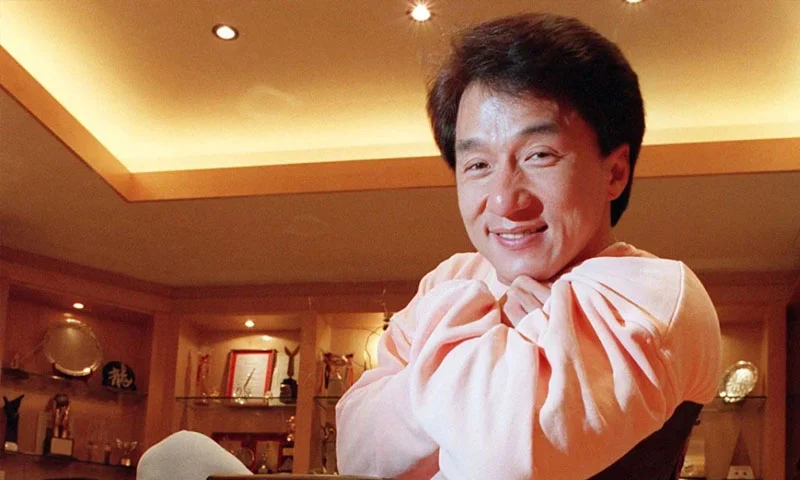
Jackie Chan Records Final Song for Fans, to Be Released After His Death
Hong Kong film legend and martial arts icon Jackie Chan, 71, has revealed that he has already recorded a deeply personal “farewell song” that will only be released after his death, offering fans and loved ones a final message through music. This extraordinary revelation came at the Beijing premiere of his latest drama film Unexpected Family, where the legendary star opened up about life, ageing, loss, and his creative motivations. Jackie Chan disclosed that the decision to record the farewell song was inspired by the passing of many friends and colleagues in recent years. These losses, he said, prompted him to reflect on life and the fragile nature of existence. Instead of hiding from these realities, Chan decided to capture his emotions and personal thoughts in a track meant to speak directly to his fans and family after he is gone. “I feel that whatever I want to say, I should say now; whatever I want to do, I should do immediately,” Chan said, according to reporting by China.org.cn. Although he did not reveal any lyrics or the title of the song, he made it clear that performing it publicly now would be too emotional. When asked if he could sing part of it at the premiere, Chan joked that it would make people cry. The farewell song will remain private and unreleased until Chan’s death, at the request of his family and management team. Chan’s announcement sparked a wave of discussion on social media platforms like Weibo and Instagram, where fans shared mixed emotions—some finding comfort in his openness and others expressing sadness at the thought of a future without him. This announcement came alongside Chan’s discussion about his evolving career. In Unexpected Family, Chan takes on a dramatic role as an elderly man living with Alzheimer’s disease, showcasing his range beyond the action and kung fu roles that catapulted him to global fame. Chan said the role was meaningful and allowed him to explore deeper human experiences. Despite preparing this deeply personal musical message, Chan remains active in the film industry and continues to pursue diverse projects. Upcoming work includes roles in the kung fu comedy Panda Plan 2 and the action sequel The Shadow’s Edge, both slated for future production. Jackie Chan’s respectful decision to prepare a farewell song reflects a growing trend among entertainers who carefully craft their legacies. While many celebrities have released posthumous works in music or literature, Chan’s choice to create a farewell track that speaks from the heart underscores his unique connection with fans around the world. As audiences continue to celebrate his long career—spanning more than 150 films and worldwide stardom—the farewell song promises to be a final, poignant reminder of Jackie Chan’s creative spirit and enduring impact on generations of filmgoers and music lovers alike.

Gold Prices Crash in Pakistan: Tola Falls by Rs35,500 in a Day
Gold prices in Pakistan experienced a significant drop on Friday, with the local bullion market seeing values fall sharply from recent highs amid broader declines in international gold prices. The price of 24-karat gold per tola fell to Rs537,362 after a Rs35,500 decrease during the day, according to the All-Pakistan Gems and Jewellers Sarafa Association (APGJSA). Similarly, the 10-gram rate slipped to Rs460,701 following a Rs30,435 drop. The sharp decline followed a period of strong gains earlier in the week when gold prices had surged to record levels in Pakistan’s domestic market, breaking the Rs570,000 per tola barrier as bullion rallied. On Thursday, gold had reached around Rs572,862 per tola, but profit-taking and shifts in global market conditions triggered a swift reversal. Global Market Influences and Price Drivers Internationally, gold also faced downward pressure. The international rate of gold declined by $355 to about $5,150 per ounce, with spot prices losing nearly 4% as investors reacted to expectations of tighter monetary policy and profit-taking after extended record rallies. Global markets earlier saw gold hit record highs, with prices exceeding $5,500 an ounce on strong demand as investors sought safe-haven assets amid economic uncertainty and geopolitical tensions. However, late-week selling pressure emerged as participants booked profits and reacted to news, causing prices to ease back. Analysts have pointed out that gold’s recent volatility reflects a tug-of-war between strong long-term demand and short-term market dynamics. UBS, for example, raised its gold forecasts for 2026, projecting prices could climb toward $6,200 per ounce, even as prices remain volatile in the near term. Impact on Pakistan’s Local Market In Pakistan, gold prices remain closely tied to international trends, the strength of the Pakistani rupee, and investor sentiment. When global bullion weakens, local prices typically follow suit, even if the world price remains historically elevated. Domestic jewellers and traders monitor both global spot prices and local demand to set market rates each day. The recent drop comes after a period of notable price swings in the local market. Just weeks earlier, gold had declined by Rs2,700 per tola in a previous downturn, showing persistent volatility in the sector. Silver prices also mirrored the downward momentum on Friday, with silver rates falling sharply in tandem with gold due to similar profit-booking and market repositioning by investors. What This Means for Investors Although the recent slide marks a notable correction, gold prices remain well above historical averages. Analysts say that price volatility is not unusual after rapid rallies, and investors often see such retreats as part of normal market cycles. With geopolitical tensions and economic uncertainties still present, gold continues to be regarded as a key safe-haven asset for both retail and institutional investors.

Young Voices Shine as Annual Declamation Contest Ends at Quaid-e-Azam House Museum in Karachi
The grand finale of Karachi’s annual inter-school declamation contest was held on Wednesday at the historic Quaid-e-Azam House Museum, drawing participation from leading schools across the city. The event was organised jointly by the Jinnah Society, the Board of Management of Quaid-e-Azam House Museum, and the Karachi Council on Foreign Relations (KCFR). A total of 34 schools took part in the competition. Following a rigorous two-day elimination round, ten schools qualified for the final stage, as shortlisted by judges Akber Merchant and Sara Daniyal. The finalist schools included The City Intermediate College, DHACSS Phase-VIII, The Mama Parsi School, Habib Girls School, Aga Khan School (Morning), Graceful Grammar Higher Secondary School Campus-I, New-Day School, Ida Rieu Blind & Deaf School, BVS Parsi School, and Al-Murtaza School. The final round was judged by a distinguished jury comprising senior journalist Ghazi Salahuddin, renowned artist and founder of IVS Noorjehan Bilgrami, and Founder of the Jinnah Foundation Naseem Merchant. After a closely contested competition, Syeda Fatima Zehra of The Mama Parsi School secured first position, Raween Abid of Aga Khan School (Morning) claimed second, while Tousif Ahmed of Ida Rieu Blind & Deaf School earned third place. The winners were awarded trophies and grand prizes in recognition of their outstanding performances. The declamation contest was originally conceived by the Jinnah Society and has been held successfully for over two decades. After the Quaid-e-Azam House Museum came under the ownership of the Government of Sindh, a Board of Management was constituted four years ago through the joint initiative of Syed Murad Ali Shah and the then Corps Commander Karachi Humayun Aziz. Subsequently, a tripartite Memorandum of Understanding was signed between the Sindh Government, Jinnah Society, and KCFR. The Board of Management consists of 18 members, including representatives of the Sindh Government, Jinnah Society, KCFR, philanthropists, and prominent citizens. The board’s key office-bearers include Liaquat H. Merchant as Senior Vice Chairman, Ikram Sehgal as Vice Chairman, and Commodore (R) Sadeed Malik as Secretary General. The positions of Chairman and Co-Chairman are held ex-officio by the Chief Minister and Chief Secretary Sindh, respectively. The core objective of the Jinnah Society, KCFR, and the Board of Management is to promote the vision, principles, and ideals of Quaid-e-Azam Muhammad Ali Jinnah as part of a broader nation-building effort. Quaid-e-Azam House Museum has therefore been designated as an institution of nation-building, with all its events aimed at engaging Pakistan’s youth — more than 50 percent of the country’s population is under 30 years of age. Through initiatives such as the declamation contest, students are encouraged to connect with Pakistan’s history, the struggle for independence, and the aspirations envisioned by Muhammad Iqbal and Quaid-e-Azam, fostering a deeper understanding of the values of peace, progress, and prosperity.

Cold, Snow, and Hot Tubs: Inside NYC’s Industrial Snow-Melting Strategy
New York City has rolled out massive snow-melting machines — nicknamed “hot tubs” — to tackle towering piles of snow left by a powerful January blizzard that dropped more than a foot in parts of the city. With temperatures plummeting well below freezing and no natural melt in sight, city officials turned to these industrial snow melters to help clear streets, sidewalks and bus stops across the five boroughs. The machines were activated after a winter storm delivered widespread snowfall, including nearly 15 inches in Washington Heights and over 11 inches in Central Park. This was the first deployment of all eight melters since 2021, highlighting the severity of the storm and the challenges faced by sanitation crews. What the “Hot Tubs” Are and How They Work Contrary to what the name might suggest, these “hot tubs” are giant industrial snow-melting units operated by the New York City Department of Sanitation (DSNY) that use heat to turn snow into water quickly and efficiently. Acting DSNY Commissioner Javier Lojan explained that the tubs sit at around 38 degrees Fahrenheit, warm enough to melt snow while still controlling the water flow. Dump trucks and front loaders haul snow from collection points throughout the boroughs — including Lower Manhattan, East New York, Red Hook and Queensboro Hill — and deposit it into the melters. The resulting meltwater flows into the city’s sewer system under permission from the Department of Environmental Protection. NYC's snow "hot tubs" are back in action. Eight snow melters are working across the five boroughs, capable of melting 60 to 120 tons of snow per hour after heating it to 38 degrees. The machines tackle giant piles of frozen snow, turning it into water that drains into the sewer. pic.twitter.com/IUUd8ZD3iY— Spectrum News NY1 (@NY1) January 29, 2026 Each machine can melt between 60 to 120 tons of snow per hour, though sanitation officials caution that keeping up with the enormous volume will take time. With snow still piled high in many neighborhoods and more snow forecasted, the operation will likely continue for several weeks. Why NYC Needs the Snow Melters In a typical winter, rising temperatures help melt snowfall gradually. But this storm was followed by days of temperatures in the teens and single digits — the coldest stretch in years — leaving snow and ice stubbornly in place and turning sidewalks and intersections hazardous. Residents reported slippery conditions at crosswalks and bus stops, prompting public complaints and legislative concern. Queens State Assemblywoman Jenifer Rajkumar noted that residents were frustrated by snow-clogged walkways and transit stops. “I had parents telling me about children slipping and falling. Bus stops buried in snow,” she said. Mayor Zohran Mamdani said city agencies have worked around the clock to clear critical areas. “One thing that has complicated their work has been the fact that this snowstorm has been followed by the kind of cold the city has not seen in at least eight years,” he said. Challenges and Outlook Despite the capabilities of the melters, they are not a cure-all. Clearing snow from side streets and narrow sidewalks remains difficult without disrupting traffic. DSNY officials say plowing, salting and emergency shovel teams remain essential parts of the cleanup operation. With additional snow in the forecast, maintenance crews are preparing for an extended winter battle. But for now, New Yorkers are watching the giant tubs heat up city blocks and slowly but visibly reduce the snowy burden — a rare sight in the heart of one of the world’s busiest cities.
