

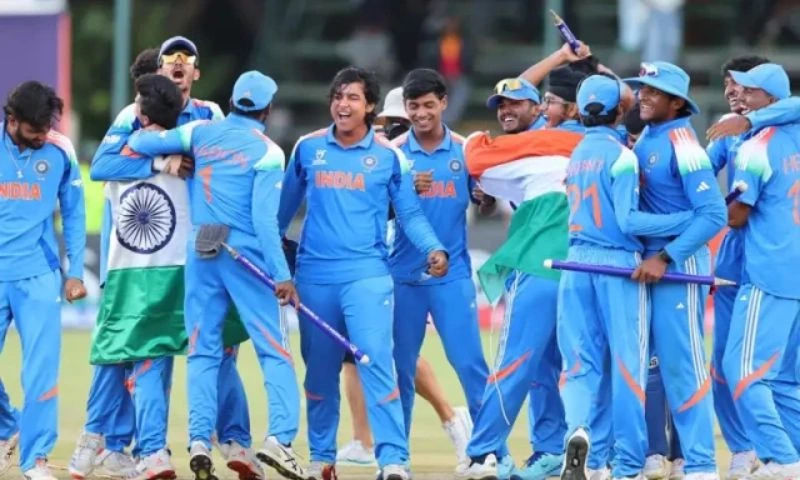
India’s Under-19 cricket team captured the ICC U19 World Cup 2026 title in dominating fashion on Friday, February 6, 2026, powered by a breathtaking innings from teenage sensation Vaibhav Suryavanshi. The 14-year-old smashed a record-breaking 175 runs off 80 balls against England in the final in Harare Sports Club, setting the tone for India’s biggest victory on the global stage. Suryavanshi’s masterclass included 15 fours and 15 sixes, and helped India post a massive 411 for 9 in their 50 overs, the highest team total ever in an U19 World Cup final. England’s reply of 311 all-out fell short by 100 runs, giving India a commanding win. The performance was historic in several ways. It set the highest individual score in an U19 World Cup final, surpassing previous records, and made Suryavanshi one of the most talked about young talents in world cricket. The knock also included the second-fastest century in tournament history, with Suryavanshi reaching three figures in just 55 deliveries. India’s dominance was built on early aggression. Suryavanshi and captain Ayush Mhatre (53) added a crucial 142-run partnership for the second wicket after an early dismissal. Once Mhatre fell, Suryavanshi took control, racing through his milestones and keeping the scoreboard ticking. In response, England showed resilience. Caleb Falconer starred with a brilliant 115 off 67 balls, while Ben Dawkins (66) and Ben Mayes made valuable contributions. Yet, despite their efforts, the target proved too steep. Indian bowlers, led by R.S. Ambrish (3/56), applied pressure throughout England’s innings, ensuring a comprehensive victory. India’s triumph in Harare marks the nation’s sixth ICC Under-19 World Cup title, further cementing its status as a powerhouse in youth cricket. India had previously won titles in 2000, 2008, 2012, 2018 and 2022, highlighting a long history of excellence at the junior level. This victory extends that legacy and underlines the strength of India’s cricket development programs. Suryavanshi’s record score played a huge role in securing both the Player of the Match and Player of the Tournament honors. His day in the sun showcased an extraordinary combination of power, timing and maturity beyond his years, an innings that will be remembered for decades. With this victory, India not only lifted the trophy but also sent a strong message to the cricket world about the talent pipeline in the country and the exciting future it promises.
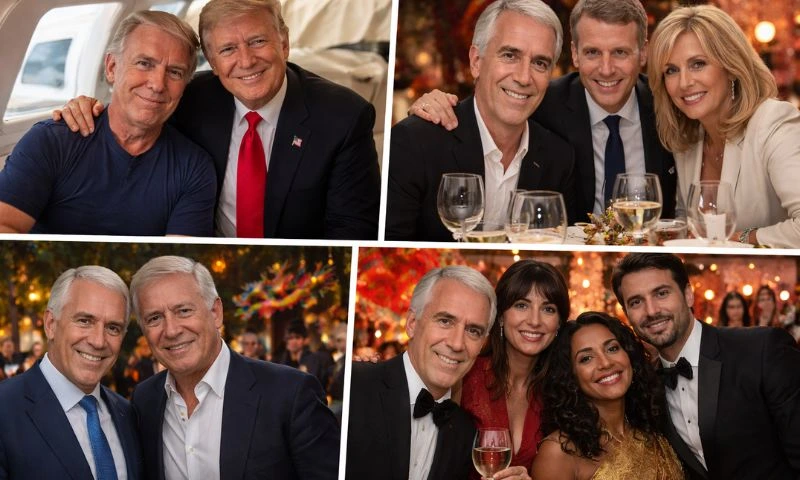
AI Creates Fake Epstein Images With World Leaders in Seconds
Artificial-intelligence image-generation tools can now create extremely realistic images showing convicted sex offender Jeffrey Epstein with world leaders, researchers warn, highlighting a growing misinformation threat. A new study by US disinformation watchdog NewsGuard found that AI tools produced fake photos of Epstein with several high-profile politicians in just seconds — raising concern about deepfake misuse on social media. The research revealed that Grok Imagine, an image generator developed by Elon Musk’s xAI, generated highly convincing fake images showing Epstein alongside figures such as US President Donald Trump, Israeli Prime Minister Benjamin Netanyahu and French President Emmanuel Macron when prompted. These AI-generated photos showed fabricated scenarios like social gatherings, beach scenes, and private jets — all of which were false. Google’s Gemini model refused to generate an image with Trump but produced realistic fakes of Epstein with several other leaders, according to the study. Researchers say these findings are chilling because the tools can instantly create viral-ready images that many social media users may mistake for real visuals. NewsGuard said the fake images demonstrate “the ease with which bad actors can use AI imaging tools to generate realistic-seeming viral fakes — and why fake images have become so routine that it’s difficult to tell authentic images from AI-generated images.” Deepfakes and Misinformation: A Growing Problem Deepfakes are one of the most prominent forms of synthetic media and misinformation today. Researchers say deepfakes can range from harmless entertainment to dangerous political propaganda and fraud, depending on how they’re used. Fact-checking agencies have already debunked several AI-generated Epstein images being shared on social networks that falsely claimed to show public figures like New York City Mayor Zohran Mamdani and his mother, filmmaker Mira Nair, posing with Epstein and his associate Ghislaine Maxwell. Those images included digital watermarks identifying them as synthetic. Experts say deepfakes pose risks beyond political deception. AI can now be used to create deepfake pornography and sexually exploitative content — prompting global concern and calls for stronger regulation. In fact, UNICEF recently urged countries to criminalise the creation of AI-generated child sexual abuse images, in response to a surge in such manipulations. Detection and Response Tech companies are also working to fight back. For example, Google embeds invisible watermarks known as SynthID into AI-generated content to help identify fake images made with its tools. But detection remains an uphill battle, as research shows humans struggle to distinguish real from synthetic images without advanced analytical tools. As AI tools become more advanced and accessible, observers say the public must stay vigilant and rely on trusted sources before believing or sharing sensational images.

FBR vs Sazgar: Major Auto Manufacturer Sazgar Hit With Rs188.9m FBR Tax Notice
The Federal Board of Revenue (FBR) has issued a tax demand of Rs 188.9 million (Rs 188,902,192) against Sazgar Engineering Works Limited, a major Pakistani automotive manufacturer, in a move that has captured industry attention. The demand relates to the Tax Year 2023 and was created through an order issued on September 30, 2025, under Section 122(5A) of the Income Tax Ordinance, 2001 by the Additional Commissioner Inland Revenue (ACIR). Sazgar reported the tax notice in its Quarterly and Half-Yearly Financial Statements submitted to the Pakistan Stock Exchange (PSX) on February 4, 2026, but said it has not made any provision for the amount in its books yet, as it is formally contesting the demand. Read More: Pakistan’s First Locally Assembled Electric Vehicle Enters Volume Production According to company disclosures, Sazgar has filed both a rectification application under Section 221 of the Income Tax Ordinance and an appeal with the Commissioner Inland Revenue (Appeals). The firm expressed confidence that these legal steps will lead to a favourable outcome, minimizing any long-term impact on its financial position. Sazgar Engineering Works Limited, founded in 1991 and publicly listed since 1994, is one of Pakistan’s leading manufacturers of automobiles, automotive parts, and household electric appliances. Its shares trade on the PSX, which lists hundreds of companies across various sectors. Read More: Honda Atlas Bounces Back Strongly as Profits More Than Double in FY26 The tax demand comes amid what many in Pakistan’s automotive industry see as challenging economic conditions. Auto manufacturers have faced fluctuating demand, cost pressures and new levies in recent budget cycles. Earlier in 2025, Sazgar absorbed an additional government levy under the New Energy Vehicles Adoption Levy Act without passing the cost on to customers. The company decided to keep vehicle prices unchanged despite rising input costs and new taxes, a move it described as customer-friendly while others in the sector adjusted prices upward. Industry watchers say this FBR action highlights the scrutiny that large manufacturers face from tax authorities as Pakistan looks to broaden its revenue base. The FBR has recently been active in enforcing tax demands across sectors, a trend that has also drawn concerns from the textile industry, which urged the authority to delay super tax recovery until broader issues are resolved. Read More: New CEO at Hinopak: What Tomohiro Oshita’s Appointment Means for Pakistan’s Commercial Vehicles Despite the tax challenge, Sazgar reported strong earnings for the first half of fiscal 2026, with profits exceeding Rs 8.4 billion and a significant interim dividend approved. These results reflect resilient demand and improving production performance even as regulatory pressures persist. As the dispute plays out, investors and industry stakeholders will watch closely to see if the tax issue leads to broader changes in corporate taxation or dispute resolution for Pakistan’s industrial sector.

Royal Controversy Grows as Prince Harry Steps Into Meghan’s Business Spotlight
Prince Harry, the Duke of Sussex, has sparked fresh controversy after appearing in a promotional video for his wife Meghan Markle’s lifestyle brand — a move some royal fans interpreted as costing him a once-cherished royal title. The short clip, shot at the couple’s Montecito, California estate, features Harry casually working on his laptop while Meghan, Duchess of Sussex, hands him a box of chocolates from her As Ever collection. In the video, Harry responds warmly to Meghan’s introduction of the product, saying, “Oh yes, please” before ending with “Thank you, love you.” The seemingly affectionate moment was meant to highlight one of the new As Ever chocolates, but instead it triggered debate online about how far the couple has moved from traditional royal roles. Read More: Princess Kate Takes Lead as Prince William Leaves UK for Official Mission Some social media users reacted negatively, claiming Harry’s involvement in a commercial venture showed a shift from his former royal identity. One critic wrote that he is no longer “the very popular prince of the realm,” while another sarcastically said, “Things must be getting desperate if Meghan Markle’s roping Prince Harry in for an As Ever promo.” Lucky Prince Harry. Everything we need to order, he gets personally delivered free of charge by his wife from As Ever. pic.twitter.com/1omSoBTI1A — Megharry (@Jeremia41333132) February 6, 2026 The Sussexes’ move comes amid broader efforts by Meghan to grow her lifestyle brand, which includes artisanal food items and collaborations. Originally launched in early 2025 under a different corporate name, the brand was rebranded as As Ever ahead of Meghan’s Netflix series debut. Royal commentators have frequently tied the couple’s post-royal career choices to their ongoing efforts to build a media and business empire in California. Experts point out that Meghan’s entrepreneurial direction has often outshone Harry’s public profile since the couple stepped back from full-time royal duties in 2020 — a moment widely referred to as “Megxit”. Read More: Why Melania Trump’s Documentary Is Controversial Before It Opens Critics argue that Harry’s participation in promotional content may blur the line between personal branding and commercialism. British pundits have suggested that Meghan is building a lifestyle empire that leans heavily on royal cachet — even as the couple no longer uses formal royal styling in public ventures, per agreements from their 2020 exit. Some royal observers have even noted tension points between Markle’s ambitious business moves and traditional expectations of royal comportment. In past commentary, one UK expert described the brand’s portrayal as “a deliberate attempt to forge an American lifestyle ‘princess’ brand,” adding that such commercialization could irritate royal traditionalists. Read More: Jackie Chan Records Final Song for Fans, to Be Released After His Death For Harry, the ongoing challenge remains balancing life outside formal monarchy with maintaining relevance in global media while supporting his family. As the Sussex brand evolves, their strategy continues to face passionate debate from fans, critics and royal analysts alike.
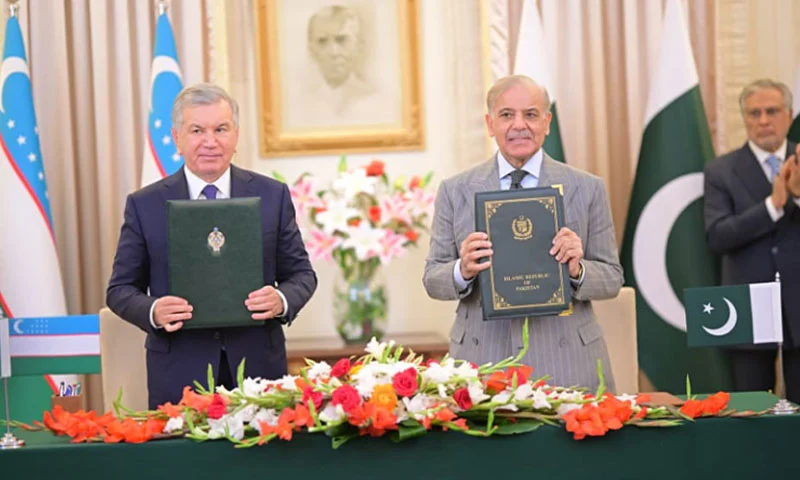
Landmark Joint Declaration Seals 2 Billion Dollar Trade Vision Between Pakistan and Uzbekistan
Pakistan and Uzbekistan have once again reaffirmed their commitment to deepening economic and strategic ties, with both sides setting an ambitious $2 billion bilateral trade target by 2029. The pledge came in a joint declaration issued after Uzbek President Shavkat Mirziyoyev’s state visit to Pakistan from February 5–6, underscoring a growing partnership spanning trade, connectivity, culture and security. During comprehensive talks in Islamabad, Pakistani Prime Minister Shehbaz Sharif and President Mirziyoyev reviewed the current state of relations and expressed satisfaction over a positive trajectory of cooperation that has strengthened over the last three decades since formal diplomatic ties began. Read More: Ishaq Dar Calls for Policy Continuity to Restore Investor Confidence in Pakistan The leaders specifically highlighted their shared resolve to expand trade and industrial cooperation, noting existing agreements and institutional mechanisms that provide a roadmap toward achieving the $2 billion goal. Under the joint declaration, both countries pledged to pursue closer economic relations and targeted cooperation across sectors including textiles, agriculture, manufacturing, pharmaceuticals, mining and information technology. پاکستان اور ازبکستان کے تعلقات صدیوں پرانی شاہراہِ ریشم سے جڑے ہیں۔ مغل ورثہ اور سمرقند و بخارا کے علمی مراکز نے پاکستان کی تاریخ و تہذیب پر گہرے اثرات ڈالے ہیں۔ مفاہمتی یادداشتوں کے تبادلے کی تقریب میں وزیراعظم شہباز شریف کا خطاب pic.twitter.com/cf3JJ0XXZ3 — Samina Kauser Swl (@Skpmln) February 6, 2026 Economists and trade experts see this renewed push as a step toward unlocking Pakistan’s potential in Central Asian markets and reducing its traditional dependence on a narrow export base. Pakistan’s trade with Uzbekistan has historically been modest, but officials believe that stronger alignment, expanded market access and improved logistics can accelerate growth. Read More: Pakistan–Bangladesh Direct Flights Resume After 14 Years With Dhaka–Karachi Route Connectivity remains central to this vision. Both leaders reaffirmed support for regional infrastructure initiatives such as the Uzbekistan–Afghanistan–Pakistan Railway Project, a planned 573-kilometer rail corridor aimed at linking Tashkent and Peshawar via Kabul. The railway is expected to cut transit times and dramatically lower freight costs, offering a major boost to trade flows between South Asia and Central Asia. In addition, the countries celebrated progress on their Preferential Trade Agreement (PTA) — first signed years ago and currently under expansion to cover more products, services and market segments. Negotiators are reportedly working on raising the number of tariff-reduced products to broaden trade opportunities. Read More: Top Europe Destinations Pakistanis Can Visit Without a Schengen Visa in 2026 The joint declaration also covered broader diplomatic cooperation, including security collaboration, multilateral engagement at the United Nations and cultural initiatives aimed at strengthening people-to-people ties. Both leaders agreed that enhanced aviation links and tourism cooperation would further cement relations. Experts say that boosting Pakistan-Uzbekistan trade to $2 billion will require sustained political will, streamlined customs procedures and expanded private-sector engagement. However, the latest high-level interactions signal strong intent on both sides to transform shared economic vision into practical outcomes.

No Tracking, No Bloat, No Daily Charging: The Anti-Smartphone Explained
A growing backlash against data-hungry smartphones has opened space for a very different kind of device — one that blocks app data leaks and offers multi-day battery life by design. The latest wave of minimalist phones, led by Swiss brand Punkt., aims to protect user privacy by eliminating invasive app tracking and returning mobile tech to its core functions. ([cnet.com article referenced]) Unlike mainstream Android or iOS devices that constantly collect user data in the background, these privacy-first phones restrict what apps can access and how long they run. Modern smartphones often leak personal information — including location, contacts, and app usage — without clear consent, according to privacy studies showing app tracking has increased over time. Read More: Apple’s Big 2026: Over 20 New Devices Including Foldable iPhone and AR Glasses At the center of this trend is Punkt’s new devices, designed around Apostrophy OS, an operating system that stops apps from harvesting data by default and blocks many trackers usually built into Android. This privacy-focused approach is similar to what some users seek with “digital detox” devices that reduce data exposure and distractions. Punkt’s MC02 and MC03 smartphones are more than feature phones — they are fully capable mobile devices built with privacy first principles. They have long-lasting battery performance, strong hardware, and stripped-down software that avoids unnecessary data routing to third parties. Read More: Used Phone Prices May Drop After FBR Revises PTA Tax Values for 62 Models Compared with typical smartphones, which often struggle to last a full day under heavy usage, these minimalist phones can go multiple days without charging because they do not let apps run in the background or leak data continually. The result is not just longer battery life, but also fewer digital distractions and less unintentional data exposure. For many users, privacy has become a deciding factor when they choose technology. Tech guiding principles like data sovereignty and explicit user control over permissions are rising in importance worldwide. In many mainstream devices today, users must battle deep-embedded tracking and opaque app permissions just to manage digital identity and personal data. Read More: iPhone 18 Pro Leaks Suggest a New Direction for Apple’s Flagships Minimalist phones like Punkt’s aren’t intended to replace flagship smartphones for everyone. They lack extensive app ecosystems, advanced cameras, and powerful processors. But for users focused on privacy, purpose, and longevity, they offer a compelling alternative. They strip away surveillance-driven features, opting instead for simplicity, transparency, and user control. Products such as these highlight a growing segment in consumer tech: people willing to trade raw specs for enhanced privacy and meaningful use. Privacy-first phones may not dominate global sales, but they are shaping how many people think about mobile devices — as tools for them, rather than for advertisers.
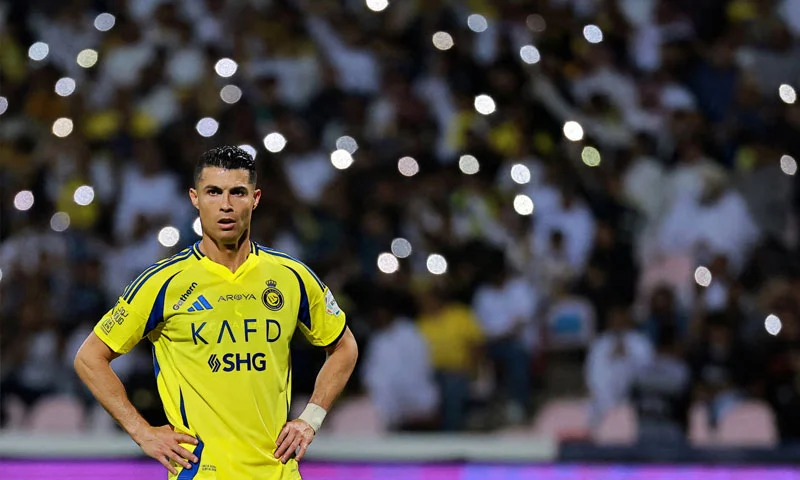
Cristiano Ronaldo’s Clash With Saudi Pro League: What’s Really Going On?
Tensions are rising sharply in the Saudi Pro League as Cristiano Ronaldo’s frustration with his club’s transfer strategy and the league’s response makes headlines across global sport. The Portuguese legend’s dispute has drawn a rare rebuke from league officials, who sent a strong message that no individual is bigger than the competition itself. The controversy intensified after Ronaldo missed Al-Nassr’s recent match against Al Riyadh, widely seen as a form of protest over the club’s limited activity in the mid-season transfer window. The 41-year-old star reportedly objected to Al-Nassr signing only a couple of players in January, while rivals like Al-Hilal made high-profile moves, including signing former Real Madrid star Karim Benzema. Read More: Cristiano Ronaldo Scores 960th Career Goal, Inches Closer to 1,000 Mark In an unusually direct statement to BBC Sport, Saudi Pro League officials emphasized that clubs operate independently and that “every club operates independently under the same rules. Clubs have their own boards, their own executives and their own football leadership.” The league also made clear that decisions on recruitment and spending rest with each club, not with star players. According to ESPN, Ronaldo may boycott a second consecutive match after his absence against Al Riyadh and is said to be seeking assurances that the Public Investment Fund (PIF) — which backs several top Saudi clubs — will change its approach to support Al-Nassr’s competitive ambitions. Read More: Before Bugatti and Rolls-Royce, Cristiano Ronaldo’s First Car Was a Suzuki Swift Ronaldo’s dissatisfaction with how transfers were handled stems largely from a broader breakdown in competitive balance, sources tell multiple outlets. He reportedly felt overshadowed as clubs like Al-Hilal — also majority-owned by PIF — strengthened extensively while Al-Nassr made far fewer signings. Despite missing consecutive games, reports suggest Ronaldo has returned to training and might play in upcoming fixtures if negotiations advance. Rumours now swirl about his future, with possible interest from clubs in Turkey and Europe should the impasse continue. Ronaldo’s career at Al-Nassr has been historic but trophy-light. Since joining in December 2022, he has scored over 100 goals and helped elevate the profile of the league globally, even as the team chases major silverware. Read More: Cristiano Ronaldo and Georgina Rodriguez Purchase Luxury Homes at Saudi Arabia’s Red Sea Project Observers say the episode highlights deepening challenges in Saudi football’s rapid transformation. What began as a bold campaign to attract superstar talent now faces questions about internal balance and governance as clubs juggle ambition with sustainability. The outcome could shape Ronaldo’s legacy in the Middle East and the league’s appeal to other elite players.
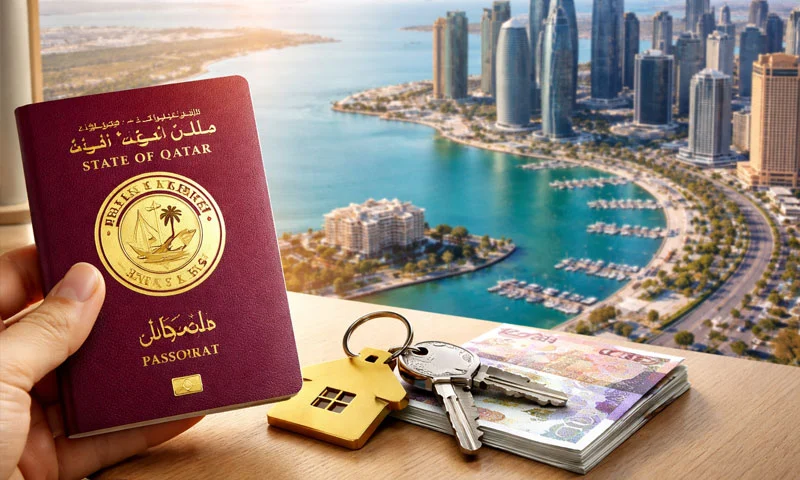
Qatar’s New 10-Year Residency Explained: Who Qualifies and Why It Matters
Qatar has taken a major step to attract global business talent by announcing a new 10-year residency programme for entrepreneurs and senior executives. The move was revealed at Web Summit Qatar 2026, where officials framed it as a boost to economic diversification and regional competitiveness. The new visa is not open to all workers. It focuses on two main categories: entrepreneurs building innovation-led businesses, and senior executives with proven leadership roles. Entrepreneurs must secure endorsement from a recognised Qatari incubator such as Qatar Science & Technology Park (QSTP) and must meet Qatar’s private-sector priorities to qualify. Read More: Top Europe Destinations Pakistanis Can Visit Without a Schengen Visa in 2026 Though official launch dates are not yet set, early eligibility details have been outlined by Qatar’s Ministry of Interior and investment authorities. Applicants will need comprehensive documentation, including business plans, credentials, and financial statements, before submission through government portals such as the Hukoomi portal or the Jusoor platform. Processing typically takes four to eight weeks, including medical and security checks. This 10-year residency complements Qatar’s existing long-term residency options. Foreign nationals already may gain residency by investing in Qatari real estate — normally by purchasing property worth at least QAR 730,000 (about US $200,000) in approved freehold zones such as The Pearl or Lusail. Higher investment levels can lead to permanent residency benefits, which include access to public healthcare and education. Read More: Passport Privilege: Here Are the Best and Worst Passports for Global Travel in 2026 The initiative aligns Qatar with neighbouring Gulf nations. The UAE Golden Visa already offers 10-year residency for investors and entrepreneurs meeting set thresholds, while Saudi Arabia has expanded its Premium Residency options. These long-term visas aim to reduce dependency on short-term work permits and traditional sponsorship models. For professionals based in the UAE or other GCC countries, Qatar’s new programme opens a fresh gateway for business expansion in a growing market. Startup founders and executives now have the opportunity to establish regional hubs directly tied to Qatar’s venture ecosystem. This can reduce reliance on local sponsorship requirements that have long shaped employment in the Gulf. Read More: Marriage to a US citizen is no longer a guaranteed route to a Green Card Officials hope the 10-year residency will boost foreign direct investment, nurture innovation hubs, and help Qatar build a knowledge-based economy less dependent on hydrocarbon revenue. The programme supports family sponsorship rights and offers long-term planning certainty for global professionals and investors alike.
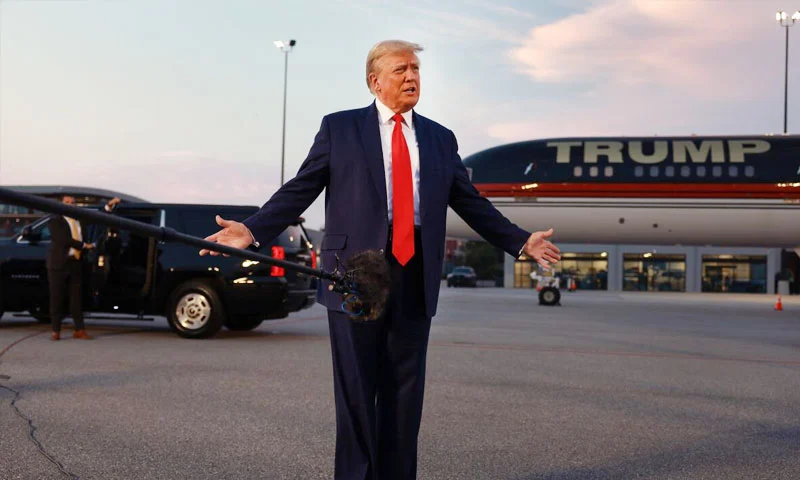
US President Donald Trump Talks Missiles, Vigilance and Why He Refuses to Sleep on Flights
US President Donald Trump stunned listeners at the National Prayer Breakfast by admitting he deliberately doesn’t sleep on long flights aboard Air Force One — and claims he watches the skies for threats instead. His candid remarks on Thursday offered a window into his mindset on travel and national security. Trump, 79, told the audience he prefers staying awake on flights that can last up to 20 hours. “I don’t sleep on planes,” he said. “I don’t like sleeping on planes. I like looking out the window for missiles and enemies actually.” The statement drew laughs, but also raised eyebrows. Most travelers try to sleep on long flights, especially a head of state with massive responsibilities. Trump’s remark tied personal travel habits to a broader idea of vigilance in a world he says is full of danger. In his anecdote, Trump recalled a visit to Iraq during his first presidential term. After landing, a senior officer offered Trump rest before briefings. Trump refused, saying sleep wasn’t necessary. He reportedly insisted on starting briefings right away. Trump: “I don't sleep on planes. I don't like sleeping on planes. I like looking out the window looking for missiles and enemies.” Greatest to ever do it. 😭pic.twitter.com/2UKh3H9jAX — johnny maga (@_johnnymaga) February 5, 2026 Trump later introduced retired US Army General Daniel “Raisin” Caine — a special operations leader credited with helping defeat ISIS — sharing the spotlight with a military figure while underscoring his own alertness. Trump has long bragged about needing very little sleep. During the 2016 campaign he once said, “I’m not a big sleeper. I like three hours, four hours.” Meanwhile, former aides and allies have described long flights with Trump as anything but restful. Secretary of State Marco Rubio shared with New York Magazine that he hides under a blanket on Air Force One to avoid Trump’s in-flight patrols and reactions to people sleeping. “I cocoon myself in a blanket,” Rubio said. “I cover my head. I look like a mummy.” Trump’s comments come at a time of increased focus on missile threats and national defense. Experts note that land-based intercontinental ballistic missiles (ICBMs) like the U.S. LGM-30 Minuteman remain central to American deterrence strategy, capable of reaching targets across the globe in minutes if ever deployed. Whether Trump’s missile-watching remarks were symbolic or literal, they underscore a broader theme in his current leadership: a willingness to tie even personal habits to global security narratives. In an era of rising geopolitical competition, especially with countries like Russia and China developing advanced missile technology, the United States continues to invest in both deterrence and early detection systems.
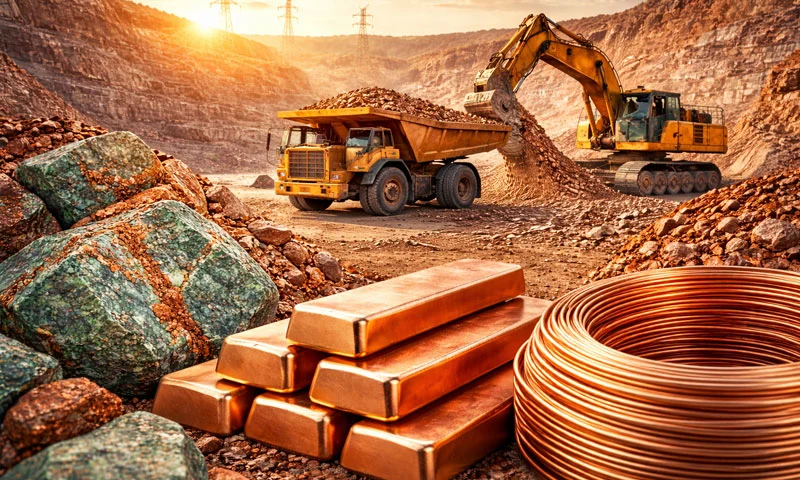
Copper’s Global Boom Is Here: Can Pakistan Turn Reko Diq Into a Billion Dollar Export Engine?
Global demand for copper is accelerating at an unprecedented pace, driven by the rapid expansion of electric vehicles, renewable energy infrastructure, power grids, and data centres supporting artificial intelligence. Industry analysts warn that without major new mining projects, the world could face a severe copper supply deficit within the next two decades — a development that has pushed long-term price forecasts sharply higher. According to S&P Global, global copper demand is expected to increase by nearly 50% by 2040, reaching more than 42 million tonnes annually. The consultancy has cautioned that supply growth is lagging behind demand, potentially creating a shortfall of over 10 million tonnes per year if new projects do not come online in time. This imbalance is already influencing prices, with Goldman Sachs projecting copper prices could rise to $15,000 per tonne by the mid-2030s, compared to current levels that hover around $9,000–$10,000 per tonne. Why Copper Demand Is Surging Copper’s importance lies in its unmatched conductivity and durability. Electric vehicles require up to four times more copper than conventional cars, while solar and wind power systems depend heavily on copper wiring. Power grid upgrades, particularly in Asia, are also copper-intensive. The Asia-Pacific region, led by China, is expected to account for nearly 60% of incremental copper demand growth through 2040. Pakistan’s Copper Potential Against this global backdrop, Pakistan finds itself in a potentially advantageous position. The country hosts one of the world’s largest undeveloped copper-gold deposits at Reko Diq, located in Balochistan’s Chagai district. According to feasibility data released by OGDCL, the project contains an estimated 13.1 million tonnes of copper and 17.9 million ounces of gold on a 100% basis. The project is being developed by Barrick Gold in partnership with the Government of Pakistan and the Government of Balochistan. Phase-1 production is targeted for 2028, with expected annual output of around 200,000 tonnes of copper, while Phase-2 could double that capacity. What Experts Say Pakistan’s Finance Minister Muhammad Aurangzeb has publicly underscored the strategic importance of copper for the country’s future. Speaking at a policy forum last year, he said: “Copper is going to play the most critical role in the global energy transition. Copper is to Pakistan what nickel has been to Indonesia.” Similarly, Mark Bristow, President and CEO of Barrick Gold, has repeatedly highlighted Reko Diq’s long-term value. In an official statement following the project’s feasibility update, Bristow said: “Reko Diq is a world-class copper-gold asset with the potential to generate significant economic benefits for Pakistan over many decades, provided it is developed responsibly and sustainably.” Pakistani economists argue that if managed well, copper exports could diversify Pakistan’s export base beyond textiles. Analysts have noted that mineral exports could help stabilise foreign exchange inflows and reduce balance-of-payments pressure over the long term. Can Copper Change Pakistan’s Economic Trajectory? Experts caution that mineral wealth alone is not enough. Security conditions, infrastructure development, transparent governance, and local value addition will determine how much Pakistan truly benefits. However, with global copper demand structurally rising and supply constrained, Pakistan’s timing could be favourable. If projects like Reko Diq progress as planned, Pakistan could emerge as a significant supplier in a market where copper is fast becoming one of the world’s most strategic metals — potentially reshaping the country’s export profile in the coming decades.
