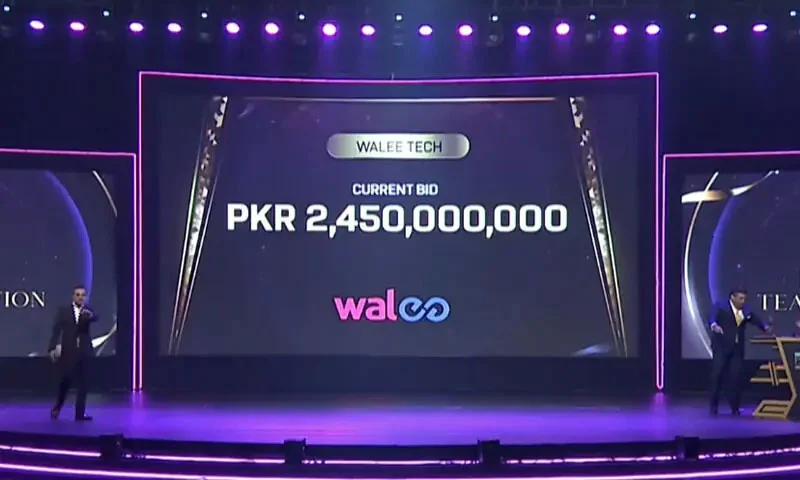
The Pakistan Super League (PSL) entered a new commercial era on Friday after Multan Sultans were sold for a record Rs245 billion, making it the most expensive franchise transaction in the league’s history ahead of PSL 11. The landmark sale highlights the growing commercial appeal of Pakistan’s premier T20 competition. According to official announcements, the Multan franchise was acquired through a competitive auction process overseen by the Pakistan Cricket Board (PCB). The valuation far exceeded previous franchise prices and signals strong investor confidence in the league’s future, despite economic challenges facing the country. پی ایس ایل ملتان سلطانز 2 ارب 45 کروڑ میں ولی ٹیک نے خرید لی۔ملتان سلطان پی ایس ایل کی سب سے مہنگی فرنچائز بن گئی۔ pic.twitter.com/QL51RkRKA8 — Muhammad Aalijah Khan (@MuhammadAalija1) February 9, 2026 >The sale was confirmed as the PSL simultaneously conducted live franchise auctions to onboard two new teams for the upcoming expansion. These developments mark the league’s shift toward a more open, market-driven franchise ownership model. Multan Sultans were originally added to the PSL in 2018 and later purchased by the Ali Tareen-led consortium in 2021. Under their ownership, the franchise emerged as one of the league’s most consistent teams, winning PSL 6 and reaching multiple finals. The sustained on-field success and strong regional fan base significantly boosted the franchise’s valuation. Speaking at the franchise auction ceremony, the newly appointed owners announced a major rebranding decision, revealing that the team will no longer compete under the Multan Sultans name and will instead be known as Rawalpindi. Unveiling the surprise move on stage, Walee Technologies Chief Executive Officer Ahsan Tahir told the audience, “Are you ready for a surprise? We will be going for Rawalpindi!” The announcement drew immediate attention, marking a significant shift in the franchise’s identity following its record-breaking acquisition. Pakistan Cricket Board (PCB) Chairman Mohsin Naqvi congratulated Walee Technologies on securing the franchise with the highest bid in PSL history and paid tribute to former PCB chairman Najam Sethi, crediting him for laying the foundation of the Multan Sultans. “This Multan Sultans was created by Najam Sethi sahib, the person who started this journey. We are so pleased he is with us today,” Naqvi said, before inviting Sethi to join him on stage. Addressing the audience, Sethi expressed his pride and emotional connection to the franchise. “I’m obviously delighted to be here; this is the culmination of a dream come true,” he said. Sethi further praised the leadership under which the transition took place, adding, “I’m obviously over the moon that it’s come through under Mohsin Naqvi, who is a dear, dear friend of mine.” Describing the successful auction as a landmark moment, Sethi called the winning bid “a great moment for Pakistan cricket” and hinted at further positive developments ahead. He said fans and stakeholders could expect “good news beyond PSL” in the coming days, without offering additional details. Walee Technologies, the new franchise owner, describes itself as a global company operating across media, finance, and technology sectors. According to information available on its official website, the firm has previously been involved in major digital ventures and had already acquired PSL livestreaming rights, underscoring its growing footprint in Pakistan’s cricket and sports media ecosystem. The acquisition and rebranding come at a time when the Pakistan Super League is entering a new commercial phase, marked by expansion, rising franchise valuations, and increased corporate interest. The decision to rebrand the team as Rawalpindi signals a strategic attempt to tap into a broader fan base and strengthen regional identity ahead of the league’s next season. Expansion Background: Sialkot and Hyderabad Alongside the Multan deal, the PCB has expanded the PSL from six to eight teams for PSL 11. Two new franchises Sialkot Stallions and Hyderabad were auctioned earlier this year as part of the league’s growth strategy. The inclusion of Sialkot and Hyderabad follows months of planning and financial vetting. Both cities were selected due to their historic cricketing significance, commercial potential, and geographic balance. The PCB has stated that expansion is designed to increase regional representation, enhance broadcast value, and unlock new sponsorship markets. Live auction updates showed strong interest from corporate groups and investors, reflecting confidence in the PSL’s long-term revenue streams, including media rights, sponsorships, and digital platforms. What This Means for the PSL The record Multan Sultans sale places the PSL among the fastest-growing franchise leagues globally in terms of valuation growth. Analysts note that higher franchise prices increase league stability, attract international stakeholders, and strengthen Pakistan cricket’s commercial ecosystem. However, experts also caution that rising valuations will increase expectations around governance, transparency, and financial sustainability. Franchise owners will now be under greater pressure to deliver both sporting success and commercial returns. With PSL 11 set to introduce a full auction-based player recruitment system and an expanded team lineup, the league is entering its most ambitious phase yet. The Multan Sultans sale, combined with the induction of Sialkot and Hyderabad, signals that the PSL is positioning itself as a long-term global T20 brand.
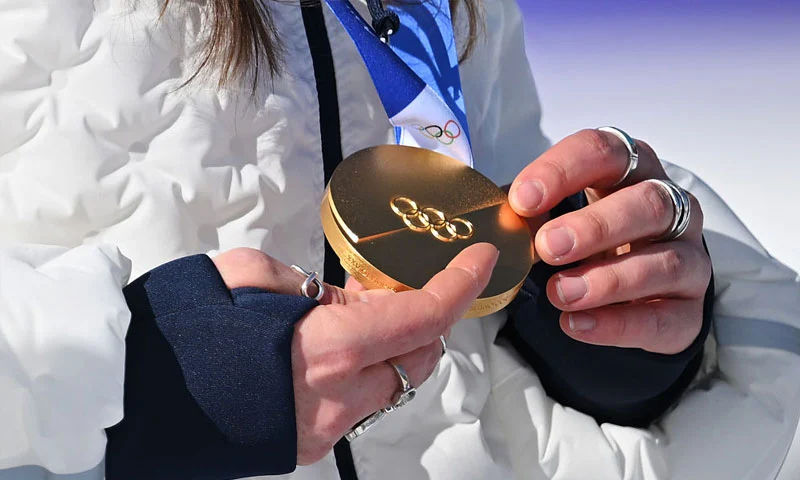
Winter Olympic Gold Medals Hit Record Value: Here’s What They’re Worth
As the 2026 Milan-Cortina Winter Olympics get underway, the value of Olympic medals especially gold has reached record highs due to soaring precious-metal prices worldwide. Analysts say this Games will feature the most valuable medals in Olympic history when measured by raw material worth. Each gold medal awarded in 2026 contains about 506 grams of metal: roughly 500 grams of sterling silver and a thin layer of about six grams of pure gold plating, a tradition that dates back to the early 20th century when medals stopped being made from solid gold. ([turn0search1]; [turn0search50]) With global markets pushing gold prices toward more than $5,000 an ounce and silver also at multi-year highs, the intrinsic metal value of a Winter Olympics gold medal now exceeds $2,200–$2,400, more than double its worth at the 2024 Summer Games in Paris. Silver medals, made entirely of silver, are also significantly more valuable. At current prices, each silver medal contains about 500 grams of pure silver, giving it a raw metal value close to $1,400. Bronze medals, composed largely of copper, remain comparatively modest in value — typically worth less than $10 in raw materials but their symbolic worth to athletes remains immense. Cash Bonuses Add Financial Incentive While medal material value has surged, many national Olympic committees also offer generous cash bonuses to their medal winners — often far exceeding raw metal worth. According to Forbes, at least 37 countries have confirmed financial rewards for 2026 medalists. Thirteen nations will offer $100,000 or more for an individual gold medal, with Singapore’s payout approaching $800,000. Incentives vary dramatically by country. Some nations, like New Zealand, provide more modest bonuses closer to a few thousand dollars, reflecting different funding priorities and sports support systems worldwide. ([turn0news0]; [turn0search51]) These bonuses can boost the financial impact of winning significantly, encouraging athletes and raising the stakes of competition. Meaning Beyond Metal and Money Experts stress that the true value of an Olympic medal goes far beyond its raw materials or cash bonuses. Olympic medals represent years of training, sacrifice, and peak performance on the world stage. Many former champions have seen medals sell for six or seven figures at auctions, especially icons like Jesse Owens, whose 1936 gold medals fetched more than $1.4 million each. The design of the 2026 medals also reflects artistic and symbolic choices. Crafted by the Italian State Mint using recycled metals and renewable energy, the medals feature interlocking halves symbolizing the two host cities of Milan and Cortina d’Ampezzo. Fans and athletes alike are following these value trends with interest as the Winter Games progress. With 245 gold, 245 silver and 245 bronze medals scheduled for competition winners, the combined metal value of all medals could exceed $1.3 million. This year’s Milan-Cortina Olympics may well be remembered not just for athletic triumphs, but for the unprecedented economic worth of the medals themselves.
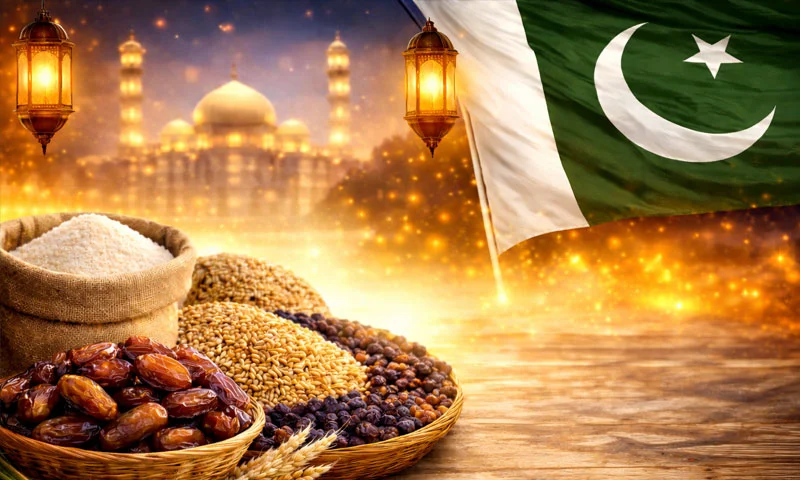
Pakistan Sets 2026 Fitrana and Fidyah Amounts: Here’s What You Must Pay
Pakistan’s Islamic Ideology Council (IIC) has announced the updated Fitrana and Fidyah amounts for Ramadan 2026, aiming to help the faithful fulfil their religious obligations and support underprivileged communities ahead of Eid ul-Fitr. Religions scholars set the amounts after assessing current market prices for key food staples. According to Dr. Raghib Hussain Naeemi, Chairman of the IIC, the minimum amount for both Fitrana (Zakat al-Fitr) and Fidyah has been fixed at Rs 300 per person. However, the actual required amount varies depending on the type of food item chosen as the basis for calculation. The rates for Fitrana and Fidyah this year are: Barley: Rs 1,100 per person Dates (Khajoor): Rs 1,600 per person Raisins (Kishmish): Rs 3,800 per person Dried figs (Maniqah): Rs 5,400 per person These amounts represent the charitable gift that each Muslim who is financially able should pay before Eid prayers. Traditionally, Fitrana is given in the form of basic foodstuffs or their monetary equivalent so that needy families can enjoy the festival with dignity. Fidyah Explained Fidyah is the compensation paid by individuals who are unable to fast during Ramadan due to valid reasons such as chronic illness, pregnancy, old age, or other health limitations. It is meant to ensure that the spirit of charity and community support continues even when a person cannot observe fasts. For those who miss an entire month of fasting, the Fidyah amounts for 30 days have also been set: Wheat: Rs 9,000 Barley: Rs 33,000 Dates: Rs 48,000 Raisins: Rs 114,000 Dried figs (Maniqah): Rs 162,000 In addition, for those using government-supplied flour, the amount for Fitrana or Fidyah per head is Rs 200, and the Fidyah for the full 30 days is Rs 6,000. Religious and Social Guidance Dr. Naeemi emphasised that Zakat al-Fitr is obligatory on every Muslim, regardless of age or gender, provided they have the means to give. He said the charity should be paid before the Eid prayer so the needy can celebrate Eid with adequate food and provisions. He also reminded that if a fast is intentionally broken without a valid reason, the person must either fast for 60 consecutive days or feed 60 needy individuals two meals each as atonement. Comparison With Previous Years In Ramadan 2025, the minimum Fitrana amount was set at Rs 220 per head based on wheat, with higher rates for premium items like dates and raisins. Religious leaders encouraged donors to give according to their financial capacity to maximise support to the less fortunate. This annual announcement serves as an essential guide for households across Pakistan preparing for Ramadan, helping them calculate their charitable contributions and fulfil religious responsibilities in a timely and meaningful way.
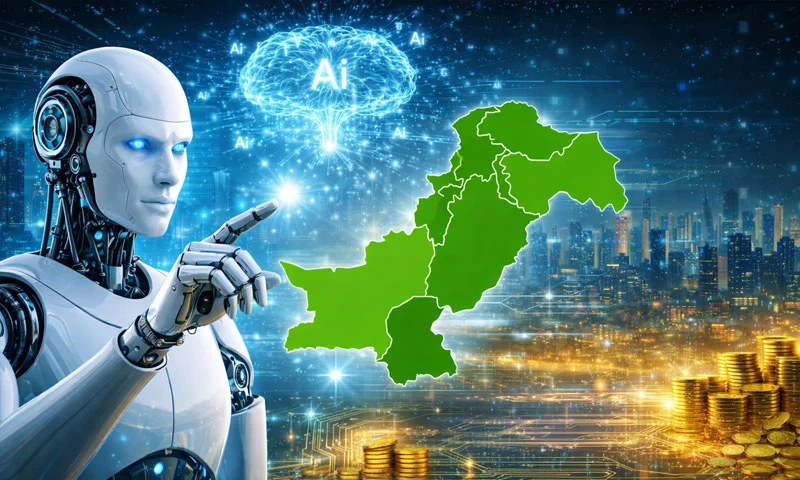
Pakistan Bets Big on AI: $1 Billion Plan That Could Change the Economy
Prime Minister Shehbaz Sharif announced on February 9, 2026, that Pakistan will invest USD 1 billion (about Rs 280 billion) in artificial intelligence (AI) by 2030 as part of a nationwide drive to build a strong AI ecosystem and prepare the nation for rapid digital transformation. The announcement came during the Indus AI Week 2026 inauguration in Islamabad, where government officials, technologists, students and international delegates gathered to discuss AI policy, innovation, skills and industry cooperation. “The Government of Pakistan is committed to investing USD 1 billion in AI by 2030, which will go a long way in building an AI ecosystem in our country,” the prime minister told the audience, underlining the country’s intent to position itself in the global technological race. Training, Talent and Education at the Core Central to the government’s strategy is human capital development. Pakistan plans to train one million non-IT professionals in AI skills nationwide, enabling workers from diverse sectors — from agriculture to services — to adopt AI tools and improve productivity. An AI curriculum will be introduced in schools and colleges in all provinces, including Azad Jammu & Kashmir (AJK), Gilgit-Baltistan (GB), and Balochistan’s remote areas, ensuring that the nation’s youth are prepared for AI-driven careers. The government will also award 1,000 fully funded PhD scholarships in AI by 2030, aimed at building world-class research capacity and national AI research centres. These steps align with the earlier approval of the National Artificial Intelligence Policy 2025, which seeks to democratise access to AI, expand employment opportunities, and foster innovation across Pakistan. The policy — approved by the federal cabinet — also envisions training one million AI professionals by 2030, launching AI innovation funds, and incubating hundreds of AI-enabled projects and products. Public-Private Partnerships and Real-World Impact Pakistan’s AI ambitions extend beyond education. The government recently announced initiatives to support local data infrastructure, including a partnership between a Pakistani tech firm and a US company to build a national AI cloud data centre, which will help startups, universities and enterprises run AI workloads domestically. Experts argue that AI can revolutionise key sectors such as agriculture, healthcare, mining and mineral processing, and commerce, helping Pakistan boost efficiency and create new job opportunities. However, they also note that the country must address challenges such as energy constraints, digital infrastructure gaps and skill shortages to fully realise the vision. As AI Week continues through February 15, government officials and industry leaders are expected to outline further partnerships, investment pledges, and programmes to accelerate Pakistan’s AI ecosystem and foster innovation for the next decade.
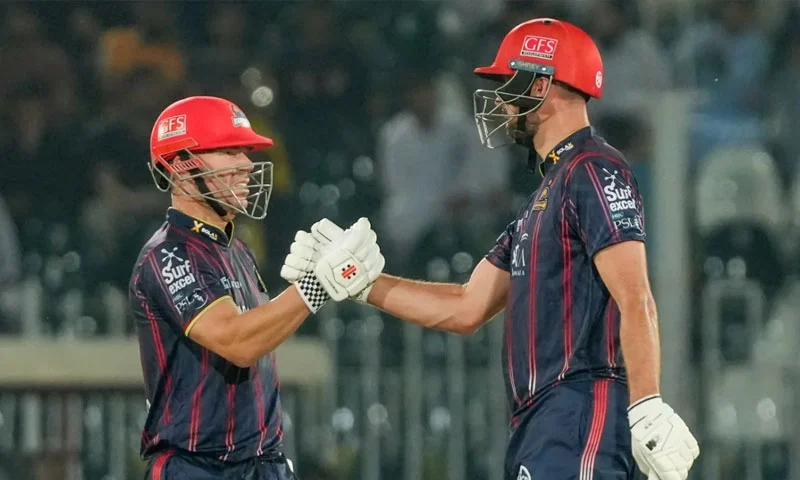
David Warner, Daryl Mitchell Among Elite Names Set to Go Under the Hammer at PSL 11
The Pakistan Super League (PSL) Season 11 auction, set for February 11, 2026, has captured global cricket attention as a record 879 local and international players have registered for the historic event, the Pakistan Cricket Board (PCB) announced on Friday. The list includes top stars like Australia’s David Warner and New Zealand’s Daryl Mitchell, highlighting the growing global appeal of Pakistan’s premier T20 franchise tournament. The player pool reflects an unprecedented level of depth and diversity. Players from more than 24 cricketing nations — including Afghanistan, England, South Africa, Australia, and Sri Lanka — have signed up, giving franchises a wide range of talent to bid for when the auction opens in Lahore next week. Big Names in Top Base Price Bracket Several high-profile names have placed themselves in the elite PKR 4.2 crore base price category, the highest tier in the auction. Alongside Warner and Mitchell are players such as Michael Bracewell (NZ), Rilee Rossouw (SA), James Vince (ENG), and Dasun Shanaka (SL). Among Pakistan’s own big names, stars like Mohammad Rizwan, Haris Rauf, Fakhar Zaman, Mohammad Amir, Salman Ali Agha, and Faheem Ashraf headline the highest base-price bracket, giving franchises plenty of local quality to build around. Base prices for registered players range from PKR 60 lakh up to PKR 4.2 crore, depending on experience, form, and reputation. The broad price structure ensures that teams can balance marquee signings with value picks to maximise squad balance under budget caps. Full Auction Model, New Franchise Landscape The PSL 11 auction will be the first time in league history that squads are formed entirely through an open auction system, replacing the traditional draft that had been used since the league’s inception. PSL is also expanding its footprint. For the first time, eight teams will compete in the season running from March 26 to May 3, 2026, after the addition of two new franchises: the Hyderabad Houston Kingsmen and the Sialkot Stallionz. This growth has increased competition for top players and sparked major interest from global stars keen to participate in one of T20 cricket’s most dynamic leagues. Ahead of the auction, teams have direct-signing budgets in addition to auction purse allocations. What Fans Can Expect With such a vast pool of talent, high base prices, and a full auction model, PSL 11 promises thrilling bidding wars as franchises strategise to build championship-winning squads. Fans can anticipate blockbuster signings and exciting new combinations when the auction unfolds next week.
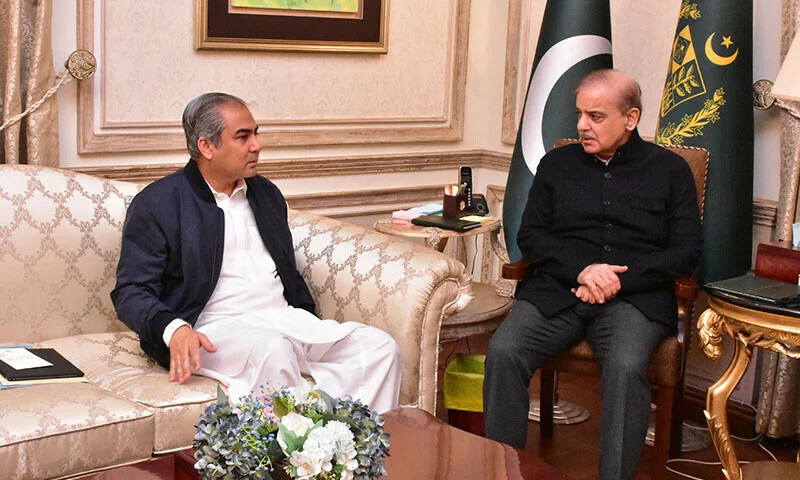
Will Pakistan Play India? Final Decision Expected From PM Shehbaz
The highly anticipated ICC Men’s T20 World Cup 2026 showdown between Pakistan and India remains in limbo as Prime Minister Shehbaz Sharif prepares to make a final government decision on Pakistan’s participation in the February 15 match. The choice comes amid political tensions, fan divisions, and growing international pressure surrounding the controversial boycott plan first announced by the Government of Pakistan. The match, scheduled in Colombo, is one of the most watched fixtures in cricket and typically draws massive global viewership. However, Pakistan’s government has asserted that the team will abstain from playing India to show solidarity with Bangladesh, which was removed from the tournament earlier after refusing to play matches in India over security concerns. As World Cup preparations continue, the final decision is expected around February 12, according to multiple media reports. Pakistan Cricket Board (PCB) chairman Mohsin Naqvi is set to brief the prime minister on the situation, recent negotiations, and possible course of action before the government announces its stance. Speaking earlier, Prime Minister Shehbaz Sharif emphasised that politics should not interfere with sports, while backing Pakistan’s stance on the issue. Sharif said the boycott decision was made after careful consideration and highlighted Pakistan’s solidarity with Bangladesh. The International Cricket Council (ICC) has responded to Pakistan’s earlier announcement, noting that selective participation undermines the fundamental premise of a global sporting event, where all teams are expected to compete according to the schedule. The ICC also warned that Pakistan must consider the “significant and long-term implications” for cricket in the country if the boycott goes ahead. The decision to boycott has sparked vibrant public debate in Pakistan. Many fans and former players have rallied behind the move, arguing it stands against perceived bias in the treatment of Bangladesh by the ICC. Others warn that skipping a match against India will not only disappoint cricket lovers but could have serious ramifications for Pakistan’s prospects in the tournament. The boycott plan emerged after Bangladesh’s refusal to play in India earlier in the year, which was linked to security concerns cited by the Bangladesh Cricket Board. Pakistan subsequently announced that it would participate in the World Cup but would not take the field against India, a move that was communicated through government channels and echoed by the PCB. With the deadline approaching and the World Cup schedule underway, cricket authorities, fans, and governments are all watching closely. If Pakistan ultimately confirms the boycott, the match will be forfeited, affecting both teams’ standings in Group A and reshaping the dynamics of the tournament’s early rounds.
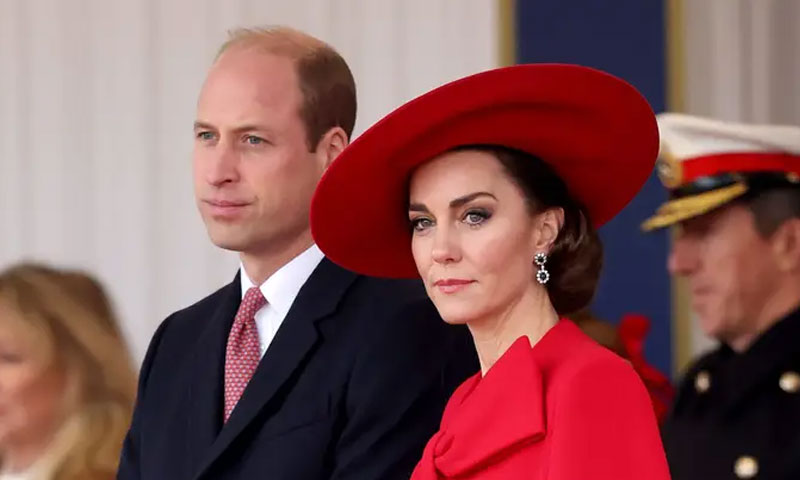
New Epstein Revelations Draw Rare Royal Response From Prince William, Kate
The British monarchy has issued a rare and pointed public response to fresh revelations from the Jeffrey Epstein scandal, with Prince William and Princess Catherine expressing deep concern over the latest disclosures. A spokesperson for the Prince and Princess of Wales said the couple is “deeply concerned by the continuing revelations” and stressed that “their thoughts remain focused on the victims” as the crisis intensifies. The statement — released on February 9, 2026 — comes amid global fallout from newly released files related to Jeffrey Epstein, the convicted U.S. financier and sex offender whose network of powerful connections has drawn scrutiny worldwide. The couple’s comments mark one of the first direct royal responses from senior working members of the British royal family since the documents emerged. The Epstein Files and Royal Fallout The extensive documents — released by the U.S. Department of Justice earlier this year — include millions of pages of previously sealed communications, financial records and correspondence linked to Epstein and his associates. Some of the newly disclosed emails include contact between Epstein and Andrew Mountbatten-Windsor, formerly Prince Andrew, raising fresh questions about the nature of their interactions long after Epstein’s 2008 conviction. In response, Buckingham Palace has taken steps to distance the monarchy from Andrew’s involvement. In October 2025, Andrew agreed to relinquish all his royal titles and honours — including his dukedom — in an effort to prevent ongoing controversy from overshadowing the monarchy’s work. He has also relocated from the historic Royal Lodge to a smaller residence on the Sandringham estate. A Statement Focused on Victims A Kensington Palace spokesperson reiterated that William and Catherine’s concerns lie not with reputational damage but with support for survivors of abuse. “I can confirm that the Prince and Princess of Wales have been deeply concerned by the continued revelations. Their thoughts remain focused on the victims,” the statement said as William began a diplomatic visit to Saudi Arabia. The palace’s careful wording reflects both empathy and distance from the scandal, which has unsettled the royal family as well as political leaders in the U.K. Recent fallout has also included resignations and political scrutiny over ties to Epstein among government figures. Historic Scandal, Ongoing Impact Epstein’s criminal enterprise and social circle once spanned some of the most powerful figures worldwide, and the newly released files have reignited global interest in long-standing questions about elite networks and accountability. While Andrew has denied wrongdoing, the torrent of new documents continues to shape public debate and institutional responses in the U.K. and beyond. By pairing a show of concern with explicit focus on victims, Prince William and Princess Catherine seek to balance their roles as senior royals with a modern emphasis on justice and empathy — even as that stance unfolds against a backdrop of deepening scandal.
Moody’s Revises Pakistan’s Banking Outlook to Stable: What It Means for the Economy
Global credit rating agency Moody’s Investors Service has revised its outlook on Pakistan’s banking sector from positive to stable, highlighting the country’s gradually recovering economy and more balanced fiscal and external positions. The move comes amid broader improvements in economic indicators but also underscores ongoing challenges facing Pakistan’s financial system. In its February 2026 update, Moody’s said that the banking sector’s operating environment continues to recover, but the improvement is cautious and incremental rather than rapid. “We have changed our outlook on Pakistan’s banking system to stable from positive,” Moody’s said, signalling a less optimistic trajectory than before. Moody’s forecasted real GDP growth of about 3.5 percent in 2026, an improvement from 3.1 percent in 2025, supported by ongoing structural reforms and easing macroeconomic pressures. Despite this, the agency noted that financial performance will likely remain stable but not robust, as banks still face stress from asset quality issues and profitability constraints. Why the Change Matters The shift from positive to stable outlook does not indicate a downgrade in rating, but it means that Moody’s now perceives less acceleration in economic momentum and greater uncertainty about rapid improvement. A positive outlook suggests that future upgrades are more likely, while a stable outlook implies that the current assessment is expected to remain steady over the next one to two years. Moody’s highlighted the close link between banks and the government since Pakistani banks hold a large share of government securities, which are sensitive to the sovereign’s credit strength. Any stress in public finances could therefore directly affect the financial sector’s performance. Economic Context The revised outlook comes against a backdrop of gradual macroeconomic stabilization after years of crisis. Pakistan endured a severe economic downturn from 2021 to 2024, marked by high inflation, currency depreciation, and shrinking foreign exchange reserves. By mid-2025, inflation had slowed significantly from double-digit peaks, and GDP growth returned to positive territory thanks to a combination of monetary easing and structural reforms. Despite these gains, persistent fiscal vulnerabilities and external pressures have restrained more optimistic projections. According to data from the State Bank of Pakistan, the country continued to record a current account deficit in late 2025 and early 2026, and foreign direct investment remained subdued. What Experts Say Economists say Moody’s shift reflects a cautious but realistic assessment of Pakistan’s economic trajectory. Komal Kenneth Shakeel, an economist and Head of Partnerships at Ignite, described the move by Moody’s not as a downgrade cycle but as “a signal that volatility has eased without a strong growth push behind it.” That, she added, means the banking sector is expected to perform steadily but not expand rapidly unless structural reforms gain momentum. Financial analysts emphasise that a stable outlook still offers comfort compared with a negative outlook, which signals deterioration. Stable conditions can help maintain investor confidence, drawing some capital flows and encouraging banks to strengthen their balance sheets. Importance for Pakistan’s Economy Moody’s assessment is significant for Pakistan’s broader economy. The banking sector plays a central role in financing private investment, supporting business activity, and underpinning confidence in financial markets. A stable outlook may help contain borrowing costs and prevent sudden capital outflows, even if it does not immediately unlock cheaper credit or a surge in foreign investment. In a global context where emerging markets compete for investor attention, maintaining a stable rating outlook can reduce the risk of sudden market volatility. Economists say that continued compliance with international financial programmes, including the International Monetary Fund (IMF) Extended Fund Facility, will be essential to bolster sentiment and potentially move the outlook back to positive or higher in the future.