


All eyes are on the India vs Pakistan showdown scheduled on February 15 at Colombo’s R. Premadasa Stadium as the two arch-rivals prepare for a marquee ICC Men’s T20 World Cup 2026 clash. Both teams have made winning starts to the tournament, and this high-stakes Group A encounter could prove pivotal for Super Eight qualification. The match marks yet another chapter in one of sport’s most intense rivalries, which has produced memorable contests and enthralling moments in World Cups and bilateral competitions. Globally, this fixture is one of the most watched in cricket, generating massive broadcast and online audiences each time it takes place. Defending champions India began their campaign with a commanding victory over the United States and then defeated Namibia by 93 runs, posting a formidable total of 209 for 9 in their second match. Key contributions from Ishan Kishan and Hardik Pandya further solidified India’s confidence ahead of the Colombo clash. Pakistan, meanwhile, had a nervy moment in their tournament opener against the Netherlands before sealing a thrilling win. They followed that with a reassuring performance against the United States, putting themselves on course with two victories from two matches. Analysts say Pakistan’s strong spin and pace options give them a balanced attack capable of challenging India’s batting depth in Colombo conditions. Weather conditions could play a significant role during the match, with forecasts indicating a risk of heavy rain during play, which may affect timings or result in a shortened game. Officials say extra time conditions and reserve day provisions stand ready if weather delays disrupt play. Cricket experts are highlighting several strategic battles to watch in the rivalry. India’s top performers like Hardik Pandya — the leading wicket-taker in India-Pakistan T20Is — could be crucial with both bat and ball, while Pakistan’s experienced attacks aim to counter India’s batting line-up in key phases. Historically, India has dominated T20 matches against Pakistan, with a strong head-to-head record in Twenty20 internationals. However, Pakistan’s spirited performances and unpredictable bowling make every contest uniquely exciting. Fans from both countries have flocked to Colombo in large numbers, boosting tourism and creating a carnival atmosphere en route to the biggest game of the group stage. With group standings tight and both sides unbeaten, the India-Pakistan match promises intense competition, tactical golf-course length duels and unforgettable moments for cricket supporters worldwide. Head-to-Head Record (T20 World Cup) Total Matches: 8 India Wins: 7 Pakistan Wins: 1 Pakistan’s Only Win: 10-wicket victory in 2021 Overall T20 International Record Total T20Is Played: 13+ India Wins: Majority of encounters Pakistan Wins: Limited victories Tied/No Result: Few instances (India holds a clear historical edge in the shortest format.) Form Guide – T20 World Cup 2026 India Beat USA comfortably Defeated Namibia by 93 runs Posted 209 for 9 in latest outing Strong net run rate Pakistan Narrow win in opening game Solid victory over USA Unbeaten in group stage so far Bowling unit showing consistency Key Players to Watch India Ishan Kishan – Aggressive top-order batting Hardik Pandya – All-round impact Varun Chakravarthy – Spin threat Pakistan Salman Ali Agha – Captain and stabilising presence Usman Tariq – Off-spin variation Balanced pace and spin options Venue Stats – R. Premadasa Stadium, Colombo Average First Innings Score: Around 150 Teams Batting First Win: Slight advantage Spin Friendly Surface in Middle Overs Rain Forecast: Possible interruptions
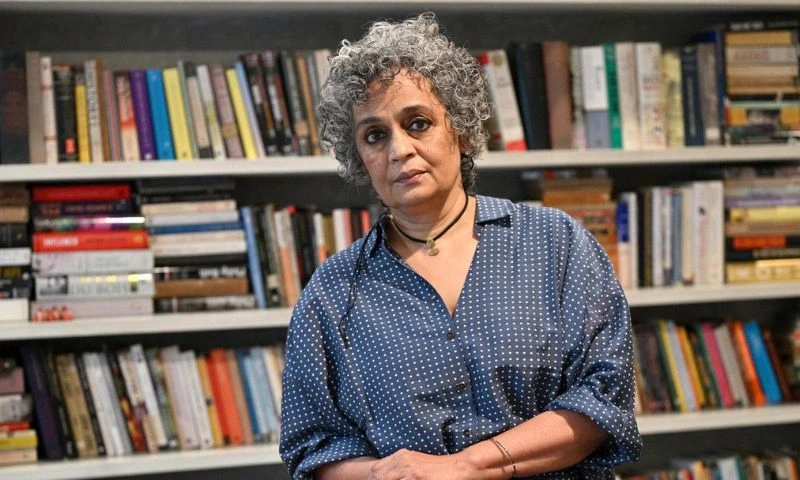
Iconic Indian Writer Arundhati Roy Withdraws From Berlinale in Gaza Protest
Award-winning Indian author and activist Arundhati Roy has pulled out of the 76th Berlin International Film Festival (Berlinale) in protest after comments by members of the festival jury relating to the ongoing Israel-Gaza war drew sharp criticism from her. Roy said she was “shocked and disgusted” by the responses from jury members when they were asked about the conflict. The writer was scheduled to attend the festival to present a restored version of her 1989 film In Which Annie Gives It Those Ones, which she both wrote and featured in. The film was selected for the Berlinale Classics section, a showcase of iconic cinema. However, Roy’s announcement means she will now skip the festival entirely. The controversy began when Wim Wenders, president of the Berlinale jury and a noted German filmmaker, responded to a question about Gaza during a press conference by saying that cinema should “stay out of politics.” He described films and filmmakers as serving as “the counterweight to politics,” suggesting artistic expression should not directly engage in geopolitics. Fellow jury member Ewa Puszczynska later said it was “a little bit unfair” to expect the jury to take a clear stance on the issue. These remarks drew immediate backlash from Roy, who fiercely rejected the idea that art and political expression should be separated when humanitarian crises unfold. In her statement, Roy said she was “shocked and disgusted” by the jury’s responses and described them as “unconscionable.” She said that hearing the jury suggest that art should not be political was “jaw-dropping.” Roy has repeatedly condemned the violence in Gaza and described Israel’s actions against Palestinians as a genocide while also criticising Western governments for their roles. The writer also warned that “if the greatest filmmakers and artists of our time cannot stand up and say so, they should know that history will judge them.” In addition to Roy’s withdrawal, several other classic films by Egyptian directors were reportedly pulled from the festival programme over concerns about the festival’s stance on the war. The Berlinale issued a statement expressing regret that these works and voices would not be present, adding that their inclusion would have “enriched the festival discourse.” The controversy has reignited global debate on the role of art and cultural platforms in political discourse, especially amid ongoing humanitarian crises. The Berlin Film Festival has long been known for engaging with topical issues, but this year’s events have highlighted deep divisions within the international arts community.
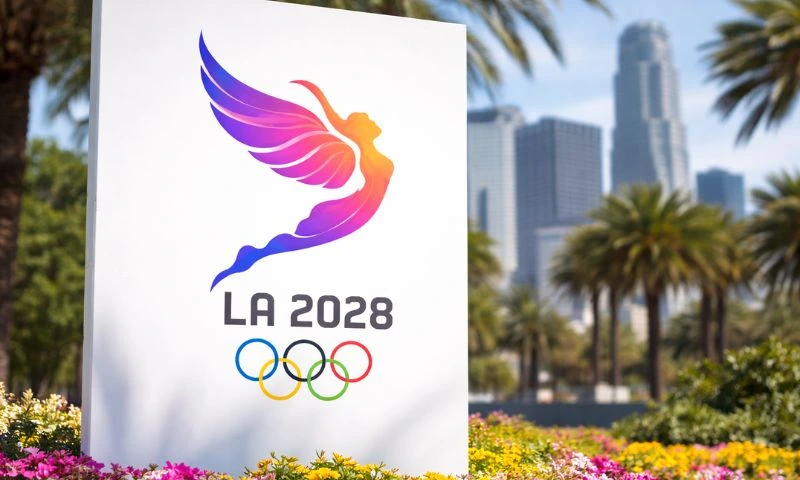
LA28 Olympics Chief to Sell Talent Agency Amid Maxwell Backlash
Casey Wasserman, chairman of the organising committee for the Los Angeles 2028 Olympic Games (LA28), has announced he will sell his talent and sports marketing agency following renewed criticism linked to past email exchanges involving Ghislaine Maxwell, the convicted associate of disgraced financier Jeffrey Epstein. The decision comes as calls for his resignation intensify amid public scrutiny of his involvement in the controversy. In a memo to staff of Wasserman Group, the agency he founded and which carries his surname, Wasserman expressed regret over the discomfort his past actions have caused colleagues, clients and partners. He wrote that his connection to the matter had “become a distraction” that could impact the agency’s operations and reputation. Wasserman, 51, said he intends to remain as head of LA28 while the sale process proceeds. “I’m deeply sorry that my past personal mistakes have caused you so much discomfort,” he said in the memo, according to multiple U.S. media reports. “It’s not fair to you, and it’s not fair to the clients and partners we represent so vigorously and care so deeply about.” Wasserman’s decision follows the release of decades-old emails from April 2003 that appeared in newly unsealed U.S. Justice Department documents. In one exchange with Maxwell—who is serving a 20-year sentence for trafficking underage girls on behalf of Epstein—Wasserman told her “I miss you” and later referenced a massage. He has denied any personal or business relationship with Epstein and stated that his interaction with Maxwell occurred before her criminal conduct was known publicly. Wasserman will face criticism in both the entertainment industry and Olympic circles. At least one high-profile client, Grammy-winning singer Chappell Roan, has left Wasserman Group in protest, saying no artist should overlook behaviour that “conflicts so deeply with our own moral values.” Other celebrities and sports figures represented by the agency have also distanced themselves amid the controversy. Despite mounting pressure, the LA28 Organizing Committee’s executive board has publicly backed Wasserman’s leadership for the 2028 Games. An internal review found no evidence suggesting legal wrongdoing beyond what is publicly documented. The committee emphasised that the Olympic preparations are on track and that the Games remain a priority. Wasserman is a well-known American entertainment executive and sports agent who has chaired the LA28 Organizing Committee since July 2017, following the city’s successful bid for the 2028 Summer Games. The Olympics are scheduled to take place in Los Angeles from July 14 to July 30, 2028. His talent agency, which includes thousands of employees and represents artists, athletes and entertainers, will be placed on the market as part of an effort to reduce distractions and protect its workforce and clients.
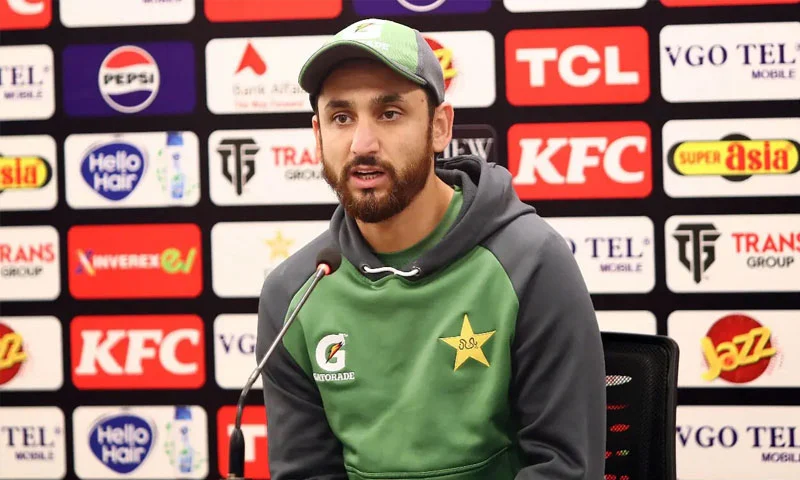
Pakistan Captain Salman Ali Agha Confident Ahead of India Match, Calls Usman Tariq ‘Trump Card’
Pakistan captain Salman Ali Agha said the team has remained fully prepared for its much-anticipated T20 World Cup clash against India, despite receiving final confirmation of the fixture later than expected. Speaking at a press conference, Agha dismissed concerns that the delay in the official “green light” could affect the team’s mindset or preparations. “We were always ready,” Agha said during the press briefing, referring to Pakistan’s readiness for the high-voltage match. He emphasised that the squad’s preparation both tactical and mental continued with the expectation that the showdown with India would take place. Agha Backs Usman Tariq as Pakistan’s “Trump Card” Agha also spoke about off-spinner Usman Tariq, describing him as a crucial asset for the team ahead of the India match. The captain said that criticism or discussions about Tariq’s bowling action would not distract the squad. “Usman Tariq is our trump card,” Agha declared. He added that the bowler has been cleared twice by official assessments and that Pakistan would focus on his strengths rather than external debate. The spotlight around Tariq grew after extended practice sessions hinted that the captain and coaching staff see him playing a pivotal role in the contest. His unique off-spin variations have caught attention and analysts from both sides of the rivalry are watching closely. Times of India further noted that the spinner’s action was cleared by the International Cricket Council (ICC), quelling lingering questions about its legality. “I hope Abhishek Sharma plays tomorrow. I wish him a speedy recovery because we want to compete against the best,” Salman Ali Agha said. pic.twitter.com/zMns9NKCPL — media (@Monusoni0) February 14, 2026 Pakistan Aims to Build Momentum Agha was clear that the team’s focus remains on execution, discipline, and performance. He said Pakistan has worked systematically ahead of the big game and has used the extra days to fine-tune plans. The Pakistan-India rivalry consistently ranks among the most watched sports fixtures globally. ICC broadcasting and digital engagement figures show that fixtures between the two nations regularly attract significant viewership across Asia, the Middle East, Europe and beyond. This match is no different, with fans and analysts fiercely debating team combinations, strategies and key battles. Despite the hype that accompanies this historic rivalry, the captain insisted that his players will “stick to basics and play their natural game.” With the match now officially confirmed, Pakistan’s camp says all preparations have been completed and the team is ready to compete with focus and determination.

Pakistan Court Says Husband Must Pay Full Dower if He Marries Again Without Consent
The Lahore High Court (LHC) has declared that a man who enters a second marriage without his first wife’s consent must pay her the full amount of dower (mahr) agreed upon in the marriage contract. The ruling underscores the court’s commitment to protecting women’s financial rights under Islamic law and civil jurisprudence in Pakistan. The case stemmed from a petition filed by a woman whose husband had married a second woman without seeking her consent. The husband later refused to pay the full dower, arguing that the first wife’s consent was not legally required. The LHC bench, however, held that Islamic injunctions and Pakistani law require the first wife’s consent for subsequent marriages, especially when the husband commits to protective conditions in the original nikahnama. Legal Basis for Consent in Nikahnama In Pakistan, the nikahnama (marriage contract) is a crucial legal document that outlines conditions agreed upon by both spouses. Many nikah contracts include clauses requiring the husband to obtain written consent from the first wife before contracting a second marriage. According to legal experts, such clauses aim to safeguard the first wife’s emotional and financial security. Senior lawyer and women’s rights advocate Ayesha Malik explained that the court’s ruling aligns with both statutory law and Islamic principles of fairness. She said, “When a husband signs a condition in the nikahnama, it becomes part of the contractual obligation. Failing to uphold that condition gives the wife the right to seek full dower.” This interpretation strengthens women’s rights and holds men accountable for their contractual commitments. Implications for Women’s Financial Security The LHC’s judgment holds significant implications for women’s financial security in Pakistan. Under Islamic law, dower (mahr) is a mandatory gift by the husband to the wife, reflecting respect and commitment. It can be paid immediately or deferred. When contractual conditions are breached, women can invoke the courts to enforce their rights, including full mahr payment. Legal scholar Dr. Farida Ahmed noted that the verdict sets an important precedent. She said the judgment reinforces that marital contracts are binding and that women have legal avenues to enforce contractual rights. The ruling could encourage more women to ensure protective clauses are included in their nikahnama to secure their interests. Broader Legal and Social Context Pakistan has seen increased judicial focus on women’s rights in family law cases. The LHC and Supreme Court have previously ruled in favour of women in matters related to maintenance, child custody and marital rights, reflecting evolving interpretations of Islamic jurisprudence and statutory protections. Critics argue the legal system must be more accessible and affordable for women, especially in remote areas. Advocates urge family courts to expedite similar cases to strengthen women’s confidence in the judicial process.
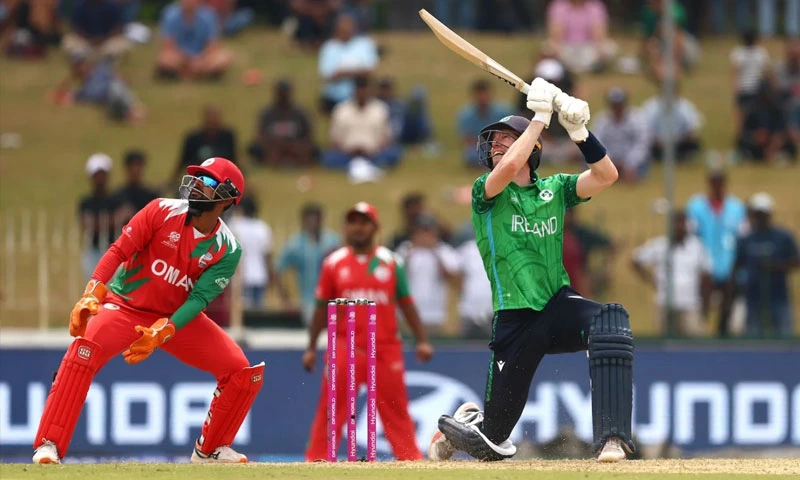
Tucker Stars Against Oman as Ireland Post Second-Highest T20 World Cup Total
Ireland delivered a dominant performance in the T20 World Cup as Lorcan Tucker’s unbeaten 94 guided them to a massive 235 for 5, the second-highest total in the tournament’s history. The commanding display helped Ireland defeat Oman by 96 runs in their Group B clash. According to match reports from Lokmat Times and The Statesman, Tucker anchored the innings with a blend of power and precision, remaining not out on 94 off just 49 balls. His knock featured multiple boundaries and sixes as Ireland capitalised on a strong batting platform. Ireland’s total of 235 for 5 stands among the highest team scores ever recorded in T20 World Cup history, underlining the team’s attacking intent. The side maintained a high run rate throughout the innings, putting immense pressure on Oman’s bowling unit. Tucker Leads From the Front Tucker’s innings proved to be the backbone of Ireland’s total. He accelerated in the middle overs and finished strongly in the death overs. His aggressive approach ensured that Ireland crossed the 200 mark comfortably and continued to pile on runs. Ireland’s batting unit provided solid support around him. The team maintained momentum from the powerplay through to the final overs. Oman struggled to contain the flow of runs despite rotating bowlers. Tucker’s 94 now ranks among the highest individual scores by an Irish player in T20 World Cup history. His performance reflects Ireland’s steady growth in international white-ball cricket over the past decade. All-Round Display Seals Victory Chasing 236, Oman faced an uphill battle from the start. Ireland’s bowlers maintained disciplined lines and attacked early, restricting Oman’s scoring options. The pressure quickly mounted as wickets fell at regular intervals. Oman were eventually bowled out well short of the target, handing Ireland a convincing 96-run victory. The comprehensive win boosts Ireland’s net run rate and strengthens their position in Group B. Cricket analysts note that Ireland’s performance highlights the increasing competitiveness of associate and emerging nations in global tournaments. The side has previously produced memorable upsets in ICC events, including wins over established teams in both ODI and T20 formats. With this emphatic victory, Ireland have sent a strong message to other teams in the group. Their explosive batting combined with disciplined bowling makes them a formidable opponent in the tournament. The result not only reflects Ireland’s depth in batting but also their confidence in high-pressure matches. As the T20 World Cup progresses, performances like Tucker’s could prove decisive in determining semifinal qualification.
Billions Allocated as Thousands More Detention Beds Planned Under New US Policy
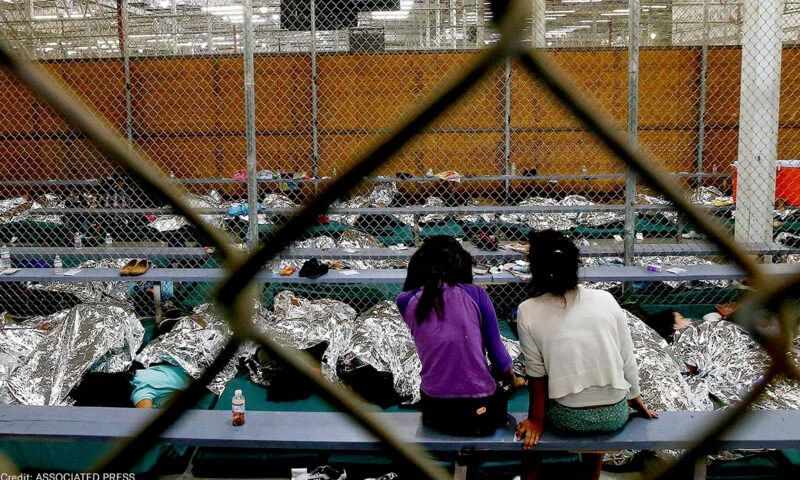
The United States government is preparing to spend a staggering $38.3 billion to expand detention capacity for migrants nationwide, aiming to overhaul its immigration enforcement infrastructure. Newly released documents show that U.S. Immigration and Customs Enforcement (ICE) is set to acquire, renovate and construct facilities that will dramatically increase its ability to detain hundreds of thousands of immigrants as part of a broader enforcement strategy. The initiative is funded through the “One Big Beautiful Bill Act,” a massive federal spending package approved in July 2025. That law directed significant resources toward border security, including tens of billions designated specifically for immigration detention infrastructure and related enforcement operations. Under the plan, ICE will upgrade and convert a mix of 16 existing buildings into regional processing centers and renovate eight large facilities capable of housing thousands of people. In addition, the agency will take over 10 existing “turnkey” facilities where ICE already operates. Once complete, the expanded system is expected to raise total bed capacity to about 92,600 detainees. New Facilities to Support Enforcement Strategy The proposed detention network will include a range of facility types. Smaller regional centers are intended to hold detainees for an average of three to seven days, while larger centers will serve as primary detention sites where individuals may be held for up to 60 days or more. These changes aim to streamline processing and removal operations under the current administration’s immigration policies. ICE has also begun purchasing large industrial warehouses in states such as Arizona, Georgia, Maryland, Pennsylvania and Texas to convert them into detention and processing hubs. Some deals were halted by local opposition, but others remain underway. Federal authorities say the enhanced capacity is necessary to support a surge in immigration arrests. ICE has already hired thousands of new enforcement agents, and recent government data shows that the number of migrants in detention has climbed significantly over the past year. Controversy and Political Debate The $38.3 billion plan has drawn criticism from community activists, lawmakers and civil liberties advocates who question both the humanitarian implications and financial justification of such a large expansion. Opponents argue that detention alone fails to address the underlying challenges of migration and may strain local communities where facilities are located. Supporters, including some immigration enforcement officials, maintain that more structured detention capacity is necessary for orderly processing and deportation operations, and they say facilities will be built to meet safety and care standards. However, local leaders in some proposed sites have expressed concern over transparency and community impact. Broader Immigration Landscape in the U.S. The expansion comes amid a broader shift in U.S. immigration policy under the administration in power, including stricter enforcement, an expanded list of deportable categories and increased border operations. Critics warn that such changes could lead to overcrowding and human rights concerns if not paired with comprehensive immigration reform and legal protections.
Big Boost for Pakistan: Japanese Investment to Create 100,000 Jobs
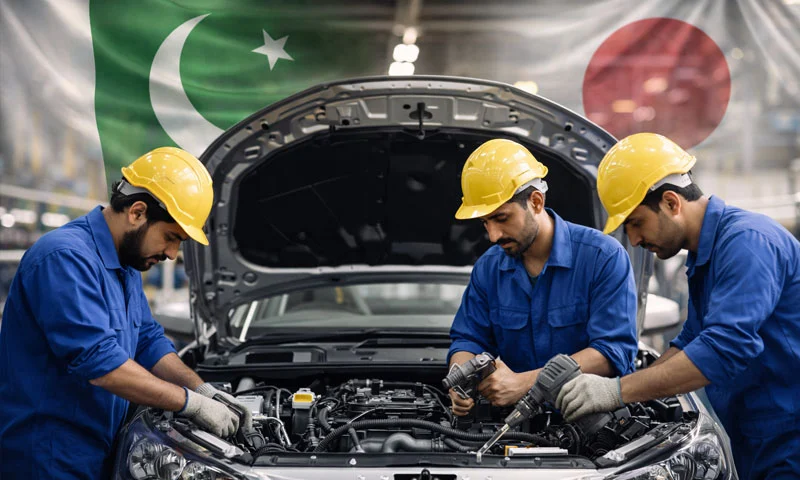
Japan’s Ambassador to Pakistan has underscored the transformative potential of Japanese investment in Pakistan’s automobile sector, stating that it could generate up to 100,000 new jobs and significantly boost industrial growth. Speaking at a Pakistan business seminar, the Japanese envoy highlighted the longstanding partnership between the two countries, particularly in the automotive sector where Japanese companies already play a dominant role. The ambassador noted that Japanese automakers have been active in Pakistan for decades and remain committed to expanding production, technology transfer and local employment opportunities. According to reports, the ambassador emphasised that Pakistan offers strong potential for growth due to its large population, expanding middle class and increasing demand for vehicles. He pointed out that Japanese manufacturers have consistently contributed to skill development and localisation efforts in the country. 100,000 New Jobs Expected from Expansion Industry estimates presented during the seminar suggest that further expansion of Japanese auto investments could create as many as 100,000 direct and indirect jobs. These opportunities would span manufacturing, supply chains, dealerships, parts production and after sales services. Pakistan’s automotive sector already employs thousands of workers, with companies such as Toyota, Honda and Suzuki maintaining major assembly operations in the country. According to the Pakistan Automotive Manufacturers Association, the sector contributes significantly to industrial output and government revenue. Experts say that increased localisation of auto parts and deeper supply chain integration could further strengthen Pakistan’s manufacturing base. Enhanced collaboration may also support electric vehicle development and modern automotive technologies in line with global trends. Strengthening Bilateral Economic Ties The Japanese envoy reaffirmed Japan’s support for Pakistan’s economic stability and industrial development. He stressed the importance of policy consistency, improved infrastructure and a predictable business environment to attract long term investment. Recent reports also highlight Pakistan’s push to expand exports and reduce reliance on imports through domestic manufacturing. The auto sector plays a crucial role in this strategy by promoting technology transfer and reducing foreign exchange outflows linked to vehicle imports. Business leaders attending the seminar welcomed Japan’s commitment and expressed optimism that expanded collaboration would enhance industrial capacity, improve employment prospects and strengthen economic ties between Islamabad and Tokyo. As Pakistan navigates economic reforms and industrial modernisation, Japanese investment in the automobile sector could serve as a catalyst for sustainable job creation and technological advancement.
IMF, Pakistan Discuss Electricity Tariff Revisions with Focus on Protecting Households
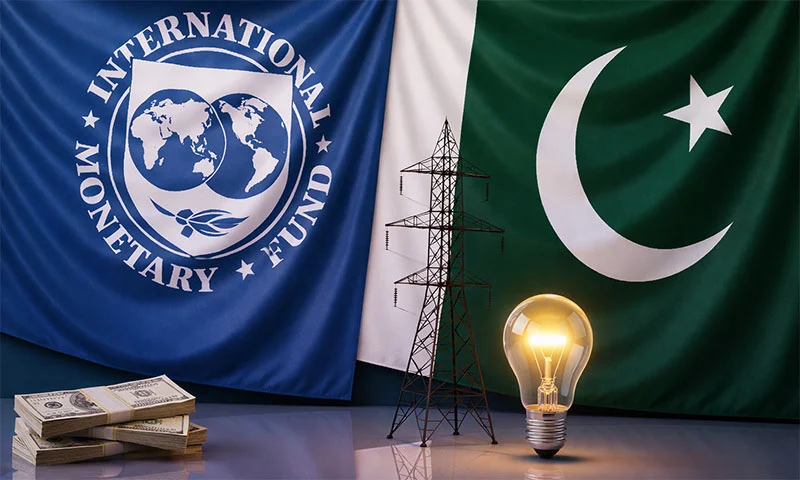
The International Monetary Fund (IMF) is actively engaged in discussions with Pakistani authorities on proposed electricity tariff revisions, emphasising that any changes should avoid placing undue burdens on middle- and lower-income households, the Fund said in a statement to Reuters. These talks form part of Pakistan’s efforts to meet conditions under its $7 billion Extended Fund Facility (EFF) as another review of the programme approaches. The IMF noted that the ongoing consultations will analyse whether Pakistan’s proposed tariff overhaul aligns with commitments under the EFF and assess the potential effects on macroeconomic stability and inflation. Pakistan faces a sensitive economic backdrop, with inflation having eased sharply from nearly 40 percent in 2023 but still remaining a key concern for policymakers. Electricity carries a significant weight in Pakistan’s consumer price index (CPI), making any tariff changes politically and economically sensitive. Family budgets and household spending patterns are directly affected by power costs, especially as electricity prices account for a large share of utility expenses nationwide. The Fund’s statement comes after Pakistan announced a proposed overhaul of power tariffs aimed at reducing fiscal pressure on the energy sector while aiding industrial competitiveness. Analysts say the planned changes could ease burdens on industrial users by lowering commercial power prices, potentially reducing them by 13 to 15 percent. At the same time, subsidies worth about PKR 102 billion ($365 million) could be removed, shifting more of the cost burden to households. Economic analysts warn that this tariff restructuring could add inflationary pressure in the near term. A study by Optimus Capital Management cited by analysts estimates that the proposed revisions could contribute about 1.1 percentage points to inflation over 12 months. Middle-class households consuming between 100 and 300 units of electricity monthly could see their bills rise by about 50 percent, while fixed charges for lower-usage households may increase from zero to PKR 400 per month. The discussions also touch on long-standing issues in Pakistan’s power sector, including circular debt. This debt has built up over years due to unpaid bills and subsidies across generation companies, distributors, and the government. IMF-backed reforms since 2023 have forced repeated tariff revisions as part of efforts to contain debt growth within programme targets. Analysts say balancing tariff reforms with consumer protection is a complex challenge for Pakistan. The power sector’s structural weaknesses, including outdated infrastructure and rising demand, have made sustainable energy pricing a priority. Increased electricity costs have already contributed to a decline in overall electricity consumption, reflecting changing usage patterns and demand behaviour. As negotiations continue, the IMF and Pakistani authorities are expected to refine proposed tariff changes in the coming weeks ahead of the next EFF review, with a focus on protecting vulnerable households while ensuring long-term financial and sectoral stability.
