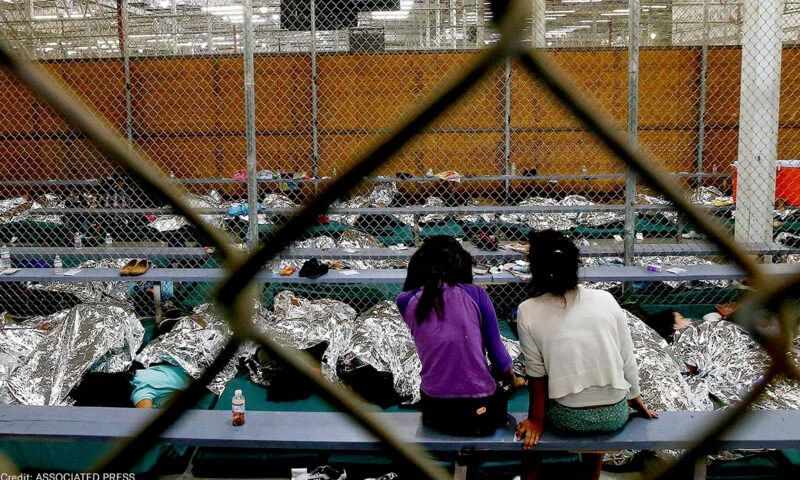
The United States government is preparing to spend a staggering $38.3 billion to expand detention capacity for migrants nationwide, aiming to overhaul its immigration enforcement infrastructure. Newly released documents show that U.S. Immigration and Customs Enforcement (ICE) is set to acquire, renovate and construct facilities that will dramatically increase its ability to detain hundreds of thousands of immigrants as part of a broader enforcement strategy.
The initiative is funded through the “One Big Beautiful Bill Act,” a massive federal spending package approved in July 2025. That law directed significant resources toward border security, including tens of billions designated specifically for immigration detention infrastructure and related enforcement operations.
Under the plan, ICE will upgrade and convert a mix of 16 existing buildings into regional processing centers and renovate eight large facilities capable of housing thousands of people. In addition, the agency will take over 10 existing “turnkey” facilities where ICE already operates. Once complete, the expanded system is expected to raise total bed capacity to about 92,600 detainees.
New Facilities to Support Enforcement Strategy
The proposed detention network will include a range of facility types. Smaller regional centers are intended to hold detainees for an average of three to seven days, while larger centers will serve as primary detention sites where individuals may be held for up to 60 days or more. These changes aim to streamline processing and removal operations under the current administration’s immigration policies.
ICE has also begun purchasing large industrial warehouses in states such as Arizona, Georgia, Maryland, Pennsylvania and Texas to convert them into detention and processing hubs. Some deals were halted by local opposition, but others remain underway.
Federal authorities say the enhanced capacity is necessary to support a surge in immigration arrests. ICE has already hired thousands of new enforcement agents, and recent government data shows that the number of migrants in detention has climbed significantly over the past year.
Controversy and Political Debate
The $38.3 billion plan has drawn criticism from community activists, lawmakers and civil liberties advocates who question both the humanitarian implications and financial justification of such a large expansion. Opponents argue that detention alone fails to address the underlying challenges of migration and may strain local communities where facilities are located.
Supporters, including some immigration enforcement officials, maintain that more structured detention capacity is necessary for orderly processing and deportation operations, and they say facilities will be built to meet safety and care standards. However, local leaders in some proposed sites have expressed concern over transparency and community impact.
Broader Immigration Landscape in the U.S.
The expansion comes amid a broader shift in U.S. immigration policy under the administration in power, including stricter enforcement, an expanded list of deportable categories and increased border operations. Critics warn that such changes could lead to overcrowding and human rights concerns if not paired with comprehensive immigration reform and legal protections.