


As Ramadan 1447 AH approaches, the federal government of Pakistan has assured citizens of uninterrupted gas supply during peak Sehri and Iftar hours throughout the holy month. Federal authorities meeting rising household demand across the country unveiled detailed plans to maintain gas pressure and monitor distribution effectively. At a joint press conference on February 18, Federal Minister for Petroleum Ali Pervaiz Malik and Minister for Power Awais Leghari announced that all preparations are complete to ensure gas flows smoothly during the most critical cooking hours. They emphasized the policy priority to provide comfort and convenience for fasting families nationwide. Read More: The Resilience of Ramadan: How Faith Survives Conflict and Loss Gas Supply at Maximum Pressure Under the government’s framework, gas will be supplied at maximum pressure from 3:00am to 10:30pm daily throughout Ramadan, with special focus on the early morning Sehri hours and the evening Iftar period prior to sunset. Authorities said this arrangement will help households prepare traditional meals without pressure drops or outages. To support this plan, authorities have arranged additional gas volumes and set up situation rooms at the head offices of the two main gas distributors in Pakistan — Sui Northern Gas Pipelines Limited (SNGPL) and Sui Southern Gas Company (SSGC). These rooms will monitor supply in real time and respond swiftly to any disruptions. Regional gas offices have also been tasked with supervising supply lines, especially in tail-end areas that often face pressure issues during periods of high demand. A consumer complaint system has been activated, enabling residents to report low pressure or interruptions through official helplines. Read More: Federal Government Announces Ramadan 2026 Office Timings Across Pakistan Electricity Supply Assurance Alongside gas supply measures, the government also pledged that electricity loadshedding will not occur during Sehr and Iftar times. Minister Leghari reiterated that this decision was taken under the direct instructions of Prime Minister Shehbaz Sharif to ensure that those observing fasts can manage household routines without facing utility disruptions. Leghari asked citizens to use the 118 helpline to raise any electricity complaints, which will be addressed immediately, reflecting the government’s commitment to reliable service during key Ramadan hours. Scheduled Supply Details by Region SSGC has also shared specific timing guidance. In SSGC-served areas such as Sindh and Balochistan, gas is planned to be available from 3:00am to 9:00am for Sehri and from 3:30pm to 10:00pm for Iftar, ensuring households can cook and prepare meals without interruption. Read More: Ramadan 2026: Which Countries Will Have Longest and Shortest Fasting Hours SNGPL areas covering Punjab, Khyber Pakhtunkhwa, Islamabad and Azad Jammu Kashmir will benefit from a supply window stretching from 3:00am to 10:30pm, pending federal approvals. While daytime reductions or brief pauses may occur to manage distribution pressure, the broad strategy emphasizes priority supply during hours critical for fasting families throughout Ramadan.

Instagram Under Fire: Zuckerberg Denies Targeting Children in LA Trial
In a major legal showdown in Los Angeles, Meta Platforms CEO Mark Zuckerberg took the stand in a civil lawsuit over claims that Instagram and YouTube harmed a woman’s mental health when she used the apps as a child. The courtroom testimony highlights deep questions about whether social media companies deliberately designed addictive features and targeted young users for profit. The lawsuit was filed by a 20-year-old Californian woman, known as KGM in court filings, who says she began using Instagram and YouTube at a very young age and developed depression and suicidal thoughts linked to her social media use. She argues that the companies sought to “hook kids on their services,” knowing the damage these apps could cause to mental health. Zuckerberg’s Key Defense Zuckerberg repeatedly told jurors that Instagram does not allow users under 13 and that Meta did not intentionally target children. He emphasized that while the platform prohibits under-age sign-ups, enforcing age verification is difficult because users often lie about their birthday. When plaintiff’s lawyer Mark Lanier confronted him with internal Meta documents suggesting youth were a key demographic and that Instagram sought early engagement, Zuckerberg said Lanier was “mischaracterising what I am saying.” He acknowledged Meta had discussed creating a child-friendly version of Instagram but said such a service was never launched. One 2018 internal presentation used in court read, “If we want to win big with teens, we must bring them in as tweens.” Lanier noted this contradicted Zuckerberg’s public claims, yet Zuckerberg maintained Meta’s core intent was not to exploit children. Read More: Plaintiff Lawyer Says Meta, Google Built Platforms to Addict Children Age Verification and Engagement Goals Jurors also saw emails from Meta leadership, including one from former VP Nick Clegg suggesting that Instagram’s age limits were “unenforced (unenforceable?).” Zuckerberg reiterated that accurately verifying ages is complex but insisted Meta works to keep its younger users safe. Another flashpoint was Zuckerberg’s past statements to the US Congress about user engagement goals. Internal email evidence showed earlier plans to grow time spent on Instagram by a double-digit percentage, but Zuckerberg said the goals had evolved and were no longer focused on maximizing usage. “If you are trying to say my testimony was not accurate, I strongly disagree with that,” he said. Read More: Instagram, Facebook & WhatsApp to Get Paid Features: What Meta’s Next Move Means Broader Implications This case is part of a wave of lawsuits against big tech firms, including Snap, TikTok, Google and Meta, alleging social media harms youth mental health and contributes to addictive behavior. Meta’s rivals TikTok and Snap settled with the plaintiff before trial. Legal observers say a verdict against Meta could profoundly affect how social media companies are held accountable for platform design and youth safety, eroding longstanding legal protections shielding tech companies from liability.
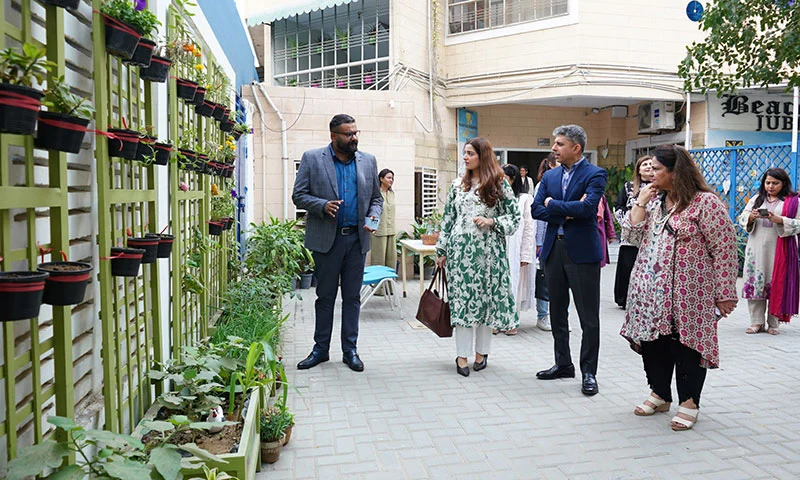
From Waste to Wonder: Beaconhouse Students Redefine Sustainable Art
Beaconhouse Jubilee Campus Middle Section transformed creativity into climate action with its vibrant exhibition titled “From Waste to Art”, a student-led initiative promoting sustainable living and environmental responsibility. The exhibition was inspired by the United Nations Sustainable Development Goals, particularly SDG 12: Responsible Consumption and Production and SDG 13: Climate Action. It provided a dynamic platform for students to express their environmental awareness through artistic innovation while encouraging the community to rethink waste and sustainability. Students showcased an impressive collection of artworks created entirely from discarded and recyclable materials. Paper scraps, plastic and glass bottles, leftover cartons, crates, used boxes, and reclaimed wood were transformed into visually compelling installations and sculptures. The display demonstrated not only artistic skill but also a strong message about resource conservation and mindful consumption. The initiative reflected the school’s broader commitment to integrating sustainability into education. By encouraging students to repurpose materials creatively, the exhibition reinforced practical lessons about waste reduction, recycling, and environmental stewardship. The event drew the attention of distinguished guest artists from Karachi’s art community. Among them were Aliya Yousuf, Assistant Professor at the Indus Valley School of Art and Architecture, known for her multidisciplinary exploration of harmony with nature; Zabad Anwer, a Karachi-based visual artist whose work merges art, design, and storytelling; and Aliya Faizi, recognized for her expressive fusion of abstraction, figuration, and calligraphy that reflects themes of spirituality and human existence. Their presence added professional insight and encouragement for the young artists. Speaking at the exhibition, Ms. Tabinda Raza, School Principal, expressed her pride in the students’ efforts. “I’m thrilled to see our students embracing sustainability and creativity. This exhibition is a testament to their talent and dedication to environmental stewardship.” Ms. Humaira Shahab, Headmistress, emphasized the broader impact of the initiative. “‘From Waste to Art’ serves as a poignant reminder of the urgent need for environmental protection, encouraging participants to reassess their daily habits and make conscious choices towards reduced consumption, reuse, and recycling. This initiative aligns with our mission to foster sustainability and environmental awareness among students, empowering them to become responsible citizens.” The exhibition was also attended by Mr. Ahsan Afzal, Regional Director South, and Ms. Tasneem Karbalai, Manager Education Operations, from the Beaconhouse Regional Office, who commended the school’s efforts. Beaconhouse Jubilee Campus acknowledged the contributions of parents, teachers, and staff members whose support ensured the event’s success. Building on this momentum, the campus plans to expand future sustainability initiatives through collaborations with local communities and institutions, reinforcing its commitment to environmental education and responsible citizenship.
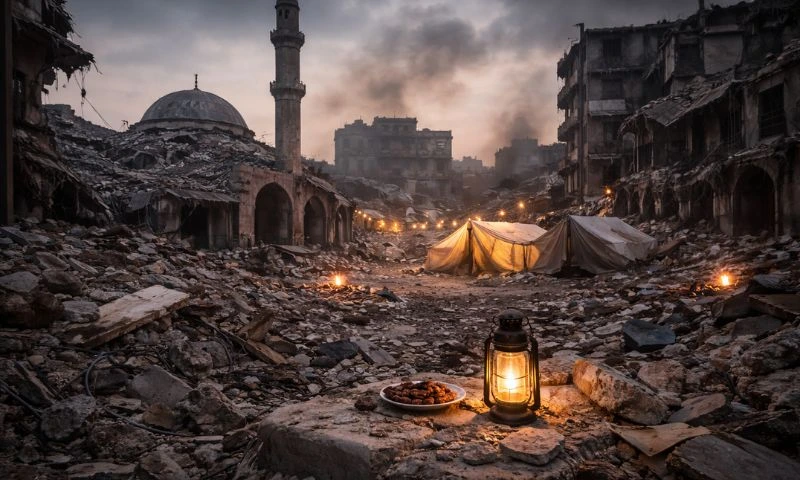
The Resilience of Ramadan: How Faith Survives Conflict and Loss
In war zones, Ramadan arrives with the same call to fast and pray, but with fewer safe places to gather and less food to share. Conflict disrupts markets, power, water, and health services. It also forces families to observe Ramadan in displacement camps, ruined neighborhoods, or crowded shelters, often depending on aid. Gaza: Praying in Tents In Gaza, destruction has reshaped even the basic rhythm of Ramadan nights. Reuters reported Palestinians beginning Ramadan by heading to shattered mosques or makeshift prayer spaces built from tarpaulins and wood. The Hamas-run Gaza government media office said 835 mosques were completely destroyed and 180 partially damaged. One displaced woman described how worship has shifted: “Now we pray in tents, and the mosques became centres for the displaced,” Khitam Jabr said. Gaza’s religious affairs officials also said hundreds of makeshift prayer areas have been rebuilt using reused plastic sheeting and wood. Sudan: Fasting Amid a Hunger Emergency In Sudan, Ramadan has been overshadowed by mass displacement and hunger. The World Food Programme has described Sudan as the world’s largest hunger crisis, with over 21 million people facing acute hunger and famine confirmed in parts of the country, while WFP support reaches about four million people each month. Diplomats have also pushed for a pause in fighting during the holy month. Reporting on the UN Security Council call, VOA quoted UN Secretary-General Antonio Guterres saying: “This cessation of hostilities must lead to a definitive silencing of the guns across the country.” Yemen and Syria: Displacement, Funding Cuts, and Fragile Services In Yemen, the UN has warned the crisis is expected to worsen amid funding cuts. Reuters reported projections of 21 million people needing assistance in 2026, up from 19.5 million the previous year, as basic services and nutrition gains risk reversal. For Syrians displaced by years of conflict, UNHCR has long documented how poverty and food insecurity make Ramadan harder for families inside Syria and across the region. Faith Continues, Even When Life Is Broken Across these crises, Ramadan still brings community: shared iftars when food is available, night prayers where space exists, and charity that stretches limited resources. The setting changes, but the core idea remains: patience, worship, and solidarity, even in extreme uncertainty.

Pakistan Sets March 10 for 5G Spectrum Auction to Transform Connectivity
The Pakistan Telecommunication Authority (PTA) has formally announced that the long-awaited 5G spectrum auction will be held on March 10, 2026, marking a major milestone in the country’s digital development and telecom sector reform. This announcement follows weeks of preparation and regulatory coordination to ensure a smooth and transparent bidding process for next-generation mobile services. At a press briefing, PTA Chairman Hafeez-ur-Rehman confirmed the schedule and highlighted the broader purpose of the auction. He said that improved connectivity is crucial for achieving the Digital Pakistan vision and promoting a cashless economy. Rehman noted that policy and regulatory reforms are in place to ensure that the rollout of 5G services progresses without undue delays once the auction is complete. Read More: Pakistan Sets 5G Auction Prices, Clearing Path for Faster Mobile Internet Auction Details and Spectrum on Offer The upcoming auction will make available approximately 597 megahertz (MHz) of spectrum across multiple frequency bands. The first round will include the 2600 MHz and 3500 MHz bands, which are ideal for deploying high-speed mobile broadband services. Three existing telecom operators have been mandated to obtain a minimum of 100 MHz each to encourage competitive bidding and widespread 5G deployment. The auction will follow a multi-round electronic clock format. This structure allows prices to adjust dynamically based on demand as bidders compete for available spectrum. Operators have also been offered a one-year moratorium on upfront spectrum payments to focus on infrastructure expansion and service improvement first. Read More: Saudi Arabia’s 6G Roadmap Is Moving Fast—Pakistan’s 5G Still Isn’t Here Qualified bidders must submit their applications by February 27, 2026, along with a $15 million bank guarantee to participate in the auction. Mock auctions will be held prior to the main allocation to ensure bidders are familiar with the process. Economic Impact and Connectivity Goals Industry experts estimate that the auction could fetch between $300 million and $700 million in revenue for the government, depending on the competitiveness of bidding. By enabling 5G services, Pakistan aims to significantly boost mobile data speeds, support innovative digital services, and expand broadband access to underserved regions. Officials have also emphasized that infrastructure upgrades will likely take three to six months after the auction to complete in major cities, including federal and provincial capitals. Once operational, 5G is expected to enhance the quality of service and reduce latency, benefiting sectors such as remote education, telemedicine, e-commerce and industrial automation. Read More: From AI to Smart Living: What’s Next in 2026 Looking Ahead The PTA’s 5G spectrum auction is a key element of Pakistan’s strategic push toward digital transformation. With a comprehensive policy framework in place, the country anticipates rapid advancements in mobile broadband capabilities over the next several years.
