

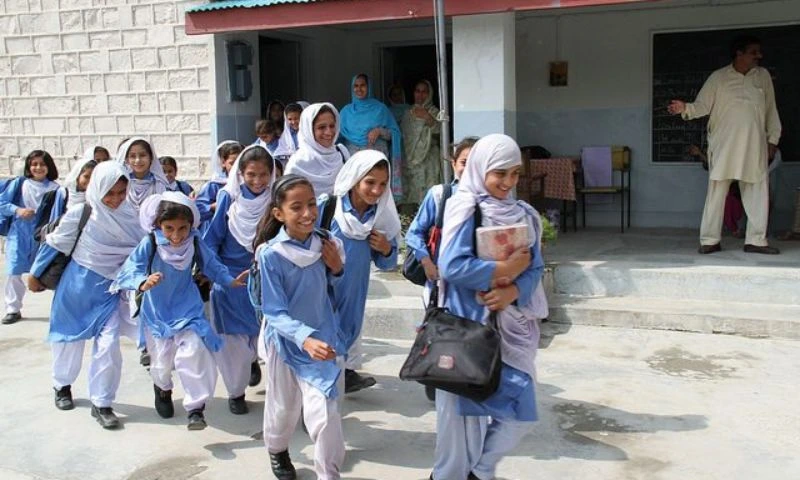
In an extraordinary move reflecting current security concerns, the Punjab government has ordered all public and private schools across the province to suspend morning assemblies until further notice. The decision comes as authorities tighten safety measures to protect students and staff amid a tense environment marked by rising tensions and planned protests. Official Directive and Immediate Implementation The Directorate of Public Instruction (DPI) for Secondary Education, Punjab issued the directive on March 2, 2026, instructing educational institutions to halt morning assemblies as a precautionary step. The circular highlights that assemblies, which often gather large groups of students, could pose additional security risks in the current climate and hence need to be temporarily banned. The order applies to all levels of schooling, from primary to higher secondary. In addition to banning assemblies, the education department has mandated that closed-circuit television (CCTV) cameras must be functional and monitored at all times. Schools have also been required to maintain strict control over their entrances, keeping gates closed during school hours and restricting unauthorized access. Staff members are expected to remain vigilant and report any emergencies immediately through official channels. Read More: Pakistan Imposes Countrywide Drone Flying Ban Under New Security Directive: Here’s What It Means Enhanced Safety Protocols at Schools The official guidance also outlines steps for schools to enhance safety readiness. These include: Conducting regular emergency drills to ensure students and staff know how to respond in a crisis Ensuring all teaching and administrative staff have safety apps like the Punjab Safe City app installed on mobile devices Submitting daily security reports and photos to relevant authorities to monitor compliance The DPI emphasized that these protocols are temporary but necessary until further evaluation. The focus, authorities say, is to pre-empt any potential issues by avoiding large student gatherings that could be harder to manage during a tense period. Context of the Security Situation The directive comes as various parts of Pakistan prepare for political rallies and demonstrations that may attract significant crowds and heightened emotions. Recent nationwide tension has been fueled by complex geopolitical developments, including the ongoing conflict in the Middle East and local political movements that could spill over into public spaces. Government agencies have already imposed Section 144 restrictions in and around educational areas to prohibit gatherings of four or more people. Officials stressed that while instruction and academic activities will continue as normal, efforts must be made to protect students from unnecessary risk. The decision was made in consultation with the Home Department and civil authorities specialized in security management. Schools have been urged to maintain regular academic schedules while observing the temporary suspension of morning assemblies. Read More: Pakistan’s Literacy Crisis: Why Ranking Last in South Asia Is a Serious Warning Reactions from Educators and Parents Reactions among parents and educators have been mixed. Many appreciate the heightened focus on student security, acknowledging that schools need to be cautious during periods of unrest. However, others have raised concerns about the impact on school culture. Morning assemblies are traditionally used to share daily news headlines, instill discipline and build community among students. Their absence may affect the daily rhythm of school life and reduce opportunities for student interaction and public speaking activities. Education department officials have reiterated that the measure is not disciplinary but strictly precautionary. They emphasized that the safety of students, teachers, and school staff is paramount and that authorities will continue to monitor the situation closely before deciding when and how assemblies can safely resume.
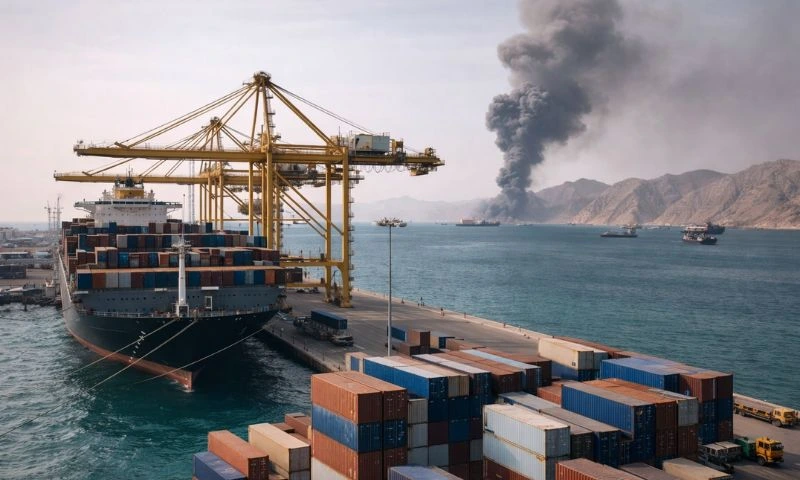
Strait of Hormuz Closure Sparks Global Shipping Crisis and Higher Costs
The escalating conflict in the Middle East has led to the closure of the Strait of Hormuz, a strategic maritime corridor critical for global energy and trade. This development is triggering major concerns among shipping companies, trade bodies and exporters, particularly in Pakistan, where a significant share of commerce and energy supplies depends on uninterrupted Gulf access. Global Trade at Risk The Strait of Hormuz, linking the Persian Gulf to the Gulf of Oman, is one of the world’s most essential shipping routes. Nearly 25 percent of the planet’s crude oil supply and large volumes of liquefied natural gas pass through this narrow channel each day. Its effective closure amid rising hostilities around the Gulf has alarmed maritime firms and economic stakeholders. Shipping giants and logistics partners have taken precautionary steps to protect crews and cargo amid heightened threats. Reports show that several major carriers have introduced war-risk and contingency surcharges, while others have suspended bookings and export cargo movement to Gulf destinations. Read More: Oil Prices Surge 10% as Iran Conflict Threatens Key Supply Routes, Analysts Warn $100 Oil Possible Impact on Pakistani Trade and Ports Pakistan’s trade ecosystem is particularly vulnerable due to its heavy reliance on Gulf routes for both exports and imports. The Pakistan Ships’ Agents Association (PSAA) warned that disruptions in Gulf services will likely push freight and insurance costs higher, slowing down the movement of goods. Mohammad A. Rajpar, PSAA Chairman, said that Pakistan’s trade “will suffer delays and additional costs” due to suspended services and shipping constraints. At the Karachi Gateway Terminal Limited (KGTL), authorities announced the temporary halt of new export bookings destined for Gulf ports. Operators stated that until security conditions improve, major markets in the United Arab Emirates, Iraq, Kuwait, Qatar and eastern Saudi Arabia will not be served via normal Gulf routes. Shipping Lines Respond to Risk Several global carriers have altered sailing plans due to the crisis. Hapag-Lloyd imposed booking stops for container cargo moving to the Gulf from Africa and other regions, introducing contingency surcharges that can reach $1,500 per standard container and $3,500 for reefer or special units. Maersk, a leading global shipping line, took the extraordinary step of pausing Trans-Suez services that pass through the Bab el-Mandeb Strait, rerouting them around the Cape of Good Hope to ensure safety. This shift is expected to add days to transit times and increase fuel consumption costs. DP World temporarily paused operations at Jebel Ali Port as a precautionary measure, while MSC (Mediterranean Shipping Company) suspended bookings for cargo destined for the Middle East until the security situation stabilizes. Read More: PIA Suspends Flights to UAE, Qatar, Kuwait and Bahrain After Middle East Tension Economic and Energy Concerns Experts warn that prolonged closure of the Strait of Hormuz could lead to severe disruptions in global energy markets. With Pakistan importing over $5.7 billion worth of crude petroleum annually, mainly from Saudi Arabia and the UAE, and total petroleum imports exceeding $10 billion, the implications could be severe for the nation’s energy security. The Federation of Pakistan Chambers of Commerce and Industry (FPCCI) said freight costs could rise by up to 300 percent, marine insurance premiums will continue climbing due to war-risk classification, and transit times to markets in the European Union, United Kingdom and United States could increase by up to 20 days. Such cost pressures threaten the competitiveness of Pakistani textile and manufactured exports. FPCCI President Atif Ikram Sheikh urged policymakers to adopt emergency measures to protect Pakistan’s fragile economy, stressing that the conflict’s spillover into trade and shipping could erode recent economic gains. Global Market Repercussions The Gulf conflict has already pushed crude prices higher worldwide, with oil markets reacting sharply to geopolitical instability. Higher freight, insurance and rerouting costs are expected to feed into inflation in importing nations. Global supply chains could also face prolonged disruptions if the Strait remains closed. Analysts warn that the world economy remains on edge as hostilities escalate with no clear resolution in sight.
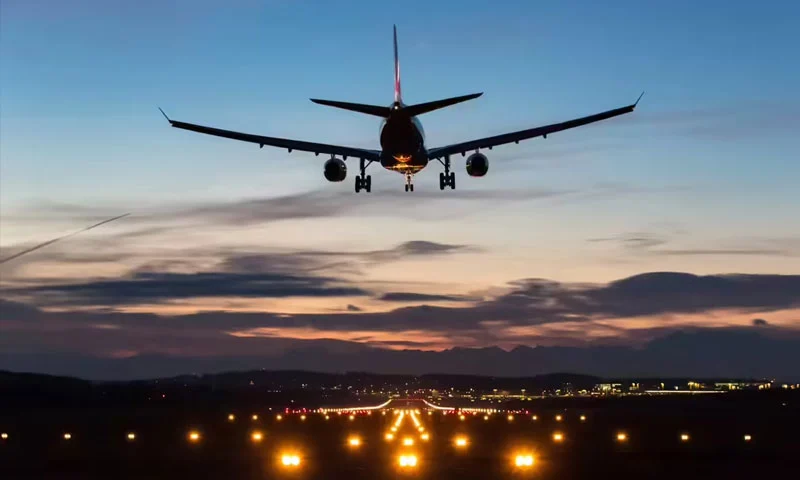
UAE Airports Reopen with Limited Flights Following Conflict Disruptions
Air travel through the United Arab Emirates faced severe disruptions as Emirates, Etihad Airways, flydubai, and Air Arabia suspended flights until at least March 3, 2026 due to airspace closures linked to the escalating US-Israel-Iran conflict. The decisions hit passengers across the globe and left thousands stranded as the Gulf continued to manage flight safety amid soaring tensions. UAE airlines suspended flights from key hubs including Dubai International Airport (DXB) and Abu Dhabi International Airport (AUH). Emirates halted all flights to and from Dubai until at least 3pm UAE time on March 3. Officials said the interruption was a precautionary measure owing to airspace implmenting ongoing regional closures. Etihad Airways also extended its suspension of flights to and from Abu Dhabi until March 3, highlighting that safety remains a top priority amid volatile airspace conditions. Flights Resume Partially After Two Days of Shutdown After two days of near-total grounding, a limited number of flights resumed late on March 2. Major carriers began operating select services out of Dubai and Abu Dhabi as authorities reopened controlled portions of airspace. Airlines urged passengers to confirm departure times with their carriers before heading to airports. Dubai Airports confirmed that operations started to resume with a small number of permitted flights as of the evening on March 2. The shutdown had begun on February 28 when multiple Gulf airspaces closed following missile, drone, and airstrike activity tied to the wider Iran crisis. Wider Regional Airspace Closures The disruptions were not limited to the UAE. Gulf states including Qatar, Kuwait, Bahrain, and Saudi Arabia also closed their airspace. Qatar Airways continued to suspend flights amid the heightened safety concerns. The closures came after coordinated attacks in the region, which forced airlines to reroute or cancel flights for passengers traveling across continents. A Reuters report found that global carriers were compelled to halt operations to and from the Middle East due to restricted skies, affecting connections between Europe, Asia, and the Americas. Passenger Strain and Support Measures Stranded travelers scrambled for alternatives as plans were upended. Many faced nights at airports or hotels while trying to secure new connections. Crisis hotlines and rebooking policies were activated by carriers to support passengers navigating cancellations and reroutes. Airlines such as Emirates and Etihad offered waivers, refunds, and rebooking options to affected passengers. Some Gulf authorities organized special evacuation and repatriation flights for citizens and foreign nationals stuck due to the closures. Reports from the region also point to government efforts to cover accommodation and meals for large numbers of stranded passengers, though these programs vary by country and carrier. Global Impact on Travel and Safety Travel disruption extended beyond the UAE, with Australia reporting massive cancellations and advising nationals to register with authorities as commercial flights struggled to operate. The lack of regular air service became the main barrier to evacuations, prompting governments to consider alternative routes and contingency plans. Experts said that Gulf aviation hubs like Dubai and Abu Dhabi are crucial to global travel networks, and their disruption sends reverberations through international flight schedules, markets, and traveller confidence.
