


Pakistan has begun cutting natural gas supply to some industrial consumers as the ongoing Middle East conflict disrupts global energy markets and liquefied natural gas shipments. The move reflects growing pressure on the country’s energy system, which relies heavily on imported fuel from the Gulf region. According to reports, the country’s largest gas distributor has started reducing supply to certain industrial buyers as authorities attempt to manage limited gas availability. The decision comes as supply chains face disruption due to escalating tensions in the Middle East. Pakistan imports a significant portion of its energy, particularly LNG from Qatar, making the country vulnerable to geopolitical shocks affecting the region’s shipping lanes and production facilities. Qatar LNG Disruptions Shake Global Gas Markets The energy disruption intensified after Qatar declared force majeure on LNG exports, citing the escalating conflict and shipping risks in the Strait of Hormuz. This clause allows suppliers to suspend contractual obligations due to extraordinary circumstances beyond their control. Qatar is one of the world’s largest LNG exporters and accounts for roughly 20 percent of global LNG supply, much of which travels through the Strait of Hormuz. Shipping activity in this strategic waterway has slowed dramatically due to security concerns. Energy analysts say the halt in production and shipments could take weeks to normalize even if the conflict de-escalates quickly. This disruption has already pushed gas prices higher across Asia and Europe. Industrial Sector Faces Immediate Impact The gas supply reduction primarily affects industries that rely on regasified liquefied natural gas, including fertilizer producers, textile manufacturers and export oriented factories. Some companies have already started adjusting operations due to the reduced supply. In Pakistan’s fertilizer sector, disruptions in RLNG supply forced one major urea plant to suspend production, highlighting the ripple effects across the industrial economy. Experts warn that prolonged shortages could slow industrial output, increase manufacturing costs and place further pressure on Pakistan’s already fragile economic recovery. Pakistan Scrambles for Alternative Energy Supplies To stabilize supply, Pakistan is exploring alternative fuel routes and sources. Officials have also approached regional partners to secure additional oil shipments through different ports to reduce reliance on disrupted Gulf shipping lanes. At the same time, domestic producers are exploring ways to increase local gas output to offset the shortfall. State energy companies are assessing options to boost production and maintain supply for critical sectors. However, energy analysts say domestic production alone cannot fully replace imported LNG in the short term. Global Energy Trade Faces Largest Disruption in Years The ongoing Middle East conflict has triggered one of the largest disruptions to global energy trade since the Russia Ukraine war in 2022. Energy shipments through the Strait of Hormuz remain under threat, raising concerns about sustained volatility in global fuel markets. Because many Asian economies depend on Gulf energy exports, analysts expect continued pressure on fuel prices and supply chains if tensions persist. For Pakistan, which already struggles with periodic energy shortages, the crisis highlights the risks of heavy reliance on imported fuel and fragile supply routes.
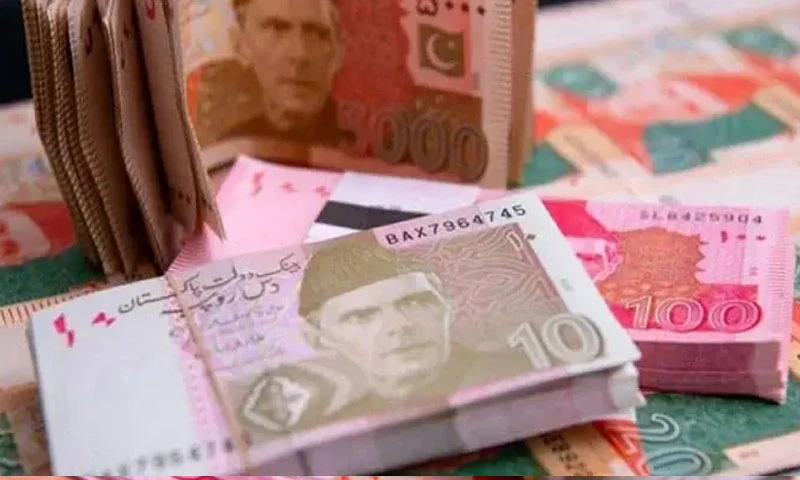
How Pakistanis Can Get Fresh Currency Notes for Eid-ul-Fitr 2026
As Eid-ul-Fitr 2026 approaches, many families across Pakistan are preparing to continue the long standing tradition of giving Eidi, where elders gift money to children and relatives. Because of this tradition, the demand for fresh currency notes rises significantly every year during Ramadan. Banks across the country typically see long queues during the last days of Ramadan as people try to secure crisp notes for the festive occasion. Although digital payments are becoming more common, the tradition of distributing physical cash remains popular. Banks to Distribute Fresh Notes Through Thousands of Branches To facilitate the public, the State Bank of Pakistan distributes fresh currency notes through commercial banks across the country during Ramadan. These notes are supplied to around 17,000 bank branches, allowing people to obtain clean currency for Eid celebrations. Citizens can usually visit their bank branch with their CNIC and request fresh notes. The distribution often operates on a first come, first served basis, meaning early visitors have a better chance of obtaining new currency bundles. Banks also allow customers to exchange their existing notes for fresh ones at a one to one exchange rate, ensuring the same value is returned in new notes. SMS Service and Other Ways to Secure Fresh Notes In previous years, the State Bank has also introduced an SMS based system to help people reserve fresh notes. Under this method, citizens send their CNIC number and bank branch code to 8877 and receive a confirmation message before collecting the notes from the designated bank branch. Customers with active bank accounts sometimes receive additional assistance from their branch managers, who may allocate a small quota of fresh notes for regular customers. ATMs may also dispense clean notes shortly before the Eid holidays. New Currency Designs Under Preparation Meanwhile, Pakistan is preparing to introduce a new series of redesigned banknotes aimed at improving security and modernizing the financial system. The upcoming notes will feature advanced security threads, holograms, micro text and improved durability to reduce counterfeit currency. The State Bank has finalized many of the design elements and submitted them to the federal cabinet for approval. Once approved, the notes will be printed by the Pakistan Security Printing Corporation before entering circulation. However, experts say the redesigned notes are unlikely to be available before Eid-ul-Fitr 2026 because the printing process alone may take several months. Current Currency Notes Remain Valid Pakistan’s official currency is the Pakistani rupee, issued by the State Bank of Pakistan and available in several denominations ranging from Rs10 to Rs5,000. Even when the redesigned banknotes are eventually introduced, existing notes will remain legal tender. The new series is expected to enter circulation gradually so that both old and new notes can be used simultaneously. For now, citizens planning to distribute Eidi during Eid-ul-Fitr are advised to contact their bank branches early to secure fresh currency notes before stocks run out.
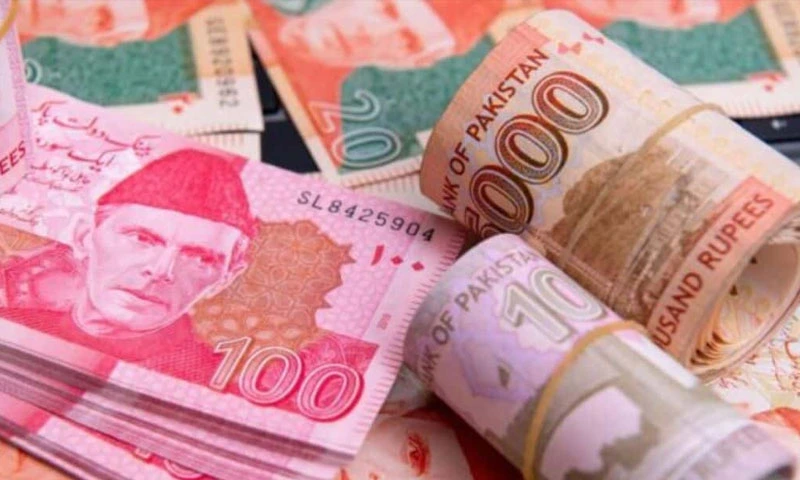
Will Pakistan Issue New Currency Notes Before Eid? SBP Responds
As Eid-ul-Fitr approaches, many Pakistanis traditionally look for fresh banknotes to give as Eidi to children and relatives. In recent days, social media posts claimed that the State Bank of Pakistan would issue newly designed currency notes before Eid-ul-Fitr 2026. However, the central bank has now clarified the situation and addressed the rumors circulating online. According to reports, the State Bank of Pakistan has not announced the release of newly redesigned banknotes before Eid-ul-Fitr 2026. The viral claims suggesting otherwise are misleading and have created confusion among the public. Newly Designed Currency Notes Not Ready Yet Officials explained that Pakistan is preparing to introduce a new series of redesigned banknotes with improved security features. These updated notes will include modern designs and stronger protections against counterfeit currency. However, the rollout of the new banknotes requires formal approval from the federal cabinet before printing can begin. Because this process is still pending, the redesigned currency will not be available before Eid-ul-Fitr 2026. Experts say printing, inspection and distribution of new banknotes can take several months once approval is granted. Therefore, the introduction of the new currency series will likely happen gradually after the necessary approvals. Fresh Existing Notes Will Still Be Available Although newly redesigned notes will not be issued before Eid, the State Bank continues its long standing practice of providing fresh bundles of existing banknotes through commercial banks. Every year during Ramadan, banks receive clean currency notes so the public can obtain fresh cash for Eid celebrations. Commercial bank branches distribute these notes across the country. Authorities also ensure that ATM networks dispense clean and usable notes during the festive period to meet increased demand. Why Pakistan Is Introducing New Currency Designs Pakistan’s central bank has been working on a redesign of its currency as part of efforts to modernize the financial system. The upcoming banknotes are expected to include several advanced security features. These improvements may include watermarks, embedded security threads, color shifting ink and micro text. Such measures make counterfeit currency harder to produce and easier to detect. The new designs also aim to make banknotes more durable and easier to identify. Old Notes Will Remain Valid Officials have stressed that the redesign does not mean old currency will become invalid. Existing notes will remain legal tender and continue circulating even after new notes are introduced. The State Bank plans to introduce the new series gradually to avoid disruption in daily transactions. During the transition period, both old and new notes will circulate together. For now, citizens are advised to rely on official announcements from the central bank and avoid unverified claims spreading on social media.

Finn Allen’s Historic Ton Leads New Zealand to Big Semi-Final Win Over South Africa
New Zealand stormed into the ICC Men’s T20 World Cup final after a dominant nine wicket victory over South Africa in the first semi final. The match was played at Eden Gardens in Kolkata, where New Zealand delivered one of the most explosive batting displays in tournament history. The victory was driven by a stunning innings from opener Finn Allen, who smashed an unbeaten 100 off just 33 balls, the fastest century ever scored in a men’s T20 World Cup. His innings included a flurry of boundaries and sixes that dismantled South Africa’s bowling attack. Allen’s extraordinary knock helped New Zealand chase the target with ease and secured their place in the tournament final. South Africa Post Competitive Total South Africa batted first and posted 169 for eight in 20 overs. Despite early setbacks, the team managed to recover thanks to an aggressive late innings by Marco Jansen, who scored 55 not out from 27 balls. Jansen’s effort, along with support from Tristan Stubbs, helped South Africa reach a total that initially appeared competitive. However, the innings struggled to gain consistent momentum due to regular wickets and tight spells from New Zealand’s bowlers. New Zealand’s bowling unit kept pressure on throughout the innings. Bowlers including Matt Henry and Rachin Ravindra delivered key breakthroughs to restrict South Africa’s scoring rate. Allen and Seifert Dominate the Chase New Zealand’s reply began with an explosive opening partnership between Finn Allen and Tim Seifert. The pair added 117 runs for the first wicket, setting the tone for an aggressive chase. Seifert contributed a rapid 58 runs, but Allen remained the star of the show. His relentless hitting left South Africa struggling to respond. New Zealand raced to the target in just 12.5 overs, finishing the match with 43 balls to spare. Allen later described the innings as one of the finest of his career. His record breaking century ranks among the fastest ever in international T20 cricket. South Africa Reflect on Semi Final Exit South Africa had entered the semi final as one of the strongest teams of the tournament. They had remained unbeaten in earlier stages and were considered favorites to reach the final. However, the team struggled to match New Zealand’s aggressive approach. Captain Aiden Markram admitted the defeat was difficult to accept. “It was just that bad night,” Markram said while reflecting on the result and his team’s performance. The loss extended South Africa’s long history of heartbreak in major ICC tournaments. New Zealand Await Final Opponent With the emphatic victory, New Zealand booked their place in the T20 World Cup final, marking another significant milestone for the Black Caps on the global stage. They will now face the winner of the second semi final between India and England, which will determine the opponent in the title match. The team will enter the final with strong momentum after one of the most dominant semi final performances in T20 World Cup history.
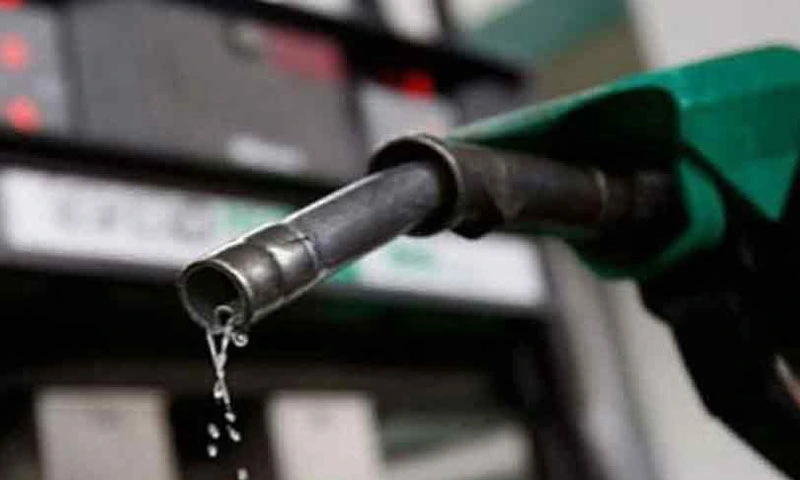
Pakistan Holds Four Weeks of Fuel as Global Oil Routes Face Disruption
Pakistan currently has enough petroleum reserves to meet domestic demand for about 28 days, according to officials from the Oil and Gas Regulatory Authority. Authorities say the country built these reserves as a precaution amid escalating tensions in the Middle East. Officials explained that surplus fuel imports in recent months helped maintain a comfortable stock of petrol and diesel. These precautionary measures increased reserves to more than 25 days in January and around 28 days in February. The move was intended to shield Pakistan from potential disruptions in global oil supply routes. “We have ample stocks of petrol and diesel to meet the country’s requirement,” officials said while confirming that consumers should not face immediate shortages. Strait of Hormuz Disruption Delays Oil Cargoes Despite the reassuring stock levels, global developments have created uncertainty. Two crude oil cargoes bound for Pakistan remain delayed because of disruptions around the Strait of Hormuz, a vital shipping corridor connecting the Persian Gulf to global markets. The strait is one of the world’s most critical energy routes. Around 20 million barrels of oil and petroleum products pass through it daily, representing nearly one fifth of global oil supply. Major exporters such as Saudi Arabia, Iran, the United Arab Emirates, Kuwait and Iraq rely heavily on this route for shipments to Asia. Recent regional tensions and security concerns have disrupted shipping activity in the area, affecting crude deliveries to several countries, including Pakistan. Government Monitoring Energy Supply Situation Pakistan’s Petroleum Division earlier instructed the Oil and Gas Regulatory Authority to maintain adequate stocks of crude oil and refined petroleum products. The aim is to ensure supply continuity in case the regional conflict affects shipping routes or trade flows. Authorities are also monitoring imports of petrol, diesel and liquefied petroleum gas to ensure shipments arrive on schedule. The government has asked energy regulators to closely track supply chains in light of the evolving security situation in the Gulf. Rising Global Oil Prices Add Pressure The conflict has already affected global energy markets. Brent crude oil prices jumped by about 10 percent to above $82 per barrel after attacks on vessels near the Strait of Hormuz. Natural gas prices also rose sharply, reflecting fears of supply disruptions. Analysts warn that if tensions persist and key waterways remain closed, global energy markets could face further volatility. Pakistan’s import bill may also rise significantly if oil prices climb to higher levels. Officials say the government is closely monitoring international developments to ensure the country’s energy security remains stable. Experts Warn of Possible Global Oil Crisis Energy experts caution that prolonged conflict in the Gulf region could trigger a wider global oil crisis. Pakistan’s reserves offer a temporary cushion, but sustained disruptions to shipping routes could create challenges for many countries that rely heavily on imported fuel. For now, authorities insist that fuel supplies in Pakistan remain stable and that contingency measures are in place to avoid panic or market disruptions.

Shaheen Afridi to Lead Young Pakistan Side as Six New Players Selected against Bangladesh
The Pakistan Cricket Board has announced a 15 member squad for the upcoming ODI series against Bangladesh, introducing several fresh faces as part of a squad rebuild. Fast bowler Shaheen Shah Afridi will continue to captain the side during the tour. The most striking feature of the squad is the inclusion of six uncapped players, signaling a major shift toward youth and domestic performers. The newcomers include Abdul Samad, Maaz Sadaqat, Muhammad Ghazi Ghori, Saad Masood, Sahibzada Farhan and Shamyl Hussain, all of whom have earned their first ODI call ups. The selectors believe these players have shown strong performances in domestic cricket and emerging tournaments, making them ready for international exposure. Six Uncapped Players Get First ODI Opportunity The inclusion of six new players reflects the board’s focus on testing new talent after recent challenges in white ball cricket. Abdul Samad and Maaz Sadaqat have impressed in domestic competitions and franchise cricket. Their consistent performances helped them break into the national setup. Muhammad Ghazi Ghori, Saad Masood, Sahibzada Farhan, and Shamyl Hussain also join the squad for the first time in the ODI format. Sahibzada Farhan is among the most experienced of the newcomers. The right handed batter has previously represented Pakistan in T20 Internationals and has been a prolific scorer in domestic cricket. Selectors hope the blend of youth and emerging experience will strengthen Pakistan’s squad depth ahead of future ICC tournaments. 🚨 Announcing Pakistan's 15-member squad for ODI series vs Bangladesh 🇵🇰The three matches will be played from 11 to 15 March at Shere Bangla National Cricket Stadium 🏏🏟️More details ➡️ https://t.co/ez4Z8bQNR6#BANvPAK | #BackTheBoysInGreen pic.twitter.com/dazGURF4UQ— Pakistan Cricket (@TheRealPCB) March 4, 2026 Big Names Missing from the Squad Several established players have not been included in the squad. The list of notable absentees includes Babar Azam, Fakhar Zaman, Mohammad Nawaz, Naseem Shah, Saim Ayub and Haseebullah. Their absence highlights a strategic shift by the team management, which appears focused on rebuilding the squad and exploring new combinations. Cricket analysts believe the Bangladesh series offers an ideal opportunity to test fresh talent without the pressure of major tournaments. Bangladesh Tour Provides Platform for New Talent Pakistan and Bangladesh have developed a competitive white ball rivalry in recent years. The two teams have faced each other regularly in bilateral series and major ICC tournaments. In recent meetings, Pakistan have generally maintained an upper hand. For example, during Bangladesh’s tour of Pakistan in 2025, the hosts secured a clean sweep in the T20I series. The upcoming ODI series will therefore provide Bangladesh with a chance to challenge a youthful Pakistan side, while Pakistan will aim to evaluate its next generation of players. Focus on Long Term Squad Development The Pakistan Cricket Board has repeatedly emphasized the need to build squad depth and groom new players for international cricket. Introducing uncapped players in bilateral series helps selectors identify future prospects for major tournaments such as the ICC Champions Trophy and the 2027 Cricket World Cup. With Shaheen Shah Afridi leading the side, the young squad will look to make a strong impression against Bangladesh while proving their readiness for international cricket.
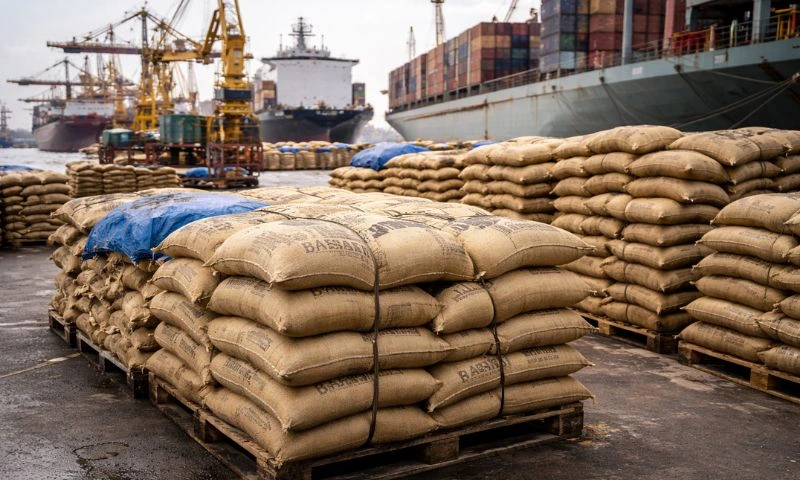
400,000 Tonnes of Indian Basmati Stranded Amid Iran Conflict
India’s basmati rice exports have been severely disrupted as escalating tensions in the Middle East have halted shipments and delayed trade deals. According to industry officials, around 400,000 tonnes of Indian basmati rice are currently stuck at ports or in transit, creating major uncertainty for exporters and traders. Trade officials say roughly 200,000 tonnes of rice are stranded at Indian ports, while another 200,000 tonnes are already in transit but unable to reach their destinations due to shipping disruptions across the Middle East. The crisis began after the conflict involving the United States, Israel and Iran intensified, disrupting key maritime routes and pushing freight costs sharply higher. As a result, exporters say new orders from buyers in the region have largely stopped. Satish Goel, president of the All India Rice Exporters’ Association, explained the scale of the disruption. He said, “Around 200,000 tonnes of basmati rice are stuck in transit, and an equal amount is stranded at Indian ports as the war has disrupted shipping routes across the Middle East.” Rising Freight Costs and Insurance Problems Shipping companies and exporters say the situation has worsened because container freight rates have more than doubled in recent days. Many shipping firms are reluctant to send vessels through conflict-affected waters in the Gulf region. Insurance companies have also withdrawn coverage for ships traveling through key maritime routes such as the Strait of Hormuz. Without insurance protection, cargo vessels cannot operate normally, leaving exporters with large quantities of rice waiting at warehouses and ports. Exporters say they had already transported large volumes of basmati rice to ports expecting normal shipments to Middle Eastern markets. However, the sudden escalation of conflict has left traders facing rising storage costs and financial pressure. Industry sources warn that if the situation continues, exporters may have to invoke force majeure clauses in contracts with overseas buyers. Read More: Strait of Hormuz Closure Sparks Global Shipping Crisis and Higher Costs Middle East a Crucial Market for Basmati The Middle East remains one of the largest markets for Indian basmati rice. Countries such as Iran, Saudi Arabia and the United Arab Emirates together account for more than half of India’s premium rice exports. Basmati rice, known for its long grains and distinctive aroma, originates from the Indian subcontinent and is mainly grown in regions of India and Pakistan. It is widely used in dishes such as biryani and pilaf, making it a staple product across South Asia and the Middle East. India is currently the world’s largest exporter of basmati rice, with exports reaching record levels in recent years due to strong demand from international markets. However, the sudden disruption has pushed prices down by nearly six percent as supply builds up and buyers delay purchases. Read More: Spain Rejects Trump’s Threat to Cut Off Trade Over Iran Conflict Exporters Seek Government Support Indian rice exporters have approached the government for assistance as the backlog grows. Industry groups say traders are struggling with mounting logistics costs and uncertainty over future shipments. Experts believe the disruption could continue as long as the regional conflict affects shipping routes and insurance coverage. At the same time, traders say Middle Eastern countries have few alternatives to Indian basmati supplies, meaning demand is likely to return once the situation stabilizes. For now, exporters remain cautious, focusing on completing existing contracts while holding back from signing new deals until shipping routes become safer.

Spain Rejects Trump’s Threat to Cut Off Trade Over Iran Conflict
A diplomatic dispute has erupted between the United States and Spain after US President Donald Trump threatened to cut off all trade with Spain over its stance on the ongoing conflict involving Iran. The controversy emerged after Madrid refused to allow US forces to use joint military bases on Spanish soil for operations linked to the conflict. Speaking during a meeting at the White House with German Chancellor Friedrich Merz, Trump criticized Spain’s decision and warned that Washington could sever trade ties. He told reporters, “We’re going to cut off all trade with Spain. We don’t want anything to do with Spain.” The remarks have intensified tensions between two NATO allies at a time when the Middle East conflict is expanding and reshaping global diplomacy. Dispute Over Military Bases and Iran Conflict The dispute began when Spain declined a US request to use two jointly operated military bases in southern Spain, located in Rota and Morón, for operations connected to strikes against Iran. Spanish officials said such military activity must comply with international law and should be authorized by the United Nations. Spanish Foreign Minister José Manuel Albares emphasized that Spain remains a committed member of NATO but would not allow its territory to be used for military action that lacks a clear legal framework. The decision came as the conflict involving the United States, Israel and Iran intensified across the Middle East, raising fears of a wider regional war. Spain’s position reflects broader caution among several European governments regarding direct military involvement in the escalating crisis. Read More: Oil Prices Surge 10% as Iran Conflict Threatens Key Supply Routes, Analysts Warn $100 Oil Possible NATO Spending Disagreement Adds Pressure The dispute between Washington and Madrid is also linked to ongoing disagreements about NATO defense spending. The United States has been pushing allies to increase military spending to 5 percent of their gross domestic product. Spain has resisted the target, saying it plans to keep defense spending around 2.1 percent of GDP. Spanish Prime Minister Pedro Sánchez has argued that raising military spending to 5 percent would be “disproportionate and unnecessary.” Trump has repeatedly criticized NATO members that fail to meet US expectations for defense spending, accusing them of relying too heavily on American military protection. Questions Over Feasibility of Trade Threat Despite Trump’s strong rhetoric, analysts note that implementing a full trade cutoff with Spain could be complicated. Spain is a member of the European Union, meaning trade agreements with the United States are negotiated collectively by the EU rather than by individual member states. This legal framework makes it difficult for Washington to impose unilateral trade restrictions on Spain alone without broader negotiations with the EU. Spain has also pointed out that it remains a major ally in NATO and contributes to European defense and security missions. In 2025, Spain recorded a trade surplus of about $4.8 billion with the United States, highlighting the economic stakes involved in any potential dispute between the two countries. Read More: Strait of Hormuz Closure Sparks Global Shipping Crisis and Higher Costs Growing Rift Among Western Allies The episode highlights growing tensions among Western allies over military strategy, defense spending and the widening Iran conflict. European leaders have stressed the need for diplomatic solutions while seeking to avoid deeper military escalation. Experts say disputes like this could test the unity of NATO at a time when global security challenges are intensifying. For now, Spain has signaled that it will not change its position despite the threat of economic retaliation. Officials in Madrid insist their decisions are guided by international law and the need to avoid further escalation in an already volatile region

X Introduces Tough New Rules for AI War Content
Social media platform X has introduced a new policy that suspends creators from its revenue-sharing program if they post AI-generated videos of armed conflicts without clearly disclosing that the content was produced using artificial intelligence. The move comes amid growing concerns about misinformation online during times of war. According to the platform, creators who fail to label AI-generated videos depicting armed conflicts will face a 90-day suspension from the Creator Revenue Sharing program. Repeat violations could lead to a permanent removal from the program, meaning those accounts would lose the ability to earn money from advertising revenue generated by their posts. The decision was announced by X’s head of product, Nikita Bier, who emphasized the importance of reliable information during global crises. He wrote that “during times of war, it is critical that people have access to authentic information on the ground.” He also warned that modern AI tools make it easy to create highly convincing content that can mislead viewers. Policy Introduced Amid Rising War Disinformation The new rule comes as social media platforms face increasing criticism over the spread of misinformation related to armed conflicts. Recent geopolitical tensions involving the United States, Israel and Iran have triggered a surge of viral posts, including manipulated videos and AI-generated clips that appear to show battlefield scenes. Experts say generative AI technology can now create realistic war footage within minutes, making it difficult for ordinary users to distinguish between genuine reporting and fabricated content. As a result, misleading videos often gain millions of views before they are verified or corrected. Bier said the platform is revising its revenue policies to protect the integrity of information shared during critical moments. The company believes removing financial incentives for misleading AI content could reduce the spread of fake or sensationalized war videos. Read More: OpenAI Introduces Age Prediction to Limit Sensitive Content on ChatGPT How X Will Detect AI-Generated Content To enforce the new policy, X will use several detection methods. The platform plans to rely on metadata and other digital signals embedded in AI-generated media, which can help identify whether a video was produced using generative tools. In addition, misleading posts may be flagged through Community Notes, the platform’s crowd-sourced fact-checking system. Community Notes allows users to attach contextual information to posts that may contain inaccurate or misleading claims. Creators will also be required to manually label AI-generated media using a disclosure option called “Made with AI.” The company said that users must apply the label even if they were not the original creators of the AI content. Monetization Rules Reflect Platform’s Changing Strategy The update represents a notable shift for X, which has faced criticism over its approach to content moderation since Elon Musk acquired the platform in 2022 and rebranded Twitter as X. Critics have argued that relaxed moderation policies have allowed misinformation to spread more easily on the platform. The Creator Revenue Sharing program itself was introduced to encourage users to produce engaging content and share advertising revenue with creators whose posts generate significant engagement. However, analysts say the system can also incentivize sensational content designed to attract clicks and reactions. By linking monetization privileges to disclosure rules, X hopes to discourage creators from using AI-generated war footage purely to drive engagement and revenue. Read More: AI Ethics in Crisis: Why Elon Musk’s Grok Was Banned from Creating Undressing Deepfakes Balancing Free Expression and Information Integrity While the new policy focuses specifically on AI-generated war videos, the broader debate over misinformation and monetization on social media continues. Experts say AI tools will increasingly challenge platforms to maintain trust while allowing users to share content freely. X has indicated that it will continue refining its policies and product features to ensure the platform remains a reliable source of information during major global events.

Apple Unveils New MacBook Air and Pro Starting at $1,099
Apple has launched a new generation of MacBook laptops featuring upgraded processors, higher base storage and improved performance. The company introduced updated versions of the MacBook Air and MacBook Pro as it seeks to attract buyers in a global PC market that is facing slower demand and rising component costs. The new MacBook Air lineup starts at $1,099 for the 13-inch model, while the MacBook Pro series with the M5 Pro chip begins at $2,199. Apple says the updated laptops offer improved performance and enhanced capabilities for demanding tasks such as content creation, software development and artificial intelligence workloads. Although Mac computers generate less revenue than the iPhone, they remain strategically important for Apple, particularly among students, creative professionals and high-end consumers. M5 Chip Brings Major Performance Improvements The latest MacBook models are powered by Apple’s new M5 series chips, including the standard M5 processor as well as the more powerful M5 Pro and M5 Max variants. These processors are designed to deliver faster computing speeds, better graphics performance and stronger support for on-device AI tasks. The chips are built using advanced semiconductor manufacturing technology that improves efficiency and allows devices to run complex workloads while maintaining strong battery life. Apple’s transition from Intel processors to its own M-series chips began in 2020 and has significantly boosted performance across the Mac lineup. Higher-end MacBook Pro models powered by the M5 Pro and M5 Max processors are designed for professional users who require strong performance for video editing, graphics rendering and software development. Read More: Apple’s First Touchscreen MacBook Pro Set for 2026 Release Bigger Storage and Faster Connectivity One of the most notable upgrades in the new MacBook Air is the increase in base storage to 512GB, which is double the storage offered in the previous generation. Apple says the laptops also feature faster solid-state drives that deliver improved read and write speeds, helping users work with large files more efficiently. The new MacBook Air models also include improved connectivity through technologies such as Wi-Fi 7 and Bluetooth 6, providing faster wireless speeds and better reliability. Apple says the laptops can deliver up to 18 hours of battery life, allowing users to work or stream content throughout the day without needing to recharge. Launch Comes Amid Rising Memory Costs The release of the new MacBook lineup comes at a time when the global PC industry is facing rising prices for memory components such as DRAM and NAND flash. These parts are essential for modern laptops and their costs have increased due to supply shortages and strong demand for chips used in artificial intelligence infrastructure. Despite the challenging market conditions, Apple hopes the new features and improved performance of its laptops will encourage customers to upgrade older devices. Read More: New Apple Devices Coming Soon: Faster iPads, Smarter Siri, and More Industry analysts say the company continues to position the MacBook Air as a mainstream laptop for students and professionals, while the MacBook Pro remains targeted at users who require high computing power. With stronger processors, larger storage capacity and improved connectivity, Apple’s new MacBook generation reflects the company’s ongoing strategy to combine performance, efficiency and AI capabilities in its personal computing devices.
