

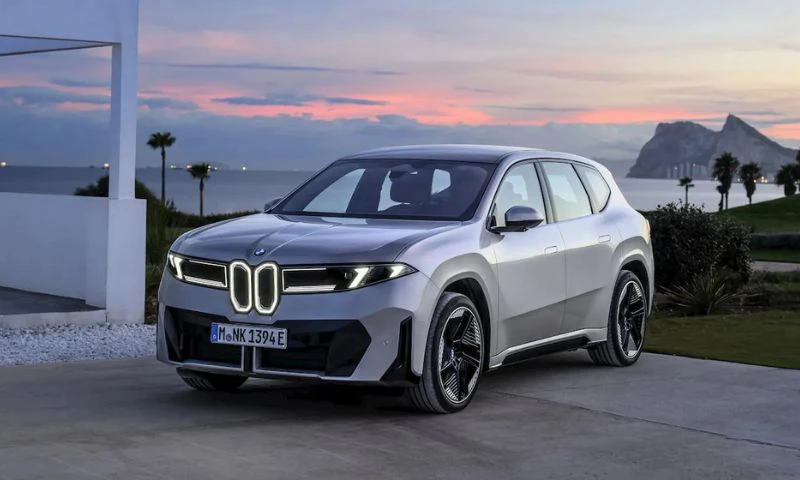
German luxury carmaker BMW has unintentionally revealed details of its upcoming 2027 model lineup after the names of several vehicles briefly appeared on the company’s US online store. The unexpected leak has generated excitement among car enthusiasts, offering a glimpse of BMW’s next generation of performance and electric vehicles. According to the leaked listing, BMW is preparing a wide range of models for the 2027 model year, including new electric sedans, performance coupes and luxury SUVs. The reveal highlights the company’s broader strategy to expand electrification while still maintaining its traditional high-performance models. Industry analysts say the leak also reflects BMW’s transition toward the Neue Klasse platform, a new electric architecture that will underpin many of its next-generation vehicles. The platform is expected to support dozens of new or updated models by 2027. New Performance Models Including M2 xDrive Among the most talked-about vehicles in the leaked lineup is the BMW M2 xDrive, which is expected to become the first all-wheel-drive version of the compact performance coupe. Traditionally, the M2 has been offered with rear-wheel drive, a configuration popular with driving enthusiasts. The addition of xDrive all-wheel drive could significantly expand the car’s appeal by improving traction and performance in different driving conditions. The move also aligns the M2 with other models in BMW’s high-performance M lineup that already use all-wheel-drive systems. Another important performance model mentioned in the leak is the M350 xDrive, which is expected to become the new M Performance variant of the BMW 3 Series. It may eventually replace the current M340i, offering higher performance and improved handling. Performance-focused models like the M2 remain an important part of BMW’s brand identity. Recent versions of the M2 feature powerful turbocharged engines producing more than 470 horsepower and modern digital interiors with advanced driver assistance technologies. Electric Future Led by the i3 and iX3 The leak also highlights BMW’s growing focus on electric vehicles. One of the key models in the lineup is the BMW i3 sedan, which will be offered in several variants including the i3 40 xDrive and i3 50 xDrive. Unlike the earlier i3 electric hatchback, the new version will be a fully electric sedan designed to compete in the premium executive segment. It is expected to share technology and design language with other models built on BMW’s Neue Klasse platform. Electric SUVs are also set to play a major role in the brand’s strategy. The BMW iX3, which represents the first production vehicle based on the Neue Klasse architecture, is expected to deliver advanced battery technology and long driving range. Reports suggest the SUV could offer up to 500 miles of range under WLTP testing conditions, along with ultra-fast charging capabilities of up to 400 kW. This would allow the battery to charge from 10 percent to 80 percent in roughly 20 minutes. BMW’s Strategy for the Next Generation BMW executives have repeatedly emphasized that electrification, digitalization and sustainability will shape the company’s future vehicles. The Neue Klasse platform represents a major investment designed to modernize the company’s entire lineup. Industry reports indicate BMW plans to introduce around 40 new or updated models by 2027, combining electric vehicles with advanced performance models. For car enthusiasts and industry observers, the accidental leak provides an early look at how BMW intends to balance its heritage of driving performance with the rapidly evolving world of electric mobility. As the 2027 launch window approaches, more details about the new i3, X3 and M-series vehicles are expected to emerge, offering a clearer picture of BMW’s next chapter.
From Farm Waste to Fashion: Pakistan Launches Banana Fiber Initiative
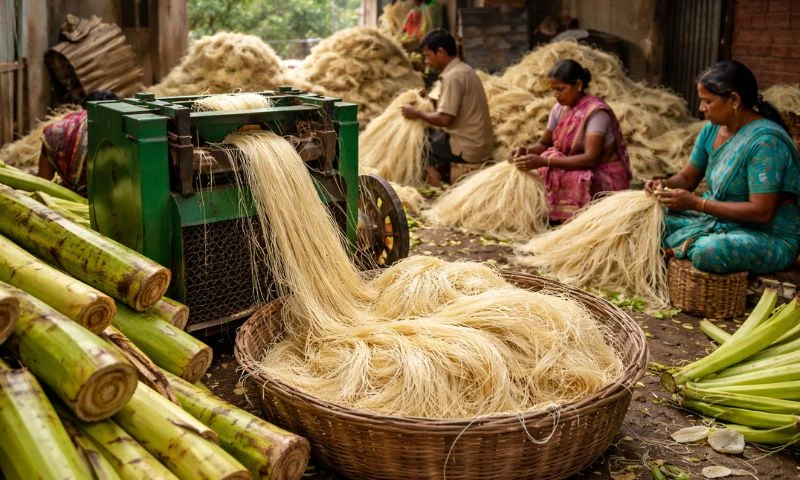
Pakistan has launched a new initiative to convert banana waste into textile fiber, a move aimed at promoting sustainable industry practices while creating new economic opportunities. The project has been launched by the Small and Medium Enterprises Development Authority in collaboration with the Food and Agriculture Organization and other partners. The initiative was introduced during an inception workshop that brought together policymakers, researchers, entrepreneurs and development partners to explore the potential of banana waste as a raw material for Pakistan’s textile and allied industries. Officials said the project is designed to support climate-friendly solutions while strengthening the country’s bio-economy. The project will run from 2026 to 2031 and aims to promote sustainable production by converting banana plant waste into valuable textile fiber and other products such as handicrafts, bags and packaging materials. Addressing Agricultural Waste and Environmental Challenges Experts say Pakistan produces a significant amount of banana waste each year because banana plants are discarded after harvesting fruit. Large quantities of this agricultural residue are often burned or left to decompose, contributing to environmental pollution. Studies show that bananas are cultivated on more than 40,000 hectares in Pakistan and a large portion of plant residue goes unused. Officials believe this waste can be processed to extract strong natural fibers that can be used in textiles and other products. Assistant FAO Programme Officer Amina Bajwa said the initiative could help address environmental challenges while generating economic value. She noted that Pakistan ranks among the countries most vulnerable to climate change and faces issues such as agricultural emissions and environmental degradation. She said converting banana waste into high-value products offers a practical solution that can reduce pollution while creating new sources of income for farmers and small businesses. Sindh Plays Key Role in Banana Economy Sindh province is expected to play a central role in the project because it is the main banana-producing region of Pakistan. Dr Julius, FAO Programme Coordinator and Provincial Head for Sindh, described the province as the “epicenter of Pakistan’s banana economy.” He highlighted concerns about post-harvest losses and noted that nearly 16 percent of bananas are wasted during production and supply processes. He stressed that research and farmer participation will be essential for the success of the initiative. Agriculture experts say banana fiber is a strong natural material extracted from the plant’s stem, which is usually discarded after harvest. The fiber is biodegradable and can be used to produce fabrics, ropes, mats and other textile products. Women and SMEs Expected to Benefit Officials say the project will also have a strong social impact. Around 40,000 women are expected to be engaged in various activities linked to the initiative, including fiber extraction, handicraft production and small business development. The program will focus on pilot projects, technology transfer, training, capacity building, certification support and market linkages to help build a sustainable value chain. Entrepreneurs have already begun experimenting with banana fiber products. During the workshop, a seller of banana fiber goods shared her experience and said the initiative had helped her earn a livelihood while promoting sustainable products. Officials believe the project could strengthen Pakistan’s textile sector, the country’s largest export industry, while also reducing agricultural waste and promoting environmentally friendly manufacturing practices.
Trump Casts Doubt on Reza Pahlavi’s Ability to Lead Iran
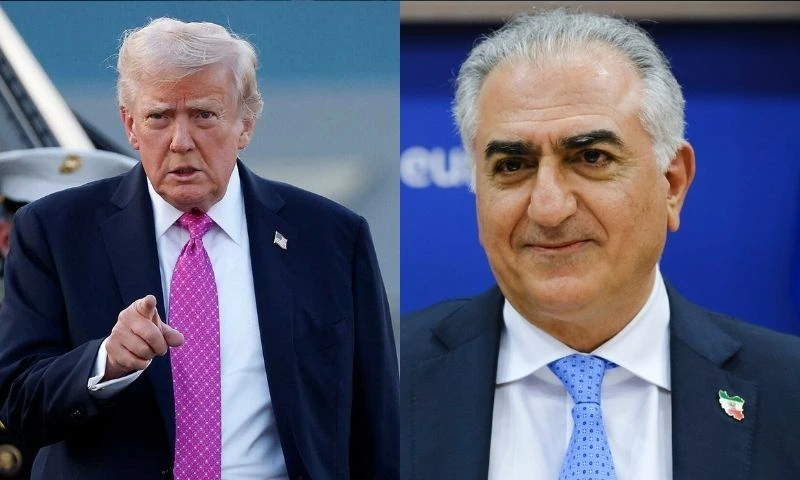
US President Donald Trump has expressed doubts about whether Iran’s exiled crown prince, Reza Pahlavi, could realistically lead the country if the current Islamic Republic government collapses. The remarks come at a time when tensions in the Middle East remain high and speculation continues about possible political change in Iran. Pahlavi, the son of Iran’s last monarch Mohammad Reza Shah Pahlavi, has lived in exile since the 1979 Islamic Revolution that overthrew the monarchy and established the Islamic Republic. In recent months, he has tried to present himself as a potential transitional leader for Iran if the ruling clerical system falls. However, Trump has indicated that he is not convinced that Pahlavi would have the necessary support among Iranians inside the country. “He seems very nice,” Trump said, but added that he was unsure how Pahlavi “would play within his own country.” He said the United States had not yet reached a stage where such leadership questions were relevant. Pahlavi Seeking International Support Reza Pahlavi has been actively lobbying Western governments, particularly the United States, to support political change in Iran. He has proposed a future vision for Iran that includes abandoning nuclear weapons, recognising Israel, and expanding oil and gas exports. Analysts say these proposals appear designed to appeal to policymakers in Washington and other Western capitals. Experts note that Pahlavi’s recent political messaging has often been directed more toward international audiences than people inside Iran. Despite his efforts, political analysts say Pahlavi has struggled to build a strong internal movement within Iran. Decades in exile have created a perception among some Iranians that he is disconnected from the realities of life inside the country. Memories of the rule of his father, the late Shah, also remain controversial. The monarchy’s security apparatus, known as SAVAK, was widely accused of suppressing political opposition before the 1979 revolution. Read More:Khamenei Blames Iran Unrest on US Influence, Warns of Tougher Crackdown Political Uncertainty Inside Iran The debate over Iran’s potential future leadership comes as the country faces internal and external pressure. Iran has experienced widespread protests in recent years driven by economic hardship, political repression, and public anger toward the government. At the same time, tensions with the United States and Israel have intensified. Recent regional confrontations and military strikes have further destabilised the political environment in the Middle East. Some opposition groups abroad believe the current crisis could eventually weaken Iran’s ruling system and create space for political transition. But many analysts say the path toward any new leadership remains uncertain. Read More: Iran’s Supreme Leader Khamenei Killed in US-Israeli Strikes, 40 days of mourning announced in Iran Future of Iran’s Opposition Remains Unclear Trump’s remarks highlight the broader uncertainty surrounding Iran’s opposition movement. While figures like Reza Pahlavi continue to position themselves as potential alternatives to the current government, experts say no single opposition leader has yet emerged with clear nationwide backing. For now, analysts say political change in Iran would depend largely on internal developments rather than external endorsements. As regional tensions continue and domestic unrest persists, the question of who could lead Iran in a post-Islamic Republic scenario remains unresolved.
