

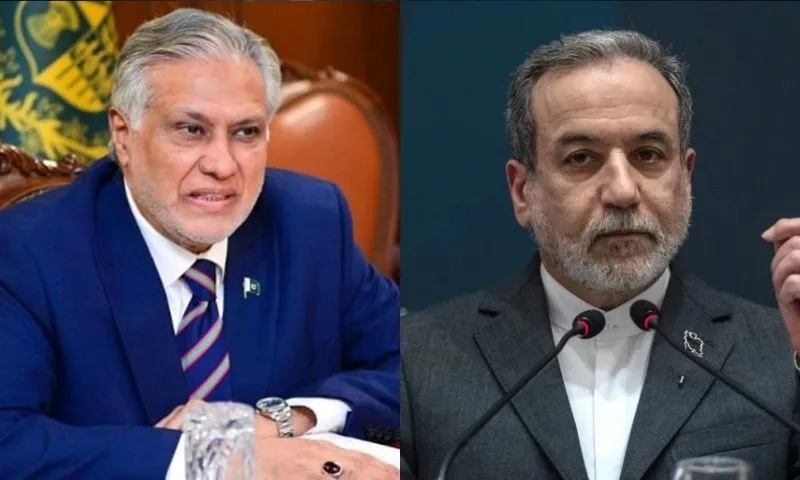
Iran has expressed strong appreciation for Pakistan’s diplomatic efforts in mediating the ongoing conflict in the Middle East, while firmly rejecting reports that it refused to participate in talks hosted in Islamabad. Iranian Foreign Minister Abbas Araghchi said his country is “deeply grateful to Pakistan” for its role in facilitating dialogue amid the escalating US-Israel war against Iran. Iran Denies Refusing Islamabad Talks The Iranian foreign minister directly addressed reports suggesting Tehran had declined to attend mediation talks in Pakistan, calling such claims misleading. “Iran’s position is being misrepresented by U.S. media,” Araghchi said in a statement. He added, “We are deeply grateful to Pakistan for its efforts and have never refused to go to Islamabad.” According to officials, Islamabad was being considered as a key venue for potential negotiations between the United States and Iran, with preparations underway before talks were delayed at the last moment due to internal consultations by both sides. Pakistan’s Role as Mediator Gains Recognition Pakistan has emerged as a significant diplomatic bridge in the ongoing conflict, offering to host talks and engaging with multiple stakeholders to de-escalate tensions. Deputy Prime Minister and Foreign Minister Ishaq Dar welcomed the clarification from Tehran, saying it countered what he described as “false propaganda” about Pakistan’s role. Dar emphasised that Pakistan’s outreach reflects its commitment to peace and stability, positioning the country as an “honest broker” in a highly volatile regional environment. Pakistan has been actively engaged in shuttle diplomacy, coordinating with global and regional powers to bring both sides to the negotiating table. Truly appreciate your clarification, my Dear Brother @Araghchi. 🇵🇰 🤝 🇮🇷 https://t.co/reptX11LQa — Ishaq Dar (@MIshaqDar50) April 4, 2026 Iran Calls for “Conclusive and Lasting” End to War While expressing openness to dialogue, Iran made it clear that any negotiations must lead to a meaningful and lasting resolution. Araghchi stressed that Tehran is focused on securing “a conclusive and lasting END to the illegal war that is imposed on us.” This reflects Iran’s broader stance that any ceasefire or agreement must address its core concerns, including security guarantees and an end to hostilities. Mediation Efforts Face Challenges Amid Ongoing Conflict Despite Pakistan’s efforts, mediation attempts have faced significant challenges. Reports indicate that negotiations between the US and Iran have narrowly missed breakthroughs on multiple occasions, highlighting the complexity of the conflict and deep differences between the parties. The war, which began in late February, has escalated rapidly, involving regional actors and triggering global economic and security concerns. Pakistan’s diplomatic initiative is seen as part of a broader international effort to prevent further escalation and bring stability to the region. Growing Importance of Diplomacy in Regional Stability The Iranian foreign minister’s statement underscores the growing importance of diplomatic channels in resolving the crisis. With tensions remaining high and military operations ongoing, mediation efforts led by countries like Pakistan are increasingly seen as critical to avoiding a wider regional conflict. Analysts say Pakistan’s role as a neutral facilitator could enhance its global diplomatic standing, even as the path to peace remains uncertain.

New Blood Test Detects Active Tuberculosis in Major Breakthrough
A new blood test capable of detecting active and infectious tuberculosis is being seen as a major breakthrough in the fight against one of the world’s deadliest diseases. Unlike traditional methods, the test can identify whether a person has active TB, the stage at which the disease is contagious and dangerous. Experts say this development could significantly improve early detection and help prevent the spread of tuberculosis, especially in high-burden countries like Pakistan, India and Bangladesh. How the New Blood Test Works The test works by analyzing how the immune system responds to specific tuberculosis proteins. When a small blood sample is exposed to these proteins, the test measures the body’s reaction to determine whether the infection is active. Unlike older blood tests such as the interferon gamma release assay, which only detect exposure to TB bacteria, the new method identifies antibodies linked specifically to active disease. This allows doctors to distinguish between patients who are currently sick and those who were exposed in the past but are not contagious. Why Current Tests Fall Short Existing diagnostic tools, including the TB skin test and standard blood tests, have a major limitation. They cannot differentiate between latent TB and active TB. Latent TB means the bacteria are present in the body but inactive, causing no symptoms and posing no risk of spreading. Active TB, on the other hand, is the dangerous form that spreads through coughing, sneezing or close contact. Experts note that a large portion of the global population carries latent TB, making it difficult to identify who actually needs urgent treatment. Clinical Trials Show Promising Results The new blood test has already shown strong performance in clinical trials involving more than 600 participants. Researchers found that it was effective in detecting pulmonary TB, which accounts for the majority of cases, as well as harder-to-diagnose infections in children and in organs outside the lungs. One researcher described the results as highly encouraging, saying the test performed “surprisingly well” across different patient groups. A Game Changer for Developing Countries Tuberculosis remains a major global health challenge, with over 10 million new cases reported each year and millions of deaths worldwide. The burden is particularly high in developing countries, where access to advanced diagnostic tools is limited and delays in detection often lead to further spread of the disease. Experts believe that a simple and accurate blood test could transform TB control efforts by enabling faster diagnosis, earlier treatment and better tracking of infectious cases. If approved for widespread use, the new test could become a key tool in global health strategies aimed at eliminating tuberculosis. Researchers are now working to expand its availability and adapt it for routine clinical use. The development also reflects a broader push toward innovative diagnostics that are faster, more accurate and easier to deploy in resource-limited settings. With tuberculosis continuing to pose a serious threat worldwide, the ability to quickly identify active cases could prove critical in reducing infections and saving lives.

Bizarre but Real: People Eating the Unthinkable Due to Pica Disease
Doctors have revealed shocking details about a little-known eating disorder called pica, where people develop cravings for items that are not food at all. In some cases, patients have been found eating sponges, talcum powder, paper, clay, hair and even parts of walls. Medical experts say these behaviors are not simply unusual habits but a serious psychological and medical condition that can lead to life-threatening complications. One doctor recalled a case where a patient repeatedly ate kitchen sponges, even when they were dirty. Another case involved individuals consuming drywall, putting themselves at risk of toxic exposure and internal damage. What Is Pica and Why It Happens Pica is a recognized eating disorder defined by the persistent consumption of non-food substances that have no nutritional value. To be diagnosed, the behavior must continue for at least a month and occur at an age where such behavior is considered abnormal. Experts believe the condition can be triggered by several factors, including nutritional deficiencies such as iron or zinc, mental health conditions like obsessive-compulsive disorder, or developmental disorders such as autism. Psychologists explain that in some cases, the behavior may become habitual because it provides comfort or reduces anxiety. Shocking Real-Life Cases Doctors have reported extreme cases that highlight how dangerous the disorder can become. In one case, a young girl required surgery after a massive hairball formed in her stomach due to years of eating hair. The blockage extended deep into her digestive system, causing severe illness. Other patients have been known to consume items like paper, chalk, toys, and even nails, which can cause serious internal injuries or poisoning. Health Risks Can Be Deadly Medical professionals warn that pica can lead to severe complications, including intestinal blockages, infections, choking and poisoning. In extreme cases, consuming substances like paint or drywall can expose individuals to toxic materials such as lead, which can damage the brain and nervous system, especially in children. Even seemingly harmless items like paper or hair can accumulate in the body and cause life-threatening obstructions. Who Is Most at Risk The disorder is more commonly seen in children, pregnant women and individuals with developmental or mental health conditions. Experts also note that environmental factors such as poverty or neglect can increase the likelihood of developing pica, especially when combined with biological vulnerabilities. Treatment and Hope Despite its alarming nature, doctors emphasize that pica is treatable, especially if identified early. Treatment usually focuses on addressing the root cause, whether it is a nutritional deficiency or a psychological condition. Behavioral therapy has proven effective, particularly in children, helping them replace harmful habits with safer alternatives. Experts stress that early diagnosis is critical. One specialist noted that pica is “a meaningful clinical signal” that often points to unmet medical or psychological needs. A Hidden Disorder Gaining Attention The growing discussion around pica highlights how easily the condition can go unnoticed. Many individuals hide their behavior, and symptoms are often misunderstood until serious health issues arise. As awareness increases, doctors are urging families and healthcare providers to recognize the signs early and seek timely intervention to prevent long-term damage.

United Motorcycles Prices Increased in Pakistan Amid Rising Costs
United Auto Industries has increased the prices of its motorcycles in Pakistan, adding further pressure on consumers already dealing with rising fuel and transportation costs. The new prices have been implemented across several models, including the popular 70cc, 100cc and 125cc bikes that are widely used for daily commuting. The latest revision reflects a broader trend in the local motorcycle market, where manufacturers are adjusting prices in response to increasing production costs and economic challenges. Key Models See Noticeable Increase The price hike has affected entry level bikes the most, particularly those in the 70cc category, which are commonly used by students and low income riders. The United US 70, one of the most popular budget motorcycles, has seen a noticeable increase, making it less affordable for many buyers. Similarly, the United US 100 and 125cc variants have also witnessed price revisions, pushing overall costs higher for consumers across different segments. Market data shows that United motorcycles remain among the more affordable options in Pakistan, with prices typically ranging from around Rs108,500 for basic models to over Rs300,000 for higher-end variants, depending on features and specifications. Reasons Behind the Price Increase The increase in prices has been attributed to multiple factors, including rising raw material costs, currency depreciation and higher operational expenses. Manufacturers are facing mounting pressure due to the weakening rupee against the US dollar, which directly impacts the cost of imported components used in local assembly. Industry experts also point to inflation and increased transportation costs as key drivers behind the upward revision in motorcycle prices. Impact on Consumers The latest price hike is expected to hit middle and lower income groups the hardest, as motorcycles remain the primary mode of transportation for millions of Pakistanis. With fuel prices already at record levels, the additional cost of purchasing a bike is likely to reduce affordability and delay buying decisions for many households. United motorcycles have long been considered a budget friendly option due to their relatively lower prices and fuel efficiency, especially for city commuters. However, the recent increase may narrow the affordability gap between different brands in the market. Broader Market Trend The price revision by United Auto Industries is part of a wider pattern seen across Pakistan’s auto sector, where multiple manufacturers have raised prices in recent months. Economic uncertainty, high inflation and import restrictions have collectively contributed to higher vehicle costs across the board. As a result, consumers are facing a double burden of rising purchase prices and increasing fuel expenses, making everyday transportation more expensive. Outlook for the Market Experts believe that unless economic conditions stabilize, further price adjustments may remain likely in the coming months. Manufacturers are expected to continue passing on cost increases to consumers as they struggle to maintain margins. For buyers, this means that motorcycles, once considered the most economical mode of transport, are gradually becoming more expensive, reflecting the broader financial pressures facing Pakistan’s economy.
Rs378 Petrol Explained: How Much Goes to Taxes and Profits
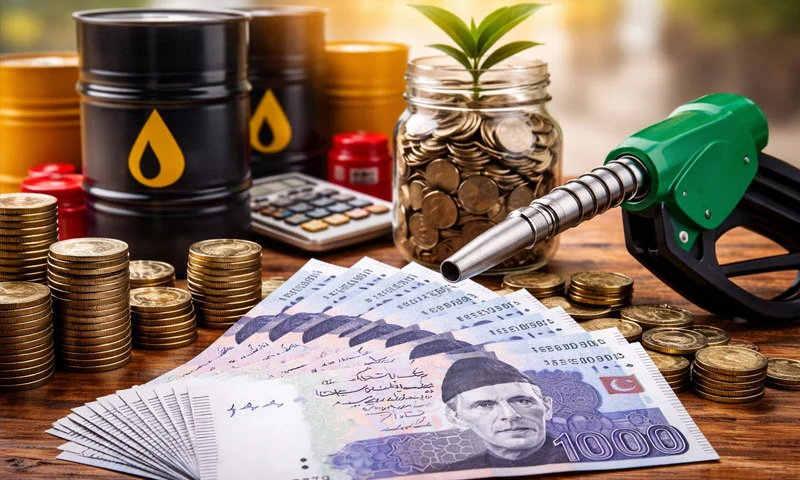
Pakistan’s petrol price currently stands at Rs378 per litre after the government announced a major reduction of Rs80 per litre in the petroleum levy. The revised rate came into effect on April 4, 2026, offering temporary relief to consumers following a sharp spike that had pushed prices above Rs458 per litre just a day earlier. The earlier hike was driven by rising global oil prices amid geopolitical tensions, which significantly increased the cost of fuel imports and domestic pricing pressure. Nearly Half the Price Was Taxes and Margins Before the price cut, a detailed breakdown revealed that out of Rs458.41 per litre, around Rs211.26 was made up of taxes, duties, and profit margins. This accounted for nearly 46 percent of the total petrol price, highlighting the heavy burden of non-fuel costs on consumers. The structure showed that a large portion of what motorists paid was not for the actual fuel itself but for government levies, transportation costs, and industry profits. Key Components of Petrol Pricing The pricing structure included multiple elements, starting with the ex-refinery price, which stood at Rs247.15 per litre. On top of that, the petroleum levy alone was Rs160.61, making it the largest single component before the reduction. Additional costs included customs duty, climate support levy, inland freight charges, and profit margins for oil marketing companies and petrol pump dealers. These combined charges significantly increased the final price paid by consumers at the pump. Impact of the Rs80 Reduction Following the government’s decision to cut the petroleum levy by Rs80, the levy component dropped to around Rs80.61 per litre. This brought the total burden of taxes, duties, freight, and margins down to approximately Rs131.26 per litre. Despite this reduction, these additional charges still make up nearly 35 percent of the current Rs378 petrol price, meaning a significant portion of the cost is still not tied to the base fuel price. Relief for Consumers but Structural Issues Remain While the price cut has provided short-term relief, the underlying structure of fuel pricing in Pakistan remains largely unchanged. Consumers are still paying over Rs80 per litre as petroleum levy alone, with total non-fuel charges exceeding Rs130 per litre. Experts note that this reflects the government’s reliance on petroleum levies as a key source of revenue, especially during periods of economic stress. Diesel Prices Remain Unchanged Unlike petrol, the price of high-speed diesel has not been reduced and remains at Rs520.35 per litre. Although diesel does not carry a petroleum levy, consumers still pay around Rs59 per litre in taxes and margins, including customs duty, freight charges, and dealer commissions. This means diesel users continue to face high costs despite the absence of a major levy component. Bigger Picture: Why Petrol Remains Expensive The latest revision highlights how central taxes and levies have become in determining fuel prices in Pakistan. Even after a significant reduction, petrol prices continue to carry a heavy tax component, reflecting broader fiscal challenges and dependence on fuel-related revenue streams. With global oil markets remaining volatile, analysts warn that any future increase in crude prices could again push local fuel prices upward, unless structural changes are introduced in the pricing mechanism.
Search Intensifies for Missing Pilot After US Jet Downed in Iran
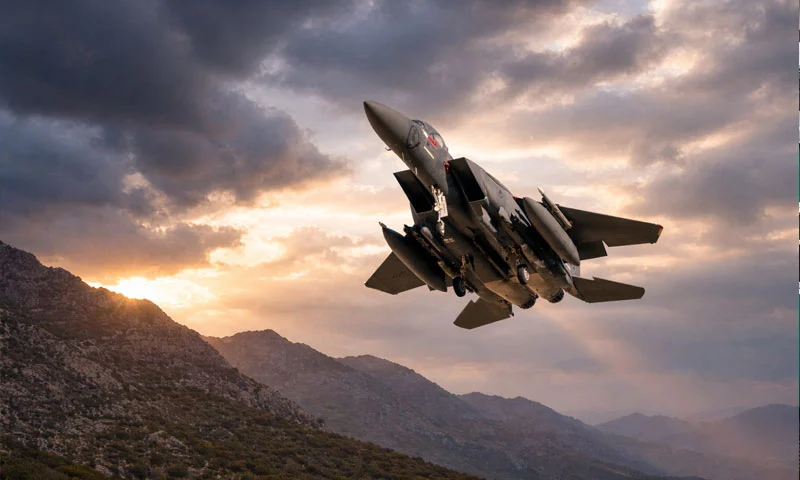
A high-stakes search is underway after a US fighter jet crashed inside Iran, with both Iranian and American forces racing to locate a missing crew member in a rapidly escalating conflict. The aircraft, identified as an F-15E, was brought down during active hostilities, marking a significant moment in the ongoing war. According to officials, the jet had two crew members on board who ejected before the crash. One crew member has been successfully rescued by US forces, while the second remains missing, prompting urgent rescue efforts on both sides. Iran Mocks US Amid Ongoing Search As the search continues, Iranian officials have openly mocked the United States over the incident, highlighting the symbolic and political impact of the downing. Iran’s parliament speaker Mohammad Baqer Qalibaf made a sarcastic remark on social media, saying the war had effectively shifted from broader objectives to a desperate attempt to locate missing pilots. In another pointed jab, he stated, “Can anyone find our pilots? Please?” reflecting Iran’s attempt to project confidence and gain psychological advantage in the conflict. After defeating Iran 37 times in a row, this brilliant no-strategy war they started has now been downgraded from “regime change” to “Hey! Can anyone find our pilots? Please?🥺”Wow. What incredible progress. Absolute geniuses.— محمدباقر قالیباف | MB Ghalibaf (@mb_ghalibaf) April 3, 2026 Iranian authorities have also encouraged local civilians to assist in locating the missing crew member, even promising rewards, further intensifying the situation on the ground. US Response and Escalating Rhetoric The United States has responded by intensifying its search and rescue operations, deploying special forces and aircraft to locate the missing pilot. Despite the setback, US leadership has maintained a firm stance on continuing military operations in the region. President Donald Trump has escalated rhetoric following the incident, warning of potential strikes on Iranian infrastructure, including bridges and power facilities, as tensions continue to rise. pic.twitter.com/dVoOALOPtZ— Rapid Response 47 (@RapidResponse47) April 3, 2026 US officials have also pushed back against Iranian narratives, emphasizing ongoing military capability and continued operations despite the aircraft losses. Wider Conflict Context The crash occurred amid an intensifying conflict that has now entered its sixth week, involving sustained aerial combat, missile exchanges, and drone attacks across the region. Iran has targeted US allies and regional assets, while US and allied forces have carried out extensive strikes. The downing of the fighter jet highlights the risks faced by military aircraft despite claims of air superiority by US leadership. It also signals Iran’s ability to challenge advanced aerial operations using its air defence systems. Risks of Capture and Strategic Implications The ongoing race to locate the missing crew member carries significant strategic implications. If the pilot is found by Iranian forces first, it could become a major political and propaganda victory for Tehran. Analysts warn that such developments could further inflame tensions, complicate diplomatic efforts, and deepen the conflict. The situation remains fluid, with both sides closely monitoring developments. Situation Remains Uncertain As search efforts continue, the fate of the missing crew member remains unknown. With both nations actively engaged in locating the pilot, the outcome could have far-reaching consequences for the ongoing conflict and regional stability.
