
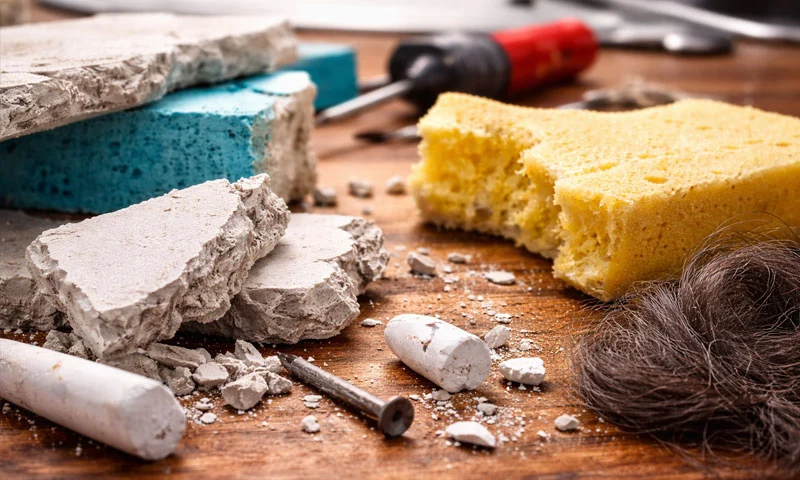
Doctors have revealed shocking details about a little-known eating disorder called pica, where people develop cravings for items that are not food at all. In some cases, patients have been found eating sponges, talcum powder, paper, clay, hair and even parts of walls.
Medical experts say these behaviors are not simply unusual habits but a serious psychological and medical condition that can lead to life-threatening complications.
One doctor recalled a case where a patient repeatedly ate kitchen sponges, even when they were dirty. Another case involved individuals consuming drywall, putting themselves at risk of toxic exposure and internal damage.
What Is Pica and Why It Happens
Pica is a recognized eating disorder defined by the persistent consumption of non-food substances that have no nutritional value.
To be diagnosed, the behavior must continue for at least a month and occur at an age where such behavior is considered abnormal.
Experts believe the condition can be triggered by several factors, including nutritional deficiencies such as iron or zinc, mental health conditions like obsessive-compulsive disorder, or developmental disorders such as autism.
Psychologists explain that in some cases, the behavior may become habitual because it provides comfort or reduces anxiety.
Shocking Real-Life Cases
Doctors have reported extreme cases that highlight how dangerous the disorder can become.
In one case, a young girl required surgery after a massive hairball formed in her stomach due to years of eating hair. The blockage extended deep into her digestive system, causing severe illness.
Other patients have been known to consume items like paper, chalk, toys, and even nails, which can cause serious internal injuries or poisoning.
Health Risks Can Be Deadly
Medical professionals warn that pica can lead to severe complications, including intestinal blockages, infections, choking and poisoning.
In extreme cases, consuming substances like paint or drywall can expose individuals to toxic materials such as lead, which can damage the brain and nervous system, especially in children.
Even seemingly harmless items like paper or hair can accumulate in the body and cause life-threatening obstructions.
Who Is Most at Risk
The disorder is more commonly seen in children, pregnant women and individuals with developmental or mental health conditions.
Experts also note that environmental factors such as poverty or neglect can increase the likelihood of developing pica, especially when combined with biological vulnerabilities.
Treatment and Hope
Despite its alarming nature, doctors emphasize that pica is treatable, especially if identified early.
Treatment usually focuses on addressing the root cause, whether it is a nutritional deficiency or a psychological condition. Behavioral therapy has proven effective, particularly in children, helping them replace harmful habits with safer alternatives.
Experts stress that early diagnosis is critical. One specialist noted that pica is “a meaningful clinical signal” that often points to unmet medical or psychological needs.
A Hidden Disorder Gaining Attention
The growing discussion around pica highlights how easily the condition can go unnoticed. Many individuals hide their behavior, and symptoms are often misunderstood until serious health issues arise.
As awareness increases, doctors are urging families and healthcare providers to recognize the signs early and seek timely intervention to prevent long-term damage.