


A China-backed joint venture has announced plans to invest $120 million to expand its tyre manufacturing operations in Pakistan, signaling renewed foreign investor confidence in the country’s industrial sector amid improving economic indicators. The announcement was made by Jin Yongsheng, chairman of Service Long March Tyres (Private) Limited, during meetings with senior Pakistani officials, including Commerce Minister Jam Kamal and Prime Minister Shehbaz Sharif in Islamabad. The company aims to scale up production capacity and increase exports to more than $100 million in the next fiscal year, reflecting a broader push to strengthen Pakistan’s manufacturing base and tap into regional and global markets. Expansion plans and export ambitions Officials said the investment would focus on enhancing production facilities, improving technology and increasing output to meet both domestic and export demand. During the meeting with Prime Minister Shehbaz Sharif, the delegation discussed plans for expansion, export growth and the need for tariff policy support to strengthen Pakistan’s tyre industry. Jin Yongsheng praised Pakistan’s “investor-friendly environment” and government policies, highlighting the country’s potential as a manufacturing hub for regional markets. Industry analysts say the move aligns with Pakistan’s broader strategy to attract foreign direct investment, particularly from China under ongoing economic cooperation frameworks. The tyre sector, which supports the country’s automotive and logistics industries, has seen increasing demand due to rising vehicle usage and infrastructure development. With improved production capacity, local manufacturers are also looking to reduce reliance on imports while boosting exports. Growing industrial confidence The announcement comes at a time when Pakistan is seeking to stabilize its economy and encourage industrial growth through foreign partnerships and export-oriented policies. Recent data suggests that Pakistan’s manufacturing sector is gradually recovering, supported by policy reforms, exchange rate stability and targeted incentives for exporters. Experts note that Chinese firms continue to play a key role in Pakistan’s industrial development, particularly in sectors such as energy, infrastructure and manufacturing. The latest investment is seen as part of this broader trend. However, challenges remain, including energy costs, policy consistency and global economic uncertainty, which could affect investor sentiment and export performance. Still, government officials have expressed optimism that such investments will help generate employment, improve industrial output and strengthen Pakistan’s position in global supply chains. As the country looks to boost exports and reduce its trade deficit, investments like the planned expansion by Service Long March Tyres are expected to play a crucial role in driving sustainable economic growth.

Two-Week Digital Detox Shows Major Brain and Mood Benefits
A growing body of research suggests that stepping away from social media, even briefly, can significantly improve mental health and cognitive function, with some experts saying the benefits may resemble reversing years of digital overuse. A recent study highlighted by The Washington Post found that participants who reduced or blocked internet access on their smartphones for just two weeks experienced measurable improvements in attention span, well-being and overall cognitive performance. The findings point to the potential of short-term “digital detox” interventions in countering the long-term effects of heavy screen use. Researchers involved in the study noted that the improvements were comparable to reversing up to a decade of cognitive decline linked to excessive digital consumption. Participants also reported spending less time online and engaging more in offline activities, suggesting behavioral shifts alongside mental gains. Mental health impact and rising concerns Experts say the findings add to mounting evidence that heavy social media use is associated with anxiety, depression and reduced attention spans. The constant exposure to curated content, social comparison and algorithm-driven feeds has been linked to emotional stress and disrupted sleep patterns. Studies conducted in recent years have shown that even a one-week break from social platforms can reduce depression symptoms by nearly 25 percent and lower anxiety levels significantly, particularly among younger users. Mental health professionals point out that the issue is not just the amount of time spent online but also how users engage with content. Passive scrolling and constant comparison can amplify negative emotions, while more intentional and limited use may reduce harm. At the same time, digital dependency has become deeply embedded in daily life. Nearly half of users in some surveys report feeling addicted to their phones, checking them frequently throughout the day and experiencing discomfort when disconnected. Read More: Digital Life Takes Hold: Internet Access Surges Across Pakistan Not a one-size-fits-all solution Despite the promising results, researchers caution that digital detoxes are not a universal fix. The impact varies widely depending on individual habits, personality traits and social context. Some users may experience withdrawal symptoms such as irritability or a fear of missing out when they cut back on social media. Others may find it difficult to maintain long-term changes once normal usage resumes. Experts increasingly recommend a balanced approach rather than complete disconnection. Strategies such as setting screen time limits, turning off notifications and creating device-free periods during the day can help users regain control without fully abandoning digital tools. A digital detox, defined as a voluntary break from digital devices, has gained popularity as concerns over screen addiction grow. Researchers say the goal is not to eliminate technology but to use it more mindfully and reduce its negative effects on mental and physical health. As new studies continue to explore the long-term effects of social media, scientists are also examining whether certain groups are more vulnerable to its impact. Early findings suggest that cultural and behavioral factors may influence how deeply digital habits affect well-being. For now, the message from researchers is clear. Even small changes in digital habits can lead to meaningful improvements, offering a simple but effective way to reset in an increasingly connected world. Read More: The End of “Old Social Media”? What’s Replacing It Now

‘Fuel Chhoro, Electric Chalao’: Revoo Announces Major Discounts
Pakistan’s growing shift toward electric mobility received a boost this week as REVOO announced a limited-time price reduction across its electric scooter lineup, aiming to attract cost-conscious commuters amid persistently high fuel prices. The company said discounts ranging from Rs5,000 to Rs20,000 will be offered on multiple models until April 30, positioning the move as part of its campaign encouraging consumers to switch from petrol-powered bikes. Marketed under the slogan “Fuel Chhoro, Electric Chalao,” the offer reflects increasing competition in Pakistan’s emerging electric two-wheeler market, where affordability remains a key barrier to wider adoption. Revised prices and models According to the company’s announcement, several models across entry-level and premium segments have seen price cuts. The Y04 scooter is now available at Rs114,000 after a Rs5,000 reduction, while the Y06 has dropped to Rs146,000. Mid-range options such as the A11 LFP and A12 LFP have been reduced by Rs10,000 each, bringing their prices to Rs199,000 and Rs239,000 respectively. At the higher end, the E52 electric scooter has received the largest discount of Rs20,000, with its revised price now set at Rs385,000. The company’s current lineup spans from basic commuter models to more powerful scooters with extended range and higher battery capacity, reflecting growing segmentation within Pakistan’s EV market. Rising fuel costs driving EV demand The price cuts come as Pakistan continues to grapple with volatile petrol prices, prompting many consumers to reconsider traditional transportation options. Electric scooters, while often more expensive upfront than conventional 70cc bikes, are increasingly seen as cost-effective over time due to minimal fuel and maintenance expenses. Industry data suggests that electric bikes can significantly reduce running costs, with electricity-based commuting costing a fraction of petrol usage over the long term. However, challenges remain. Charging infrastructure in Pakistan is still limited, with most users relying on home charging that can take several hours. Additionally, the resale market for electric bikes is still developing, and battery replacement costs continue to be a concern for buyers. Despite these hurdles, analysts say the trend toward electric mobility is accelerating, driven by rising fuel prices, government policy signals, and increasing consumer awareness about sustainability. Market outlook and consumer considerations The price reduction strategy highlights intensifying competition among electric vehicle manufacturers seeking to capture urban commuters, particularly in cities where daily travel distances are relatively short. Experts note that while lower prices may boost short-term sales, long-term growth will depend on improvements in charging infrastructure, after-sales service networks, and battery technology. For now, REVOO’s move is likely to attract first-time EV buyers looking for affordable alternatives to petrol bikes, especially as economic pressures continue to reshape consumer behavior.

USPS Faces Financial Crunch, Freezes Pension Payments to Save Billions
The United States Postal Service (USPS) has announced it will temporarily suspend employer contributions to a key federal pension program as it battles a deepening financial crisis, a move officials say is necessary to keep operations running but one that underscores mounting pressure on the agency. The suspension, effective April 10, will halt roughly $200 million in biweekly payments to the Federal Employees Retirement System, allowing the agency to conserve cash and free up an estimated $2.5 billion in the current fiscal year. Despite concerns among employees and retirees, USPS has stressed that the decision will not have any immediate impact on pension benefits. “There will not be any immediate detrimental impact to our current or future retirees if normal FERS cost payments are temporarily withheld,” said Chief Financial Officer Luke Grossmann. Mounting financial pressure The move comes as USPS warns it could run out of cash within the next year without major reforms. Postmaster General David Steiner has told lawmakers that the agency faces a severe liquidity crunch, raising the prospect of disruptions to nationwide mail delivery if corrective measures are not taken. The financial strain has been building for years. Since 2007, USPS has reported losses totaling more than $118 billion, driven largely by a steady decline in first-class mail, its most profitable service. In the last fiscal year alone, the agency recorded losses of around $9 billion, reflecting shrinking mail volumes and rising operational costs, including transportation and labor expenses. Officials say the pension suspension is part of a broader cash conservation strategy aimed at ensuring the agency can continue paying workers, suppliers and maintaining delivery services across the country. “The risk to the Postal Service and the American public from insufficient liquidity for postal operations dramatically outweighs any longer-term risk to the pension funds,” Grossmann said. Reform push and uncertain future USPS leaders have outlined several potential measures to stabilize finances, including raising the price of first-class stamps to as much as $1, reducing delivery days, and seeking greater borrowing authority from Congress. The agency has also secured regulatory approval for temporary price increases on certain mailing services and is exploring additional revenue streams to offset declining traditional mail volumes. While pension contributions are being paused, USPS said it will continue transferring employee-funded contributions and payments to retirement savings plans such as the Thrift Savings Plan, ensuring that individual accounts remain intact. Analysts note that the current step mirrors a similar move made during a previous financial crisis in 2011, when the agency temporarily halted pension payments to preserve liquidity before resuming contributions later. For now, the focus remains on keeping the postal network operational. However, experts warn that without structural reforms and sustained financial support, the agency’s long-term viability could remain at risk.
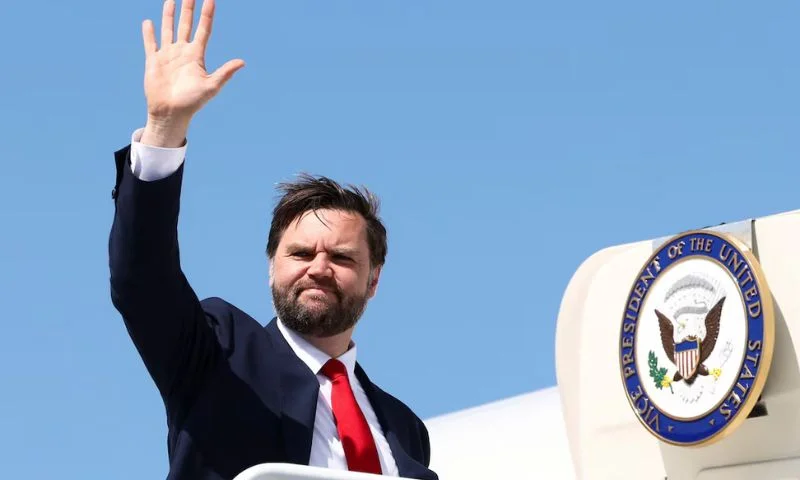
Trump Hands JD Vance High-Risk Mission to Lead Iran Talks in Pakistan
U.S. Vice President JD Vance has been tasked by Donald Trump to lead critical negotiations with Iran, marking one of the most significant diplomatic assignments of his political career as Washington seeks to turn a fragile ceasefire into a lasting agreement. According to reports, Vance is heading to Islamabad this week with a clear mandate from Trump to salvage the uneasy truce and push both sides toward a broader deal. The move comes after weeks of intense conflict that raised fears of a wider regional war and disrupted global energy markets. “This is high risk, high reward,” said Aaron Wolf Mannes, a lecturer at the University of Maryland, highlighting the unusual nature of the assignment and the stakes involved. A defining moment for Vance For the 41-year-old vice president, the talks represent a defining test of leadership. Vance had previously maintained a relatively low profile during the conflict and had even cautioned against military escalation in private discussions, warning it could trigger broader regional instability. Now, he finds himself at the center of U.S. diplomacy, effectively acting as Washington’s chief negotiator in one of the most volatile crises in recent years. “My key role was, I sat on the phone a lot,” Vance told reporters recently. “I answered a lot of phone calls. I made a lot of phone calls. And again, I’m happy about where we are.” The talks, scheduled to take place in Islamabad, are expected to include senior U.S. officials such as envoy Steve Witkoff and adviser Jared Kushner, reflecting the importance Washington attaches to the negotiations. Fragile ceasefire, uncertain outcome The negotiations follow a two-week ceasefire mediated by Pakistan, which both sides have described as a temporary pause rather than a permanent solution. Vance himself has called the agreement a “fragile truce,” underlining the uncertainty surrounding the process. Key sticking points remain unresolved, including Iran’s nuclear program, sanctions relief, and security concerns around the Strait of Hormuz, a vital route for global oil supplies. Despite the diplomatic push, tensions continue to simmer across the region. Military actions, including recent U.S. strikes and ongoing hostilities involving regional actors, have complicated efforts to build trust between Washington and Tehran. Pakistan, meanwhile, has emerged as a central mediator, hosting the talks and facilitating backchannel communication between the two sides. Analysts say Islamabad’s role reflects a growing diplomatic footprint, though its ability to guarantee outcomes remains limited. As delegations prepare to meet, expectations remain cautious. The outcome of the Islamabad talks could determine whether the current ceasefire evolves into a broader agreement or collapses under the weight of unresolved disputes.
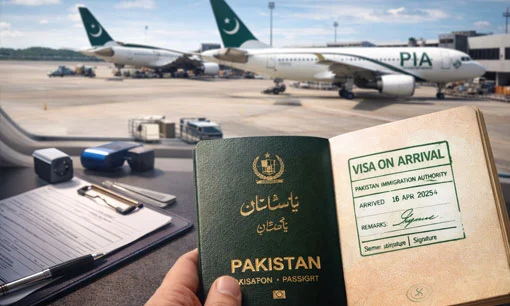
Pakistan to Issue Visas on Arrival for US-Iran Talks in Islamabad
Pakistan will grant visas on arrival to delegates and media attending upcoming United States-Iran ceasefire talks in Islamabad, in a move aimed at facilitating participation and ensuring smooth diplomatic engagement following a fragile truce in the Middle East. Pakistan’s Deputy Prime Minister and Foreign Minister Ishaq Dar announced the decision on social media platform X, saying that the government would extend full facilitation to participants of the talks. He said, “Pakistan will issue visas on arrival to delegates and journalists attending the US-Iran talks in Islamabad,” adding that all necessary arrangements were being made to ensure seamless entry and coordination. Pakistan welcomes all delegates including journalists from participating nations, traveling in relation to Islamabad Talks 2026. To this end, all airlines are requested to permit boarding to all such individuals without Visa. Immigration authorities in Pakistan will issue them… pic.twitter.com/mvWJyv2P4s— Ishaq Dar (@MIshaqDar50) April 10, 2026 The decision comes as Islamabad prepares to host one of the most critical rounds of negotiations between Washington and Tehran after weeks of conflict. Authorities said airlines have been instructed to allow boarding of participants without prior visas, with immigration officials set to issue visas on arrival upon entry. Islamabad gears up for crucial talks Preparations in the Pakistani capital have intensified ahead of the negotiations, with heightened security and logistical arrangements reflecting the importance of the event. The talks follow a two-week ceasefire brokered with Pakistan’s involvement, which paused hostilities in a conflict that has had significant regional and global implications. Diplomatic sources say Pakistan’s decision to simplify visa procedures is aimed at encouraging wider participation, including international media, and ensuring that discussions proceed without administrative delays. Officials emphasized that the country welcomes all delegates traveling in connection with the talks. The negotiations are expected to focus on extending the ceasefire, addressing key areas of disagreement and exploring pathways toward a more durable agreement. Pakistan’s diplomatic role gains momentum Pakistan’s role in facilitating dialogue between the United States and Iran has drawn increasing global attention. Analysts say Islamabad’s ability to maintain communication channels with both sides has positioned it as a key intermediary in a conflict where direct engagement has been limited. The ceasefire itself marked a significant breakthrough after weeks of escalating tensions that disrupted energy markets and raised fears of a wider regional war. Pakistan’s leadership engaged in sustained diplomatic outreach to bring both sides to the negotiating table, laying the groundwork for the upcoming talks. Despite these uncertainties, the decision to ease visa procedures reflects Pakistan’s intent to play a proactive role in advancing diplomacy. By removing logistical barriers, Islamabad is seeking to ensure that the focus remains on substantive discussions rather than procedural hurdles. As delegations begin arriving, expectations remain cautious but hopeful. The outcome of the Islamabad talks could determine whether the current ceasefire evolves into a broader peace process or remains a temporary pause in a volatile conflict.
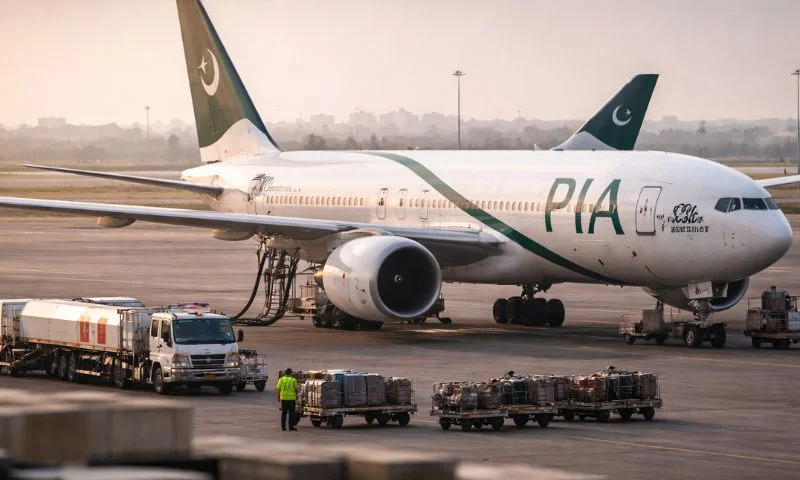
Only 18 Planes Flying: PIA Faces Mounting Challenges Ahead of Privatization
Pakistan International Airlines continues to face serious operational challenges even as plans for privatization and fleet expansion move forward, with only 18 aircraft currently operational, highlighting the gap between policy ambitions and on-ground realities. The figure was shared by Arif Habib, chairman of the Arif Habib Consortium, during an interaction with industrialists at the Korangi Association of Trade and Industry (KATI) in Karachi, where he outlined the current state of the national carrier. The limited number of operational aircraft has significantly constrained the airline’s capacity, affecting flight schedules, route coverage and overall service reliability. The disclosure comes at a time when the government is pushing ahead with efforts to privatize the airline, positioning the move as a long-term solution to its financial and operational struggles. However, analysts say the current situation suggests that structural issues within the airline cannot be resolved through ownership changes alone. Limited fleet, mounting pressure PIA’s fleet constraints have long been a source of concern. While the airline owns more aircraft on paper, a large number remain grounded due to maintenance issues, financial limitations and delayed overhauls. As a result, the airline is operating at a fraction of its potential capacity. The reduced fleet has forced PIA to cut back on several routes, particularly international destinations, limiting its competitiveness against regional and global carriers. Industry experts note that an airline’s profitability is closely tied to fleet availability, utilization rates and network strength, areas where PIA continues to lag. Arif Habib also indicated that there are plans to gradually expand the fleet, with long-term targets suggesting an increase to around 60 aircraft. However, he acknowledged that achieving this goal would take time and sustained investment. Expansion plans yet to translate into reality Separately, officials within the airline have pointed to plans for near-term expansion. According to recent developments, PIA is looking to induct around eight additional aircraft in the coming year as part of its restructuring efforts. Despite these announcements, aviation experts caution that fleet expansion alone will not address the airline’s deeper challenges. Issues related to governance, financial management, operational efficiency and regulatory compliance continue to weigh heavily on its performance. The privatization process, which is expected to bring in new investors and management practices, is seen as a step in the right direction. However, potential buyers are likely to closely assess liabilities, workforce size and operational constraints before committing to any deal. The airline’s history of accumulated losses and dependence on government support further complicates the path forward. Analysts say meaningful reform will require a combination of financial restructuring, operational overhaul and strategic direction. For now, the contrast between expansion plans and the current operational fleet underscores the scale of the challenge. While privatization may offer a pathway to recovery, the immediate reality remains that PIA is operating with limited resources in a highly competitive aviation market.
