


Kim Jung-youn, a 22-year-old from South Korea, has emerged as the world’s youngest woman tech billionaire, highlighting the growing influence of Asia’s gaming industry and the rising role of inherited wealth in shaping global fortunes. According to the latest global billionaire rankings, Jung-youn’s wealth is primarily tied to her stake in NXC, the holding company of online gaming giant Nexon. She inherited the shares following the death of her father, Kim Jung-ju, who founded the company and built it into one of the world’s leading gaming firms. Her net worth is estimated to be over $1 billion, placing her among a new generation of ultra-young billionaires whose fortunes are linked to technology, investments and family business empires. Rise tied to gaming giant Nexon Nexon, founded in 1994, is known for pioneering the free-to-play gaming model and operates dozens of popular titles across global markets. The company’s continued growth has played a central role in boosting the wealth of its major shareholders, including Jung-youn and her sister. Industry analysts say the strength of the global gaming sector, particularly in Asia, has been a major factor behind the rise of young tech billionaires. Nexon’s portfolio of online games reaches players in more than 190 countries, reflecting the scale and reach of the industry. Despite her billionaire status, Jung-youn is not actively involved in the day-to-day operations of the company, maintaining a relatively low public profile. A new wave of young billionaires Jung-youn’s rise comes at a time when the number of young billionaires worldwide is increasing. Many of them have built fortunes through artificial intelligence ventures, technology startups and major investment gains, while others, like Jung-youn, represent a growing trend of wealth transfer across generations. Data shows that individuals under 30 now account for a notable share of global billionaires, with Europe and Asia producing a significant portion of these ultra-wealthy young individuals. Experts say this shift reflects broader changes in the global economy, where technology and digital platforms continue to create vast wealth, while established business empires pass on assets to the next generation. Jung-youn’s case stands out not only because of her age but also because of the scale of her inherited stake in one of the world’s most influential gaming companies. Her emergence also underscores the enduring importance of the gaming sector within the global tech landscape. As digital entertainment continues to expand, companies like Nexon remain at the forefront of innovation and revenue growth. While Jung-youn has largely stayed out of the public spotlight, her position at the top of the youngest billionaire rankings highlights a broader shift in global wealth dynamics, where youth, technology and legacy wealth increasingly intersect.
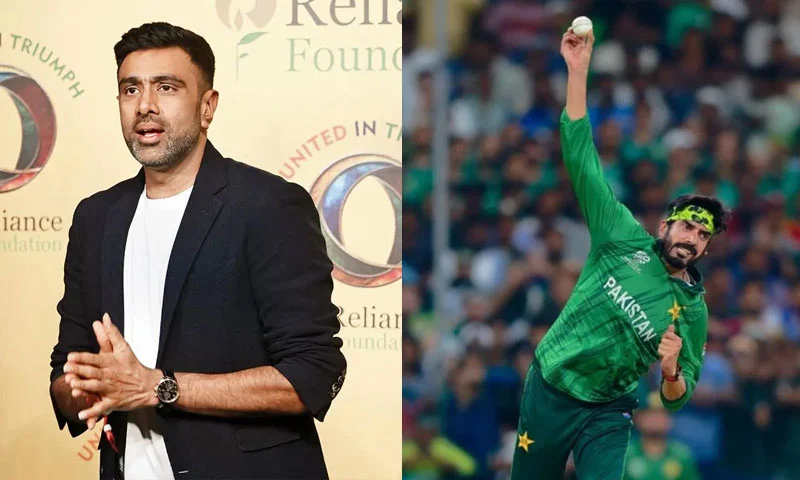
Usman Tariq Hits Back with Confidence After Ashwin’s Remarks
Pakistan spinner Usman Tariq has responded firmly after India’s Ravichandran Ashwin supported Daryll Mitchell who stepped away during Tariq’s delivery in a Pakistan Super League (PSL) match, turning the moment into a wider talking point across the cricketing world. The incident took place during a PSL 2026 fixture when New Zealand batter Daryl Mitchell moved away from the crease as Tariq approached the bowling mark. The moment quickly gained attention on social media, with several current and former players weighing in on the situation. Ashwin later commented on the incident, backing the batter’s decision and stating that players have the right to disengage if they feel uncomfortable during a bowler’s run-up. His remarks drew significant attention, given his stature in international cricket. Tariq responds with confidence Usman Tariq responded to Ashwin’s comments in a brief but pointed message on social media, writing “Keep it up,” a remark that has been widely interpreted as a confident and composed reply. The response quickly went viral, with fans praising the Pakistani spinner for his calm and assured stance. Many supporters viewed the reply as a strong message reflecting Tariq’s belief in his own game and approach. pic.twitter.com/dQxSGW0MJr— Out Of Context Cricket (@GemsOfCricket) April 12, 2026 Tariq has been one of the emerging names in Pakistan cricket, gaining recognition through consistent performances in the PSL. His ability to maintain composure under pressure has been highlighted as one of his key strengths, especially in high-intensity T20 matches. Focus remains on performance Despite the attention surrounding the incident, Tariq’s performances on the field have remained the central focus. The spinner has continued to play a crucial role for his side, contributing with disciplined bowling spells and maintaining control during key phases of the game. Team officials and analysts have also pointed to his growing maturity, noting that handling high-profile moments with composure is a positive sign for any young cricketer. The PSL, known for producing competitive cricket and emerging talent, has often been a platform where players face global scrutiny. Tariq’s measured response and continued focus on his performance underline his intent to let his cricket speak louder than off-field discussions. As the tournament progresses, attention is likely to remain on Tariq, not only for his on-field contributions but also for the way he handles pressure and expectations in one of the world’s most watched T20 leagues.

Hydrogen stove uses water to deliver hours of clean cooking power
A new generation of clean cooking technology is gaining attention as a plug-and-play hydrogen stove capable of turning water into fuel promises to reduce dependence on traditional energy sources such as liquefied petroleum gas. Developed by clean-tech firm Greenvize, the compact system produces hydrogen on demand by splitting water into hydrogen and oxygen through electrolysis. The hydrogen is then immediately used as a cooking fuel, eliminating the need for external gas supply or storage infrastructure. The innovation comes at a time when rising energy costs and supply disruptions have pushed countries to explore alternative and sustainable energy solutions, particularly in regions heavily reliant on imported fuels. Cooking powered by water and electricity The hydrogen stove requires only about 100 milliliters of distilled or reverse osmosis water and roughly one kilowatt-hour of electricity to operate. This is enough to provide up to six hours of continuous cooking, according to the developers. The system integrates a proton exchange membrane electrolyzer directly into the cooking unit, allowing users to generate hydrogen instantly by simply turning a knob. The fuel is consumed in real time, which removes the need for large storage tanks or distribution networks. “In its standard configuration, the electrolyzer is directly coupled with the cooking unit, with hydrogen generated and consumed in real time,” said Sanjeev Choudhary, co-founder of Greenvize. The only emission from the stove is water vapor, while oxygen released during the process can improve surrounding air quality, making it an environmentally friendly alternative to fossil fuel-based cooking. Efficiency and real-world applications Developers say the system offers advantages over conventional induction cooktops, which can consume up to two kilowatts per burner. Over extended use, the hydrogen-based system is designed to use less electricity by converting it into a burnable fuel that delivers consistent heat. The stove can also be paired with rooftop solar panels, allowing it to function in off-grid or low-power environments. This makes it particularly relevant for rural areas, community kitchens and commercial settings where reliable energy access is a challenge. While the base model is priced at around $1,100, higher-capacity versions are available for larger kitchens, indicating that the technology is currently targeted more toward commercial and institutional use rather than individual households. Experts say hydrogen-based cooking systems could play a role in the broader transition toward green hydrogen, which is increasingly being explored as a clean energy source across industries. However, challenges remain, including cost, scalability and the efficiency of hydrogen production. Some critics also question whether converting electricity into hydrogen and then back into heat is more efficient than direct electric cooking. Despite these concerns, the plug-and-play design and minimal infrastructure requirements position the technology as a potential alternative in areas where gas supply is limited or unreliable. As countries continue to push for cleaner energy solutions, innovations such as hydrogen cooking systems highlight how emerging technologies could reshape everyday utilities like cooking while contributing to global sustainability goals.

The Voice That Defined Generations Is Gone, Asha Bhosle Dies at 92
India’s iconic playback singer Asha Bhosle, whose voice defined generations of South Asian cinema, has died at the age of 92 after a brief illness, marking the end of an era in the region’s music history. Family members confirmed that Bhosle passed away in Mumbai after being admitted to Breach Candy Hospital due to extreme exhaustion and a chest infection. She had been undergoing treatment for respiratory complications in her final days. Her granddaughter had earlier said on social media that the singer was suffering from “extreme exhaustion and a chest infection” and requested privacy during treatment. Final days and tributes According to family statements, Bhosle’s health had deteriorated in recent months before she was hospitalised shortly before her death. Her son confirmed the news, saying arrangements were being made for public viewing and final rites in Mumbai. Tributes poured in from across the entertainment industry and beyond, with artists and fans remembering her as one of the most versatile voices in Indian music. Bhosle’s death has been widely described as the loss of “one of the last remaining legends” of Indian playback singing, reflecting her immense influence across decades. A career that defined generations Born in 1933, Bhosle’s career spanned more than seven decades, during which she recorded thousands of songs in multiple languages and genres, ranging from classical and ghazals to pop and cabaret. She was widely celebrated for her versatility, a trait that allowed her to adapt to changing musical styles and remain relevant across generations. From early struggles in the shadow of her sister Lata Mangeshkar to becoming a global icon in her own right, Bhosle’s journey was marked by resilience and reinvention. Her achievements included India’s highest film honour, the Dadasaheb Phalke Award, and the Padma Vibhushan, one of the country’s top civilian awards. She was also recognised internationally, including being listed in the Guinness World Records as one of the most recorded artists in music history. A legacy beyond music Beyond her professional achievements, Bhosle’s life was shaped by personal challenges, including family struggles and the tragic loss of her daughter Varsha. Despite these hardships, she remained a towering cultural figure, admired for both her artistry and endurance. Music historians say her influence extended far beyond Bollywood, shaping the soundscape of South Asian music and inspiring generations of singers across the world. Even in her later years, Bhosle remained active, occasionally performing and engaging with fans, reinforcing her status as a living legend. Her passing closes a defining chapter in the history of Indian music, leaving behind a body of work that continues to resonate across borders and generations.

A Wider Fold? Samsung’s New Phone Could Redefine Foldables
Samsung is preparing to unveil a new generation of foldable smartphones at its upcoming Galaxy Unpacked event, with reports pointing to a major design shift through the introduction of a wider foldable device aimed at redefining the category. According to multiple reports, the South Korean tech giant is expected to host its next Unpacked event on July 22 in London, where it could introduce the Galaxy Z Fold 8, Galaxy Z Flip 8 and a new model tentatively called the “Wide Fold.” The rumoured device marks a departure from Samsung’s traditional tall, narrow foldable design, instead adopting a broader, tablet-like form factor that could improve usability for productivity and media consumption. A shift toward wider foldables The Wide Fold is expected to feature a 4:3 aspect ratio, offering a more balanced viewing experience compared to previous Galaxy Z Fold models. Analysts say this design could make foldables more practical for multitasking, reading and video viewing. Reports suggest the device may also include support for the S Pen stylus, a feature that was absent in recent models due to design constraints. If confirmed, this could signal Samsung’s renewed focus on productivity features in its foldable lineup. The push toward wider designs also reflects increasing competition in the foldable market, particularly with Apple expected to enter the segment with its own foldable iPhone. Samsung’s move appears aimed at strengthening its lead by offering a more versatile user experience. Industry observers note that other manufacturers, including Oppo and Google, have already experimented with wider foldable designs, suggesting a broader shift in how companies approach form factors in this category. What to expect at Unpacked Alongside the Wide Fold, Samsung is likely to unveil the Galaxy Z Fold 8 and Galaxy Z Flip 8, continuing its annual refresh of the foldable lineup. The Fold 8 is expected to bring incremental improvements in performance, battery life and design, while the Flip 8 may feature refinements to its compact clamshell format. The Unpacked event itself has become a key platform for Samsung to showcase innovation across its ecosystem, including smartphones, wearables and software advancements. Holding the event in London would mark a notable shift in location strategy, signaling Samsung’s intent to strengthen its presence in European markets and expand its global appeal. Bigger picture for the foldable market Samsung remains the dominant player in the foldable segment, but competition is intensifying as more companies explore new designs and technologies. The introduction of a wider foldable could represent a turning point for the category, addressing long-standing usability concerns and attracting a broader audience beyond early adopters. At the same time, challenges remain. Foldable devices continue to face scrutiny over durability, pricing and practicality, with many consumers still hesitant to transition from traditional smartphones. As anticipation builds ahead of Galaxy Unpacked, the focus will be on whether Samsung can deliver a device that not only showcases innovation but also pushes foldables closer to mainstream adoption.
“Constructive Step Forward” — Dar Calls for Ceasefire Continuation Despite Failed Talks
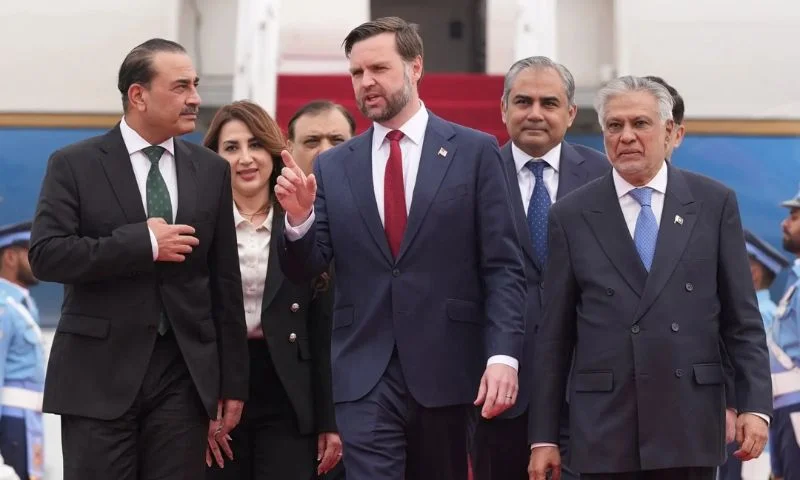
Pakistan now finds itself at a delicate crossroads after hosting historic but inconclusive negotiations between the United States and Iran, with officials and analysts warning that the next phase could prove even more critical than the talks themselves. The marathon discussions in Islamabad, which lasted nearly 21 hours, ended without an agreement, leaving key disputes unresolved and the fragile ceasefire hanging in the balance. Read More: 21 Hours, No Deal — What Really Happened in US-Iran Talks in Islamabad? While both delegations departed without a deal, the fact that direct, high-level engagement took place at all has been widely described as a significant diplomatic achievement for Islamabad, which played a central role in bringing the two sides together. Pakistan’s leadership moved quickly to frame the outcome as part of a longer diplomatic process rather than a setback. Deputy Prime Minister and Foreign Minister Ishaq Dar said the talks were “a constructive step forward” despite the absence of an agreement, stressing that dialogue between the United States and Iran must continue. “Pakistan remains committed to facilitating peace and stability in the region and will continue to support all efforts aimed at de-escalation,” he said, adding that Islamabad’s role was to “provide a neutral platform where both sides can engage meaningfully.” No deal, but dialogue continues US Vice President JD Vance said Washington had made its “best, final offer,” but talks collapsed after Tehran refused to accept key conditions, particularly around nuclear commitments. Iran, for its part, described the discussions as “intensive” and signaled that responsibility for the next move lies with the United States, reflecting deep mistrust that continues to define relations between the two countries. Core disagreements remain entrenched. Washington is seeking limits on Iran’s nuclear programme and missile capabilities, while Tehran is demanding sanctions relief, sovereignty guarantees and regional security concessions. Despite the lack of immediate progress, diplomats say the willingness to engage directly marks a shift from years of indirect negotiations, keeping the door open for future rounds. Pakistan’s role under spotlight For Pakistan, the outcome represents both a success and a challenge. The country managed to broker a two-week ceasefire earlier and host one of the most significant diplomatic encounters between the US and Iran in decades. Officials in Islamabad have framed the talks as part of a broader effort to promote regional stability, positioning Pakistan as a neutral mediator capable of bridging divides between major powers. Security preparations and logistical coordination were extensive, with Islamabad effectively transformed into a high-security diplomatic zone during the talks, reflecting the sensitivity of the moment. Analysts say Pakistan’s credibility as a mediator has been strengthened, even without a deal, but sustaining momentum will be the real test. What happens next The immediate concern is the durability of the ceasefire. Experts warn that without tangible progress, the truce could collapse, potentially triggering renewed hostilities in a region already strained by conflict and economic disruption. Diplomatic sources suggest that Pakistan may continue its backchannel efforts, encouraging both sides to return to the table while working with regional and global stakeholders to maintain pressure for dialogue. There is also growing expectation that future negotiations may expand to include broader regional issues, including security arrangements in the Gulf and freedom of navigation in the Strait of Hormuz, which has been central to the dispute. At the same time, global powers including France and Russia have called for restraint and urged both sides to use the Islamabad talks as a foundation for further diplomacy. For Pakistan, the coming weeks will be decisive. Its role could evolve from host to long-term facilitator, or risk being sidelined if talks shift elsewhere. For now, the outcome remains uncertain. The talks may have ended without a deal, but they have opened a narrow path forward, one that Islamabad will be under pressure to keep alive. Read More: Trump Hands JD Vance High-Risk Mission to Lead Iran Talks in Pakistan
21 Hours, No Deal — What Really Happened in US-Iran Talks in Islamabad?
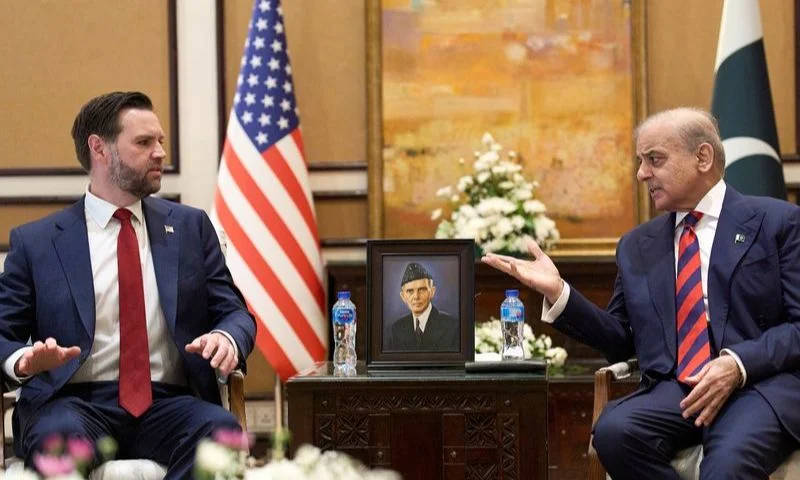
High-stakes face-to-face talks between the United States and Iran in Islamabad ended without a breakthrough after nearly 21 hours of negotiations, underscoring deep divisions but also highlighting Pakistan’s emerging diplomatic role in one of the world’s most volatile crises. The negotiations, described as historic, brought senior officials from Washington and Tehran to the table following weeks of military escalation that had raised fears of a wider regional conflict. While no agreement was reached, both sides signaled willingness to continue dialogue. US Vice President JD Vance, who led the American delegation, acknowledged the difficulty of the talks but praised Pakistan’s efforts in facilitating the dialogue. “These were long and tough discussions,” Vance said, adding that while no deal was finalized, “we appreciate Pakistan’s role in bringing both sides together.” Long talks, limited progress Officials familiar with the discussions said the negotiations focused on a range of contentious issues, including Iran’s nuclear programme, sanctions relief and security guarantees in the Strait of Hormuz. Despite extended sessions lasting nearly a full day, both sides remained far apart on key demands. Iranian officials reportedly pushed for immediate sanctions easing, while the US delegation emphasized stricter oversight of Tehran’s nuclear and missile activities. The talks were held in Islamabad under tight security, reflecting both the sensitivity of the discussions and the significance of Pakistan’s role as host. Diplomats described the meeting as a rare moment of direct engagement after years of indirect negotiations. According to officials, the absence of a deal does not signal failure but rather the complexity of the issues at hand. Both sides agreed to keep communication channels open, raising the possibility of further rounds in the coming weeks. Pakistan’s role gains global attention Pakistan’s mediation efforts drew international attention, with analysts noting that Islamabad’s ability to bring the two adversaries to the same table marked a significant diplomatic achievement. Prime Minister Shehbaz Sharif had earlier emphasized Pakistan’s commitment to peace, positioning the country as a neutral facilitator amid escalating tensions in the Middle East. Diplomatic sources said Pakistan played a key role in coordinating logistics, backchannel communication and security arrangements, enabling both delegations to engage directly in a controlled environment. Observers say this development reflects a broader shift in Pakistan’s foreign policy, with increasing emphasis on mediation and regional stability. Fragile ceasefire, uncertain path ahead The Islamabad talks come after a fragile ceasefire that followed weeks of confrontation involving missile strikes and heightened tensions across the region. While the truce has held for now, experts warn it remains vulnerable to collapse without a comprehensive agreement addressing underlying disputes. Analysts say the lack of an immediate breakthrough highlights the challenges facing negotiators, particularly given the high stakes and entrenched positions on both sides. At the same time, the willingness to engage directly is being seen as a positive sign. Diplomats note that even inconclusive talks can help build trust and lay the groundwork for future agreements. As global attention remains fixed on the Middle East, the Islamabad meeting may prove to be an important step in a longer diplomatic process, even if immediate results remain elusive.
