

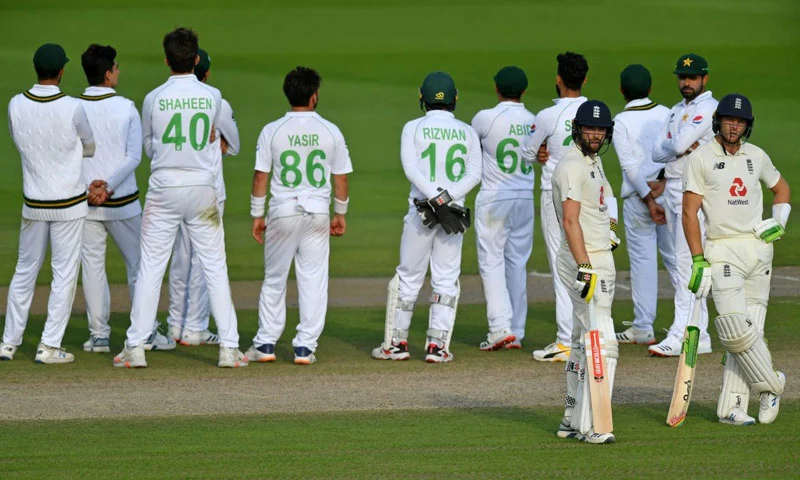
The England and Wales Cricket Board is preparing a major shift in its Test cricket strategy, with Pakistan emerging as a possible opponent for a rare five-match series in England. The plan forms part of the ECB’s broader push to host more long-form home series while reducing the length of some overseas tours. The changes could begin in the next cycle of the International Cricket Council World Test Championship. British media reports said the ECB has already discussed future five-Test series with South Africa and Pakistan. If approved, Pakistan would play a five-Test series in England for the first time in decades. England and Pakistan last contested a five-match Test series in England in 1992. The ECB’s new strategy comes as the ICC considers expanding the World Test Championship to all 12 Test-playing nations. Ireland and Zimbabwe could join a single WTC division under the proposal. One-off Tests may receive WTC status The ICC also plans to give one-off Test matches official WTC status. Current rules require at least a two-match series for championship points. The change could allow England to play its first Test match in Zimbabwe since the 1996-97 tour. The ECB strongly backs the idea of one-Test series. Officials believe smaller cricket nations would benefit from more opportunities to host major teams. At the same time, England wants to stage more commercially attractive home Test series. Internal ECB research found that Test cricket remains England’s most popular cricket format across all age groups. The board now wants to follow the model used by Australia and India. Both countries regularly host five-Test series against leading opponents. The ECB has already proposed a five-Test tour to South Africa in 2032. It also hopes to repeat the arrangement in 2036. Pakistan could become the alternative if talks with South Africa fail. Shorter overseas tours under discussion While England wants larger home Test series, the ECB accepts that lengthy overseas tours struggle financially in several markets. Future tours to Sri Lanka and Bangladesh may shrink to a single Test match. England would then play additional white-ball games during those tours. Broadcasters and sponsors generate stronger revenue from limited-overs cricket in those countries. Under the ICC working group’s proposed WTC format, each of the 12 teams would play 12 Test matches against at least eight opponents during a two-year cycle. The top two teams would meet in the WTC final every two years at Lord’s Cricket Ground. The venue will host the final until 2031. The proposed format would not force every nation to face all other teams. That flexibility would give cricket boards greater control over scheduling and commercial planning. The ICC board is expected to discuss the proposals later this month. Officials delayed one earlier meeting because of tensions in the Middle East, where the ICC operates from Dubai. Although the next Future Tours Programme runs from 2027 to 2031, the ECB wants to finalize much of England’s schedule through 2036. Officials believe long-term planning will strengthen future broadcast negotiations and improve financial stability.
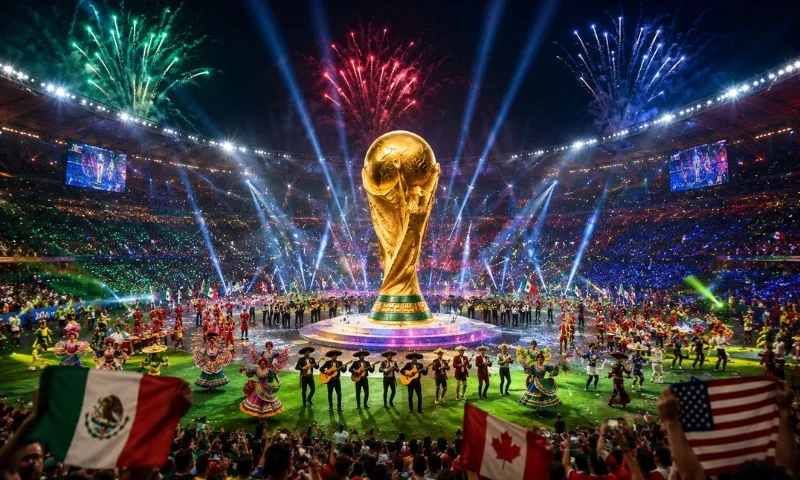
FIFA’s Massive World Cup 2026 Twist Changes Opening Ceremony Tradition Forever
FIFA 2026 will stage separate opening ceremonies in Mexico, Canada and the United States before each host nation plays its first World Cup match. The move adds a fresh cultural element to the 2026 FIFA World Cup, which will become the biggest tournament in football history. The competition begins on June 11 at Estadio Azteca in Mexico City. The famous venue will become the first stadium to host opening matches at three FIFA World Cups after previously staging the 1970 and 1986 openers. Estadio Azteca FIFA confirmed that Grammy Award-winning Mexican band Mana will headline the Mexico City ceremony. Singers Alejandro Fernandez and Belinda will also perform. The organization said the show will celebrate Mexican heritage through music and dance. FIFA added that the concert will include Indigenous and “modern folkloric” performers. The opening match in Mexico City is expected to attract huge global attention. Fans will also return to the renovated Azteca Stadium, one of football’s most historic venues. The stadium hosted Diego Maradona’s legendary “Hand of God” goal and his famous solo strike against England during the 1986 World Cup. Canada and US Plan Star-Studded Shows Canada will stage its ceremony before the country’s opening group-stage match against Bosnia and Herzegovina in Toronto on June 12. FIFA announced performances by Alanis Morissette, Michael Buble, Alessia Cara and William Prince. Los Angeles-based DJ Sanjoy will also appear during the event. FIFA said a “mosaic-inspired reimagining of the FIFA World Cup Trophy will reflect Canada’s diversity and community.” Later that day, the United States will host its own ceremony before the US team faces Paraguay in Los Angeles. Pop star Katy Perry will headline the event. Rapper Future will also perform. The lineup includes Brazilian singer Anitta, Thai rapper LISA, Nigerian artist Rema and South African Grammy winner Tyla. FIFA described the US show as a production focused on “delivering a high-energy spectacle that reflects the scale, ambition and cultural power of the tournament itself.” Biggest FIFA World Cup Ever The 2026 tournament will feature 48 teams instead of 32. FIFA expects record-breaking attendance and television audiences across North America. The tournament also marks only the second time that multiple countries will co-host the World Cup. South Korea and Japan jointly hosted the 2002 edition, with South Korea staging the opening ceremony. FIFA President Gianni Infantino has described the 2026 tournament as a landmark event for global football because of its expanded format and cross-border hosting model. The final will take place at MetLife Stadium on July 19, 2026.
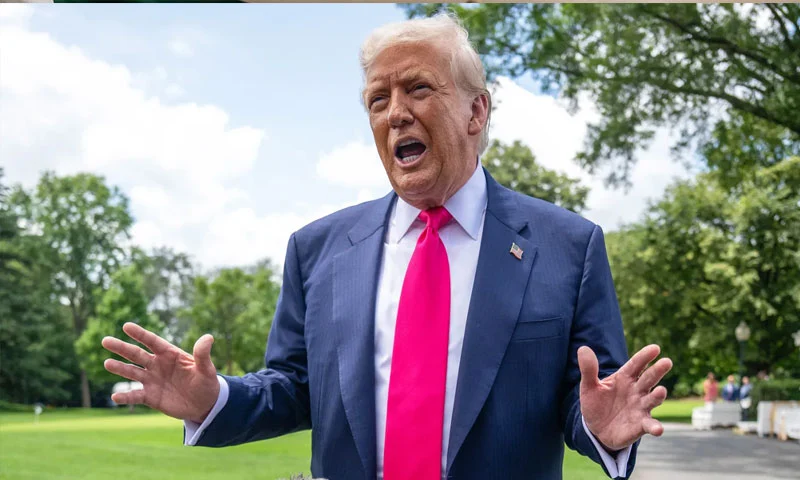
Donald Trump Credits Pakistan for Halting Regional Escalation
US President Donald Trump on Friday praised Pakistan’s political and military leadership and called the country “great” during a media interaction focused on regional peace and diplomacy. Trump described Pakistan’s top officials as “excellent” and credited them for encouraging restraint during sensitive negotiations in the region. Read More: US President Donald Trump Announces Ceasefire at Pakistan’s Request, White House Signals Caution “Pakistan is a great country and they have excellent leadership,” Trump said. “The prime minister and the field marshal are outstanding personalities.” The US president also claimed that “Project Freedom” stopped after discussions with Pakistan’s leadership. He did not provide further details about the initiative or explain its scope. According to Trump, Pakistani officials urged calm during diplomatic engagement and asked all sides to pause actions while talks continued. “Pakistan’s leadership asked for restraint during the talks,” Trump said. “They wanted things stopped during the diplomatic process.” Trump highlights trade over conflict Trump used the interaction to repeat his long-standing argument that economic cooperation can reduce tensions and prevent conflicts. “I am a proponent of peace across the world,” Trump said. “I stopped wars through trade.” Speaking to reporters outside the White House, Donald Trump said he paused “Project Freedom” at the request of the Pakistan government.He warned that if progress is not made, the US could return to the initiative with an expanded version called “Project Freedom Plus.” pic.twitter.com/HJwGd1DoW6 — Muhammad Noman (@MianJournalist) May 9, 2026 The Republican leader added that the United States preferred economic cooperation over military escalation. He said stable trade relations remained central to his foreign policy vision. “I like stopping wars,” Trump remarked. “Trade is better than conflict.” Trump has often promoted trade diplomacy during both his presidential terms. He frequently argues that stronger economic partnerships discourage military confrontations between rival states. Read More: Ceasefire Is Only the Beginning: How Pakistan Shaped the Trump-Iran War Pause and What Comes Next Analysts say his latest comments reflect Washington’s interest in maintaining stability in South Asia. The region continues to face security and geopolitical challenges. Afghanistan remarks attract attention During the media exchange, Trump also referred to reports about possible tensions between Afghanistan and Pakistan. He said Pakistan’s leadership handled the situation “swiftly and peacefully” and prevented further escalation. The US president did not explain the nature of the reported dispute. Islamabad and Kabul also did not issue immediate official responses. Pakistan and Afghanistan have faced periodic border tensions in recent years. Militancy, cross-border attacks and refugee movements remain major sources of friction between the neighbours. Islamabad has repeatedly called for stronger cooperation with Kabul on counterterrorism and border management. Relations between Washington and Islamabad have also changed in recent years after disagreements over Afghanistan policy following the US withdrawal in 2021. Despite those tensions, both countries continue diplomatic engagement through security, trade and regional stability talks. Read More: Trump Says US Will ‘Work Closely’ with Iran After Pakistan-Brokered Ceasefire Trump’s latest comments are likely to draw attention in Islamabad and Washington. Pakistan continues to seek stronger economic and strategic partnerships while managing regional security challenges. Political analysts in Pakistan described Trump’s remarks as an important diplomatic signal. They pointed to his public praise for the country’s civil and military leadership during a period of geopolitical uncertainty in South Asia.
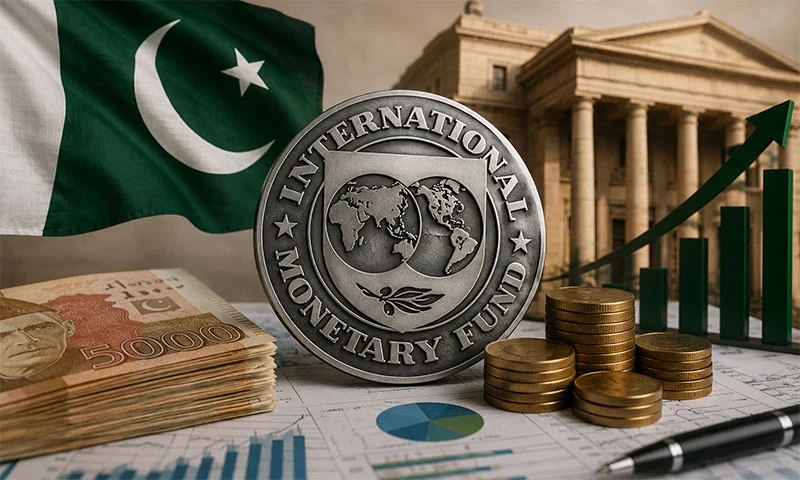
IMF Clears $1.2 Billion for Pakistan Amid Strict Reform Demands
Pakistan secured another major financial lifeline on Friday after the International Monetary Fund (IMF) approved $1.2 billion in loan tranches under two separate lending programmes, giving crucial support to the country’s fragile economy as it struggles with inflation, weak growth and external financing pressures. The approval came after Islamabad agreed to nearly a dozen additional conditions and assured the IMF that it would stay committed to fiscal discipline and structural reforms despite growing domestic criticism over rising unemployment and poverty. Read More: Pakistan to End 200-Unit Power Subsidy Under IMF Deal Government officials said the fresh inflows would be disbursed early next week and push the State Bank of Pakistan’s foreign exchange reserves above $17 billion. Pakistan has so far received $4.5 billion from the IMF against two debt packages totaling $8.4 billion. The latest approval includes $1 billion under the Extended Fund Facility and another $200 million under the Resilience and Sustainability Facility. Officials said the larger tranche would support the balance of payments while the climate-related funding would help strengthen budgetary support. Fiscal discipline remains central The IMF executive board reviewed Pakistan’s economic performance for the July to December 2025 period and found that the country had met all end-December quantitative performance criteria. Pakistan also exceeded targets linked to foreign exchange reserves and achieved the government’s primary budget surplus target. However, the Federal Board of Revenue remained one of the weakest areas in the programme. Pakistan failed to meet tax collection targets, especially income tax revenues from retailers. To offset the shortfall, the government raised petroleum levy rates and pledged to intensify tax enforcement measures. Finance Minister Muhammad Aurangzeb assured the IMF that Islamabad remained committed to “sound and prudent macroeconomic policies and structural and institutional reforms to place Pakistan on a path toward long-term sustainable and inclusive growth.” Pakistan also assured the lender that it would not abandon fiscal targets agreed before the Middle East conflict and would maintain the Rs3.4 trillion primary budget surplus target. Officials further committed to presenting a “fiscally tight budget” for the next fiscal year in consultation with the IMF. Read More: IMF Sets Tough Budget Priorities for Pakistan Ahead of FY26 Plan Under the agreement, Pakistan aims to deliver a Rs2.84 trillion primary surplus in fiscal year 2026-27, equal to 2% of GDP. The State Bank has already raised interest rates to 11.5%, while authorities promised additional hikes if inflation exceeds agreed limits. Energy, climate and industrial reforms Pakistan also accepted major commitments related to energy pricing and industrial incentives. The government promised to continue adjusting electricity and gas tariffs to maintain what the IMF described as a “progressive tariff structure” while protecting vulnerable consumers. The government further agreed to amend laws governing Special Economic Zones and Special Technology Zones by June 2027 to gradually phase out tax incentives and shift toward cost-based incentives. Existing fiscal incentives for technology zones will be completely phased out by 2035. Officials also committed to preventing Export Processing Zones from selling products in the local market by September this year, addressing concerns that industries were using the zones to avoid taxes. Read More: IMF Demands Fuel Reforms: What It Means for Millions of Pakistanis As part of the climate financing package, Pakistan adopted a green taxonomy and introduced guidelines for managing climate-related financial risks and corporate disclosures. According to officials, the IMF programme now carries around 75 conditions covering taxation, governance, energy pricing, private sector reforms and industrial policy, making it one of Pakistan’s most tightly monitored economic reform programmes in recent years.
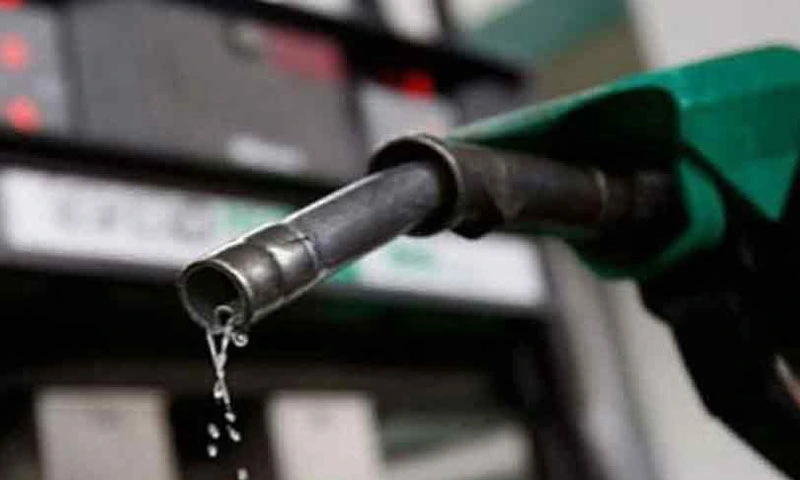
Petrol Crosses Rs414 as Pakistan Announces Massive Fuel Hike
Pakistan’s federal government on Friday increased petrol and high-speed diesel prices by nearly Rs15 per litre each, extending a series of sharp fuel hikes that have intensified inflation concerns across the country. According to a notification issued by the Petroleum Division, the new prices took effect from May 9. Petrol prices rose from Rs399.86 to Rs414.78 per litre, while high-speed diesel increased from Rs399.58 to Rs414.58 per litre. The latest revision marks the third consecutive increase in fuel prices. During the previous two weeks, the government had already raised petrol prices by a cumulative Rs33.28 per litre and diesel prices by Rs46.16 per litre. Officials linked the latest increase to higher global oil prices and rising petroleum levies amid ongoing geopolitical tensions in the Middle East. Sources in the Petroleum Division said the government increased the petroleum levy by Rs13.91 per litre on both fuels. The levy on petrol climbed from Rs103.50 to Rs117.41 per litre, while the levy on diesel rose from Rs28.69 to Rs42.60 per litre. Kerosene prices reduced Despite the sharp rise in petrol and diesel prices, authorities reduced kerosene oil prices by Rs41.80 per litre. Following the reduction, the new kerosene price stands at Rs318.96 per litre, according to the official notification. The government has continued reviewing fuel prices every Friday night because of volatility in international energy markets linked to the ongoing US-Iran conflict. Global crude oil prices gained more than 1% on Friday after renewed fighting between the United States and Iran raised concerns over regional stability and disrupted hopes for reopening the Strait of Hormuz, one of the world’s most critical oil transit routes. Brent crude futures rose $1.41, or 1.41%, to $101.47 a barrel by 0123 GMT. US West Texas Intermediate crude futures climbed $1.12, or 1.18%, to $95.93 per barrel. Oil prices briefly surged more than 3% at the market opening. Inflation fears grow Economists and transporters warned that continued fuel hikes could intensify inflationary pressure in Pakistan, where households already face rising electricity, gas and food costs. Petrol mainly powers motorcycles, rickshaws and small private vehicles used daily by millions of middle and lower-middle-income families. Higher petrol prices directly affect commuting costs and household budgets. High-speed diesel plays an even larger role in Pakistan’s economy. Heavy transport vehicles, buses, trains and agricultural machinery depend heavily on diesel fuel. Market analysts say diesel price increases often trigger higher food and transport costs because trucks carry vegetables, wheat and essential goods across the country. Agricultural operations also rely on diesel-powered tractors, tube wells and threshers, making fuel costs a major factor in farming expenses and food inflation. The government has defended recent price adjustments by citing global oil market conditions and fiscal pressures linked to energy imports and revenue requirements.
