

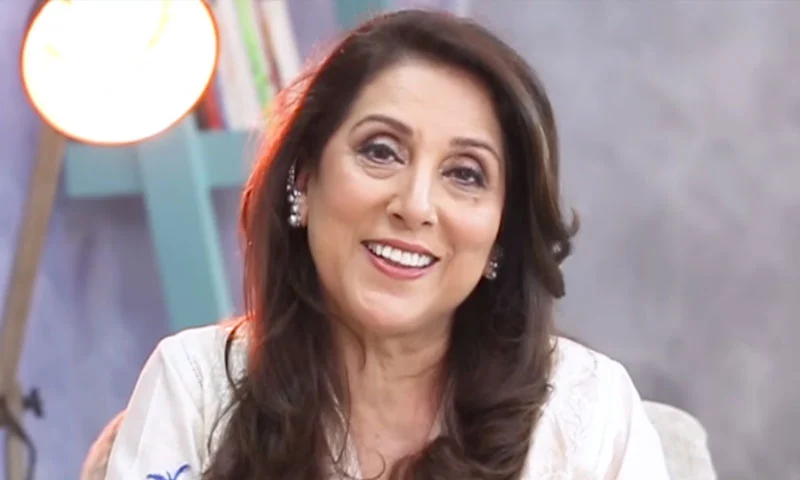
Veteran Pakistani actor, director and television host Samina Peerzada has called for visa-on-arrival facilities between Pakistan and India, saying she wants ordinary citizens on both sides of the border to reconnect more easily with friends and loved ones. Speaking in a recent interview, Peerzada shared an emotional message about her long-standing friendships in India and the difficulties created by travel restrictions between the two countries. “I have so many dear friends in India, in Delhi and Mumbai. I miss them, I think about them, and my heart feels sad because I cannot meet them. I am sure they feel the same way about me. I want to see them again,” she said. Her remarks come at a time when relations between Pakistan and India remain strained. Bilateral visa policies have become increasingly restrictive over the years, limiting cultural exchanges, tourism and people-to-people contact despite shared linguistic, historical and cultural ties. A Wish to Meet Without Barriers According to Peerzada, both countries should consider visa-on-arrival arrangements to simplify travel. “It is my wish to travel to Amritsar, reach the border from our side, and receive an Indian visa there. Likewise, our friends coming from India should be able to get a visa when they arrive here,” she said. Personal relationships should not suffer because of political differences, she added. Artists, in her view, have always maintained connections across borders. That tradition should continue despite diplomatic challenges. “First of all, we should spread love and keep meeting each other. As artists, we will continue to meet one another no matter what, because we will always find ways to stay connected,” she pointed out. She also questioned the barriers that prevent such meetings at home. Pakistanis and Indians often meet in cities such as London and Dubai. Yet visiting one another’s cities remains difficult. “I sincerely hope that if we can continue meeting in foreign countries, whether in London, Dubai, or elsewhere, then why can’t we meet in Lahore? Why can’t we meet in Delhi? Why can’t we meet in Mumbai? Why can’t we meet in Karachi?” Her comments reflect a view often expressed by artists, writers and cultural figures from both countries, many of whom have advocated greater cultural engagement despite political tensions. A Career Spanning Five Decades Samina Peerzada remains one of Pakistan’s most respected names in film, television and theatre. Peerzada began her career as a model in 1974. Later, she moved into acting and gained recognition through films such as Nazdikiyan, Bulandi and The Blood of Hussain. Television audiences know her for acclaimed dramas including Zindagi Gulzar Hai, Dastaan and Durr-e-Shahwar. She later expanded her career into directing and filmmaking. Her 1999 film Inteha won nine national awards and introduced actor Humayun Saeed to Pakistani cinema. In 2017, Peerzada launched the YouTube interview series Rewind with Samina Peerzada. The show featured candid conversations with leading Pakistani celebrities and quickly became one of the country’s most-watched digital talk shows. While political leaders continue to navigate complex diplomatic issues, Peerzada’s message focused on a simpler goal: allowing people separated by borders to reconnect with friends, family members and cultural communities they have known for years.
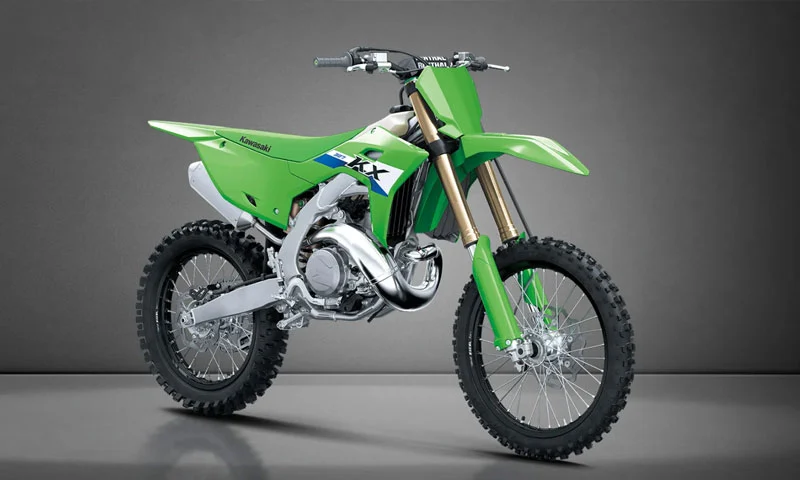
New Kawasaki KX327 arrives: Everything riders need to know
Kawasaki has unveiled the all-new KX327, marking a dramatic return to the big-bore two-stroke segment after more than two decades and signaling a fresh challenge to rivals in the highly competitive motocross market. The Japanese manufacturer introduced the KX327 as a next-generation competition machine aimed at professional and advanced riders. The company says the bike combines lightweight construction with strong power delivery and modern electronic features to meet the demands of contemporary off-road racing. The launch has attracted significant attention across the motocross community because major manufacturers have focused heavily on four-stroke platforms in recent years. Yamaha, Honda and KTM currently dominate much of the high-performance motocross segment, while large-capacity two-stroke machines have become increasingly rare. Kawasaki said the new model focuses on “raw power, reduced weight and improved throttle response to meet modern racing demands.” A New Chapter for Kawasaki’s Off-Road Lineup The KX327 sits above the KX250 class and introduces a newly developed 327cc liquid-cooled, fuel-injected two-stroke single-cylinder engine. Industry observers describe it as Kawasaki’s first newly developed full-size two-stroke motocross platform in more than 20 years. The motorcycle comes equipped with an electric start system, a five-speed close-ratio transmission and a hydraulic clutch. Kawasaki has also added selectable power modes through a handlebar-mounted switch, allowing riders to adapt performance to changing track conditions. Other key features include a lightweight aluminum perimeter frame, KYB 48mm inverted front forks and Kawasaki’s Uni-Trak rear suspension system. The company has also integrated smartphone connectivity through RIDEOLOGY The App KX2. The dirt bike carries an 8.6-liter fuel tank, slim bodywork for improved rider mobility, ODI Lock-On grips and quick-release side panels designed for easier maintenance. Racing Ambitions and Market Impact Kawasaki says engineers developed new frame geometry and advanced electronic power management systems to improve handling on technical circuits and high-speed tracks. Several early reviews note that the engine delivers strong low- and mid-range torque while maintaining sharp throttle response. The launch also reflects renewed interest in modern two-stroke technology. Manufacturers now combine traditional two-stroke performance with fuel injection, electronic controls and improved emissions management. These advances have helped revive interest among competitive riders who value lighter weight and aggressive acceleration. Kawasaki has set the manufacturer’s suggested retail price of the KX327 at $9,099. Deliveries are expected to begin toward the end of 2026. The company will also offer the off-road-focused KX327X variant at a higher price point. For Kawasaki, the KX327 represents more than a new motorcycle. It marks the brand’s return to a category that helped define motocross racing for decades. If the model performs as expected, it could reignite interest in large-displacement two-stroke machines across the global off-road market.
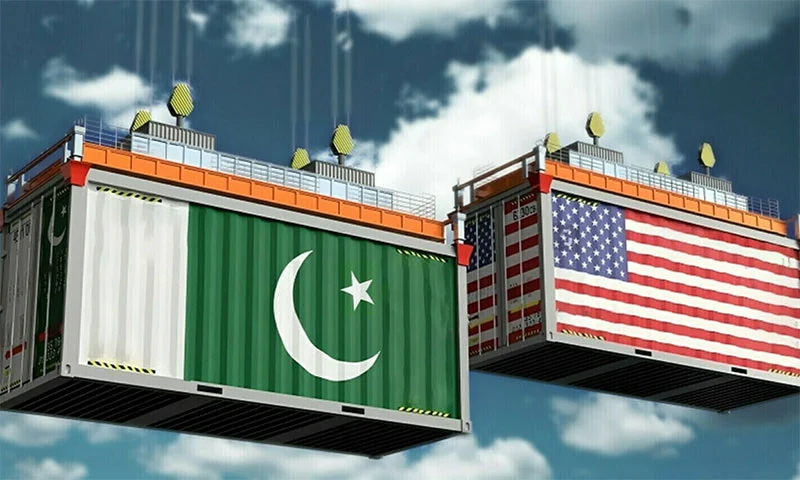
Trump Administration Unveils Tariff Shock for Pakistan and India
The United States has proposed new tariffs of 10% to 12.5% on imports from 60 economies, including Pakistan and India, after concluding that they failed to take sufficient action against the import of goods produced with forced labour. The move marks the latest effort by President Donald Trump’s administration to rebuild its trade agenda after key emergency tariffs were struck down by the US Supreme Court earlier this year. The Office of the United States Trade Representative (USTR) announced the proposal after launching Section 301 investigations in March. The investigations examined whether trading partners had imposed and effectively enforced bans on the import of goods made with forced labour and whether their actions burdened US commerce. Pakistan Among Economies Facing 10% Duty According to the USTR, 54 economies failed to impose and effectively enforce prohibitions on imports linked to forced labour. The list includes China, India, Vietnam, Taiwan and the United Kingdom. USTR said Pakistan, Canada, Mexico, Indonesia, Ecuador and the European Union failed to effectively enforce existing prohibitions. The proposal would add a 10% tariff on Pakistani exports to the United States. Other economies in the same category include Canada, Mexico, the European Union, Bangladesh, Cambodia, Malaysia, Taiwan and Britain. The remaining countries under investigation could face duties of 12.5%. “The failure of our most important trading partners to address the importation of goods made with forced labor is unacceptable,” US Trade Representative Jamieson Greer said in a statement. “This creates a dynamic where American workers are forced to compete globally on an unlevel playing field.” Trade Strategy After Court Setback The proposed duties come after the US Supreme Court struck down a broad range of Trump’s emergency tariffs in February. In response, the administration launched several new Section 301 investigations that could provide a more durable legal basis for future trade restrictions. The USTR said the tariffs would not apply to several categories of goods. Exemptions include energy products, rare earth materials, pharmaceuticals, aircraft parts, organic chemicals, beef, coffee and certain fruits and vegetables. The agency also proposed a separate textile mechanism that could allow limited volumes of apparel imports to enter the US at reduced tariff rates. The public can submit comments until July 6. USTR will hold hearings on July 7. USTR may announce a final decision after July 24. The temporary 10% tariff expires on that date. The forced labour investigation is only one part of Washington’s broader trade strategy. The USTR is also conducting separate probes into excess industrial capacity in major trading economies and has already proposed a 25% tariff on many Brazilian goods following another Section 301 investigation. For Pakistan, the proposal creates fresh uncertainty for exporters at a time when the country is seeking to expand access to key international markets. The final outcome will depend on the public consultation process and Washington’s assessment of enforcement measures taken by affected economies in the coming weeks.
