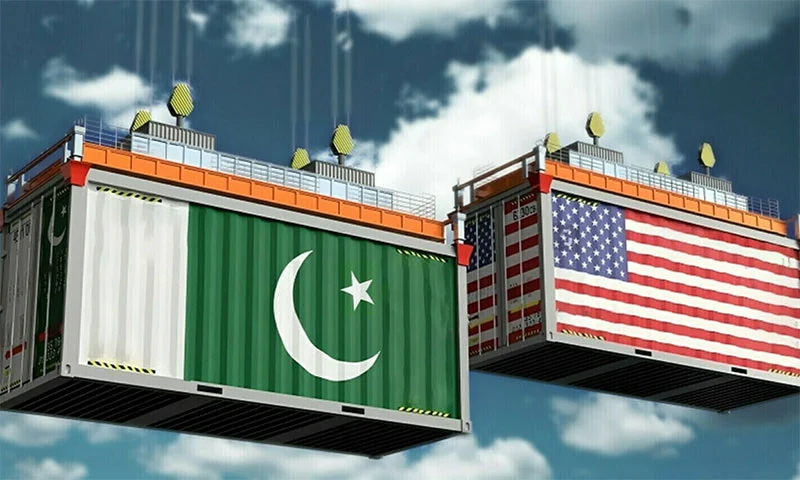
The United States has proposed new tariffs of 10% to 12.5% on imports from 60 economies, including Pakistan and India, after concluding that they failed to take sufficient action against the import of goods produced with forced labour. The move marks the latest effort by President Donald Trump’s administration to rebuild its trade agenda after key emergency tariffs were struck down by the US Supreme Court earlier this year.
The Office of the United States Trade Representative (USTR) announced the proposal after launching Section 301 investigations in March. The investigations examined whether trading partners had imposed and effectively enforced bans on the import of goods made with forced labour and whether their actions burdened US commerce.
Pakistan Among Economies Facing 10% Duty
According to the USTR, 54 economies failed to impose and effectively enforce prohibitions on imports linked to forced labour. The list includes China, India, Vietnam, Taiwan and the United Kingdom. USTR said Pakistan, Canada, Mexico, Indonesia, Ecuador and the European Union failed to effectively enforce existing prohibitions.
The proposal would add a 10% tariff on Pakistani exports to the United States. Other economies in the same category include Canada, Mexico, the European Union, Bangladesh, Cambodia, Malaysia, Taiwan and Britain. The remaining countries under investigation could face duties of 12.5%.
“The failure of our most important trading partners to address the importation of goods made with forced labor is unacceptable,” US Trade Representative Jamieson Greer said in a statement.
“This creates a dynamic where American workers are forced to compete globally on an unlevel playing field.”
Trade Strategy After Court Setback
The proposed duties come after the US Supreme Court struck down a broad range of Trump’s emergency tariffs in February. In response, the administration launched several new Section 301 investigations that could provide a more durable legal basis for future trade restrictions.
The USTR said the tariffs would not apply to several categories of goods. Exemptions include energy products, rare earth materials, pharmaceuticals, aircraft parts, organic chemicals, beef, coffee and certain fruits and vegetables. The agency also proposed a separate textile mechanism that could allow limited volumes of apparel imports to enter the US at reduced tariff rates.
The public can submit comments until July 6. USTR will hold hearings on July 7. USTR may announce a final decision after July 24. The temporary 10% tariff expires on that date.
The forced labour investigation is only one part of Washington’s broader trade strategy. The USTR is also conducting separate probes into excess industrial capacity in major trading economies and has already proposed a 25% tariff on many Brazilian goods following another Section 301 investigation.
For Pakistan, the proposal creates fresh uncertainty for exporters at a time when the country is seeking to expand access to key international markets. The final outcome will depend on the public consultation process and Washington’s assessment of enforcement measures taken by affected economies in the coming weeks.