
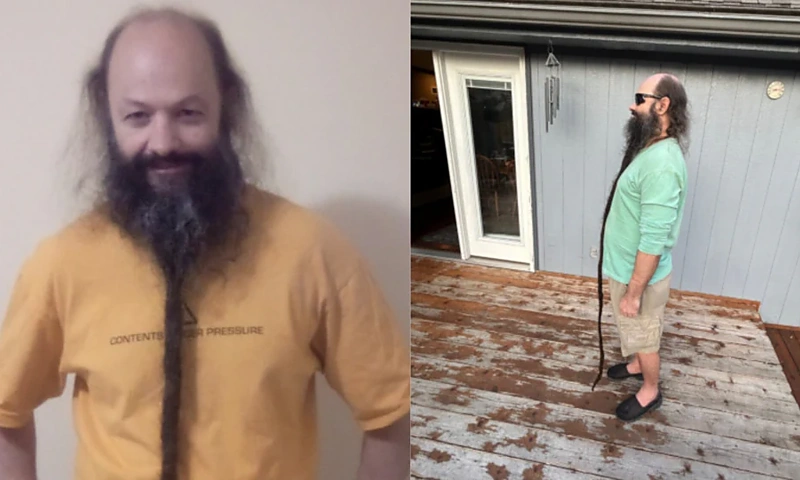
Matthew Hey used to keep his beard short. Then some children asked him to braid it. He liked the look and let it grow. Now the 54-year-old from Baldwin City, Kansas, holds the Guinness World Record for the longest natural beard locks on a living man. His single lock measures 5 feet 3 inches, or 1.603 metres. Read More: A Chicken That Beat the Odds: Guinness Crowns Texas Hen as World’s Oldest Chicken Guinness lists Dec 26, 2025, as the date Hey set the record in Independence, Missouri. During the attempt, his lock stretched across almost the entire length of a large wooden board. He beat the previous record, held by fellow American Rudolf Martino, by 21 inches. Martino’s beard lock measured 3 feet 6 inches. How a Beard Braid Became a Record-Breaking Lock Hey estimates that he began letting his beard grow out about 20 years ago. Guinness’s November profile says he has gone more than two decades without a trim. Its official record entry separately says he has grown the beard since 2009. Read More: Man Pulls 21,000-Pound Bus With Neck to Break Guinness Record Over time, the braid matted into one lock. Hey says it grew about 3 to 4 inches a year. Eventually, he could wrap it around his waist like a belt. Today it touches the floor when he lets it hang loose. For everyday wear, he folds it over several times and ties it up. His grooming routine still consists of shampoo and conditioner, with no trims. He has no immediate plans to cut the lock, though he would consider it if he had a good enough reason. The record also prompted a question he posed in jest to Guinness. “Should I insure it?” Life With a Five-Foot Beard Hey told Guinness that he does not see the beard as a defining part of his life. He thinks friends are more likely to associate him with his hobbies. He likes Mazda RX-7 sports cars and Amiga computers. He also lifts weights, plays video games and enjoys spending time with loved ones. Read More: Meet the 96-Year-Old Whose First Granddaughter Earned Him a Guinness Record Some strangers compliment his beard or ask if it is real. Others give him disapproving looks. Hey said people could be more accepting of those who choose to look different. “Be tolerant and kind to people regardless of their appearance.” Guinness featured Hey at the start of No-Shave November, when participants put down their razors and let their facial hair grow. It tracks natural beard locks separately from overall beard length. Canada’s Sarwan Singh holds the latter title, with a beard measuring 8 feet 3 inches. Hey plans to keep growing his lock and stick with the same care routine.
Thatta Cement Plans to Import Affordable EVs From China
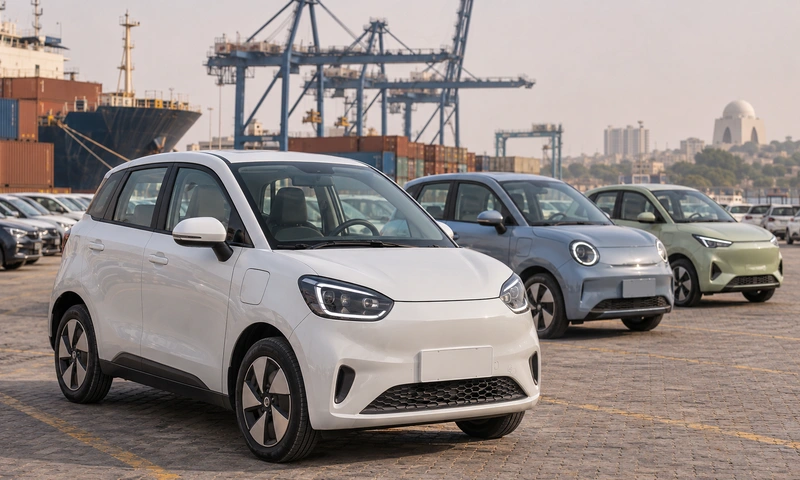
Thatta Cement plans to enter Pakistan’s electric vehicle market with compact cars imported from China. The cement maker disclosed the plan in a filing to the Pakistan Stock Exchange on Thursday. Its board approved an investment in a wholly owned subsidiary to run the business. The company gave no investment figure, vehicle prices or launch date in the disclosure. Thatta Cement Targets Mass-Market EV Buyers The subsidiary will start with completely built-up, or CBU, vehicles. The cars will arrive fully assembled from China. The move takes Thatta Cement beyond manufacturing and marketing cement and its existing ownership of Thatta Power (Private) Limited. “The EV market in Pakistan is witnessing rapid growth, driven by increasing consumer interest, the entry of new international and domestic brands, and the introduction of various government incentives and tax concessions aimed at promoting electric mobility,” the company said. Read More: New Wind Power Expansion Cuts Costs and Emissions for Thatta Cement “Against this backdrop, the Board of Directors has approved an investment in a wholly owned subsidiary to venture into the electric vehicle business. The subsidiary will initially focus on importing completely built-up (CBU) electric vehicles from China,” the notice said. Thatta Cement said its strategy would steer clear of the premium and niche EV segments. It sees room for smaller cars within reach of more buyers. The company gave no details on the models it intends to sell. “Instead, the company intends to tap into the largely underserved mass-market segment by introducing affordable, compact and small electric vehicles designed to cater to the mobility requirements and purchasing power of a broader consumer base,” the notice said. Imports Come First, With Local Assembly Possible Later The company left open the possibility of assembling vehicles in Pakistan. The board’s announcement sets out an import-led launch. It gives no schedule for local production. “This approach is aimed at capitalising on the emerging market opportunity, establishing an early foothold in Pakistan’s evolving EV industry and gradually developing a sustainable business platform, with the possibility of expanding into local assembly and other related activities in the future,” the notice said. Read More: Fauji Foundation Buys Nearly 20% of Pearl Continental Owner for Rs6.55 Billion The move comes as Pakistan seeks to expand electric vehicle adoption under its New Energy Vehicles Policy 2025–30. The government wants electric vehicles to account for 30% of new vehicle sales by 2030. Its plan calls for 40 new motorway charging stations. The proposed stations would sit about 105 kilometres apart on average. Rising fuel costs and environmental concerns have added to interest in electric mobility. Charging access remains a practical challenge as the market grows. For Thatta Cement, the first test will be what buyers actually pay for its imported cars. The filing identifies affordability as the selling point but gives buyers no prices to compare.
‘All Your Fittest Players Couldn’t Even Chase 120 Against India’ Azam Khan Responds to Critics
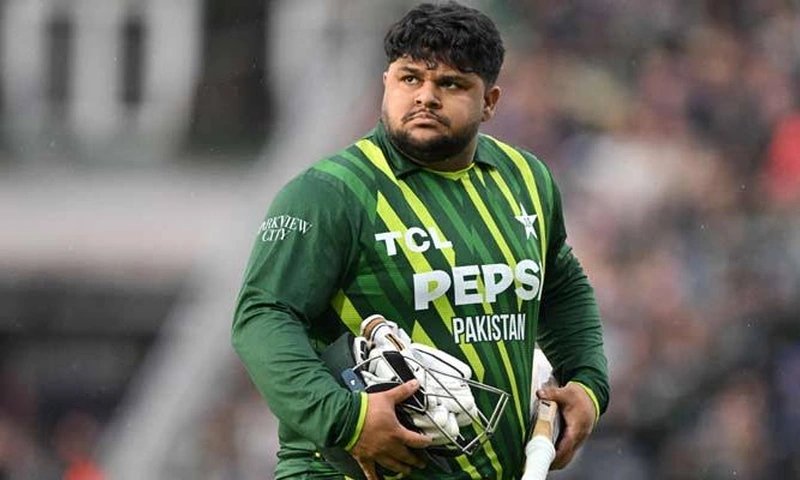
Pakistan wicketkeeper-batter Azam Khan has pushed back against criticism of his fitness after Pakistan’s group-stage exit at the 2024 T20 World Cup. Speaking on the Backward Point Podcast, the 28-year-old questioned why critics singled him out after he faced just one delivery. He pointed to Pakistan’s failure to chase 120 against India, a match he watched from outside the playing XI. “In the 2024 World Cup, everything was blamed on me. Dude, I played only one game and faced just one ball. How can you blame me for the entire World Cup?” Azam said. Azam said Pakistan’s batting collapse against India showed why he took issue with the focus on his fitness. “All your fittest players didn’t do anything either. You couldn’t even chase 120 runs, yet you’re talking about fitness and skills?” How Pakistan Fell Short Against India Pakistan lost by six runs at Nassau County International Cricket Stadium in New York on June 9, 2024. Haris Rauf and Naseem Shah took three wickets apiece as Pakistan bowled India out for 119 in 19 overs. Pakistan then reached a position from which it needed 48 runs off the last eight overs, with eight wickets in hand. Read More: How Short Was the Boundary? Ali Khan’s Bouncer Clears the Rope Jasprit Bumrah led India’s fightback with figures of 3 for 14. Hardik Pandya took 2 for 24, and Pakistan finished on 113 for 7 after 20 overs. Mohammad Rizwan top-scored for Pakistan with 31 off 44 balls, while captain Babar Azam made 13. The result left Pakistan with two defeats from its opening two Group A matches. Just days earlier, co-hosts United States had beaten Pakistan in a Super Over. That opener was Azam’s only appearance at the tournament. He fell for a golden duck, and Pakistan left him out against India. He did not play again in the campaign. How Pakistan Missed the Super Eight India secured its Super Eight spot by beating the United States. Pakistan’s hopes then ended when rain washed out the United States’ match against Ireland in Florida. The washout sent the tournament co-hosts through and left Pakistan without a route into the next round. Azam has faced repeated scrutiny over his fitness, but his comments focused on how critics apportioned blame for that World Cup exit. His own tournament ended with a first-ball dismissal against the United States. Against India, Pakistan had eight wickets in hand with eight overs left and still finished short. Azam brought up that chase to question why discussion of the campaign had focused so heavily on his fitness.
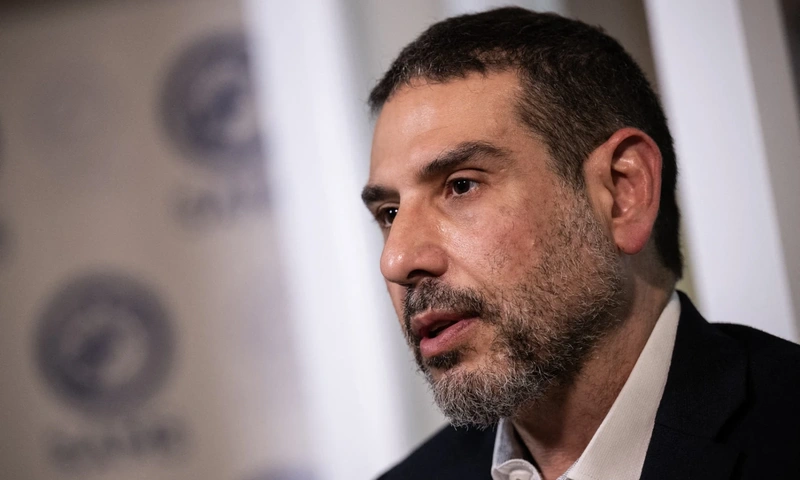
Adam Hamawy: Gaza Volunteer Surgeon Elected to Congress
Democrat Adam Hamawy, a former US Army surgeon who treated wounded patients in Gaza, won New Jersey’s 12th Congressional District in Tuesday’s midterms. The Associated Press projected his victory over Republican attorney Gregg Mele. Hamawy will succeed retiring Rep. Bonnie Watson Coleman and become New Jersey’s first Muslim member of Congress. Hamawy, a first-time candidate, says his experience in Gaza pushed him into public office. “Politics was never my plan,” he said in his January campaign launch video. He won a crowded Democratic primary in June with about 27% of the vote in a district where Democrats have a strong advantage. From New Jersey to a Combat Hospital in Baghdad Hamawy was seven months old when his family moved from Cairo to the United States. They settled in Jersey City before moving to Old Bridge, where he grew up. An Army ROTC scholarship helped pay for his education at Rutgers University. He studied medicine and later earned an MBA there. Read More: Who Is Abdul El-Sayed, the First Muslim Elected to the US Senate? Hamawy spent eight years as a US Army surgeon, including nine months with the 31st Combat Support Hospital in Baghdad. He operated on hundreds of soldiers and civilians during the Iraq War. Among his patients was now-Sen. Tammy Duckworth of Illinois, whose helicopter came under fire and went down in 2004. Duckworth credits Hamawy with helping save her life and endorsed his congressional campaign. He retired as a lieutenant colonel in 2011 and opened a plastic and reconstructive surgery practice in Princeton two years later. His medical volunteering began at Ground Zero after the Sept 11 attacks, when he treated victims and fellow first responders. Later missions took him to Syria, Lebanon, Sudan, Jordan, Türkiye, Bosnia, Haiti and Colombia. The Gaza Missions That Shaped His Campaign In May 2024, Hamawy joined a 19-member medical team at the European Hospital near Khan Younis. The team spent about three weeks there and performed 120 surgeries, more than half on children. Hamawy and his colleagues became stranded after Israeli forces seized the Rafah crossing. Read More: Democrats Win Congress: What It Means for Trump’s Final Two Years After leaving Gaza, he met officials at the White House and on Capitol Hill to describe what he had seen. He returned in 2025 with the Palestinian American Medical Association, which worked in coordination with the World Health Organization. Hamawy ran on universal healthcare, cancelling medical and student debt, ending US military aid to Israel and abolishing Immigration and Customs Enforcement. “Healthcare not bombs,” he wrote on X after winning the primary. The phrase brought together two priorities he carried into the general election: expanding access to healthcare at home and changing how Washington spends military aid abroad.
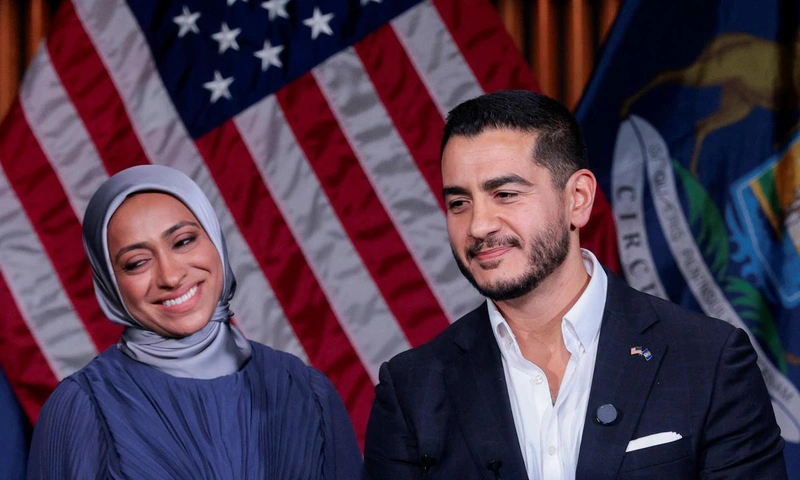
Who Is Abdul El-Sayed, the First Muslim Elected to the US Senate?
Democrat Abdul El-Sayed won Michigan’s open US Senate seat, according to media projections, becoming the first Muslim elected to the chamber. The 42-year-old physician and former public health official defeated Republican Mike Rogers in the Nov 3 midterm election. Early unofficial results put El-Sayed at about 52% and Rogers at 46%. The victory kept retiring Senator Gary Peters’ seat in Democratic hands and marked a breakthrough for the party’s progressive wing. Republicans entered the election with a 53–47 Senate majority. Democrats needed a net gain of four seats to take control. From Michigan Public Schools to Oxford El-Sayed was born on Oct 31, 1984, in Rochester Hills, Michigan. His father, Mohamed, immigrated from Egypt. He and El-Sayed’s stepmother, Jackie, raised him. Her family has lived in Michigan’s Gratiot County since the 1800s. He attended public schools and captained his high school football, wrestling and lacrosse teams. He graduated with highest distinction from the University of Michigan, where he played men’s lacrosse. Read More: Muslims in US Midterms Become Major Campaign Flashpoint He earned a medical degree at Columbia University with support from a National Institutes of Health fellowship. He completed a second doctorate at Oxford as a Rhodes Scholar. El-Sayed lives in Ann Arbor with his wife, Dr Sarah Jukaku, and their two daughters. How Public Health Shaped His Campaign His campaign says he turned to public service after seeing how policy decisions affected patients’ health. He rebuilt Detroit’s health department after the city’s bankruptcy. Later, he led Wayne County’s Department of Health, Human and Veterans Services, which served 1.8 million residents. His work included providing free eyeglasses to children, tackling major polluters and expanding access to Narcan, an opioid overdose reversal drug. His campaign also credits him with starting a programme designed to cancel up to $700 million in medical debt for 300,000 Michigan residents. El-Sayed wrote Medicare for All: A Citizen’s Guide and helped develop proposals to lower prescription drug costs on Joe Biden’s 2020 healthcare unity task force. Michigan LCV named him “Public Official of the Year,” and Crain’s Detroit Business included him on its 40 Under 40 list. His Senate campaign called for Medicare for All, lower costs for working families and less corporate influence in politics. How the Michigan Senate Race Played Out Rogers, 63, is a former congressman and FBI agent who had backing from President Donald Trump and national Republicans. He alleged that El-Sayed had ties to the Muslim Brotherhood. El-Sayed denied the allegation, which lacked evidence. Democrats called the attacks Islamophobic. Read More: Democrats Win Congress: What It Means for Trump’s Final Two Years Rogers also courted Jewish voters as El-Sayed opposed US military aid to Israel and described Israel’s actions in Gaza as genocide. With voters concerned about the economy and Trump’s approval ratings low, Rogers broke with the president late in the race. He argued that ending the war in Iran and the trade dispute with Canada would lower costs for businesses and consumers.
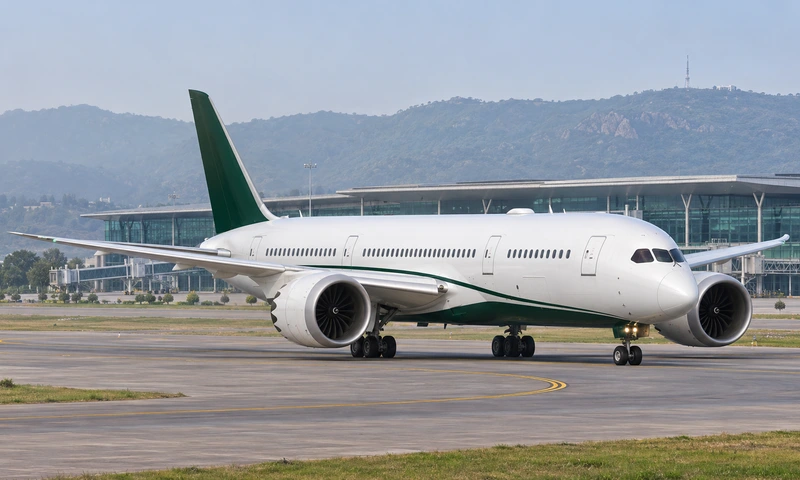
PIA Fleet Expansion: Two Aircraft Due in January 2027
Pakistan International Airlines (PIA) expects two aircraft to join its fleet in January 2027 as it rebuilds capacity after privatisation. A PIA general manager told lawmakers informally that the airline had arranged both planes. They are seven to eight years old, compared with many aircraft in its previous fleet that had served for more than 20 years. PIA has already received the first of two Boeing 787-9 Dreamliners under a lease with Norse Atlantic Airways. It arrived in Islamabad from London as flight PK786. The lease covers aircraft, crew, maintenance and insurance. The general manager said the second Dreamliner initially had a Dec 15 arrival date. Parliamentary Secretary for Defence Osama Sarwar had previously told the National Assembly to expect it on Nov 15. He said PIA’s independent board controls route decisions. PIA Plans Direct Karachi-London Flights Privatisation Secretary Usman Bajwa said PIA plans to launch direct Karachi-London flights in March 2027. Sarwar had earlier cited January for Karachi services to the UK. Bajwa said passengers on existing UK flights had responded favourably to flight timings and food quality. Read More: London to Islamabad on a Dreamliner: PIA Prepares for Boeing 787 Debut PPP lawmaker Sehar Kamran asked PIA to arrange an Islamabad airport visit for committee members. “We do not ask for free tickets, but arrange a visit to witness the landing and departure of the Dreamliner,” she said. Committee chair Dr Farooq Sattar directed PIA to arrange the visit. Islamabad International Airport remains on the active privatisation list under a proposal to hand its management to the private sector. Grounded Aircraft and Ticket Prices The general manager said PIA now operates 17 to 18 aircraft, up from 15 at privatisation. Fourteen remain grounded, down from 16. PIA plans to return them to service as international suppliers provide engines and other resources. That would let the airline expand its network and improve connectivity and services. Bajwa said the government had allowed 16 aircraft to sit idle over the past 40 years. Read More: PIA Dreamliner Arrival Sparks Revival Hopes, Says AOOA Lawmakers questioned why PIA sometimes charges more than other domestic airlines. “I admit that sometimes prices of PIA tickets are higher by Rs2,000 to Rs3,000, but it all depends on demand and supply,” the general manager said. He warned that PIA’s future depended on staying competitive. Bajwa said higher refinery margins had pushed up jet fuel prices, adding pressure on fares. PPP Says Committee Lacked Quorum The PPP Media Cell said no PML-N member attended and only Sattar and three PPP lawmakers were present. It said the committee lacked quorum and could not conduct scheduled business, although officials and PPP members had arrived. The party said briefing papers arrived late and earlier recommendations remained pending. It accused government members of deliberately staying away. The PPP said repeated quorum lapses in the National Assembly and absences from committee meetings weakened parliamentary oversight.
Pakistan Secures $3 Billion Saudi Rollover as US Financing Remains Uncertain
Saudi Arabia has rolled over $3 billion in financing for Pakistan, while a proposed $10 billion US liquidity facility remains uncertain. Finance Minister Muhammad Aurangzeb confirmed the extension at Parliament House on Wednesday. Riyadh provided the funds in April to help Pakistan cover $3.5 billion in repayments to the United Arab Emirates. The facility matured on Oct 31 after a three-month term. “It has been extended and for a reasonable period,” Aurangzeb said. He gave no new maturity date. Read More: Saudi Arabia’s $3bn Export Goal: What It Means for Pakistan Aurangzeb met Saudi Finance Minister Mohammed Al-Jadaan during the recent World Bank and IMF meetings in Bangkok. Riyadh had already extended a separate $5 billion deposit until 2028, moving it off its annual rollover schedule. Aurangzeb said Pakistan sought no additional Saudi support. Reserves covered more than three months of imports, he said, and Pakistan aims to reach four months by year-end through capital market borrowing. Pakistan Plans More Bond Issues Islamabad requested the US Exchange Stabilisation Support Facility in July. Aurangzeb said it would provide additional liquidity if Washington approved it. He pointed to Pakistan’s $3 billion September bond sale, which drew $6 billion in orders, as evidence of market access. Pakistan plans further Eurobond and Panda bond issues, alongside a rupee-linked bond that would settle in dollars. Aurangzeb met 70 to 80 institutional investors in Bangkok and said five- and 10-year financing offers were available beyond the IMF programme. He also sought US Export-Import Bank and Development Finance Corporation backing for American investors and exporters. He expects the IMF board to consider a $1.2 billion disbursement in December. Government Targets $4 Billion External Debt Reduction Aurangzeb told the Senate finance committee that Pakistan aims to cut external debt by $4 billion this fiscal year and $3.5 billion next year, following a $4.5 billion reduction last year. The government plans to replace costly short-term borrowing with longer-term bonds and private placements. He said external debt rose from $45 billion in FY2015 to around $100 billion, previously climbing by $5 billion to $6 billion annually. Growth slowed to about $1 billion annually over the past two years. He said reserves crossed $21.5 billion and projected a current account deficit of no more than 1% despite oil and wheat imports. Read More: Pakistan, Saudi Arabia Push for Early GCC Trade Agreement Finance Secretary Imdadullah Bosal said public debt fell to 68.6% of GDP in June 2026 from 75.1% in FY2023. Annual growth slowed to 7.7%, a 20-year low. Domestic debt fell from Rs68.4 trillion in June to Rs58.8 trillion in August. Foreign debt held at $98.2 billion. Of $11 billion in net financing needs after rollovers and refinancing, Pakistan repaid $5 billion in four months. Another $6 billion falls due over seven months. Committee chair Saleem Mandviwalla directed the State Bank to review foreign exchange clearance for politically exposed persons and personal appearance rules for lawmakers with valid travel documents. The committee also objected to a deputy director handling the central bank’s Oct 30 response. Mandviwalla warned the committee would revisit the matter if it remained unresolved.