


Pakistan’s National Cyber Emergency Response Team urged users on Monday to update WhatsApp immediately after identifying five security vulnerabilities. The Nov. 23 advisory covers older versions of WhatsApp and WhatsApp Business across Android, iOS and Mac desktop. It also covers WhatsApp for Windows. The affected versions vary by platform, and WhatsApp issued fixes in May and November. “WhatsApp has published its 2026 security advisories covering five vulnerabilities fixed in the May and November 2026 updates: CVE-2026-102769, CVE-2026-44908, CVE-2026-23871, CVE-2026-23866 and CVE-2026-23863,” the advisory said. Most of the flaws require users to open or interact with a specially crafted message or file. In one Android case, tapping a fake order-details message could lead to the deletion of locally stored WhatsApp files. Under certain conditions, the same flaw could also leak a limited piece of information about the chat database. WhatsApp said it had seen no evidence that anyone exploited the order-details flaw in the wild. Another Android flaw could expose a device’s IP address when a manipulated reply to a Click to WhatsApp ad appeared in a chat. It affected both the standard and Business apps. WhatsApp said the issue may have been abused in connection with specific spam messages. A separate issue affected the checks WhatsApp uses to establish trust with Meta AI’s confidential processing system. WhatsApp said its records showed no exploitation of that flaw. The May fixes covered two other issues. One could make affected Android or iOS devices process media from an attacker-controlled URL. The other involved Windows attachments. An attachment could look like a harmless document but run as a malicious program if the recipient opened it. WhatsApp reported no evidence of real-world exploitation for either flaw. National CERT advised users to install the latest version directly from their device’s official app store. It also warned against unofficial or modified versions of WhatsApp. The guidance applies to individuals, businesses and government offices. Users who run WhatsApp on a phone and a computer should check both devices for updates. The agency urged users to leave order-details messages unopened if they come from unknown senders. It also recommended avoiding unsolicited promotional and Click to WhatsApp messages, keeping automatic media downloads off, and blocking and reporting suspicious accounts. On Android and iPhone, users can find media auto-download controls under Storage and data in WhatsApp settings. That setting controls which files the app downloads automatically. Installing the update applies the security fixes
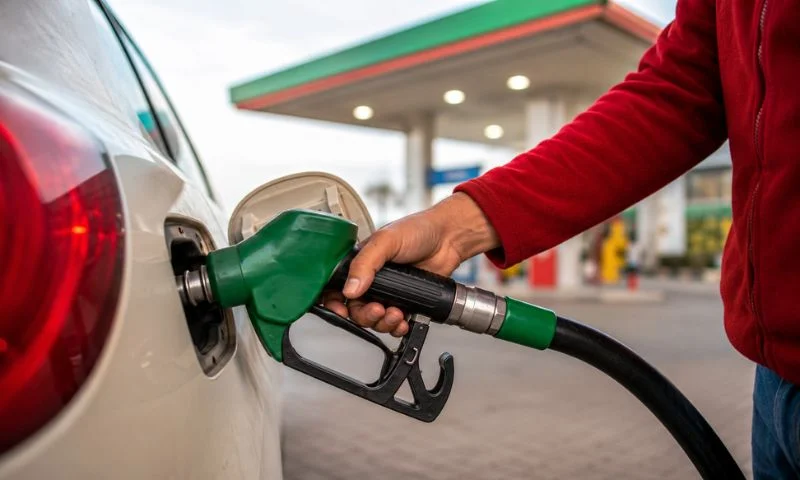
Filling Up in Pakistan? Here’s How Much of Your Fuel Bill Goes to Levies
Pakistan’s federal government collected Rs1,126.34 billion through the petroleum levy in the first nine months of 2026. Official figures show that collections rose by Rs83.93 billion, or just over 8 percent, from the same period last year. Meanwhile, the separate Climate Support Levy brought in about Rs47 billion. Together, the two charges generated Rs1,173.27 billion from January through September. The period covers the final six months of FY2025-26 and the first quarter of FY2026-27. The federal government treats the petroleum levy as non-tax revenue and keeps the full amount. By comparison, income tax forms part of the federal tax pool that the centre shares with the provinces. This distinction matters because every rupee from the petroleum levy goes to the federal government. Moreover, the Finance Ministry’s provisional accounts show that the petroleum levy generated Rs381.82 billion from July through September alone. That quarter accounted for roughly a third of the nine-month total. Annual collections have also risen sharply, from around Rs580 billion in FY2022-23 to Rs1.22 trillion in FY2024-25. They then reached Rs1.57 trillion in FY2025-26. The Petroleum Division set the total petroleum levy for regular petrol and high-speed diesel at Rs80 per litre from November 20. In addition, both fuels carry a separate Climate Support Levy of Rs5 per litre. Together, the charges amount to Rs85 per litre at those rates. For example, 40 litres of regular petrol include Rs3,400 in the two levies at the November rates. The notification also lists a separate petroleum levy rate of Rs89.98 per litre for direct sales of both fuels. However, the January to September collections reflect the rates that applied during those months. The government has linked petroleum levy receipts to its fiscal targets under Pakistan’s International Monetary Fund programme. The FY2026-27 budget projects about Rs1.68 trillion from the petroleum levy. In addition, it projects Rs50 billion from the Climate Support Levy. Both budget estimates cover the fiscal year ending in June 2027. The climate charge rose from Rs2.50 per litre in FY2025-26 to Rs5 in FY2026-27. According to the IMF, the levy aims to discourage the use of emissions-intensive fuels and encourage electric vehicle adoption. It also seeks to reduce reliance on fossil fuels. The IMF called for clearer reporting on how Pakistan uses the proceeds and how that spending supports its climate goals.

Democrats Win Biggest US House Majority Since 1992 After North Carolina Upset
Democrats have secured at least 258 seats in the US House of Representatives, the largest majority either party has won since 1992. The milestone came on Sunday, November 22, when US media projected Democrat Chuck Hubbard’s victory over Republican Representative Virginia Foxx in North Carolina. Democrats also won a 56-seat majority in the 100-member Senate. The midterm sweep gives the party control of both chambers when the new Congress convenes in January. President Donald Trump will remain in the White House for the final two years of his term. CBS News and NBC News projected Hubbard’s victory on Sunday, 19 days after the November 3 election. The Associated Press also called the race for Hubbard. Foxx had requested a recount in North Carolina’s 5th Congressional District after county canvasses put her 331 votes behind. Hubbard, a former journalist, had challenged Foxx in 2024 and lost. Foxx has served in the House since 2005 and chairs the House Rules Committee. The nonpartisan Cook Political Report rated the district as likely Republican heading into election night. Hubbard said Foxx called him on Sunday and “graciously conceded following the results of the recount process.” “Let me be the first to thank Congresswoman Foxx for her decades of service and countless sacrifices,” he added on X. Hubbard’s win gave Democrats their 258th projected seat in the 435-member chamber. The party last reached that tally in 1992, when Bill Clinton won the presidency. Democrats have gained 44 House seats so far, four more than they picked up in Trump’s first midterm in 2018. “House Democrats have just secured the largest majority any party in Congress has held this century. BOOM,” House Democratic leader Hakeem Jeffries wrote on X. Republicans have secured at least 173 seats. Four House races remain unresolved, including one each in Minnesota and Tennessee. Two Louisiana races will head to December runoffs. Control of both chambers gives Democrats the votes to block Republican legislation and set congressional committee agendas. Party leaders plan to use subpoena powers to investigate alleged corruption. They have also signalled scrutiny of how Trump and his family have accumulated wealth since he returned to office. Democrats are preparing a 100-day agenda focused on living costs. Their plans include votes to reverse Republican Medicaid cuts and restore expired Affordable Care Act tax credits. The result followed a campaign shaped by voter frustration over living costs, tariffs and the war with Iran. Trump’s decision to launch the war in February drove fuel prices sharply higher, adding pressure on household budgets. Polls repeatedly showed voters’ concern about prices and dissatisfaction with Trump’s handling of the issue.
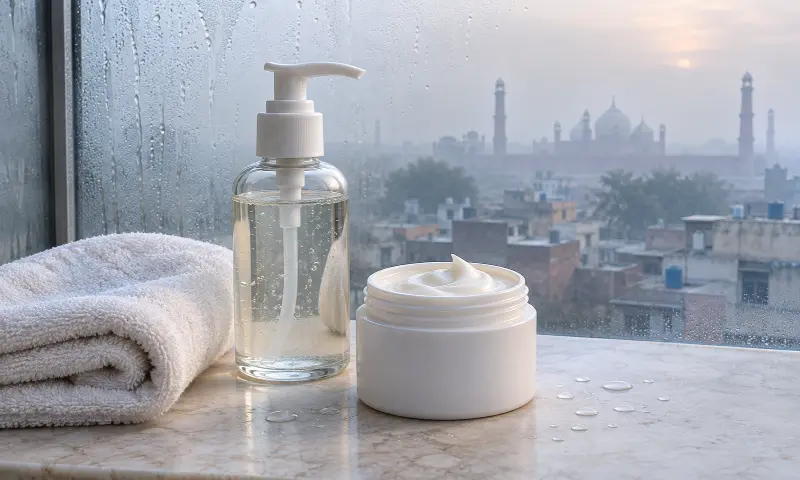
Skin Feels Tight After Washing? Try These Six Winter Skincare Changes
Cold weather can leave skin tight, rough or flaky. Add air pollution, and skin that already feels dry may become more sensitive. Dr Madhu Goyal, an aesthetic expert and founder-director of DIOSA Healthcare, recommends starting with a gentler face wash and moisturising regularly. “In the winter season, cold temperatures and lower humidity, along with greater exposure to contaminants, can alter the skin barrier’s ability to protect itself. Pollutants like particulate matter may linger on the skin, and other harmful agents may add to excessive oxidative stress, thus harming the skin cells.” The skin barrier helps retain moisture. Cold, dry air and indoor heating can leave skin feeling tight, itchy or flaky. People with sensitive skin may also notice redness or irritation, and products they normally tolerate may start to sting. Goyal said pollution-related oxidative stress can contribute to dullness and an uneven tone over time. Air can contain pollutants even when you cannot see smog. Research reviews link repeated exposure to airborne particles with signs of skin ageing. “Long-term exposure to air pollution may lead to skin ageing and possibly even skin problems. Therefore, it is necessary to follow a regular skincare routine and keep the skin healthy.” Cleanse gently. Use a mild cleanser and lukewarm water to remove dirt and excess oil. Apply the cleanser with your fingertips, then pat your face dry with a soft towel. Hot water and vigorous scrubbing can worsen dryness. Moisturise while skin is damp. Choose a moisturiser that suits your skin type and apply it soon after washing. Glycerin and hyaluronic acid help retain moisture, while ceramides help support the skin barrier. Wear sunscreen outdoors. Apply a broad-spectrum sunscreen with SPF 30 or higher to exposed skin. UV rays can reach your skin even on cloudy winter days. Introduce antioxidants cautiously. Goyal suggests considering topical vitamin C for its antioxidant properties. If your skin is sensitive, test a new product on a small area first. Ease up on exfoliation. Frequent exfoliation can irritate the skin barrier. Pause if your skin is already sore or flaky. Once it settles, keep exfoliation gentle and infrequent. Address dry indoor air. A humidifier can help if indoor heating makes the air dry. Clean it regularly to prevent mould. Goyal also recommends staying hydrated, eating well and getting enough sleep. See a dermatologist if dryness or irritation persists despite a gentler routine. Severe dryness, persistent discolouration or worsening acne also warrant an assessment. For everyday care, start with three steps: gentle cleansing, moisturiser and sunscreen when you go outdoors.

Lahore trails Islamabad but outscored New York, Paris and Delhi in Numbeo safety survey
Lahore scored 63.8 in Numbeo’s 2026 Mid-Year Safety Index, placing it ahead of New York, Paris and New Delhi. Islamabad scored higher at 69.2. Punjab police reviewed the survey on Sunday as senior officers raised concerns about emergency response and a shortage of patrol motorcycles. Punjab Inspector General of Police Abdul Kareem chaired the meeting at Lahore Police Lines in Qilla Gujjar Singh. Capital City Police Officer Bilal Siddique Kamyana and DIGs Faisal Kamran and Zeshan Raza attended. Senior superintendents and superintendents of police also took part. Lahore recorded a crime score of 36.2. By comparison, New York scored 49.2 on safety, Paris 42.1 and Delhi 41.0. “Lahore scores lower on crime than Karachi (Crime Index 57.8–57.9) and Rawalpindi (51.8), while Islamabad scores lower on crime (30.8–31.1)”, Kamran said. “These figures are based on visitors’ perception on this website,” he said, adding that the survey covered 380 cities. Numbeo draws its scores from users’ perceptions of crime and safety. Its published mid-year table lists crime scores of 57.6 for Karachi, 52.0 for Rawalpindi and 30.8 for Islamabad. Meanwhile, Kamyana said Lahore’s crime situation had improved significantly over four years. He claimed Lahore was the only city in Punjab where police had eliminated no-go areas, major land-grabbing groups, gangsters and hooligans. According to a senior police official, Kareem put the province-wide helpline 15 response figure at 22%. He also cited reports that police sometimes directed callers to stations to file complaints. Kamran cited a 66% response figure for Lahore. However, Kareem called it “still insufficient” because Lahore police have more resources than forces in other cities. Kamran identified a shortage of Dolphin Force motorcycles as a major reason for the poor response. In the meantime, the force has borrowed motorcycles from police stations to keep patrols running. Kareem said Chief Minister Maryam Nawaz had approved Rs300 million to buy new police motorcycles across Punjab. Under the plan, Lahore expects to receive 300 to 400 motorcycles by December. The meeting also examined concerns over case handling, including a police raid at Attorney General for Pakistan Mansoor Usman Awan’s residence. In addition, Kareem relayed complaints from inspectors who said Lahore police had overlooked them for station house officer posts. In response, Kamran said sub-inspectors held two-thirds of the city’s SHO posts. He said those postings helped prepare more officers for sensitive assignments. Separately, the DIG for investigations briefed the meeting on complaints about missing women. He said police had yet to trace fewer than 100 women out of thousands of cases.
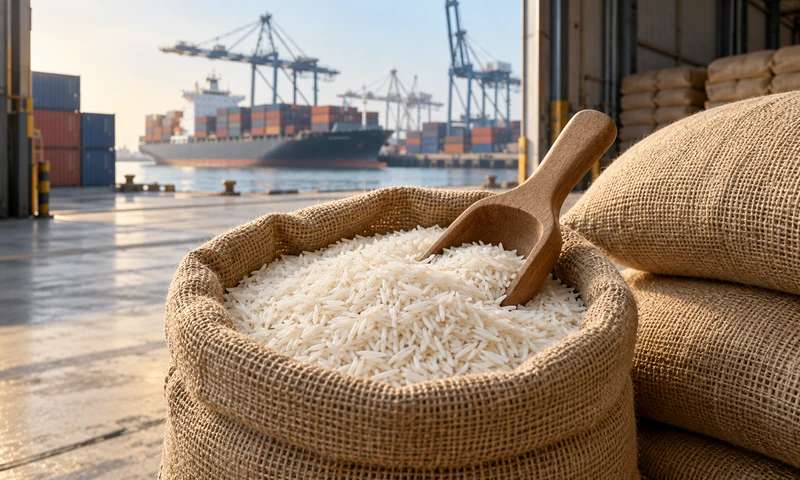
Pakistan’s Basmati Exports Jump 62% Despite Shipping Disruptions
Pakistan exported about 1.35 million tonnes of rice from July to October 2026, the first four months of FY2026–27. Basmati shipments rose sharply, while non-Basmati varieties accounted for most of the volume. The Philippines was Pakistan’s largest rice buyer in October. Provisional trade data put four-month rice export earnings at $823.32 million, up 41.67% from $581.17 million a year earlier. For comparison, the Pakistan Bureau of Statistics reported that the country’s total merchandise exports rose 10.16% to $11.51 billion over the same period. Industry trade figures put Basmati shipments at 301,000 tonnes, up 62%, or 116,000 tonnes, from the same period last year. The increase came despite shipping disruptions in the Red Sea, the Strait of Hormuz and the wider Middle East. Tensions involving Iran forced shipping companies to divert vessels, pushing up freight charges and marine insurance premiums. Market analysts linked the increase to the extension of the Drawback of Local Taxes and Levies (DLTL) scheme through September. Exporters also had substantial stocks left from the previous season. Meanwhile, a larger cultivated area, double-cropping in some regions, higher yields per acre and favourable weather helped produce a bumper Basmati harvest. Non-Basmati shipments reached about 1.049 million tonnes. Industry figures reported a 16% increase, or 140,000 tonnes, despite price competition from subsidised Indian rice. Pakistani suppliers also faced competition from Thailand, Vietnam, Cambodia and Myanmar. The industry figures put the overall increase at 353,000 tonnes. However, the reported increases for Basmati and non-Basmati add up to 256,000 tonnes. A separate provisional customs tally puts Basmati volume at 301,323 tonnes, up 64.79%, and non-Basmati volume at about 1.05 million tonnes, up 28.53%. Both sets of figures put total shipments near 1.35 million tonnes, although their year-on-year comparisons differ. The provisional tally also showed that rice exports fell about 34.5% by volume in October compared with September. Pakistan shipped 275,146 tonnes during the month. October’s decline came after September shipments exceeded 420,000 tonnes. The Philippines imported 87,478 tonnes in October. Tanzania ranked second with 43,747 tonnes, followed by Kenya with 33,078 tonnes. The United Arab Emirates bought 25,305 tonnes, while the European Union took 21,200 tonnes. Central Asian markets received 16,400 tonnes. China imported 11,949 tonnes, and Saudi Arabia bought 7,655 tonnes. The Philippines bought nearly twice as much Pakistani rice as Tanzania, the next-largest destination. Together, Tanzania and Kenya accounted for more than 76,000 tonnes, highlighting East Africa’s role in Pakistan’s rice trade. The UAE and Saudi Arabia together received nearly 33,000 tonnes during a month when regional shipping disruptions continued.