

Pakistan’s federal government collected Rs1,126.34 billion through the petroleum levy in the first nine months of 2026. Official figures show that collections rose by Rs83.93 billion, or just over 8 percent, from the same period last year.
Meanwhile, the separate Climate Support Levy brought in about Rs47 billion. Together, the two charges generated Rs1,173.27 billion from January through September. The period covers the final six months of FY2025-26 and the first quarter of FY2026-27.
The federal government treats the petroleum levy as non-tax revenue and keeps the full amount. By comparison, income tax forms part of the federal tax pool that the centre shares with the provinces. This distinction matters because every rupee from the petroleum levy goes to the federal government.
Moreover, the Finance Ministry’s provisional accounts show that the petroleum levy generated Rs381.82 billion from July through September alone. That quarter accounted for roughly a third of the nine-month total. Annual collections have also risen sharply, from around Rs580 billion in FY2022-23 to Rs1.22 trillion in FY2024-25. They then reached Rs1.57 trillion in FY2025-26.
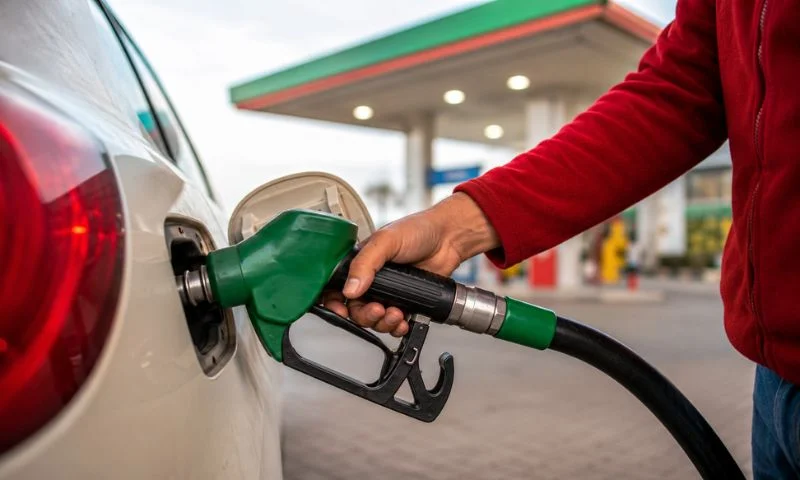
The Petroleum Division set the total petroleum levy for regular petrol and high-speed diesel at Rs80 per litre from November 20. In addition, both fuels carry a separate Climate Support Levy of Rs5 per litre. Together, the charges amount to Rs85 per litre at those rates.
For example, 40 litres of regular petrol include Rs3,400 in the two levies at the November rates. The notification also lists a separate petroleum levy rate of Rs89.98 per litre for direct sales of both fuels. However, the January to September collections reflect the rates that applied during those months.
The government has linked petroleum levy receipts to its fiscal targets under Pakistan’s International Monetary Fund programme. The FY2026-27 budget projects about Rs1.68 trillion from the petroleum levy. In addition, it projects Rs50 billion from the Climate Support Levy. Both budget estimates cover the fiscal year ending in June 2027.
The climate charge rose from Rs2.50 per litre in FY2025-26 to Rs5 in FY2026-27. According to the IMF, the levy aims to discourage the use of emissions-intensive fuels and encourage electric vehicle adoption. It also seeks to reduce reliance on fossil fuels. The IMF called for clearer reporting on how Pakistan uses the proceeds and how that spending supports its climate goals.