
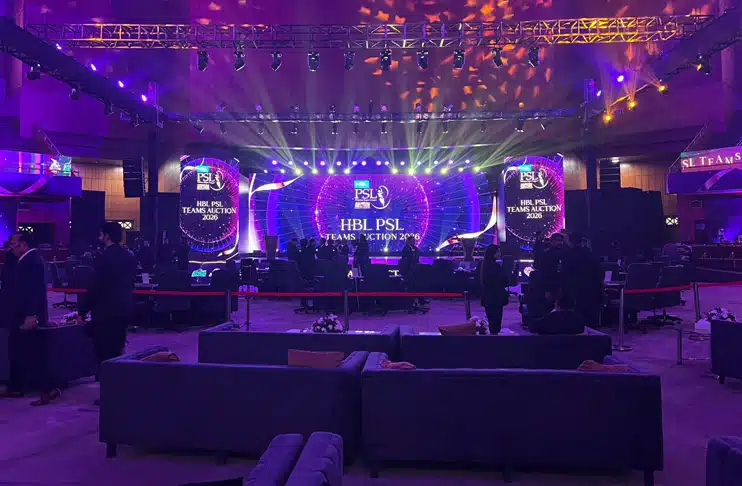
The auction process for the addition of two new teams to the Pakistan Super League has concluded, with Hyderabad and Sialkot officially confirmed as the league’s seventh and eighth franchises. The Hyderabad franchise was secured by FKS Group for Rs1.75 billion, while OZ Developers acquired the Sialkot franchise for a record Rs1.85 billion, the highest price paid for a PSL team so far. 🚨 SOLD – the magic moment! 🔨 FKS with the successful bid for Team No. 7️⃣ of #HBLPSL 👏 📺 Watch LIVE on the PSL YouTube channel & the PCB Live app (UK region) 🔗 https://t.co/HNapgvqIg2 pic.twitter.com/k7TaOZrlfL — PakistanSuperLeague (@thePSLt20) January 8, 2026 Following the auction, FKS Group selected Hyderabad as its team name, while OZ Developers opted for Sialkot from the list of cities made available by the Pakistan Cricket Board (PCB). FKS Group is a leading Southeast Asia–based conglomerate with major operations across food and agriculture, logistics, and real estate. Headquartered in Indonesia, the group has recently begun expanding into sports investments, and the acquisition of a PSL franchise marks its first entry into professional cricket ownership. PKR 1️⃣8️⃣5️⃣ crores – A historic moment to witness! Celebrations galore as OZ Group become a part of the #HBLPSL family 📺 Watch LIVE on the PSL YouTube channel & the PCB Live app (UK region) 🔗 https://t.co/HNapgvqaqu#NewEra pic.twitter.com/eo0ozr8ipk — PakistanSuperLeague (@thePSLt20) January 8, 2026 The bidding for the seventh team proved particularly competitive. In the opening round, FKS Group and I2C Group went head-to-head, with bidding starting at Rs1.10 billion before FKS eventually emerged victorious. The contest for the eighth franchise unfolded in the second round, featuring OZ Developers and I2C Group. OZ Developers ultimately outbid competitors to secure the Sialkot team at the highest valuation in PSL auction history. A total of nine business groups participated in the auction after former Multan Sultans owner Ali Tareen chose not to take part in the bidding process. Speaking after the auction, PSL Chief Executive Officer Salman Naseer said the league continues to grow in strength and stature. “We are not just surviving; we are moving forward,” Naseer said, adding that the PSL has achieved multiple milestones over the years. He credited franchise owners and sponsors for playing a central role in the league’s sustained success. PCB officials also acknowledged the importance of fan support, stating that the passion and loyalty of supporters have been key to the PSL’s continued expansion. The auction ceremony was held at Islamabad’s Jinnah Convention Centre, where the formal bidding process for the two new franchises took place. Earlier in the ceremony, PCB Chairman Mohsin Naqvi awarded Rs90 million to the team that won the Rising Star Asia Cup, while the champions of the Hong Kong Sixes received a cash prize of Rs18.5 million. With Hyderabad and Sialkot now officially added, the PSL enters a new phase of expansion, further strengthening its footprint across Pakistan’s major cricketing centres.
From Bailouts to Battle Jets: Pakistan, Saudi Arabia in $4bn Defence Talks
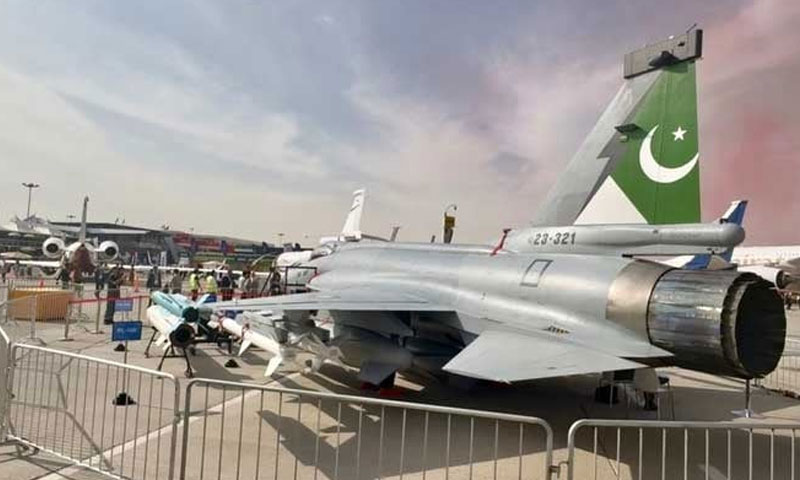
Pakistan and Saudi Arabia are exploring a major defence-finance arrangement that could see roughly $2 billion in Saudi loans converted into a fighter jet purchase, according to Pakistani officials familiar with the discussions. The talks centre on the JF-17 Thunder, a light combat aircraft jointly developed with China and manufactured in Pakistan. If finalised, the agreement would mark a significant step in turning last year’s mutual defence pact between Pakistan and Saudi Arabia into concrete military cooperation. The negotiations are taking place as Pakistan faces continued economic pressure, while Saudi Arabia reassesses its regional security partnerships amid shifting geopolitical dynamics. Officials say the proposed package could be worth around $4 billion in total, with half coming from loan conversion and the remainder allocated to additional defence equipment, weapons systems, and support services. While the JF-17 is the primary platform under discussion, sources indicate other military hardware options have also been considered. The talks have coincided with a visit by Pakistan Air Force chief Zaheer Ahmed Baber Sidhu to the kingdom for high-level meetings focused on defence and military cooperation, according to Saudi media reports. Retired Air Marshal Amir Masood said Pakistan is either negotiating or has concluded defence export deals with multiple countries, including for JF-17 aircraft and related avionics and weapons systems. He noted that the fighter jet’s appeal has grown because it is combat-tested and cost-effective, making it attractive for countries seeking affordable airpower solutions. The JF-17 has seen operational use in recent years, including during last year’s military escalation with India, the most intense confrontation between the two neighbours in decades. Neither Pakistan’s defence or finance ministries nor Saudi authorities have publicly commented on the negotiations. Requests for official confirmation have so far gone unanswered. Saudi Arabia has long played a stabilising role in Pakistan’s economy during times of financial stress. In 2018, Riyadh announced a $6 billion support package, including central bank deposits and deferred oil payments. These deposits have since been rolled over multiple times, helping Pakistan shore up its foreign exchange reserves. At the same time, Islamabad has accelerated efforts to export defence equipment and commercialise its domestic arms industry. In recent months, Pakistan has secured one of its largest-ever weapons export agreements, reportedly worth over $4 billion, with Libya’s eastern-based forces. Talks are also underway with Bangladesh for potential fighter jet sales. Defence Minister Khawaja Asif recently claimed that growing international demand for Pakistani military hardware could significantly improve the country’s economic outlook. Speaking to Geo News, he said successful arms exports could reduce Pakistan’s reliance on the International Monetary Fund, under whose $7 billion programme the country is currently operating. Pakistan has entered IMF support arrangements more than 20 times, often relying on financial backing from Gulf allies to stabilise its economy and avoid default.
UBL Overtakes OGDC to Become Pakistan’s Most Valuable Listed Company
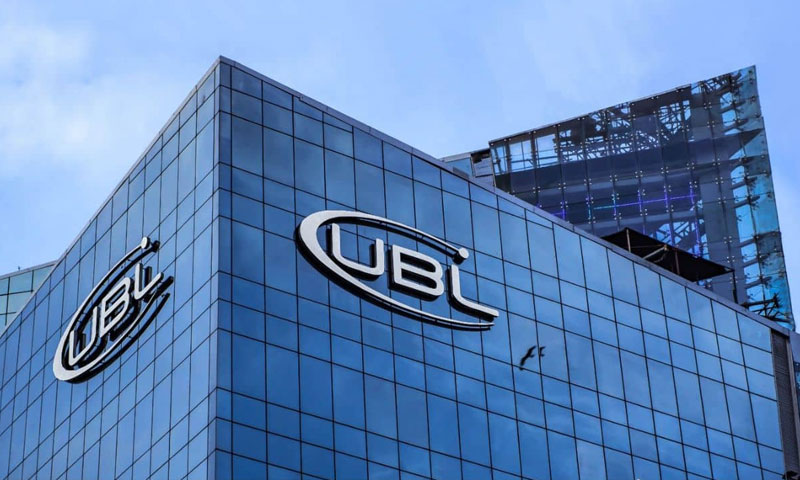
United Bank Limited (UBL) has climbed to the top of Pakistan’s stock market, becoming the largest listed company by market capitalisation after its valuation reached Rs1.28 trillion (USD 4.6 billion) on Tuesday. The surge allowed UBL to overtake Oil & Gas Development Company (OGDC), which now ranks second with a market capitalisation of Rs1.26 trillion (USD 4.53 billion), marking a rare shift at the top of the Pakistan Stock Exchange. Market analysts say UBL’s rise reflects strong investor confidence and the broader resilience of the banking sector, particularly as macroeconomic conditions improve. Share price rallies sharply UBL’s stock has delivered an exceptional run over the past month. Its share price jumped 37 percent, rising from Rs375.57 on December 8, 2025, to Rs514.49 by Tuesday. Analysts attribute the rally to the bank’s strong earnings performance and its effective positioning amid changing interest rate dynamics. “The improvement in profitability is largely driven by how well the bank has utilised the interest rate environment,” said Samiullah Tariq, Head of Research at Pak-Kuwait Investment Company Limited. Interest rate tailwinds Pakistan’s benchmark interest rate has declined significantly, falling from a peak of 22 percent in April 2024 to 10.5 percent in December 2025 — a reduction of 1,150 basis points. The easing cycle has helped banks manage spreads more efficiently while supporting credit growth and profitability. Strong financial performance and dividends According to its latest financial results, UBL reported a profit after tax of Rs34.7 billion for 9MCY25, marking a 36 percent increase year-on-year. Earnings per share rose to Rs13.86 during the period. The bank also announced another interim cash dividend of Rs8 per share, taking its total dividend payout for the year to Rs27.5 per share — one of the highest distributions in Pakistan’s banking sector. UBL operates as a subsidiary of Bestway Holdings Limited, which is wholly owned by Bestway Group Limited. Market leadership shifts, but sectors remain dominant While OGDC has slipped to second place, analysts note that the shift does not weaken its standing as a market heavyweight. Instead, the development highlights how Pakistan’s equity market continues to be dominated by the financial and energy sectors, with leadership rotating based on earnings momentum and investor sentiment. For now, UBL’s ascent underscores the renewed appeal of banking stocks as economic stability gradually returns.
