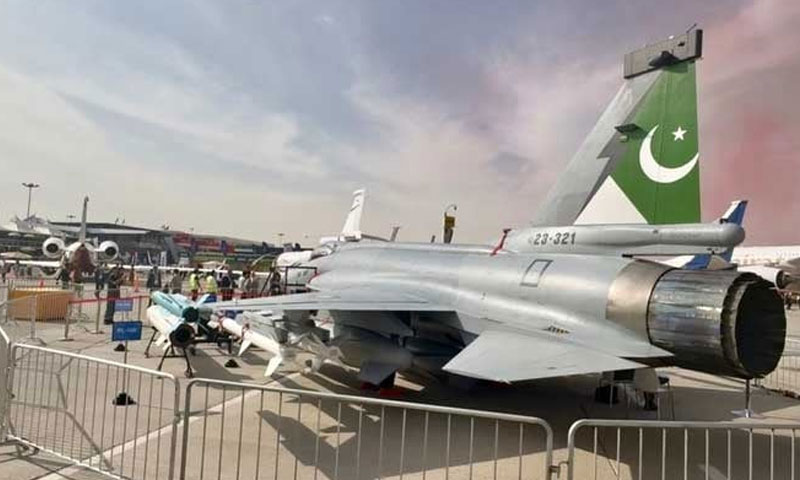
Pakistan and Saudi Arabia are exploring a major defence-finance arrangement that could see roughly $2 billion in Saudi loans converted into a fighter jet purchase, according to Pakistani officials familiar with the discussions. The talks centre on the JF-17 Thunder, a light combat aircraft jointly developed with China and manufactured in Pakistan.
If finalised, the agreement would mark a significant step in turning last year’s mutual defence pact between Pakistan and Saudi Arabia into concrete military cooperation. The negotiations are taking place as Pakistan faces continued economic pressure, while Saudi Arabia reassesses its regional security partnerships amid shifting geopolitical dynamics.
Officials say the proposed package could be worth around $4 billion in total, with half coming from loan conversion and the remainder allocated to additional defence equipment, weapons systems, and support services. While the JF-17 is the primary platform under discussion, sources indicate other military hardware options have also been considered.
The talks have coincided with a visit by Pakistan Air Force chief Zaheer Ahmed Baber Sidhu to the kingdom for high-level meetings focused on defence and military cooperation, according to Saudi media reports.
Retired Air Marshal Amir Masood said Pakistan is either negotiating or has concluded defence export deals with multiple countries, including for JF-17 aircraft and related avionics and weapons systems. He noted that the fighter jet’s appeal has grown because it is combat-tested and cost-effective, making it attractive for countries seeking affordable airpower solutions.
The JF-17 has seen operational use in recent years, including during last year’s military escalation with India, the most intense confrontation between the two neighbours in decades.
Neither Pakistan’s defence or finance ministries nor Saudi authorities have publicly commented on the negotiations. Requests for official confirmation have so far gone unanswered.
Saudi Arabia has long played a stabilising role in Pakistan’s economy during times of financial stress. In 2018, Riyadh announced a $6 billion support package, including central bank deposits and deferred oil payments. These deposits have since been rolled over multiple times, helping Pakistan shore up its foreign exchange reserves.
At the same time, Islamabad has accelerated efforts to export defence equipment and commercialise its domestic arms industry. In recent months, Pakistan has secured one of its largest-ever weapons export agreements, reportedly worth over $4 billion, with Libya’s eastern-based forces. Talks are also underway with Bangladesh for potential fighter jet sales.
Defence Minister Khawaja Asif recently claimed that growing international demand for Pakistani military hardware could significantly improve the country’s economic outlook. Speaking to Geo News, he said successful arms exports could reduce Pakistan’s reliance on the International Monetary Fund, under whose $7 billion programme the country is currently operating.
Pakistan has entered IMF support arrangements more than 20 times, often relying on financial backing from Gulf allies to stabilise its economy and avoid default.