

As the Iran war stretches into its third month with no end in sight, Indian Prime Minister Narendra Modi has issued an unusually direct appeal to citizens: spend less, travel less and save fuel as the country braces for mounting economic pressure from soaring energy prices. Speaking at a public event in Hyderabad, Modi urged Indians to avoid unnecessary foreign holidays, reduce gold purchases, use public transport, work from home when possible and consume less fuel. The message echoed the mass public campaigns seen during the Covid-19 pandemic, but this time the target is economic survival as India struggles to contain pressure on its foreign exchange reserves. India imports nearly 90% of its crude oil and almost half of its gas requirements. The prolonged closure of the Strait of Hormuz due to the Iran conflict has sharply raised import costs, putting intense pressure on the rupee and government finances. “What was initially seen as a temporary shock could now turn into a prolonged crisis. If that happens, India could be among the worst-affected economies,” said Rajeswari Sengupta, associate professor at Mumbai’s Indira Gandhi Institute of Development Research. Veteran banker Uday Kotak warned business leaders that the country must prepare for deeper economic pain. “My view is we should prepare for paranoia before the event,” Kotak said. “We must prepare for the worst.” He added: “We have not seen the impact in the last two months of the Middle East war in terms of energy price transmission… It’s coming and its coming big and consumers have not felt the pressure at all.” Dollar Pressure and Weakening Rupee India’s foreign exchange reserves remain strong at around $690 billion, enough to cover roughly 11 months of imports. Yet economists say pressure is building rapidly as demand for dollars begins to outpace supply. The country’s reserves have reportedly fallen by nearly $38 billion since the Iran conflict intensified. Rising imports of oil, gas, fertiliser and gold have widened the external payments gap while foreign investment inflows continue to weaken. According to Japanese brokerage Nomura, India’s fiscal deficit could widen to 4.6% of GDP by March 2027, above the government’s target of 4.3%. The balance of payments gap has already crossed $70 billion. “Modi’s comments signal that the pressure on the government fiscal finances is reaching a tipping point,” Nomura economists Aurodeep Nandi and Sonal Verma said in a note. India’s rupee has also emerged as one of Asia’s weakest-performing currencies this year, falling nearly 6-7% against the dollar. Economists say investor sentiment has weakened amid concerns about India’s competitiveness in sectors such as artificial intelligence, renewable energy, semiconductors and electric vehicles. “In my 30 years of investing, I have never seen such investor indifference toward India,” investor and author Ruchir Sharma said recently. Fuel Prices Rise as Government Faces Tough Choices After shielding consumers from higher energy costs for weeks due to state elections, India finally raised petrol and diesel prices on Friday for the first time in four years. Retailers in Delhi increased prices by three rupees per litre, more than a 3% jump. Meanwhile, the government has sharply raised import duties on gold and silver to 15% in a bid to curb dollar outflows. Economists say India can no longer fully shield consumers from global energy shocks. Rahul Ahluwalia, founder director of the Foundation for Economic Development, warned that delaying price adjustments could worsen shortages and increase pressure on state finances. “Consumers cannot and should not be completely insulated from global supply shocks, because that will cause even more pain later,” Ahluwalia told the BBC. HSBC has already described India’s latest inflation data as the “calm before the climb”, warning that higher fuel costs and extreme weather linked to El Niño could push inflation sharply higher in coming months. For now, Modi appears to be relying on patriotic restraint to reduce demand and stabilise the economy before the crisis deepens further.
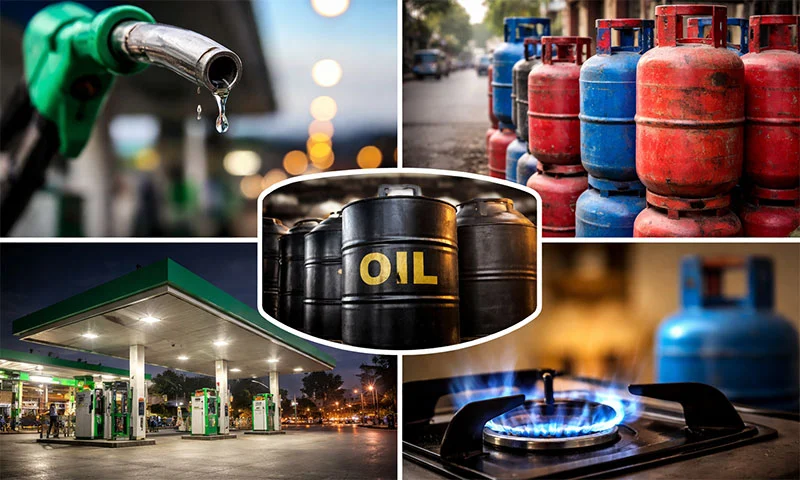
Fuel Crisis Deepens in Pakistan: Petrol, Diesel Hike Expected as LPG Prices Jump 34%
Pakistan is bracing for another surge in fuel costs, with petrol and diesel prices expected to increase in the coming days, while liquefied petroleum gas prices have already witnessed a sharp hike from April 1, adding further pressure on consumers and businesses. The latest developments come amid rising global oil prices and ongoing economic strain linked to international geopolitical tensions, particularly in the Middle East. Petrol, Diesel Prices Expected to Increase According to a report by Dawn, petroleum product prices are likely to go up again within days as the government struggles to sustain heavy subsidies on fuel. Officials have indicated that the current price freeze on petrol and high speed diesel cannot continue for long due to mounting fiscal pressure. The government has been absorbing significant costs to shield consumers, but this approach is becoming increasingly unsustainable. Earlier, Prime Minister Shehbaz Sharif had rejected multiple recommendations to increase fuel prices, including proposals of up to Rs95 per litre for petrol and Rs203 per litre for diesel. Despite these rejections, officials warn that delaying price adjustments could lead to a bigger shock later. One official told Dawn:“You cannot postpone inflation artificially for long; the more you delay price adjustments, the greater pain you build for the future.” Pakistan had already raised petrol and diesel prices by Rs55 per litre earlier in March due to global oil market pressures. Global Factors Driving Fuel Prices The expected increase is largely linked to rising international crude oil prices triggered by geopolitical tensions, particularly conflict involving Iran. Pakistan relies heavily on imported fuel, making domestic prices highly sensitive to global trends. Experts say fluctuations in the US dollar exchange rate and international benchmark prices directly impact local fuel costs. With global markets still volatile, further increases appear likely in the short term. LPG Prices Jump by Over 34% from April 1 While petrol and diesel prices are yet to be revised, the Oil and Gas Regulatory Authority has already notified a significant increase in LPG prices for April. According to the notification reported by The Express Tribune: LPG price increased by Rs78.28 per kg New price set at Rs304.15 per kg 11.8kg domestic cylinder now costs Rs3,588.59, up by Rs923.71 Overall increase stands at 34.66% compared to March The producer price also rose sharply to Rs262,817 per tonne, reflecting global market trends. Why LPG Prices Increased OGRA attributed the increase to international factors, particularly a sharp rise in the Saudi Aramco Contract Price, which went up by around 44%, along with minor currency fluctuations. The regulator also included marketing, distribution, and transportation margins, along with taxes such as GST and petroleum levy, in determining the final consumer price. Impact on Households and Economy The combined effect of rising LPG and expected petrol and diesel hikes is likely to significantly impact inflation: Transport costs may increase immediately Prices of essential goods could rise due to higher logistics costs Low and middle income households will face increased financial pressure LPG is widely used in areas without piped gas supply, making the increase particularly burdensome for rural and lower income households. A Growing Economic Challenge Pakistan’s fuel pricing remains closely tied to global energy markets. While the government has attempted to cushion the impact through subsidies and delayed adjustments, experts warn that these measures cannot continue indefinitely. With LPG prices already surging and petrol and diesel likely to follow, the coming weeks could bring another wave of inflation across the country.
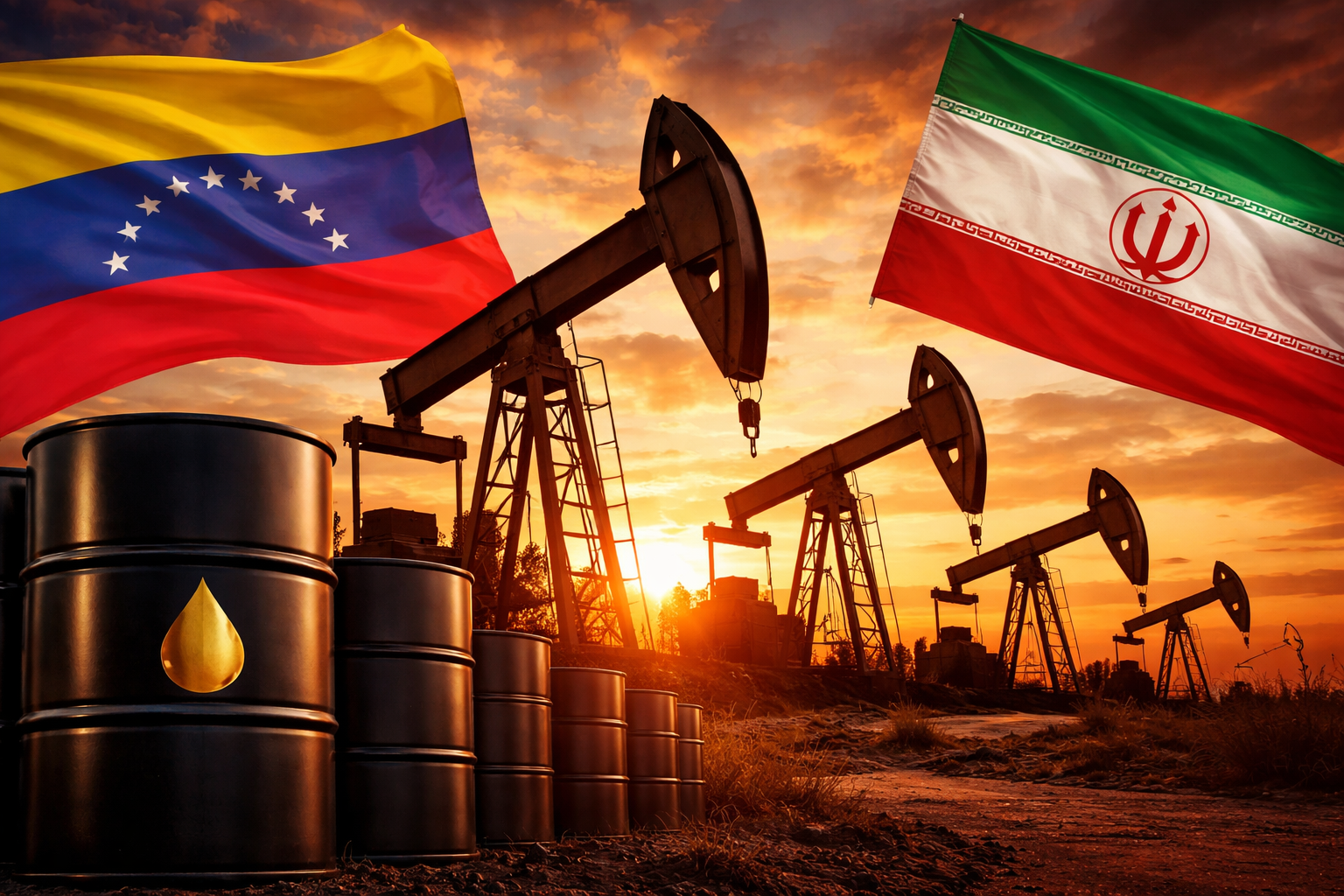
Crude Prices Climb as Venezuelan Oil Export Uncertainty and Iran Unrest Shake Markets
Oil prices climbed for a second straight session on Friday, positioning the market for a third consecutive weekly gain as traders weighed heightened geopolitical risk centered on Venezuela and growing unrest in Iran. Brent crude futures ticked up 0.71% to $62.43 a barrel, while U.S. West Texas Intermediate (WTI) crude rose 0.68% to $58.15 in early European trading. The uptick followed a rebound from recent losses, with Brent on track for about a 2.7% weekly advance and WTI up roughly 1.4% as concerns over future oil supplies intensified. Venezuela in Focus After U.S. Seizure of Maduro Market attention remains sharply focused on Venezuela after the U.S. captured President Nicolás Maduro in a high-profile operation earlier this month. The Trump administration has since signaled it will assert control over Venezuela’s oil production and exports, offering storage crude to global buyers and negotiating with U.S. traders including Chevron, Vitol, and Trafigura to move Venezuelan barrels. Traders say uncertainty about how stored Venezuelan crude will be sold — and whether inventories will be released quickly into the market — is keeping a geopolitical risk premium on oil prices. Iran Unrest Adds to Supply Risk Alongside Venezuelan tensions, unrest across Iran is adding to concerns about potential production disruptions. Nationwide protests over economic conditions have triggered internet blackouts and raised questions about the stability of Iran’s oil output. Analysts caution that unless Iran’s situation worsens significantly, the market’s rebound may prove limited, especially amid other factors weighing on crude. Oversupply and Inventories Still Key Bullish Check Despite geopolitical pressures, global oil inventories remain ample — a factor that could cap further gains in prices. Abundant supply from OPEC+ producers and rising stockpiles in consuming nations continue to exert downward pressure on crude markets. Energy analysts note that while headline risks are rising, structural oversupply and slower demand growth — driven by efficiency gains, alternative energy sources, and evolving consumption patterns — are keeping a lid on a more dramatic price surge. What’s Next for Oil Markets? Traders say the next major market catalysts will include: clarity on how Venezuelan crude will be marketed and delivered, further developments in Iran’s domestic unrest, and U.S. economic data related to oil demand and inventories. Absent significant escalation in supply disruptions, analysts believe the recent rebound may struggle to evolve into a sustained breakout rally.
