
As the Iran war stretches into its third month with no end in sight, Indian Prime Minister Narendra Modi has issued an unusually direct appeal to citizens: spend less, travel less and save fuel as the country braces for mounting economic pressure from soaring energy prices.
Speaking at a public event in Hyderabad, Modi urged Indians to avoid unnecessary foreign holidays, reduce gold purchases, use public transport, work from home when possible and consume less fuel. The message echoed the mass public campaigns seen during the Covid-19 pandemic, but this time the target is economic survival as India struggles to contain pressure on its foreign exchange reserves.
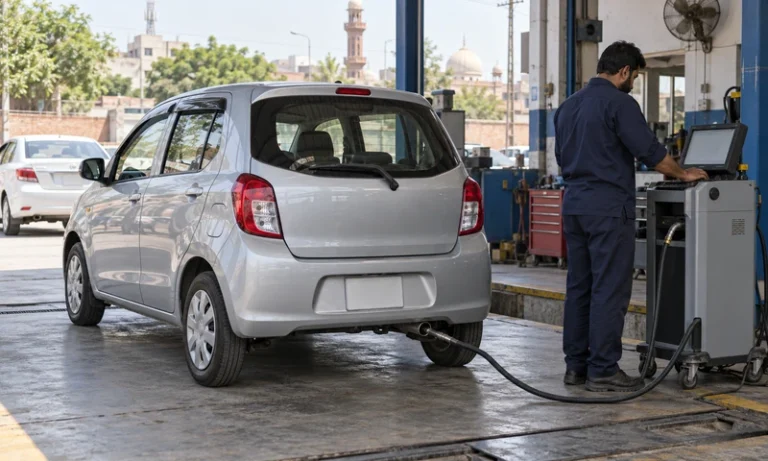
India imports nearly 90% of its crude oil and almost half of its gas requirements. The prolonged closure of the Strait of Hormuz due to the Iran conflict has sharply raised import costs, putting intense pressure on the rupee and government finances.
“What was initially seen as a temporary shock could now turn into a prolonged crisis. If that happens, India could be among the worst-affected economies,” said Rajeswari Sengupta, associate professor at Mumbai’s Indira Gandhi Institute of Development Research.
Veteran banker Uday Kotak warned business leaders that the country must prepare for deeper economic pain. “My view is we should prepare for paranoia before the event,” Kotak said. “We must prepare for the worst.”
He added: “We have not seen the impact in the last two months of the Middle East war in terms of energy price transmission… It’s coming and its coming big and consumers have not felt the pressure at all.”
Dollar Pressure and Weakening Rupee
India’s foreign exchange reserves remain strong at around $690 billion, enough to cover roughly 11 months of imports. Yet economists say pressure is building rapidly as demand for dollars begins to outpace supply.
The country’s reserves have reportedly fallen by nearly $38 billion since the Iran conflict intensified. Rising imports of oil, gas, fertiliser and gold have widened the external payments gap while foreign investment inflows continue to weaken.
According to Japanese brokerage Nomura, India’s fiscal deficit could widen to 4.6% of GDP by March 2027, above the government’s target of 4.3%. The balance of payments gap has already crossed $70 billion.
“Modi’s comments signal that the pressure on the government fiscal finances is reaching a tipping point,” Nomura economists Aurodeep Nandi and Sonal Verma said in a note.
India’s rupee has also emerged as one of Asia’s weakest-performing currencies this year, falling nearly 6-7% against the dollar. Economists say investor sentiment has weakened amid concerns about India’s competitiveness in sectors such as artificial intelligence, renewable energy, semiconductors and electric vehicles.
“In my 30 years of investing, I have never seen such investor indifference toward India,” investor and author Ruchir Sharma said recently.
Fuel Prices Rise as Government Faces Tough Choices
After shielding consumers from higher energy costs for weeks due to state elections, India finally raised petrol and diesel prices on Friday for the first time in four years. Retailers in Delhi increased prices by three rupees per litre, more than a 3% jump.
Meanwhile, the government has sharply raised import duties on gold and silver to 15% in a bid to curb dollar outflows.
Economists say India can no longer fully shield consumers from global energy shocks. Rahul Ahluwalia, founder director of the Foundation for Economic Development, warned that delaying price adjustments could worsen shortages and increase pressure on state finances.
“Consumers cannot and should not be completely insulated from global supply shocks, because that will cause even more pain later,” Ahluwalia told the BBC.
HSBC has already described India’s latest inflation data as the “calm before the climb”, warning that higher fuel costs and extreme weather linked to El Niño could push inflation sharply higher in coming months.
For now, Modi appears to be relying on patriotic restraint to reduce demand and stabilise the economy before the crisis deepens further.