
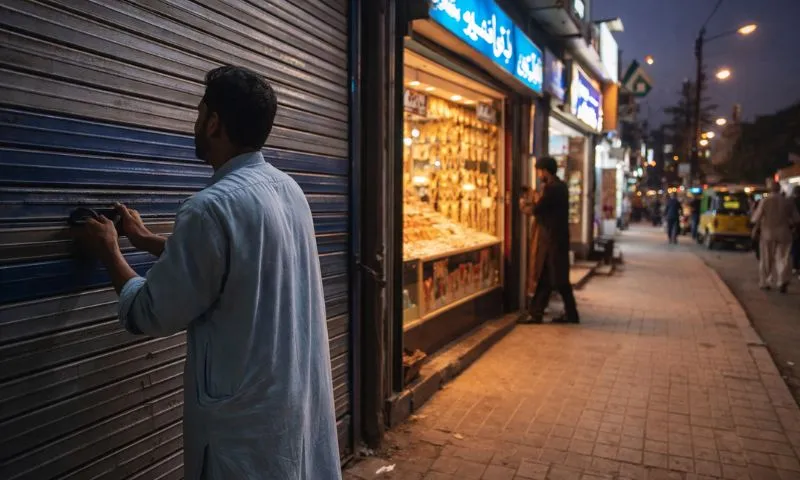
The federal government has ordered the closure of markets and shopping malls across most of Pakistan by 8pm, as part of a nationwide effort to conserve energy amid rising fuel costs linked to the ongoing Middle East crisis. The decision was taken during a high-level meeting chaired by Prime Minister Shehbaz Sharif, where officials reviewed energy conservation and austerity measures in light of escalating global oil prices. Under the new directive, markets in Punjab, Balochistan, Islamabad, Gilgit-Baltistan, Azad Jammu and Kashmir and most parts of Khyber Pakhtunkhwa will close by 8pm starting April 7. However, Sindh has been exempted for now, with consultations still ongoing between the provincial government and business stakeholders regarding appropriate timings. New restrictions extend to restaurants, wedding halls and commercial activity The government has also imposed additional restrictions on commercial activity to further reduce energy consumption. According to the Prime Minister’s Office, bakeries, restaurants, tandoors and other food outlets will be required to close by 10pm, while marriage halls, marquees and similar venues hosting events must also shut operations by the same time. Wedding functions at private homes will not be allowed beyond 10pm, as authorities attempt to curb electricity use during peak evening hours. Medical stores and pharmacies, however, have been exempted from these restrictions to ensure uninterrupted access to essential services. In Khyber Pakhtunkhwa, a limited relaxation has been granted, allowing markets in divisional headquarters to remain open until 9pm, following consultations with the provincial government. Officials said the measures would be strictly enforced, with provincial administrations and law enforcement agencies tasked with ensuring compliance. Read More: IMF Demands Fuel Reforms: What It Means for Millions of Pakistanis Energy crisis driven by global tensions The move comes against the backdrop of a deepening energy crisis triggered by rising global oil prices and supply disruptions linked to tensions in the Middle East. The ongoing conflict has affected shipping routes through the Strait of Hormuz, a critical corridor for global oil supplies, leading to sharp increases in fuel prices and creating pressure on import-dependent economies such as Pakistan. Authorities say the early closure of markets is part of a broader strategy to reduce electricity consumption, control production costs and manage the economic impact of the crisis. The government has also introduced additional measures, including targeted fuel subsidies and austerity initiatives, to shield lower-income groups from the effects of rising energy costs. Prime Minister Shehbaz Sharif thanked provincial governments for reaching consensus on what he described as a decision of “national importance,” and expressed hope that Sindh would soon align with the policy after consultations. While officials frame the move as necessary, business groups have expressed concern over reduced operating hours and potential losses, particularly during peak evening shopping periods. For now, the government appears focused on immediate energy savings as Pakistan navigates the economic fallout of global fuel volatility. Read More: Fuel Crisis Deepens in Pakistan: Petrol, Diesel Hike Expected as LPG Prices Jump 34%
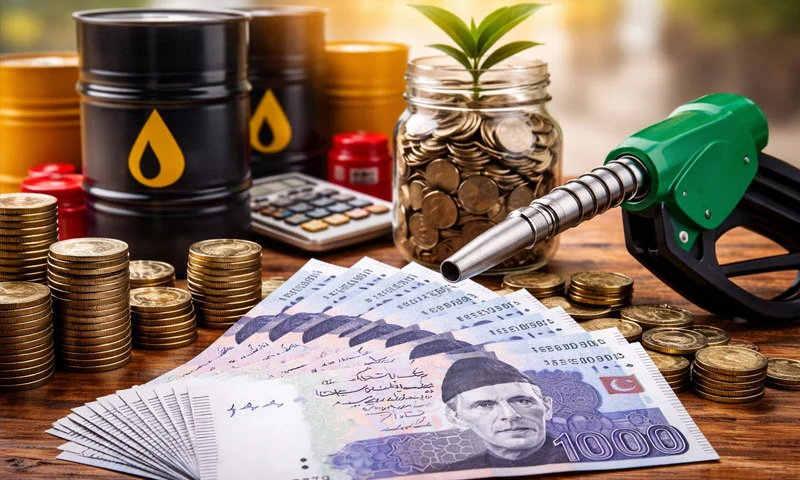
Rs378 Petrol Explained: How Much Goes to Taxes and Profits
Pakistan’s petrol price currently stands at Rs378 per litre after the government announced a major reduction of Rs80 per litre in the petroleum levy. The revised rate came into effect on April 4, 2026, offering temporary relief to consumers following a sharp spike that had pushed prices above Rs458 per litre just a day earlier. The earlier hike was driven by rising global oil prices amid geopolitical tensions, which significantly increased the cost of fuel imports and domestic pricing pressure. Nearly Half the Price Was Taxes and Margins Before the price cut, a detailed breakdown revealed that out of Rs458.41 per litre, around Rs211.26 was made up of taxes, duties, and profit margins. This accounted for nearly 46 percent of the total petrol price, highlighting the heavy burden of non-fuel costs on consumers. The structure showed that a large portion of what motorists paid was not for the actual fuel itself but for government levies, transportation costs, and industry profits. Key Components of Petrol Pricing The pricing structure included multiple elements, starting with the ex-refinery price, which stood at Rs247.15 per litre. On top of that, the petroleum levy alone was Rs160.61, making it the largest single component before the reduction. Additional costs included customs duty, climate support levy, inland freight charges, and profit margins for oil marketing companies and petrol pump dealers. These combined charges significantly increased the final price paid by consumers at the pump. Impact of the Rs80 Reduction Following the government’s decision to cut the petroleum levy by Rs80, the levy component dropped to around Rs80.61 per litre. This brought the total burden of taxes, duties, freight, and margins down to approximately Rs131.26 per litre. Despite this reduction, these additional charges still make up nearly 35 percent of the current Rs378 petrol price, meaning a significant portion of the cost is still not tied to the base fuel price. Relief for Consumers but Structural Issues Remain While the price cut has provided short-term relief, the underlying structure of fuel pricing in Pakistan remains largely unchanged. Consumers are still paying over Rs80 per litre as petroleum levy alone, with total non-fuel charges exceeding Rs130 per litre. Experts note that this reflects the government’s reliance on petroleum levies as a key source of revenue, especially during periods of economic stress. Diesel Prices Remain Unchanged Unlike petrol, the price of high-speed diesel has not been reduced and remains at Rs520.35 per litre. Although diesel does not carry a petroleum levy, consumers still pay around Rs59 per litre in taxes and margins, including customs duty, freight charges, and dealer commissions. This means diesel users continue to face high costs despite the absence of a major levy component. Bigger Picture: Why Petrol Remains Expensive The latest revision highlights how central taxes and levies have become in determining fuel prices in Pakistan. Even after a significant reduction, petrol prices continue to carry a heavy tax component, reflecting broader fiscal challenges and dependence on fuel-related revenue streams. With global oil markets remaining volatile, analysts warn that any future increase in crude prices could again push local fuel prices upward, unless structural changes are introduced in the pricing mechanism.
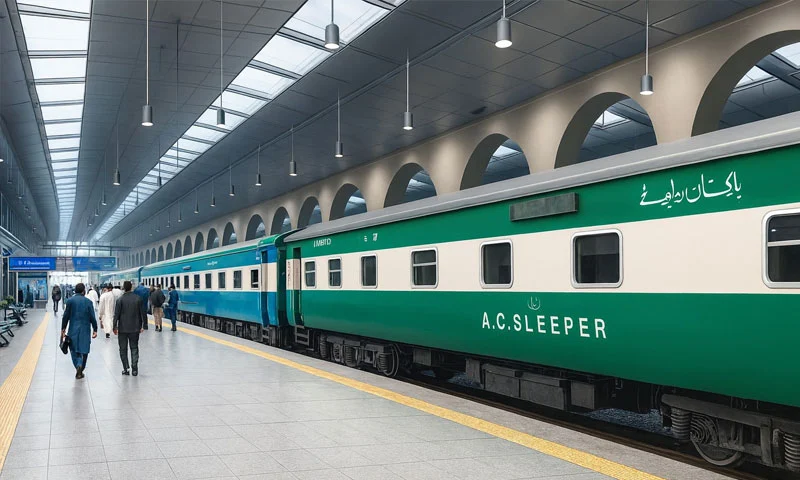
Government Decides Not to Increase Pakistan Railway Fares Despite Fuel Price Surge
The federal government has decided to keep train fares unchanged despite a sharp rise in fuel prices, in a move aimed at protecting passengers from further financial pressure. The decision comes at a time when petrol and diesel prices have surged significantly, increasing the cost of transportation across the country. Officials confirmed that passenger train fares will remain frozen, with the government choosing to absorb the additional financial burden instead of passing it on to commuters. Relief Amid Fuel Price Surge The move is part of a broader relief strategy designed to ease the impact of rising fuel costs on ordinary citizens. With fuel prices climbing due to global market pressures and domestic adjustments, transport fares across the country have already been increasing, affecting daily commuters and low income groups. By freezing train fares, authorities aim to provide an affordable travel option, especially for those who rely on railways for long distance journeys. Officials said the decision would help maintain accessibility and prevent further inflationary pressure on essential travel. Government to Bear Financial Burden To sustain the decision, the government has committed to covering the additional operational costs incurred by Pakistan Railways due to higher diesel prices. Reports indicate that billions of rupees will be allocated to compensate for the shortfall created by the fare freeze. This approach reflects a shift toward targeted relief measures, where the state absorbs part of the cost to ensure public services remain affordable during economic stress. The decision marks a reversal from earlier trends, when Pakistan Railways had increased fares following fuel price hikes. In March, fares for passenger and freight trains were raised after diesel prices surged, adding to the financial burden on travelers. The latest move signals a policy change, prioritising public relief over cost recovery in the short term. Experts say freezing train fares could help stabilize transportation costs and reduce pressure on prices of essential goods, as railways play a key role in both passenger travel and freight movement. Maintaining stable fares may also encourage more people to shift from road to rail transport, which is often more cost effective and fuel efficient. At a time when inflation remains high, such measures are seen as crucial in supporting household budgets. The fare freeze is part of a wider set of relief initiatives being implemented across Pakistan in response to the ongoing fuel crisis. Governments at both federal and provincial levels have announced subsidies and support packages targeting transport, agriculture and low income groups. Officials have indicated that these measures are temporary and may be reviewed once fuel prices stabilize and economic conditions improve.
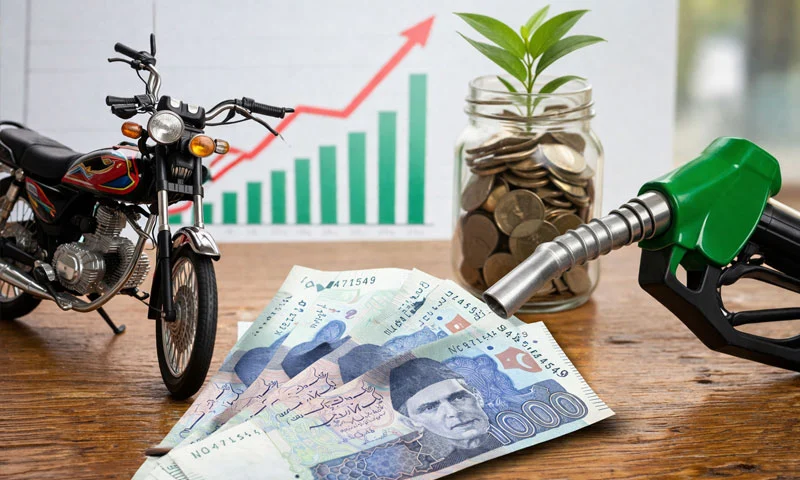
Sindh Government Announces Rs2,000 Monthly Petrol Subsidy for Motorcyclists
The Sindh government has announced a monthly petrol subsidy of Rs2,000 for registered motorcyclists in a major relief measure aimed at easing the burden of rising fuel prices. The decision comes at a time when petrol costs in Pakistan have surged sharply, putting pressure on daily commuters and low income households. Chief Minister Murad Ali Shah made the announcement during a press conference, stating that the subsidy is part of a targeted strategy to support those most affected by the recent price hikes. He acknowledged that difficult economic decisions had been taken but emphasized that the government is now focusing on providing direct relief to citizens. Who Will Get the Subsidy The subsidy will be provided to motorcyclists whose vehicles are properly registered in their own name. Authorities have clarified that only those individuals whose motorcycles are linked to their CNIC will be eligible to receive the financial assistance. Officials noted that Sindh has millions of registered motorcycles, many of which are not in the actual owner’s name. To address this, the government has also removed motorcycle transfer fees to encourage people to register vehicles correctly and become eligible for the subsidy. How the Registration Process Will Work The government is preparing to launch a digital registration system, expected to go live within a few days of the announcement. Applicants will be required to enter their CNIC details into the system, which will verify ownership through official databases. Once verified, eligible applicants will also need to provide their bank account details, including IBAN, so that the subsidy can be transferred directly to them. Payments are expected to begin soon after the registration process is completed. Direct Cash Transfer Model Unlike previous subsidy models where fuel prices were reduced at the pump, this initiative will provide direct cash transfers to beneficiaries. Each eligible motorcyclist will receive Rs2,000 per month, ensuring transparency and reducing the chances of misuse. Officials have indicated that the subsidy may initially be rolled out as a trial program for a limited period before being expanded or adjusted based on results. Part of Broader Fuel Relief Strategy The subsidy is part of a wider relief plan being implemented across Pakistan in response to the ongoing fuel crisis. Authorities have also announced support measures for farmers and transport operators, highlighting a shift toward targeted subsidies rather than blanket relief. The move follows significant increases in petrol prices, which have risen sharply in recent weeks due to higher global oil costs and domestic fiscal adjustments. Focus on Targeted Subsidies Officials say the new system is designed to ensure that financial support reaches those who truly need it. By linking subsidies to CNIC and vehicle ownership, the government aims to create a transparent and efficient mechanism for distributing relief. The initiative reflects a broader policy shift toward digitization and targeted welfare programs, especially under economic constraints that limit the government’s ability to provide universal subsidies.
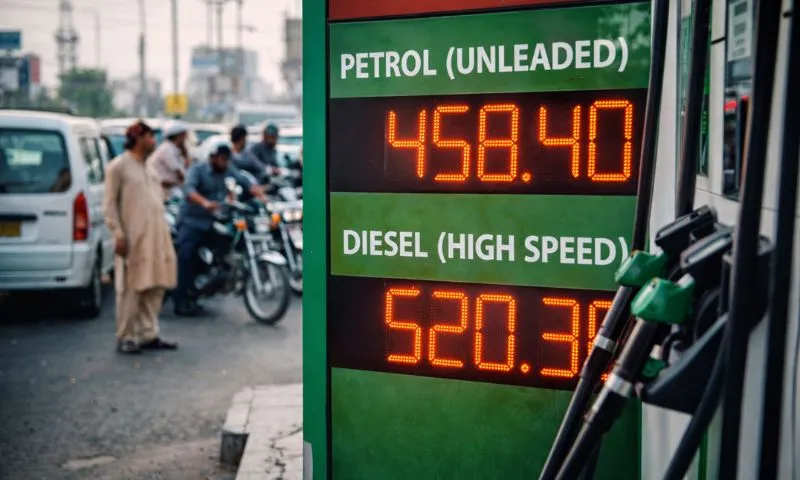
Transport, Food and Bills Set to Rise After Petrol Increase to Rs458 in Pakistan
Fuel prices in Pakistan have surged dramatically after the government withdrew its blanket subsidy on petroleum products, pushing petrol prices up by more than Rs130 per litre to around Rs458.40, while high-speed diesel has climbed to approximately Rs520.35 per litre. The increase represents one of the steepest hikes in recent years, with petrol rising by about 42.7% and diesel by nearly 55%, according to market estimates. The move comes as global oil prices surge due to escalating tensions in the Middle East, particularly disruptions linked to the Iran conflict. Subsidy Ends, Real Prices Passed to Consumers The government had been artificially controlling fuel prices by absorbing rising international costs through heavy subsidies. However, officials confirmed that continuing this policy had become financially impossible. Finance Minister Muhammad Aurangzeb acknowledged that over Rs129 billion had already been spent to keep prices stable in recent weeks. He said, “Since the resources are limited… there was no way to continue with a blanket subsidy.” Petroleum Minister Ali Pervaiz Malik also defended the decision, stating, “It was inevitable to raise the prices due to the international market prices going out of control.” With the subsidy removed, Pakistan’s fuel prices are now directly linked to global oil markets, meaning any further international increase will immediately impact domestic consumers. Read More: Fuel Crisis Deepens in Pakistan: Petrol, Diesel Hike Expected as LPG Prices Jump 34% Immediate Impact on People as Transport Costs Surge The immediate impact of the fuel hike will be felt in everyday commuting and household expenses. For example, a motorcyclist using 10 to 12 litres per week will now spend an additional Rs1,300 to Rs1,600 weekly. Car owners, depending on usage, could see their monthly fuel bills rise by Rs10,000 to Rs20,000. Public transport fares are expected to increase within days. Bus operators, rickshaw drivers and ride-hailing services typically pass on fuel cost increases quickly, which will directly affect students, office workers and low-income groups. For households already struggling with inflation, this means reduced spending power and difficult choices between fuel, food and other essentials. Prices of Food and Essentials Set to Rise The fuel price increase is expected to trigger a second wave of inflation through higher logistics costs. Pakistan’s supply chain is heavily dependent on diesel-powered transport. With diesel now above Rs520 per litre, the cost of transporting goods has increased sharply. This will likely lead to: Higher vegetable and fruit prices due to increased transport costs from farms to cities Rising flour and wheat prices as distribution becomes more expensive Increased cost of packaged goods and groceries Retailers and wholesalers are expected to pass these costs onto consumers, meaning the real impact of the fuel hike will be felt more strongly in the coming weeks. Businesses and Economy Under Pressure Industries and businesses will also come under pressure as operational costs increase. Transport companies and freight operators will raise delivery charges, which will impact manufacturers, retailers and exporters. Small businesses, especially those dependent on daily logistics, may struggle to absorb these costs. For example: Delivery services may increase charges or reduce coverage Small factories may cut production to manage rising expenses Retail shops may increase prices or reduce inventory Economists warn that such pressures could slow economic activity and reduce profit margins across multiple sectors. Inflation Risks Grow Economists say the fuel price hike will contribute significantly to inflation, which is already a major concern in Pakistan. Higher fuel prices increase the cost of almost everything in the economy, from transportation to electricity generation and manufacturing. This could lead to: Higher Consumer Price Index levels Increased cost of living for urban and rural households Greater financial pressure on fixed-income groups The State Bank and economic planners may also face new challenges in controlling inflation while maintaining growth. Global Crisis Behind the Price Shock The surge in fuel prices is closely tied to global developments, particularly the ongoing conflict involving Iran, the United States and Israel. Oil shipments through the Strait of Hormuz have been disrupted, tightening global supply. Nearly 20% of the world’s oil passes through this route, making any instability highly impactful. As global oil prices rise, import-dependent countries like Pakistan face immediate consequences, as they rely heavily on fuel imports from the Middle East. Read More: Oil Price Hits $107 as Trump Signals More Strikes on Iran Shift Toward Targeted Subsidies To offset the impact, the government has announced a shift from blanket subsidies to targeted relief. Officials say support will focus on: Motorcyclists and low-income commuters Public transport sector Small farmers However, experts argue that targeted subsidies may not fully compensate for the broader economic impact, especially as inflation spreads across multiple sectors. A Price Hike With Long-Term Consequences The current fuel price surge is not just a temporary adjustment but a structural shift in how energy prices are managed in Pakistan. With subsidies removed and global uncertainty continuing, fuel prices may remain volatile, creating long-term challenges for both policymakers and the public. For millions of Pakistanis, this is more than just a price increase. It is a direct and lasting impact on their daily lives, purchasing power and economic stability.
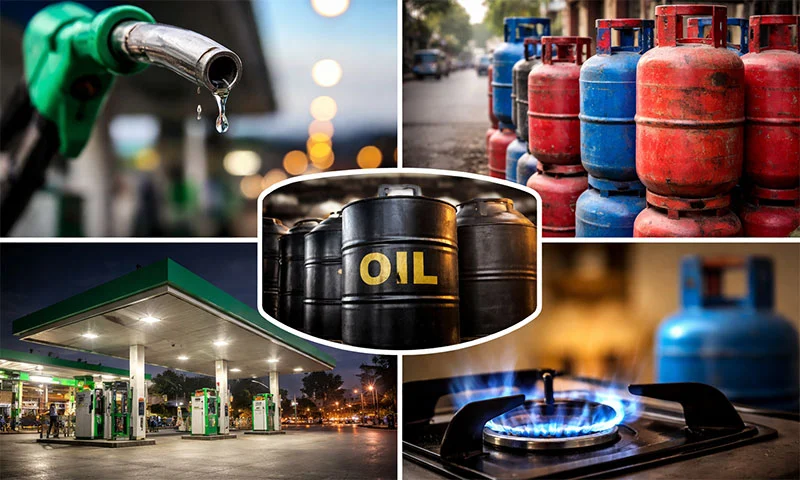
Fuel Crisis Deepens in Pakistan: Petrol, Diesel Hike Expected as LPG Prices Jump 34%
Pakistan is bracing for another surge in fuel costs, with petrol and diesel prices expected to increase in the coming days, while liquefied petroleum gas prices have already witnessed a sharp hike from April 1, adding further pressure on consumers and businesses. The latest developments come amid rising global oil prices and ongoing economic strain linked to international geopolitical tensions, particularly in the Middle East. Petrol, Diesel Prices Expected to Increase According to a report by Dawn, petroleum product prices are likely to go up again within days as the government struggles to sustain heavy subsidies on fuel. Officials have indicated that the current price freeze on petrol and high speed diesel cannot continue for long due to mounting fiscal pressure. The government has been absorbing significant costs to shield consumers, but this approach is becoming increasingly unsustainable. Earlier, Prime Minister Shehbaz Sharif had rejected multiple recommendations to increase fuel prices, including proposals of up to Rs95 per litre for petrol and Rs203 per litre for diesel. Despite these rejections, officials warn that delaying price adjustments could lead to a bigger shock later. One official told Dawn:“You cannot postpone inflation artificially for long; the more you delay price adjustments, the greater pain you build for the future.” Pakistan had already raised petrol and diesel prices by Rs55 per litre earlier in March due to global oil market pressures. Global Factors Driving Fuel Prices The expected increase is largely linked to rising international crude oil prices triggered by geopolitical tensions, particularly conflict involving Iran. Pakistan relies heavily on imported fuel, making domestic prices highly sensitive to global trends. Experts say fluctuations in the US dollar exchange rate and international benchmark prices directly impact local fuel costs. With global markets still volatile, further increases appear likely in the short term. LPG Prices Jump by Over 34% from April 1 While petrol and diesel prices are yet to be revised, the Oil and Gas Regulatory Authority has already notified a significant increase in LPG prices for April. According to the notification reported by The Express Tribune: LPG price increased by Rs78.28 per kg New price set at Rs304.15 per kg 11.8kg domestic cylinder now costs Rs3,588.59, up by Rs923.71 Overall increase stands at 34.66% compared to March The producer price also rose sharply to Rs262,817 per tonne, reflecting global market trends. Why LPG Prices Increased OGRA attributed the increase to international factors, particularly a sharp rise in the Saudi Aramco Contract Price, which went up by around 44%, along with minor currency fluctuations. The regulator also included marketing, distribution, and transportation margins, along with taxes such as GST and petroleum levy, in determining the final consumer price. Impact on Households and Economy The combined effect of rising LPG and expected petrol and diesel hikes is likely to significantly impact inflation: Transport costs may increase immediately Prices of essential goods could rise due to higher logistics costs Low and middle income households will face increased financial pressure LPG is widely used in areas without piped gas supply, making the increase particularly burdensome for rural and lower income households. A Growing Economic Challenge Pakistan’s fuel pricing remains closely tied to global energy markets. While the government has attempted to cushion the impact through subsidies and delayed adjustments, experts warn that these measures cannot continue indefinitely. With LPG prices already surging and petrol and diesel likely to follow, the coming weeks could bring another wave of inflation across the country.
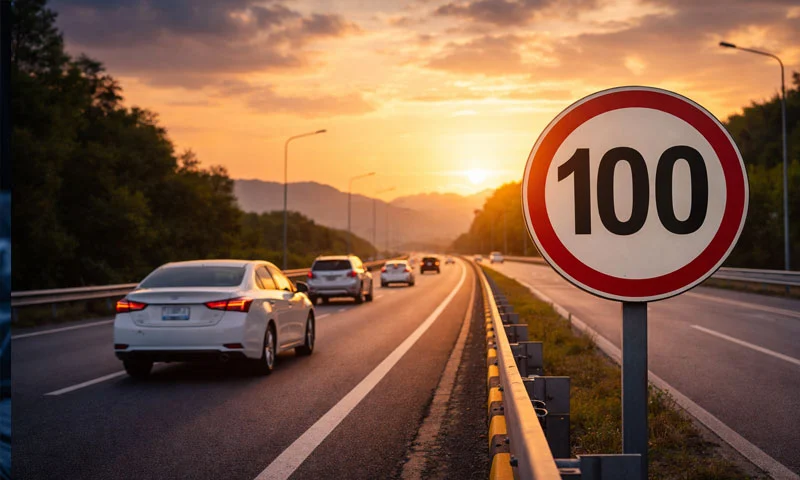
Pakistan Enforces New Speed Limits on Motorways and Highways as Part of Fuel Management Plan
Pakistan has enforced new speed limits on motorways and national highways as part of a broader strategy to conserve fuel and manage rising energy costs. The move comes amid increasing pressure on fuel imports and a nationwide push for austerity. Under the revised rules, the maximum speed for cars and light transport vehicles on motorways has been reduced from 120 km/h to 100 km/h. On national highways, the speed limit for these vehicles has been lowered from 100 km/h to 80 km/h. Lower Limits for Buses and Heavy Vehicles The government has also tightened limits for public service and heavy transport vehicles. On motorways, buses and heavy vehicles are now restricted to 90 km/h, down from 110 km/h. On highways, their speed limit has been reduced to 65 km/h from the previous 80 km/h. Officials say these changes aim to reduce fuel consumption and improve road safety across the country. Strict Enforcement and Fines Begin Authorities have started strict enforcement of the new rules. Motorway Police have already issued fines to drivers exceeding the updated limits. In one reported case, a driver was fined Rs2,500 for driving at 115 km/h on a motorway. Officials have warned that violations will continue to result in penalties, especially during the busy travel season. Fuel Crisis Drives Policy Shift The reduction in speed limits is directly linked to Pakistan’s ongoing fuel crisis. The country relies heavily on imported oil, and recent global tensions have pushed up fuel prices significantly. Lower driving speeds are expected to improve fuel efficiency and reduce overall consumption. Experts say that even a small reduction in speed can lead to noticeable fuel savings over long distances. Impact on Travel and Commuters The new limits are expected to increase travel time slightly, especially on long motorway routes such as Lahore to Islamabad or Karachi to Hyderabad. However, authorities argue that the benefits of reduced fuel use and improved safety outweigh the inconvenience. The policy also comes ahead of peak travel periods like Eid, when millions of Pakistanis travel between cities. A Wider Push for Energy Conservation The speed limit changes are part of a larger set of measures introduced by the government to manage fuel demand. Other steps include reducing public sector energy use and promoting efficient transport practices. The National Highways and Motorway Police has urged drivers to comply with the new rules and contribute to national fuel conservation efforts.
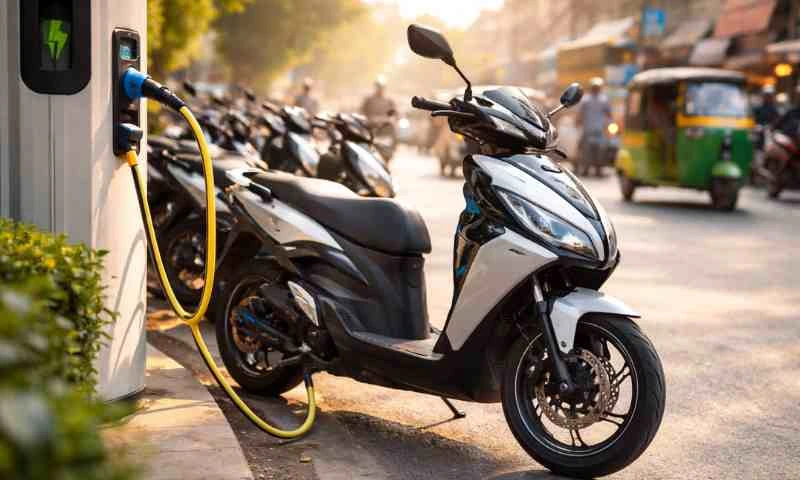
Rising Petrol Prices Drive Surge in Demand for Electric Bikes in Pakistan
As petrol prices continue to climb across Pakistan, consumers are increasingly turning toward electric bikes as a cost-effective alternative for daily commuting. The shift reflects changing mobility trends, especially in urban areas where fuel expenses have become a major burden. Petrol Prices Push Commuters Toward Alternatives Pakistan has witnessed a steady rise in petrol prices in recent months, significantly increasing transportation costs for millions of citizens. This has directly impacted motorcycle users, who rely on fuel for everyday travel. According to reports, this surge has triggered a noticeable rise in interest in electric bikes, with more people exploring options that can reduce their daily expenses. The growing demand is particularly visible among delivery riders, students, and office workers who are most affected by fuel price hikes. Industry observers note that even a small increase in petrol prices can have a large impact on monthly budgets, making electric alternatives more appealing. Electric Bikes Gain Momentum Electric bikes are emerging as a practical solution due to their lower running costs and minimal maintenance requirements. Unlike petrol bikes, they do not require frequent refuelling and can be charged at home, significantly cutting expenses. Manufacturers and dealers have also reported increased inquiries and sales as consumers look for long-term savings. Some companies have even introduced new models and promotional offers to capitalize on the growing demand. Experts say that while the initial cost of electric bikes may be higher, the savings on fuel and maintenance make them more economical over time. Challenges Slowing Adoption Despite the rising interest, several challenges continue to slow the widespread adoption of electric bikes in Pakistan. One major issue is the lack of charging infrastructure, especially outside major cities. Additionally, concerns about battery life, performance, and resale value remain key factors for buyers. Many consumers are still hesitant to switch fully due to limited awareness and uncertainty about long-term reliability. Experts also highlight that electricity supply issues in some areas could pose further challenges for electric vehicle adoption. Government Policy and Future Outlook Pakistan’s National Electric Vehicle Policy aims to increase the share of electric vehicles in the country, targeting 50 percent of two and three-wheelers to be electrified in the coming years. With incentives, subsidies, and local manufacturing initiatives in place, the government is trying to accelerate the transition toward cleaner and more sustainable transport solutions. Industry analysts believe that rising petrol prices will continue to act as a key driver for this shift. As awareness grows and technology improves, electric bikes are expected to become more accessible and widely adopted. A Shift in Urban Mobility The growing demand for electric bikes signals a broader transformation in Pakistan’s transportation landscape. As fuel costs rise and environmental concerns increase, more consumers are rethinking their mobility choices. While challenges remain, the current trend suggests that electric bikes could play a crucial role in shaping the future of urban transport in Pakistan.

Pakistan Considers Four-Day Workweek Amid Fuel Crisis Fears
Pakistan’s government is considering introducing a four-day workweek with reduced office hours as part of emergency energy conservation measures amid fears of fuel supply disruptions linked to the crisis in the Middle East. The proposal was discussed during a meeting of a special committee monitoring petroleum supplies chaired by Finance Minister Muhammad Aurangzeb. Officials said the committee examined several options to reduce the consumption of petrol, diesel and liquefied natural gas as global prices surge due to tensions in the Gulf region. The move comes as disruptions around the Strait of Hormuz threaten global oil shipments and create uncertainty about future supply. The committee is expected to present its recommendations to Prime Minister Shehbaz Sharif before a final decision is taken by the Economic Coordination Committee of the cabinet. Online Schooling Also Under Consideration Alongside the shorter workweek, officials are considering shifting educational institutions to virtual learning, similar to the arrangements used during the Covid-19 pandemic. The aim is to reduce daily commuting and lower fuel consumption nationwide. Government officials said the committee discussed nearly a dozen conservation proposals. These measures are designed to reduce demand for petroleum products if supply pressures worsen. However, members of the committee were divided over how quickly such steps should be implemented. Some officials warned that aggressive measures such as reduced working days could create panic among the public and trigger unnecessary fuel hoarding. Others argued that delaying action could reduce national reserves if supply disruptions intensify. National Fuel Stocks Under Pressure Pakistan currently holds petroleum reserves sufficient for roughly 25 to 28 days of national consumption, according to officials briefed during the meeting. Two crude oil cargoes have already been delayed due to shipping disruptions in the Gulf. The government is therefore exploring alternative supply routes and negotiating with regional partners to maintain imports. Authorities said discussions are ongoing with energy suppliers in Saudi Arabia, Oman and the United Arab Emirates to secure additional crude shipments and maintain existing supply arrangements. Officials from Pakistan State Oil and domestic refineries are also coordinating with foreign suppliers to ensure uninterrupted fuel availability. Government Plans to Prevent Hoarding The government has simultaneously ordered provincial administrations to conduct inspections of petrol stations and storage facilities to prevent illegal hoarding and profiteering. Authorities say strict monitoring will help maintain stable fuel distribution and prevent panic buying during the ongoing crisis. Officials stressed that there is currently no immediate shortage of petroleum products and urged consumers to avoid unnecessary stockpiling. Rising Global Energy Prices Add Pressure Energy experts say Pakistan could face higher fuel costs even if supplies remain stable. The committee was informed that the price of an LNG cargo has already surged to about $70 million compared with around $30 million before the conflict. If global energy volatility continues, authorities may consider shifting petroleum price reviews from a fortnightly system to weekly adjustments to better reflect market changes. Despite the uncertainty, the government says its priority remains ensuring uninterrupted fuel availability while managing consumption efficiently through conservation measures.
