
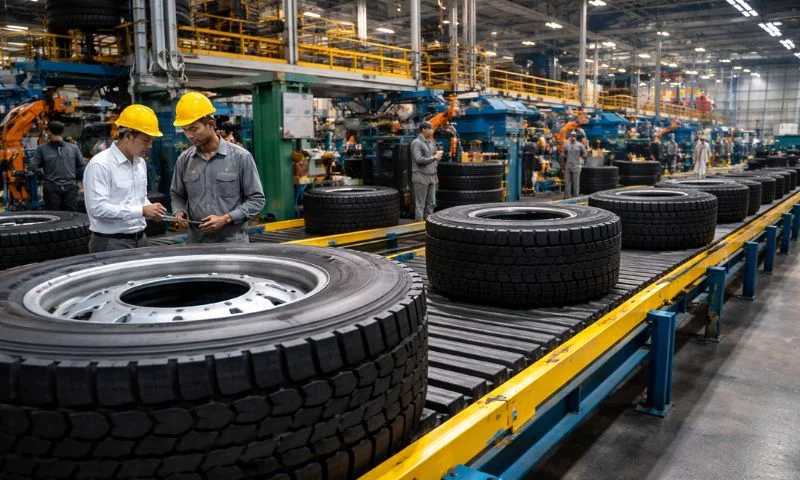
A China-backed joint venture has announced plans to invest $120 million to expand its tyre manufacturing operations in Pakistan, signaling renewed foreign investor confidence in the country’s industrial sector amid improving economic indicators. The announcement was made by Jin Yongsheng, chairman of Service Long March Tyres (Private) Limited, during meetings with senior Pakistani officials, including Commerce Minister Jam Kamal and Prime Minister Shehbaz Sharif in Islamabad. The company aims to scale up production capacity and increase exports to more than $100 million in the next fiscal year, reflecting a broader push to strengthen Pakistan’s manufacturing base and tap into regional and global markets. Expansion plans and export ambitions Officials said the investment would focus on enhancing production facilities, improving technology and increasing output to meet both domestic and export demand. During the meeting with Prime Minister Shehbaz Sharif, the delegation discussed plans for expansion, export growth and the need for tariff policy support to strengthen Pakistan’s tyre industry. Jin Yongsheng praised Pakistan’s “investor-friendly environment” and government policies, highlighting the country’s potential as a manufacturing hub for regional markets. Industry analysts say the move aligns with Pakistan’s broader strategy to attract foreign direct investment, particularly from China under ongoing economic cooperation frameworks. The tyre sector, which supports the country’s automotive and logistics industries, has seen increasing demand due to rising vehicle usage and infrastructure development. With improved production capacity, local manufacturers are also looking to reduce reliance on imports while boosting exports. Growing industrial confidence The announcement comes at a time when Pakistan is seeking to stabilize its economy and encourage industrial growth through foreign partnerships and export-oriented policies. Recent data suggests that Pakistan’s manufacturing sector is gradually recovering, supported by policy reforms, exchange rate stability and targeted incentives for exporters. Experts note that Chinese firms continue to play a key role in Pakistan’s industrial development, particularly in sectors such as energy, infrastructure and manufacturing. The latest investment is seen as part of this broader trend. However, challenges remain, including energy costs, policy consistency and global economic uncertainty, which could affect investor sentiment and export performance. Still, government officials have expressed optimism that such investments will help generate employment, improve industrial output and strengthen Pakistan’s position in global supply chains. As the country looks to boost exports and reduce its trade deficit, investments like the planned expansion by Service Long March Tyres are expected to play a crucial role in driving sustainable economic growth.
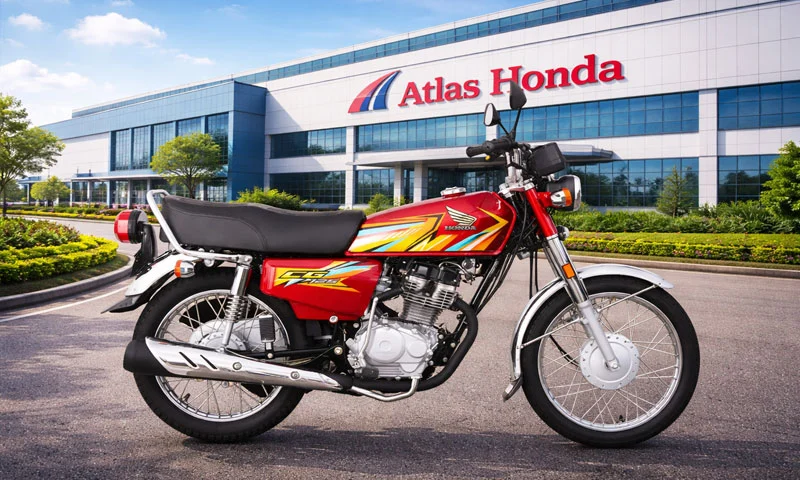
Honda Announces Bold $20M Investment in Pakistan’s Bike Market
Atlas Honda Limited has announced a major expansion plan, approving a capital investment of approximately $20 million to increase its motorcycle production capacity and improve operational efficiency in Pakistan. The decision was disclosed in a notice submitted to the Pakistan Stock Exchange, where the company confirmed that its board had approved a capital expenditure of Rs5.3 billion for the upcoming financial year. Expansion to Boost Production Capacity According to the company, the investment will focus on enhancing manufacturing capacity, automation, and overall productivity. The expansion is expected to significantly increase Atlas Honda’s annual production capacity to two million units. “This investment will be made to enhance capacity, automation and productivity,” the company stated in its official communication. Industry analysts say this marks a major expansion of roughly 39 percent, which is likely to support future earnings growth and strengthen the company’s market position. Strengthening Market Leadership Atlas Honda is one of Pakistan’s leading motorcycle manufacturers and a joint venture between the Atlas Group and Honda Motor Company of Japan. Established in 1962, the company has maintained a dominant share in the local two-wheeler market for decades. The company primarily manufactures and markets motorcycles and spare parts, catering to a wide customer base across Pakistan. Its strong distribution network and brand reputation have helped it remain resilient even during periods of economic slowdown. Experts believe the expansion comes at a time when demand for motorcycles is gradually recovering after a slowdown caused by inflation, rising interest rates, and declining consumer purchasing power. Responding to Growing Demand Pakistan’s motorcycle market remains one of the largest in the region, driven by the need for affordable transportation solutions. With rising fuel prices and increasing urban congestion, two-wheelers are becoming an increasingly popular option for daily commuters. The expansion is expected to help Atlas Honda meet growing demand while improving production efficiency and reducing operational costs. Industry observers note that automation upgrades could also improve product quality and reduce dependency on manual processes, aligning the company with global manufacturing standards. Industry Outlook and Challenges Despite the positive outlook, the motorcycle industry in Pakistan continues to face several challenges, including high production costs, currency fluctuations, and import restrictions on raw materials. At the same time, the sector is undergoing gradual transformation, with discussions around electric bikes and fuel-efficient alternatives gaining momentum. While Atlas Honda has yet to make a major move into electric mobility, analysts believe such investments could position the company to adapt to future market shifts. Economic Impact The investment is expected to have a broader economic impact by supporting industrial growth, creating employment opportunities, and strengthening the local manufacturing sector. It also reflects renewed business confidence in Pakistan’s industrial landscape, even as the economy navigates external pressures and global uncertainties. As Atlas Honda moves forward with its expansion plans, the company aims to consolidate its leadership in the motorcycle market while preparing for evolving consumer demands and technological advancements.
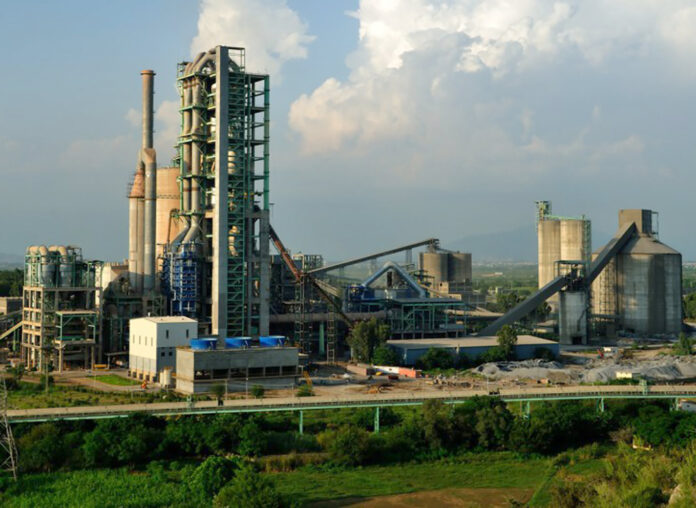
Pakistan Cement Industry Growth: DGKC’s 11,000 TPD Clinker Line Signals Big Gains Ahead
Pakistan’s cement industry is gearing up for a major transformation as D.G. Khan Cement Company (DGKC) announced plans to build the largest single clinker production line in the country. The ground-breaking initiative will significantly boost the company’s production capacity and modernise its manufacturing footprint, reinforcing Pakistan’s position as a regional leader in cement manufacturing. The key ingredient in cement, clinker is essential for meeting rising demand across residential and infrastructure projects nationwide. DGKC’s new clinker line will have a capacity of 11,000 tonnes per day (TPD), a remarkable scale compared with existing facilities. Once fully operational, the plant will contribute to increased domestic output, helping stabilise prices and reduce reliance on imports of clinker and other raw materials. The company has already issued a letter of credit (LC) for critical machinery and equipment, signalling that procurement and project mobilisation are underway. Executives at DGKC say the investment reflects confidence in Pakistan’s construction sector and long-term economic prospects. Cement demand remains robust due to ongoing public works, housing projects and the China-Pakistan Economic Corridor (CPEC) initiatives. A higher clinker production rate helps the company achieve economies of scale, lower per-unit costs, and improve competitiveness both locally and internationally. The announcement also underscores a broader trend in Pakistan’s industrial sectors toward capacity expansion and technology upgrades. Local manufacturers increasingly invest in state-of-the-art plants to enhance productivity and align with global best practices. In DGKC’s case, integrating modern automation and energy-efficient systems into the new line will likely reduce carbon intensity and promote more sustainable production which is a growing priority for industrial players worldwide. Industry analysts believe that expanding clinker production can relieve capacity bottlenecks that occasionally drive price volatility. Pakistan’s cement sector has experienced steady growth in recent years, with production and dispatch figures rising due to rapid urbanisation and infrastructure spending. However, domestic clinker shortages have at times forced companies to import raw materials or operate less efficient lines, adding to costs. Enhancing local capacity could ease these pressures. DGKC’s project may also attract ancillary economic benefits. Increased production requires specialised logistics, skilled workers, and support services, potentially creating jobs and stimulating activity in related sectors. Moreover, as the company enhances its export potential, it could contribute to improving Pakistan’s trade balance in building materials. For customers and stakeholders, the message is clear: DGKC is placing strategic bets on capacity expansion and resilience. The new clinker line is not just an industrial upgrade. It’s a stride toward meeting Pakistan’s evolving construction needs and supporting long-term infrastructure growth.
