
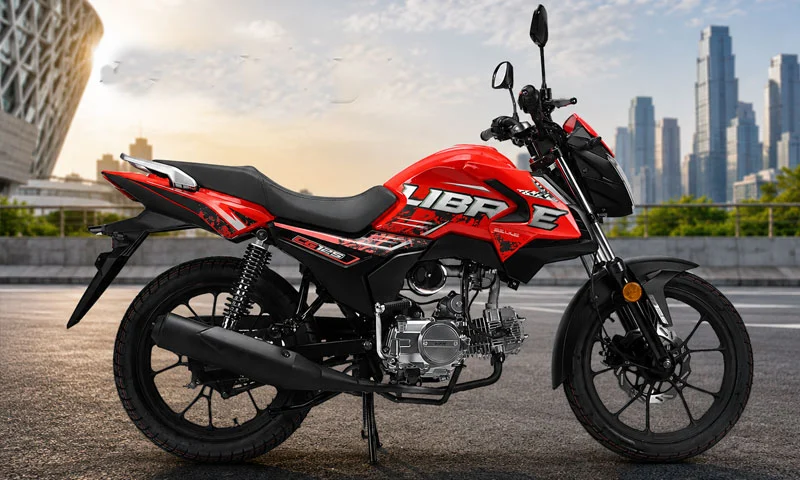
Thai motorcycle manufacturer GPX has officially entered Pakistan’s motorcycle market with a lineup of feature-rich bikes priced significantly below comparable offerings from Honda and Suzuki, setting the stage for increased competition in the country’s 125cc to 250cc segment. The company has introduced multiple models, including the GPX Libre 125, Libre 150, Raptor Plus RZ200, Demon GR200R and Demon GR250R. It also plans to launch two electric scooters, the GPX O2 and GPX O2 Max, with pricing details expected later. The launch comes at a time when Pakistan’s motorcycle market remains dominated by Japanese brands and local assemblers. Many existing models continue to rely on carbureted engines, halogen lighting and relatively basic technology despite rising prices. GPX is attempting to differentiate itself by offering modern features that are rarely available in this price range. Its motorcycles include electronic fuel injection (EFI), dual disc brakes, ABS, traction control systems, digital instrument clusters, Bluetooth connectivity, screen mirroring capability and LED lighting. Several models also feature oil-cooled or liquid-cooled engines, technology generally found on more expensive motorcycles. Libre 150 and RZ200 Expected to Draw Strong Interest Industry observers expect the GPX Libre 150 and Raptor Plus RZ200 to attract the most attention from buyers. The GPX Libre 150 carries an introductory price of Rs375,000. That places it close to the Suzuki GS 150 and below the Honda CB150F. However, the motorcycle offers a six-speed gearbox, fuel injection and a fully digital display, features that many competitors do not provide in the same price bracket. The GPX Raptor Plus RZ200 targets riders looking for a sportier option. Priced at Rs540,000, the motorcycle features a 200cc oil-cooled engine, six-speed transmission, ABS and Bluetooth connectivity. The package places it in direct competition with the Suzuki GR150, although GPX offers a significantly larger engine and a longer list of technology features. Full GPX Pakistan Price List GPX has announced the following introductory prices: GPX Libre 125: Rs325,000 GPX Libre 150: Rs375,000 GPX Raptor Plus RZ200: Rs540,000 GPX Demon GR200R: Rs790,000 GPX Demon GR250R: Rs930,000 GPX O2 Electric Scooter: Price to be announced GPX O2 Max Electric Scooter: Price to be announced The company says bookings are expected to begin between late July and early August. The launch reflects a broader shift in Pakistan’s motorcycle market, where consumers increasingly demand modern technology, improved safety features and better value for money. Analysts say GPX could disrupt the market if it successfully delivers on its promised specifications and maintains product quality. The brand’s pricing strategy and feature list may also place pressure on established manufacturers to accelerate upgrades across their existing lineups. For Pakistani riders, the arrival of GPX introduces a level of competition rarely seen in the commuter and entry-level sports motorcycle segment, potentially reshaping buyer expectations in the years ahead.
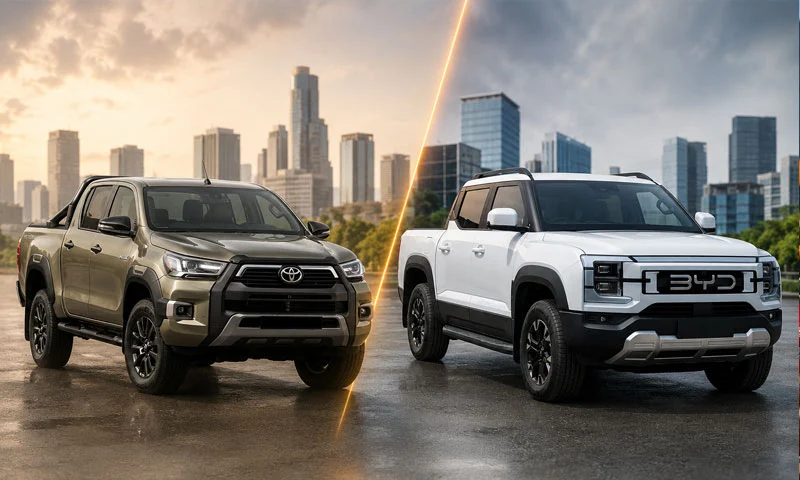
Fortuner Sales Jump While BYD Shark 6 Hits Hilux Demand
Indus Motor Company said hybrid vehicles are likely to gain traction in Pakistan before full electric vehicle adoption as the company navigates rising Chinese competition, policy uncertainty and changing consumer demand. The company shared the outlook during its latest corporate briefing, where management discussed financial performance and future strategy. According to details compiled by PakWheels, Topline Securities and Arif Habib Limited, Toyota expects electrification to become unavoidable globally, including in Pakistan. Read More: Pakistan Plans EV Battery Policy as Chinese Investors Eye Market However, the company believes hybrid technology will dominate the local market before full EV adoption becomes commercially viable. Management said it plans to introduce new models in short, medium and long-term phases. The company may accelerate launches once authorities finalise Pakistan’s National Electric Vehicle policy. Toyota also addressed growing competition from Chinese automakers, particularly in the SUV and pickup segment. The company said sales of the Toyota Fortuner doubled year-on-year, but the Toyota Hilux faced pressure in urban areas because of newer Chinese rivals, including the BYD Shark 6. Management added that rural demand for the Hilux remained relatively stable. Toyota explains Fortuner price cut and localization strategy The company clarified that the recent reduction in Fortuner prices did not represent a traditional discount campaign. Toyota management said government tax reductions contributed 60% to 70% of the cut, while localization-led savings reduced costs further. The company stated, “This was not a conventional discount but a structural cost change.” Localization levels for the Toyota Corolla, Toyota Yaris and Toyota Corolla Cross now exceed 60%. Localization in the Hilux and Fortuner segment has increased from 38% to more than 41%. Read More: Suzuki Fronx Price Revealed: Offers Hybrid Power At A Surprising Price Toyota said these improvements allowed the company to transfer a 3% cost benefit directly to consumers.Management also announced another Rs1 billion investment for localization development. The amount adds to nearly Rs3 billion in previously approved investments aimed at strengthening domestic manufacturing. Market share battle intensifies amid policy uncertainty Toyota said it still controls more than 50% market share in most segments. However, the company acknowledged stronger competition in the Corolla Cross category, where its market share stands between 25% and 30%. Management rejected suggestions that Chinese automakers have significantly weakened Toyota’s overall position. The company said it gained around 1% market share compared to the previous year. Executives acknowledged earlier market share losses but said many customers returned to Toyota after evaluating competing brands. Institutional sales, including government and corporate buyers, account for roughly 20% of total company sales. Toyota also highlighted sharp fluctuations in used imported vehicles. Read More: Nishat Brings iCaur EV SUVs to Pakistan in Bold Market Move Pakistan imported 36,053 used cars between July 2025 and March 2026. Imports dropped sharply to 793 units in March because of disruptions linked to the US-Iran conflict. The company said uncertainty surrounding Pakistan’s upcoming Auto Policy continues to affect long-term planning. The current policy expires on June 30, 2026, while negotiations between automakers and the government over incentives remain unresolved. Toyota warned that current price reductions may reverse if costs increase after the federal budget.
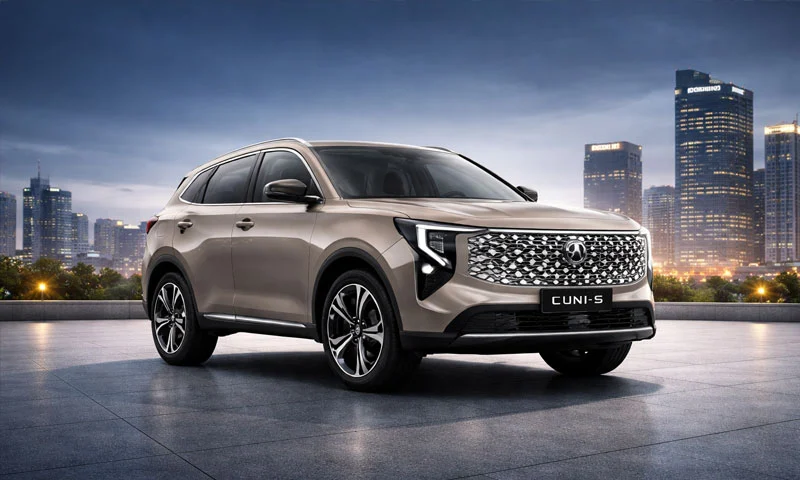
Changan Unveils UNI-S SUV in Pakistan, Targets Premium Market
Chinese automaker Changan has unveiled its new UNI-S SUV in Pakistan, signaling a push into the premium crossover segment as competition intensifies in the country’s fast-growing SUV market. The vehicle was introduced at a local event, with the company positioning it as a modern, technology-focused offering aimed at urban buyers seeking a blend of performance, design and advanced features. The official price and booking details are yet to be announced, with a formal launch expected soon. Premium SUV Targeting Evolving Consumer Demand The UNI-S is expected to sit above existing models such as the Oshan X7 in Changan’s local lineup, reflecting a move toward higher-end offerings in Pakistan. The SUV market has seen steady growth in recent years, with consumers shifting away from traditional sedans toward crossovers that offer better ground clearance and modern styling. While the company has not confirmed pricing, industry estimates suggest the vehicle could be positioned in the upper mid-range SUV category, likely competing with rivals such as Haval and other Chinese entrants. Changan has steadily expanded its presence in Pakistan, where its current lineup ranges from entry-level sedans to mid-range SUVs. Models like the Oshan X7 are priced around Rs8.5 million, offering a benchmark for where the UNI-S could be placed in the market. Design, Features and Performance The UNI-S follows Changan’s global design philosophy, featuring a bold front grille, sleek LED lighting and a coupe-inspired profile that reflects a shift toward more futuristic styling. Inside, the vehicle is expected to offer a technology-driven cabin with digital displays and a driver-focused layout. Early details indicate the presence of a digital instrument cluster paired with a large infotainment system, along with premium materials aimed at enhancing comfort and user experience. In terms of performance, the SUV is likely to be equipped with a turbocharged petrol engine, with possible hybrid options in the future. Similar models in the UNI series have featured engines delivering over 170 horsepower, suggesting the UNI-S could offer competitive performance within its segment. Globally, Changan has been investing heavily in research and development, allocating around 5% of its annual revenue to innovation and product development, reflecting its focus on advanced mobility solutions. Market Outlook and Industry Impact The launch comes at a time when Pakistan’s auto market is gradually recovering, with renewed interest in new models driven by improving economic conditions and consumer demand for feature-rich vehicles. Industry experts say the UNI-S could strengthen Changan’s position in the market if priced competitively and supported by strong after-sales service. However, the success of the model will depend on how it differentiates itself in a segment already crowded with options. The introduction of the UNI-S also highlights the growing influence of Chinese automakers in Pakistan, as they continue to expand their portfolios and challenge established players. With official bookings yet to open, the UNI-S is expected to generate significant interest among buyers looking for a modern SUV that combines design, performance and technology.
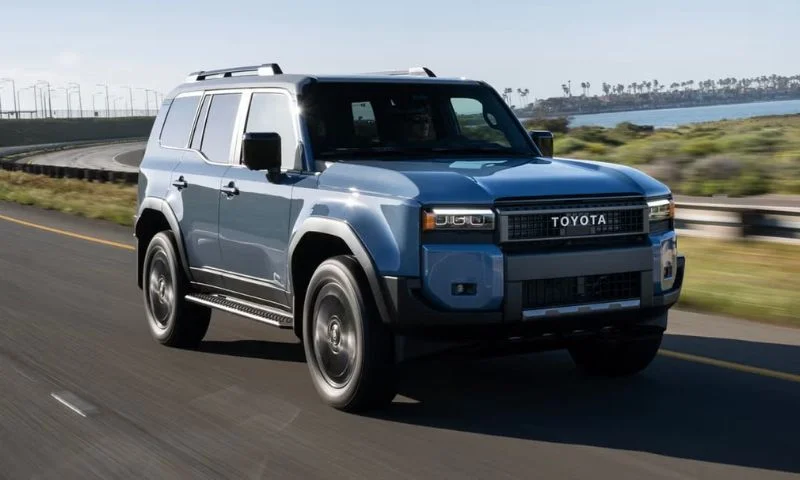
Toyota Cars to Get Costlier as Freight Charges Rise Nationwide
Buying a Toyota vehicle in Pakistan is set to become more expensive as Indus Motor Company (IMC) has revised freight charges nationwide, with a strict April 17, 2026 deadline for customers to avoid the increase. The adjustment, driven by a sharp surge in fuel prices, will not affect ex-factory prices but will significantly raise the final on-road cost for buyers, particularly those located far from Karachi. Fuel surge drives freight hike IMC has linked the increase directly to rising diesel prices, which have climbed to around PKR 520 per litre, sharply increasing transportation costs for vehicle delivery. Since Toyota vehicles assembled in Pakistan are transported from Karachi to dealerships nationwide, higher fuel costs have pushed logistics expenses up by more than 50 percent in recent months. Industry observers note that while base vehicle prices remain unchanged, freight is a critical component of the final invoice. As a result, customers will feel the impact at delivery, where total costs will vary depending on location. The increase applies across all Toyota models, including popular options such as the Corolla, Yaris and Fortuner. April 17 deadline offers temporary relief Toyota has provided a limited window for buyers to secure existing freight rates. Customers who complete full payment and achieve “Good to Go” status in the company’s system before April 17 can avoid the revised charges. “The deal: Current ex-factory prices and old freight rates will apply,” the company noted, provided full payment is made within the deadline. After the cutoff date, all new bookings and pending orders will be processed under the updated freight structure, leading to higher overall costs. The increase varies by region. Buyers in Karachi and southern cities will see relatively smaller increases, while those in central and northern areas will face significantly higher charges due to longer delivery routes. In some cases, the additional cost could reach up to PKR 296,000 depending on the vehicle model and location. Wider impact on Pakistan’s auto market The development reflects broader pressures on Pakistan’s automobile sector, where inflation, currency fluctuations and rising fuel costs continue to reshape pricing dynamics. Experts warn that the freight adjustment could particularly affect middle-income buyers, as entry-level models like the Toyota Yaris and Corolla are widely purchased by families and first-time buyers. Analysts also expect other automakers to review their pricing strategies if fuel costs remain elevated, as logistics expenses are a shared burden across the industry. Pakistan’s auto market has already seen consistent price increases over recent years, and the latest freight revision adds another layer of cost for consumers. Dealers are advising customers to act quickly if they intend to purchase a vehicle, as bookings ahead of the deadline could result in significant savings. While the freight hike may be a direct response to rising operational costs, it also highlights a deeper structural issue. The final price of a car in Pakistan is increasingly influenced not just by manufacturing costs, but by the broader economic environment, particularly fuel and logistics. As demand remains sensitive to price changes, the coming weeks will test whether buyers accelerate purchases or delay decisions in response to the latest increase.
United Motorcycles Prices Increased in Pakistan Amid Rising Costs
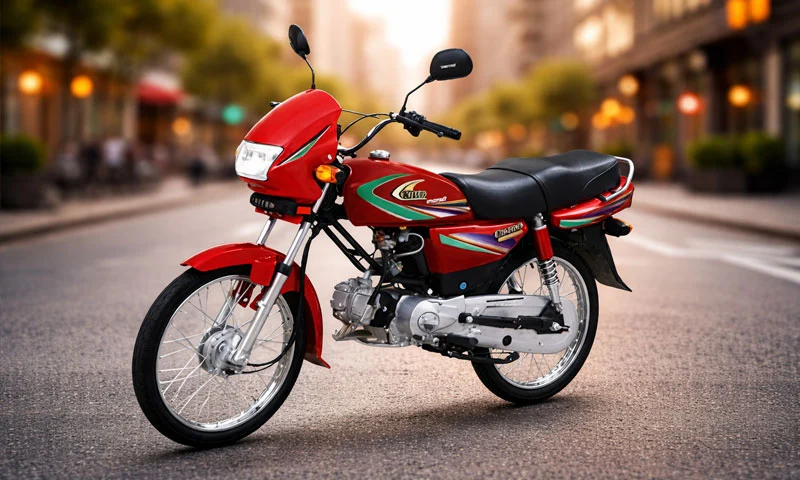
United Auto Industries has increased the prices of its motorcycles in Pakistan, adding further pressure on consumers already dealing with rising fuel and transportation costs. The new prices have been implemented across several models, including the popular 70cc, 100cc and 125cc bikes that are widely used for daily commuting. The latest revision reflects a broader trend in the local motorcycle market, where manufacturers are adjusting prices in response to increasing production costs and economic challenges. Key Models See Noticeable Increase The price hike has affected entry level bikes the most, particularly those in the 70cc category, which are commonly used by students and low income riders. The United US 70, one of the most popular budget motorcycles, has seen a noticeable increase, making it less affordable for many buyers. Similarly, the United US 100 and 125cc variants have also witnessed price revisions, pushing overall costs higher for consumers across different segments. Market data shows that United motorcycles remain among the more affordable options in Pakistan, with prices typically ranging from around Rs108,500 for basic models to over Rs300,000 for higher-end variants, depending on features and specifications. Reasons Behind the Price Increase The increase in prices has been attributed to multiple factors, including rising raw material costs, currency depreciation and higher operational expenses. Manufacturers are facing mounting pressure due to the weakening rupee against the US dollar, which directly impacts the cost of imported components used in local assembly. Industry experts also point to inflation and increased transportation costs as key drivers behind the upward revision in motorcycle prices. Impact on Consumers The latest price hike is expected to hit middle and lower income groups the hardest, as motorcycles remain the primary mode of transportation for millions of Pakistanis. With fuel prices already at record levels, the additional cost of purchasing a bike is likely to reduce affordability and delay buying decisions for many households. United motorcycles have long been considered a budget friendly option due to their relatively lower prices and fuel efficiency, especially for city commuters. However, the recent increase may narrow the affordability gap between different brands in the market. Broader Market Trend The price revision by United Auto Industries is part of a wider pattern seen across Pakistan’s auto sector, where multiple manufacturers have raised prices in recent months. Economic uncertainty, high inflation and import restrictions have collectively contributed to higher vehicle costs across the board. As a result, consumers are facing a double burden of rising purchase prices and increasing fuel expenses, making everyday transportation more expensive. Outlook for the Market Experts believe that unless economic conditions stabilize, further price adjustments may remain likely in the coming months. Manufacturers are expected to continue passing on cost increases to consumers as they struggle to maintain margins. For buyers, this means that motorcycles, once considered the most economical mode of transport, are gradually becoming more expensive, reflecting the broader financial pressures facing Pakistan’s economy.
GSX 125 Now Easier to Buy with Suzuki’s 0% Markup Deal
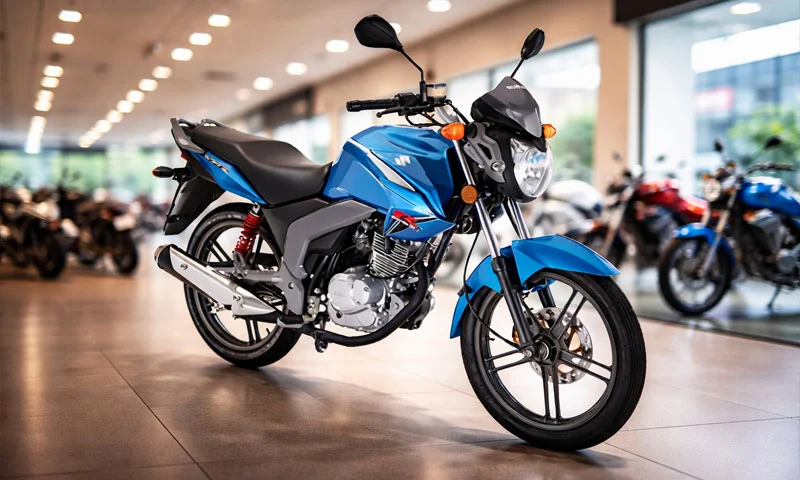
Suzuki has introduced a 0% markup financing plan for its GSX 125 motorcycle in Pakistan, aiming to make bike ownership easier amid rising costs. The move comes at a time when high interest rates and increasing upfront prices have made it difficult for many buyers to purchase new motorcycles. Under this plan, customers can buy the GSX 125 without paying any additional interest, making it one of the few interest-free bike financing offers currently available in the market. Key Details of the 0% Markup Plan The financing package includes several attractive features for buyers looking for affordable installments. According to details, the bike is priced at around Rs504,900, with a 25 percent down payment required. Customers can then pay the remaining amount over a 24-month period, with monthly installments starting from approximately Rs14,100. Importantly, the total payable amount remains close to the original price of the motorcycle, as no markup is applied under this plan. Additional Costs Buyers Should Consider While the offer removes interest charges, buyers should still account for additional expenses. These may include processing fees, insurance charges and registration costs, which are not part of the base installment plan. Late payment penalties may also apply if installments are not paid on time. Why This Offer Matters The introduction of a 0% markup plan is significant in Pakistan’s current economic environment. Motorcycles remain the most common mode of transport for millions of people, especially for daily commuting. Rising inflation and fuel costs have made affordability a key concern. Experts say such financing options can help boost sales while making it easier for middle-income buyers to own reliable transport. Growing Trend of Interest-Free Financing Suzuki’s move reflects a broader trend in Pakistan’s auto sector, where companies are offering flexible financing to attract customers. Other manufacturers and banks have also introduced similar installment plans to support buyers struggling with high upfront costs. These initiatives aim to keep demand stable in a challenging economic climate. GSX 125 Remains a Popular Choice The GSX 125 is known for its reliable 125cc engine, fuel efficiency and suitability for daily use in Pakistan. It remains one of the premium options in the 125cc category, offering better features compared to traditional commuter bikes. A Timely Opportunity for Buyers For potential buyers who were delaying their purchase due to high interest rates, this offer presents a timely opportunity. However, experts advise consumers to carefully calculate total costs, including additional fees, before committing to the plan.
No Need for Hi-Octane? Honda Pakistan Clears the Air
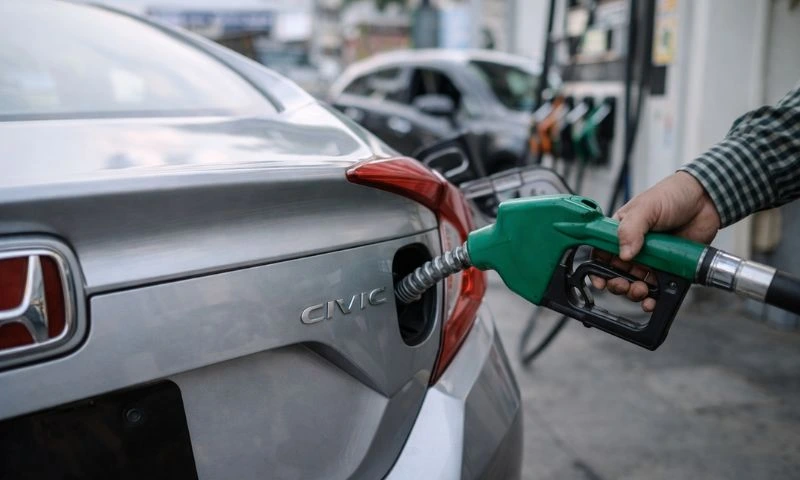
Honda Atlas Pakistan has clarified that its locally assembled vehicles are fully compatible with 91 RON regular petrol, addressing long-standing confusion among car owners over whether expensive high-octane fuel is necessary. The clarification comes at a time when petrol prices, especially high-octane variants, have surged in Pakistan amid global oil market uncertainty. This has led many motorists to question whether premium fuel is essential for their vehicles or simply an added expense. Honda’s Official Position According to company representatives, Honda vehicles are designed to run on 91 RON petrol, a fact already mentioned in official product brochures. “Customers can rely on these brochures as the authoritative source,” officials stated, adding that the fuel recommendation is clearly documented for various models. This aligns with international standards where 91 RON is widely accepted as regular fuel for modern vehicles in several countries. The clarification aims to settle ongoing debates among car owners who have been switching to costly high-octane fuel due to misconceptions about engine performance and safety. What It Means for Honda Owners The announcement brings relief to thousands of Honda users in Pakistan, as it confirms that using standard petrol is both safe and recommended for most models. This includes popular vehicles such as the Honda City, BR-V, and older naturally aspirated Civic variants, which do not require high-octane fuel for normal operation. However, Honda noted that turbocharged engines, such as the Civic RS 1.5L Turbo, may perform better with high-octane fuel, particularly under heavy acceleration or high load conditions. Even in such cases, high-octane is not mandatory but can help reduce engine knocking and improve performance. Experts explain that octane ratings measure a fuel’s ability to resist knocking during combustion, and higher-octane fuels are typically required only for high-compression or performance engines. Rising Fuel Prices Fuel the Debate The timing of Honda’s clarification is significant. With high-octane petrol prices climbing sharply in Pakistan, drivers have been looking for ways to cut fuel costs without compromising engine health. Many consumers had been under the impression that premium fuel was necessary for modern vehicles, often leading to higher monthly fuel expenses. Honda’s stance now reassures users that regular petrol is sufficient for most daily driving needs. Final Takeaway Honda Pakistan’s statement provides much-needed clarity in a market where misinformation about fuel types is widespread. By confirming compatibility with 91 RON petrol, the company has effectively reduced uncertainty for consumers navigating rising fuel costs. While high-octane fuel may still benefit certain engine types under specific conditions, the majority of Honda vehicles in Pakistan can operate efficiently on regular petrol, offering both cost savings and convenience to drivers.
New Hybrid SUV J8 PHEV Expected to Shake Pakistan Market
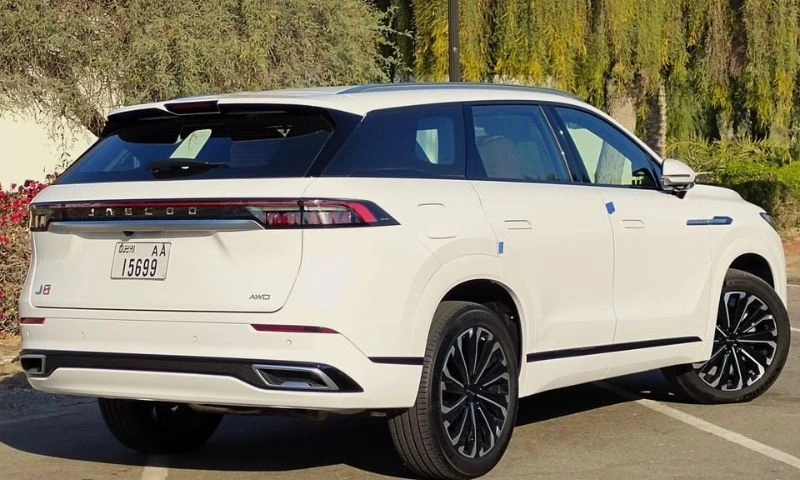
The JAECOO J8 plug-in hybrid SUV (PHEV) has been spotted in Pakistan, signaling the possible arrival of another premium hybrid vehicle in the country’s rapidly expanding SUV segment. The vehicle is expected to compete with top-tier models such as the Hyundai Santa Fe, Kia Sorento HEV and Chery Tiggo 9 PHEV. The spotting of the J8 PHEV suggests that its official launch may not be far away, especially as the JAECOO brand continues to expand its footprint in Pakistan under Nishat Group’s NexGen Auto. Built on Chery platform with shared hybrid technology The JAECOO J8 PHEV has strong links to Chinese automaker Chery. It shares its core architecture with the Chery Tiggo 9 PHEV, as both vehicles are built on the same T1X platform and use similar plug-in hybrid systems. However, while the Tiggo 9 is designed for urban family use, the J8 features a more rugged and premium design, targeting buyers looking for a luxury SUV with an adventurous edge. A large, feature-packed seven-seater SUV The JAECOO J8 PHEV falls into the D-segment SUV category, offering a spacious interior and advanced features. It comes with a 2+3+2 seven-seater configuration and a wheelbase of 2,820 mm, making it one of the longest vehicles in its class. The SUV is expected to feature high-end materials such as Nappa leather seats, along with a long list of modern technology and safety features. Powerful hybrid performance International specifications reveal that the J8 PHEV is built for both performance and efficiency. Key highlights include: 1.5L turbocharged plug-in hybrid engine Triple-motor setup with 3-speed hybrid transmission Combined power of around 530 horsepower 650 Nm of torque All-wheel drive (AWD) 0 to 100 km/h in just 5.4 seconds 34.46 kWh battery pack The vehicle also supports Vehicle-to-Load (V2L) functionality, allowing it to power external devices, adding practicality for outdoor use. Advanced safety and technology features The J8 PHEV is expected to offer a high level of safety and driver assistance systems. It includes 10 airbags and up to 19 advanced driver assistance systems (ADAS), making it one of the most tech-loaded SUVs in its segment. These features place it among the most advanced hybrid SUVs likely to enter the Pakistani market. Expected price in Pakistan While official pricing has not been announced, industry estimates suggest that the JAECOO J8 PHEV will be priced close to its closest rival, the Chery Tiggo 9 PHEV, which currently costs around Rs1.37 crore (ex-factory). This positions the J8 as a premium offering aimed at buyers seeking a mix of luxury, performance and hybrid efficiency. Growing competition in Pakistan’s hybrid SUV market The arrival of the JAECOO J8 PHEV highlights the growing shift toward hybrid vehicles in Pakistan. With more automakers entering the plug-in hybrid segment, consumers now have access to a wider range of fuel-efficient and high-performance SUVs. If launched at a competitive price, the J8 PHEV could become a strong contender in Pakistan’s premium SUV category.
