

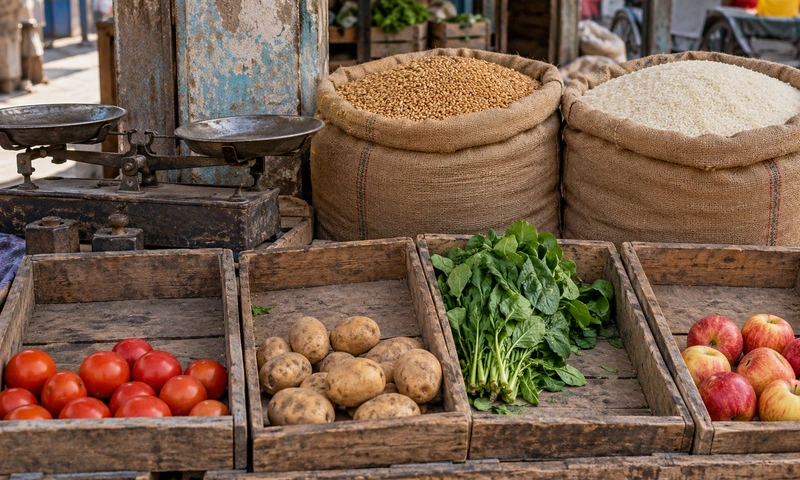
Pakistan faces widening shortages of vegetables, fruits and other nutritious foods, despite supplies of cereals and sugar exceeding dietary requirements. More than 60% of Pakistanis cannot afford a healthy diet, according to a Food and Agriculture Organisation (FAO) policy brief. The brief, “Food Supply for Healthy Diets in Pakistan,” highlights a persistent mismatch between available food and national dietary recommendations. It calls for equitable access to diverse, nutritious, safe and affordable foods. The imbalance contributes to widespread malnutrition. Diet-related noncommunicable diseases are also increasing alongside persistent undernutrition, adding to the country’s health burden. Read More: Five Surprising Drinks That Could Be Healthier Than You Think Pakistan adopted food-based dietary guidelines in 2018, outlining evidence-based recommendations for the types and quantities of food needed for healthy diets. However, FAO says efforts to encourage healthier eating depend on making nutritious foods available and accessible. The assessment compared annual food supplies with population-level dietary requirements across 10 food groups between 2010 and 2023. Vegetables, roots and tubers, fruits, and legumes and pulses showed persistent shortfalls. Meanwhile, cereals and sugar remained above the quantities required under the dietary guidelines. The estimated vegetable supply gap ranged from 10.9 million to 17.8 million tonnes in 2010. By 2023, that range had widened to 13 million to 21.6 million tonnes. Fruit shortages also deepened. The estimated gap increased from 1.9 million to 10.3 million tonnes in 2010 to 3.9 million to 14.3 million tonnes in 2023. Supplies of milk, milk products, meat and eggs improved over the assessment period. Fats and oils moved from a small shortfall in 2010 into the estimated required range in subsequent years. Read More: Nutrition Experts Reveal How Many Dates May Be Too Many Population growth adds further pressure. The assessment puts Pakistan’s population at 189.3 million in 2010 and 235.2 million in 2023, with projections approaching 330 million by 2050. Climate change and other challenges threaten to increase demands on the agrifood system. Separate United Nations reporting reinforces the distinction between calorie availability and adequate nutrition. It notes that Pakistan has sufficient overall dietary energy, but its food supply lacks the diversity needed to meet national guidelines. FAO recommends coordinated fiscal and regulatory measures to bring agricultural production and trade priorities into line with nutritional needs. These measures include improving distribution, cutting post-harvest losses and food waste, and strengthening demand for healthy foods. The agency urges greater investment in vegetables, fruits, pulses, roots and tubers, alongside support for milk production in some regions. It also recommends updating dietary guidelines to reflect nutrition, health and environmental priorities. Nutrition education and behaviour-change programmes would support those efforts. Proposed measures include evidence-based taxes on beverages and foods high in sugar, salt and unhealthy fats. Front-of-package nutrition labels would help shoppers make informed choices. FAO also calls for incentives encouraging food processors to meet quality standards and reduce salt, sugar and unhealthy fats.
CAP Urges Private Wheat Imports as Prices Rise in Pakistan
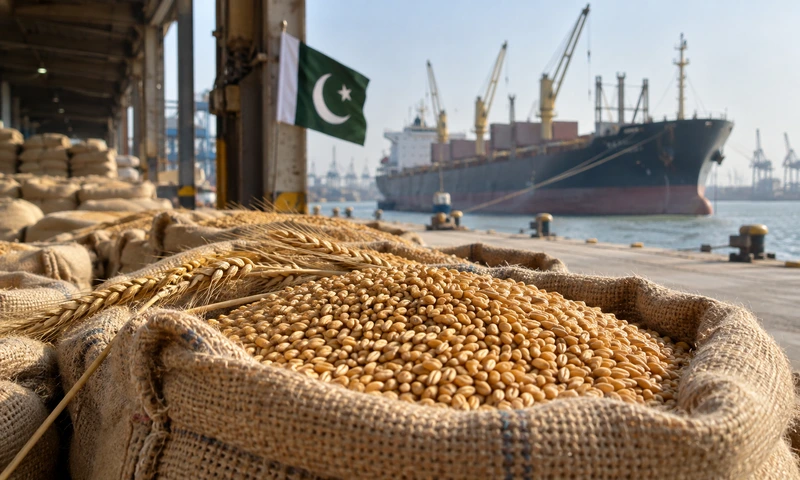
The Cereal Association of Pakistan (CAP) has urged the government to immediately permit private-sector wheat imports to prevent shortages. It warned that delays could further increase prices, which it said have reached Rs140 per kilogram in Khyber Pakhtunkhwa. In a September 16 statement, CAP appealed to the government and the relevant standing committee to approve additional imports. The association welcomed official procurement efforts but argued that the planned 750,000 tonnes would not adequately bridge the supply gap. TCP receives offers below tender target The Trading Corporation of Pakistan opened its wheat import tender on September 16. CAP said nine international companies offered 656,000 tonnes at prices ranging from $348.83 to $369.95 per tonne. The offered volume falls 94,000 tonnes short of the tender’s stated target. 13 parties participated overall, with nine submitting technically and financially responsive bids. Two submitted regret letters, while two were non-responsive. Agrocorp offered the lowest price for 55,000 tonnes, and TCP was still evaluating bids, the report said. Read More: Pakistan Olive Cultivation Targets $4 Billion Import Bill The official tender specifies wheat from the 2026 crop, delivered in bulk to Karachi or Gwadar on a cost-and-freight basis. It allows a 10 per cent quantity variation above or below the stated volume. Private importers estimate lower prices CAP said international wheat was available at approximately $320–325 per tonne, below the prices quoted in TCP’s tender. After freight, local charges and other import expenses, private importers could potentially supply wheat at Rs100–101 per kilogram, it claimed. The association put domestic wheat prices at approximately Rs125–130 per kilogram, rising to around Rs140 in Khyber Pakhtunkhwa. Its projected import price would therefore sit Rs24–30 below its quoted general domestic range. These figures represent CAP’s market estimates, rather than confirmed import contracts or guaranteed consumer prices. Its statement did not specify the origin, quality or delivery terms underlying the $320–325 international quotation. CAP argued that bulk supplies through private importers would improve open-market availability and help ease pressure on consumers. Association warns against delays The association said the provincial quota system alone might not meet the country’s wheat requirements. It urged authorities to allow private imports alongside government procurement to maintain adequate stocks and uninterrupted market supply. CAP’s release also put Pakistan’s annual wheat demand at approximately four million tonnes. However, it provided no supporting calculation or explanation of that figure. It did not clarify whether this referred to an import requirement or a supply shortfall rather than total national consumption. Read More: Canada Food Import Probe Widens After India Raid The association maintained that government procurement covered only part of the requirement. It warned that delayed permission could worsen shortages and market conditions. CAP called for immediate approval so importers could arrange stocks in time, bridge the supply gap and protect consumers from further price increases.