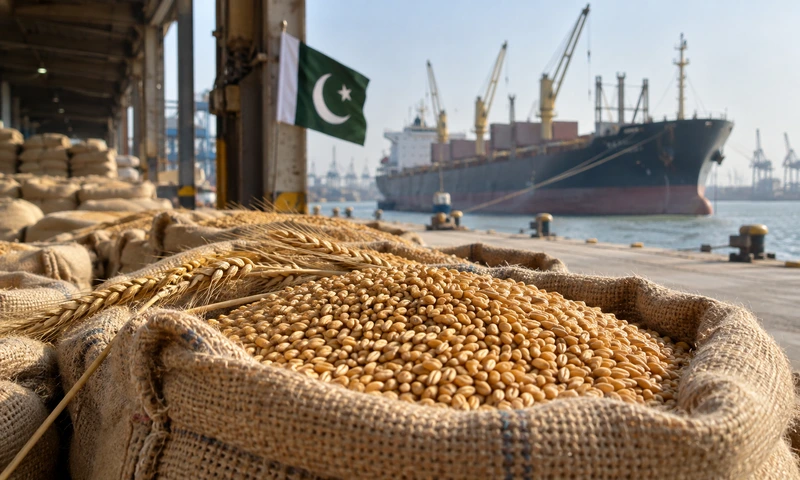
The Cereal Association of Pakistan (CAP) has urged the government to immediately permit private-sector wheat imports to prevent shortages. It warned that delays could further increase prices, which it said have reached Rs140 per kilogram in Khyber Pakhtunkhwa.
In a September 16 statement, CAP appealed to the government and the relevant standing committee to approve additional imports. The association welcomed official procurement efforts but argued that the planned 750,000 tonnes would not adequately bridge the supply gap.
TCP receives offers below tender target
The Trading Corporation of Pakistan opened its wheat import tender on September 16. CAP said nine international companies offered 656,000 tonnes at prices ranging from $348.83 to $369.95 per tonne.
The offered volume falls 94,000 tonnes short of the tender’s stated target. 13 parties participated overall, with nine submitting technically and financially responsive bids. Two submitted regret letters, while two were non-responsive. Agrocorp offered the lowest price for 55,000 tonnes, and TCP was still evaluating bids, the report said.
Read More: Pakistan Olive Cultivation Targets $4 Billion Import Bill
The official tender specifies wheat from the 2026 crop, delivered in bulk to Karachi or Gwadar on a cost-and-freight basis. It allows a 10 per cent quantity variation above or below the stated volume.
Private importers estimate lower prices
CAP said international wheat was available at approximately $320–325 per tonne, below the prices quoted in TCP’s tender.
After freight, local charges and other import expenses, private importers could potentially supply wheat at Rs100–101 per kilogram, it claimed.
The association put domestic wheat prices at approximately Rs125–130 per kilogram, rising to around Rs140 in Khyber Pakhtunkhwa. Its projected import price would therefore sit Rs24–30 below its quoted general domestic range.
These figures represent CAP’s market estimates, rather than confirmed import contracts or guaranteed consumer prices. Its statement did not specify the origin, quality or delivery terms underlying the $320–325 international quotation.
CAP argued that bulk supplies through private importers would improve open-market availability and help ease pressure on consumers.
Association warns against delays
The association said the provincial quota system alone might not meet the country’s wheat requirements. It urged authorities to allow private imports alongside government procurement to maintain adequate stocks and uninterrupted market supply.
CAP’s release also put Pakistan’s annual wheat demand at approximately four million tonnes. However, it provided no supporting calculation or explanation of that figure. It did not clarify whether this referred to an import requirement or a supply shortfall rather than total national consumption.
Read More: Canada Food Import Probe Widens After India Raid
The association maintained that government procurement covered only part of the requirement. It warned that delayed permission could worsen shortages and market conditions.
CAP called for immediate approval so importers could arrange stocks in time, bridge the supply gap and protect consumers from further price increases.