
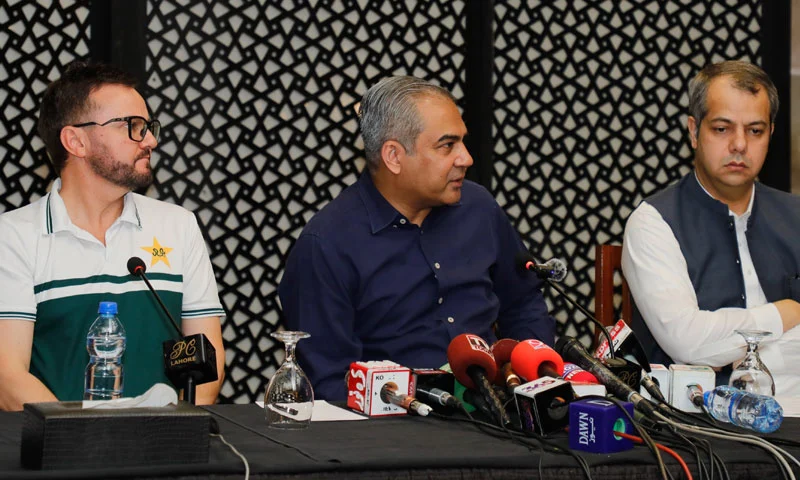
The Pakistan Cricket Board (PCB) has announced sweeping changes to its central contracts system, replacing its long-standing “one system for all” policy with a format-specific model that will assess players on fitness, domestic performances and the unique demands of different formats. PCB Chairman Mohsin Naqvi unveiled the new framework during a press conference in Lahore on Monday, describing it as a step towards greater transparency and accountability in Pakistan cricket. The move comes as the board seeks to address concerns over player evaluations and improve the national team’s performances in major international tournaments. Speaking to reporters, Naqvi said the selection committee faced a significant task in reshaping Pakistan cricket and ensuring contracts reflected merit and performance. “If this work had been going on for 70 years, then it was not in my knowledge,” Naqvi said when discussing the previous contracts system. PCB Chairman Mohsin Naqvi's press conference alongside Aqib Javed, Mike Hesson and senior PCB officials.📺 Watch here ➡️ https://t.co/EaGK5N4jMs#PakistanCricket pic.twitter.com/VrFPEiv19O— Pakistan Cricket (@TheRealPCB) June 15, 2026 He added that the PCB was reviewing performances over the past five years, including Test and domestic cricket records, to create a more balanced assessment process. The chairman stressed that the board was not relying on artificial intelligence but rather on objective data and measurable indicators. “The new model should not be confused with artificial intelligence; instead, it should be appreciated,” he said. Domestic Cricket and Performance Data to Play Bigger Role Naqvi acknowledged that Pakistan’s performances in major tournaments remained a concern despite stronger displays in bilateral series. “It is absolutely our responsibility to improve cricket. Our cricket team’s performance is better in series, but in tournaments, our team collapses. Work is now being done on this,” he said. The PCB chief revealed that domestic cricket data would become a key component of the contracts process. He said previous contracts often triggered debates over why certain players received higher categories than others. “Earlier, there used to be debate on central contracts over why someone got B and why someone got C,” Naqvi said. “Now, 85% of the central contract has gone into the hands of the computer.” According to Naqvi, the system will use performance metrics, fitness standards and domestic records to support decision-making and reduce subjectivity. He also confirmed that the PCB remained in contact with former cricketers, including Younis Khan, as part of broader consultations on improving the game. Format-Specific Model Reflects Modern Cricket In an official statement, the PCB said the changes reflected the realities of modern cricket, where Test specialists and T20 players often follow entirely different career paths. “Under the leadership of Chairman Mohsin Naqvi, the PCB has announced the introduction of a new and unique structure by making significant changes to its players’ central contracts system,” the board said. The PCB argued that the previous model no longer suited an era where players specialise in specific formats and face different workloads. According to the board, Test cricket, One-Day Internationals and T20 cricket require different skill sets, physical demands and professional priorities. “While most cricket boards around the world still place all players in the same categorisation and pit a Test specialist against a T20 franchise player for the same grade, the PCB, under the oversight of Chairman Naqvi, has decided to introduce a model that acknowledges the distinct identity and priorities of each format,” the statement added. Cricket observers say the reform could become one of the PCB’s most significant administrative changes in recent years, particularly as international cricket continues to evolve and player specialisation becomes increasingly common.
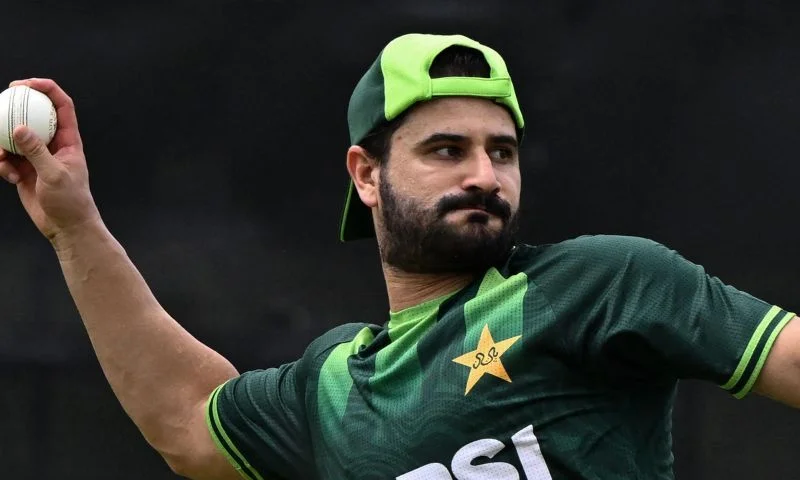
PCB Hands Asian Games Captaincy to Sahibzada Farhan in Surprise Move
The Pakistan Cricket Board (PCB) on Tuesday announced a 15-member squad for the Asian Games 2026. Experienced opener Sahibzada Farhan will lead the side, while Abdul Samad will serve as vice-captain. The cricket competition will take place in Aichi-Nagoya, Japan. It forms part of the Asian Games scheduled from September 19 to October 4. Meanwhile, the cricket event will begin on September 24. The medal matches will take place on October 3. Pakistan will compete against nine other teams for the gold medal. Therefore, selectors have combined experienced players with emerging talent. Farhan enters the tournament as one of the squad’s most experienced T20 players. The 30-year-old has played 46 T20 Internationals for Pakistan. During that time, he scored 1,305 runs, including two centuries and 10 half-centuries. In addition, the squad includes several players who featured prominently in domestic and franchise cricket over the past year. Saim Ayub, Usman Khan, Abrar Ahmed and Salman Mirza all retained their places. Meanwhile, Haider Ali and Ahmed Daniyal earned recalls after strong performances in domestic competitions. Four New Faces Earn Major Opportunity The squad also includes four players who are yet to make their T20 International debut. Fast bowler Akif Javed secured a place after consistent performances in domestic cricket. Likewise, teenage pacer Ali Raza received a call-up after impressing selectors with his pace and potential. All-rounder Maaz Sadaqat and batter Saad Masood also earned selection. As a result, the Asian Games could become an important stepping stone in their international careers. Pakistan’s management continues to expand its talent pool ahead of future ICC events. Therefore, selectors have increasingly rewarded young performers with opportunities in major tournaments. Furthermore, 14 of the 15 selected players will attend the National Cricket Academy White-Ball Camp. The camp will begin in Lahore on June 15. Officials believe the programme will help players prepare for international assignments later this year. Hesson to Head Coaching Staff Mike Hesson will lead the support staff as head coach. Meanwhile, former Australian fast bowler Ashley Noffke will work as bowling coach. Shane McDermott will oversee fielding preparations. In addition, Muhammad Tahir will serve as physiotherapist, while Imran Ullah will work as trainer. Usman Hashmi will perform dual responsibilities as analyst and team operations coordinator. Cricket has become one of the most closely watched events at the Asian Games. India won the men’s gold medal at the Hangzhou Games in 2023. Afghanistan claimed silver, while Bangladesh secured bronze. This time, Pakistan will aim to challenge the region’s strongest teams. More importantly, the squad offers several young players a chance to establish themselves on the international stage. Squad Sahibzada Farhan (captain), Abdul Samad (vice-captain), Abrar Ahmed, Ahmed Daniyal, Akif Javed, Ali Raza, Arafat Minhas, Haider Ali, Hasan Nawaz, Maaz Sadaqat, Mohammad Salman Mirza, Saad Masood, Saim Ayub, Sufyan Moqim and Usman Khan (wicketkeeper). Support Staff Mike Hesson (head coach), Ashley Noffke (bowling coach), Shane McDermott (fielding coach), Muhammad Tahir (physiotherapist), Imran Ullah (trainer), Usman Hashmi (analyst-cum-team operations coordinator).
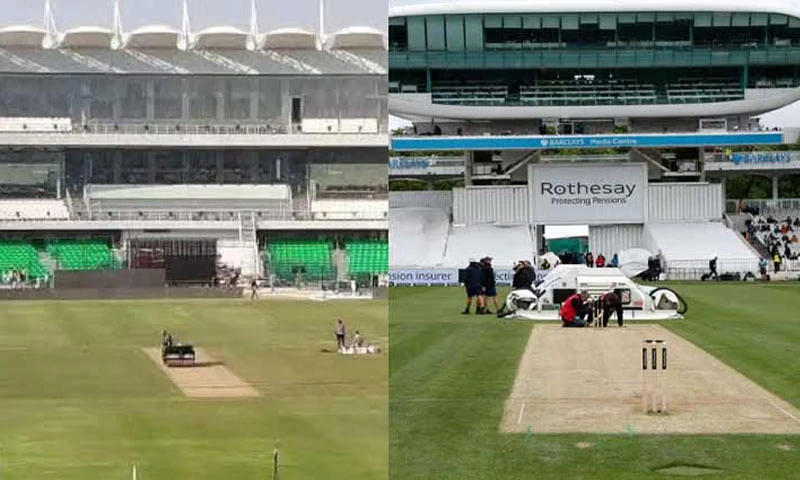
ICC Raises Red Flag Over Lord’s and Gaddafi Stadium Pitches
The International Cricket Council (ICC) has rated the pitches used in the recent England-New Zealand Test at Lord’s and the Pakistan-Australia ODI at Lahore’s Gaddafi Stadium as “Unsatisfactory”, handing one demerit point to each venue under its Pitch and Outfield Monitoring Process. The sanctions follow concerns raised by match officials and team captains regarding playing conditions during both matches. Match Referees Andy Pycroft and Graeme La Brooy submitted detailed reports to the ICC, which subsequently forwarded them to the England and Wales Cricket Board (ECB) and the Pakistan Cricket Board (PCB). Both boards now have 14 days to appeal against the decision. The ruling marks a rare instance where two prominent international venues have received identical sanctions for different pitch-related concerns. Lord’s Pitch Criticised for Excessive Assistance to Bowlers The first Test between England and New Zealand at Lord’s attracted attention after wickets fell regularly throughout the opening two days. According to ICC Match Referee Andy Pycroft, the surface provided excessive assistance to seam bowlers and created an imbalance between bat and ball. “There was plenty of excessive seam movement throughout the Test and the ball also kept extremely low on several occasions,” Pycroft said in his report. “The bounce was variable throughout as 16 wickets fell on the first day and 17 on the second. There was simply an over-balance in favour of ball against bat caused by the pitch.” The match saw batters struggle against movement and inconsistent bounce, leading to criticism from players and analysts who argued that the surface failed to provide a fair contest. Lord’s remains one of cricket’s most iconic venues and has hosted international matches for more than a century. However, the ICC’s monitoring system requires pitches to offer a reasonable balance between batting and bowling conditions. Gaddafi Stadium Surface Deemed Unsuitable for ODI Cricket The ICC also expressed concerns about the pitch used during the third One-Day International between Pakistan and Australia in Lahore. Match Referee Graeme La Brooy said the surface made scoring difficult and did not meet expectations for modern ODI cricket. “The pitch was slow and low and made scoring runs very difficult. It did not suit a One Day International game as batters had to spend more time to settle in. It helped spin very early in the match and continued the same way throughout.” The criticism comes as cricket administrators globally continue to seek pitches that encourage competitive cricket while allowing both batters and bowlers opportunities to influence matches. Under ICC regulations, venues receive one demerit point for an “Unsatisfactory” rating and three points for a pitch deemed “Unfit”. Demerit points remain active for five years. A venue that accumulates six demerit points faces a 12-month suspension from hosting international cricket. A venue that reaches 12 demerit points receives a 24-month suspension. Neither Lord’s nor Gaddafi Stadium carried any previous demerit points before the latest ruling. The sanctions serve as a reminder that even the world’s most established cricket venues remain subject to ICC scrutiny as the governing body seeks to maintain consistent playing standards across international cricket.

Fatima Sana Destroys Zimbabwe Attack With Historic 15-Ball Fifty
Fatima Sana produced one of the most explosive innings in women’s cricket history on Saturday, smashing the fastest half-century ever recorded in women’s T20 internationals during Pakistan’s third T20I against Zimbabwe in Karachi. The Pakistan captain reached her fifty in just 15 balls, breaking the previous women’s T20I record jointly held by Sophie Devine, Phoebe Litchfield and Richa Ghosh, who had all completed half-centuries in 18 deliveries. Fatima’s innings also equalled the fastest fifty ever recorded in women’s T20 cricket overall. The record-breaking knock immediately triggered comparisons with former Pakistan captain Shahid Afridi, famous for his aggressive batting and rapid scoring. Pakistan had already built a strong platform after reaching 152 for 4 in 16.2 overs when Fatima walked to the crease. She launched her innings with a boundary and quickly dismantled Zimbabwe’s bowling attack with fearless strokeplay. Pakistan captain tears apart Zimbabwe attack Fatima hammered boundaries across the ground and raced to 48 from just 14 balls after a brutal 24-run 19th over. She completed her record-breaking fifty early in the final over with a quick two runs. The Pakistan skipper eventually remained unbeaten on 62 from only 19 deliveries. Her breathtaking innings included 10 fours and two sixes. Saira Jabeen also impressed with an unbeaten 50 from 32 balls as Pakistan finished on 223 for 4. The total became Pakistan’s second-highest score in women’s T20 internationals. Zimbabwe never threatened during the chase and collapsed for 90 runs. Pakistan sealed a dominant victory while Fatima further contributed with the ball, finishing with figures of 1 for 28. The performance highlighted her growing stature as one of Pakistan’s most influential T20 players. Fatima Sana emerging as Pakistan’s T20 star The innings capped a remarkable run of form for the 23-year-old all-rounder. Fatima is now Pakistan’s leading run-scorer in women’s T20 internationals this year. She has scored 229 runs in five innings at a remarkable strike rate of 206.30. Her knock also underlined the rapid improvement in Pakistan women’s cricket following recent investments in domestic and international development programmes. Pakistan’s aggressive approach throughout the series has drawn praise from former players and commentators, who believe the side is evolving into a more fearless T20 unit. Fatima’s innings additionally placed her among an elite group of women’s cricketers known for power-hitting in the shortest format. The Pakistan captain’s fearless assault in Karachi now stands as one of the defining moments in women’s T20I history.
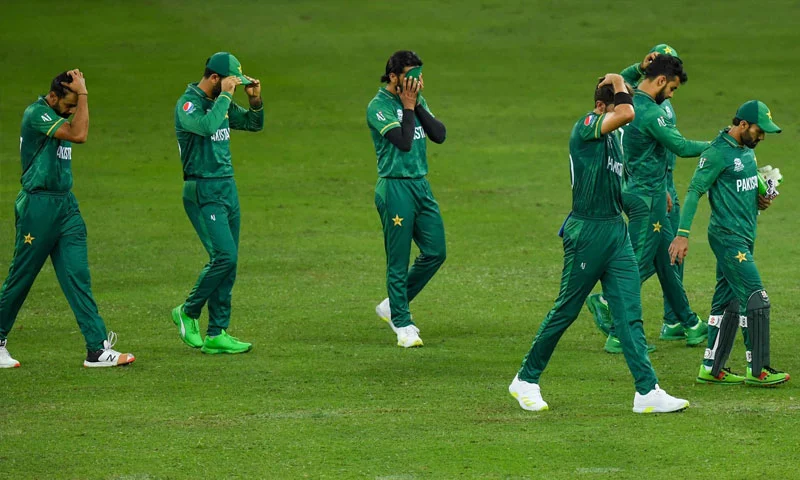
Pakistan Cricket’s Two-Year Collapse Leaves Fans Furious
Pakistan national cricket team suffered another major setback after losing a third straight Test match to Bangladesh national cricket team, extending a painful run that has raised fresh questions about the team’s direction, selection policies and leadership. The latest defeat came days after Pakistan lost the ODI series in Bangladesh and crashed out of the 2026 T20 World Cup before the semi-finals stage. The result added to a long list of failures that have damaged Pakistan’s reputation across all formats during the past two years. Read More: Pakistan Collapse as Bangladesh Take 1-0 Lead in Test Series Pakistan lost a T20 International to Ireland cricket team before the 2024 T20 World Cup and then suffered a shocking defeat against United States national cricket team in the same tournament. The team also failed to qualify for the Super Eight stage of that World Cup. Months later, Bangladesh swept Pakistan 2-0 in a historic Test series on Pakistani soil. The defeat marked Bangladesh’s first ever Test series win against Pakistan. Pakistan’s red-ball struggles worsened when the side lost a Test match by an innings despite scoring 556 runs in the first innings. The team also suffered embarrassing defeats in white-ball cricket. Pakistan lost both an ODI and a T20I against Zimbabwe national cricket team during a chaotic period marked by inconsistent batting and poor bowling performances. World Cup failures and historic defeats increase pressure Pakistan entered the 2025 ICC Champions Trophy with hopes of revival but failed to win a single match. The side also missed out on a semi-final place in the tournament, extending its poor record in ICC events. The team later recorded its worst ever defeat in T20 International history during a crushing loss that exposed major flaws in bowling and fielding. In another alarming statistic, Pakistan conceded 92 runs in the first six overs of a T20I, one of the most expensive powerplay performances in international cricket history. The batting unit also collapsed for 110 against Bangladesh in a T20I earlier this year. Read More: T20 World Cup Disaster: Rare Moment in Pakistan Cricket History as PCB Fines Squad Pakistan’s struggles against a weakened New Zealand national cricket team side further increased criticism of the team management. Pakistan lost seven of eight matches against New Zealand despite several senior Kiwi players missing because of franchise cricket commitments. Former players and analysts have repeatedly criticised the Pakistan Cricket Board for frequent captaincy changes, inconsistent selection policies and instability within the coaching setup. Questions grow over future direction The team’s decline has sparked intense debate among fans and former cricketers in Pakistan. Many critics now question whether Pakistan cricket has entered one of the weakest periods in its modern history. Pakistan still possesses world-class talent, particularly in fast bowling, but inconsistent performances continue to overshadow individual brilliance. Read More: Pakistan Reshuffles Coaching Setup as Sarfaraz Takes Charge for Bangladesh Tests Fans have also expressed frustration over repeated collapses in high-pressure tournaments and poor performances against lower-ranked sides. For a team that once dominated world cricket with unpredictability and flair, the recent results reflect a sharp and worrying decline.

Pakistan Collapse as Bangladesh Take 1-0 Lead in Test Series
Bangladesh defeated Pakistanby 104 runs in the opening Test of the two-match series at Sher-e-Bangla National Cricket Stadium on Tuesday. Chasing 268 for victory, Pakistan resumed the fifth day hoping to build on their resistance shown earlier in the match. However, Bangladesh’s bowlers struck regularly to dismiss the visitors for 163 in 52.5 overs. Pakistan lost opener Imam-ul-Haq in the opening over of the day, increasing pressure on the middle order. Read More: Australia Picks Young Guns For Pakistan and Bangladesh Tours Debutant Abdullah Fazal once again impressed with the bat and played the most significant innings of Pakistan’s chase. The left-hander scored 66 from 113 balls and struck 11 boundaries during a composed knock. Fazal had also scored 60 in the first innings, becoming only the sixth Pakistan batter to score fifty-plus runs in both innings on Test debut. Meanwhile, first-innings centurion Azan Awais contributed 15 before spinner Mehidy Hasan Miraz dismissed him. Salman Ali Agha added 26 runs to keep Pakistan within touching distance of the target during the middle session. At 119 for three, Pakistan still appeared capable of mounting a serious challenge. However, Bangladesh quickly regained control through disciplined bowling. Nahid Rana destroys Pakistan batting lineup Fast bowler Nahid Rana produced the decisive spell of the match and finished with five wickets for 40 runs. Rana removed Shan Masood, Saud Shakeel, Mohammad Rizwan, Noman Ali and Shaheen Shah Afridi during a devastating spell. Spinner Taijul Islam and pacer Taskin Ahmed supported Rana with two wickets each. Read More: Pakistan Reshuffles Coaching Setup as Sarfaraz Takes Charge for Bangladesh Tests Earlier, Bangladesh resumed their second innings at 152 for three before declaring on 240 for nine in 70.3 overs. Bangladesh captain Najmul Hossain Shanto top-scored with 87 after also making 101 in the first innings. For Pakistan, Hasan Ali and Noman Ali claimed three wickets each in the second innings. Noman Ali reaches milestone despite defeat Pakistan spinner Noman Ali reached an important personal milestone during the match. The left-arm spinner completed his 100th Test wicket after dismissing Mehidy Hasan Miraz in the 70th over of Bangladesh’s second innings. Noman achieved the feat in just 22 Tests and became the third-fastest Pakistani spinner to reach the landmark. Read More: England Could Host Pakistan for Five Tests After Decades Bangladesh eventually secured a commanding victory and took a 1-0 lead in the series. Najmul Hossain Shanto received the player of the match award for his two vital innings. The second and final Test will begin on May 16 at Sylhet International Cricket Stadium.
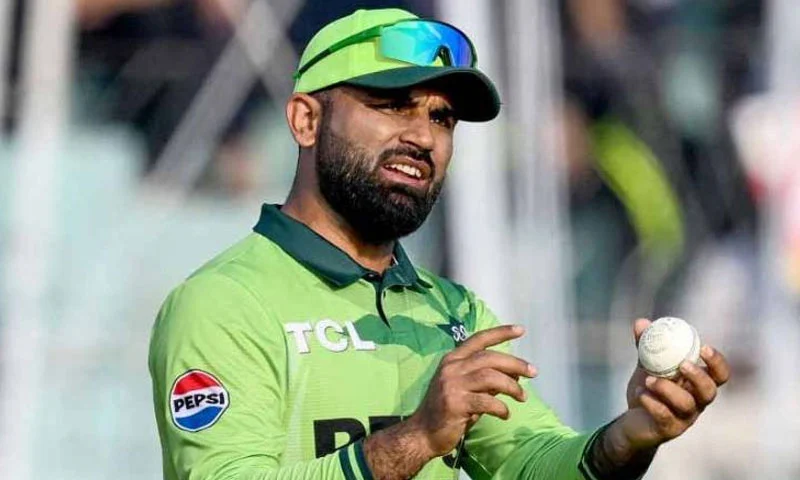
Ball Tampering Row: Fakhar Zaman Hit with Major PSL Ban After Controversial Incident
Pakistan batter Fakhar Zaman has been handed a two-match suspension by the Pakistan Cricket Board (PCB) after being found guilty of breaching the HBL Pakistan Super League code of conduct during a high-profile match. The decision comes after a disciplinary hearing into a controversial incident during a clash between Lahore Qalandars and Karachi Kings in the ongoing Pakistan Super League season. What Happened During the Match According to the PCB, the incident took place in the closing stages of the match at Lahore’s Gaddafi Stadium, when on-field umpires intervened after noticing concerns about the condition of the ball. Officials awarded five penalty runs to Karachi Kings and replaced the ball, a decision that proved crucial in the outcome of the match. The controversy centered around Fakhar Zaman’s actions, which were deemed to be in violation of Article 2.14 of the PCB Code of Conduct. This clause relates to altering the condition of the ball, which is strictly prohibited under cricket laws. PCB’s Verdict and Sanction After reviewing evidence, match referee Roshan Mahanama found Fakhar Zaman guilty of committing a Level 3 offence, the most serious category under the PSL code for such violations. In its official statement, the PCB said: “Fakhar Zaman has been suspended for two HBL PSL matches after he was found guilty of a Level III offence.” A Level 3 breach carries a minimum penalty of a one-match ban and can extend to two matches. The PCB imposed the maximum sanction in this case. Player’s Response and Hearing Details Fakhar Zaman denied the allegations and chose to contest the charge during a formal disciplinary hearing. The hearing was attended by key representatives from Lahore Qalandars, including captain Shaheen Shah Afridi and team management officials. Despite his defense, the match referee upheld the charge after reviewing all available evidence. Zaman retains the right to appeal the decision within 48 hours under PSL regulations. Impact on Lahore Qalandars The suspension is a significant blow for Lahore Qalandars, who will now miss one of their key batters in upcoming fixtures. The defending champions are scheduled to face strong opponents in the coming matches, making Zaman’s absence even more impactful. Wider PSL Controversy The incident has added to growing scrutiny around disciplinary standards in PSL 2026. Reports suggest that the league has recently witnessed multiple code of conduct issues, highlighting the PCB’s strict stance on maintaining the integrity of the game. Ball-tampering remains one of cricket’s most sensitive offences globally, with past incidents drawing severe penalties and widespread criticism. What the Rules Say Article 2.14 of the PCB Code of Conduct specifically prohibits any attempt to alter the condition of the ball. This includes: Scratching or damaging the surface Applying artificial substances Tampering with the seam Such actions are considered a serious breach because they can unfairly influence match outcomes.
Can the ICC Sanction Pakistan if It Boycotts the T20 World Cup? What the Rules Actually Say
Speculation over Pakistan’s possible boycott of the ICC Men’s T20 World Cup has intensified after sections of Indian media claimed that the International Cricket Council (ICC) could impose severe and unprecedented sanctions on Pakistan if it withdraws from the tournament. However, a closer examination of ICC regulations and past precedents suggests that many of the reported threats may be overstated or legally unfounded. The debate escalated following public remarks by Pakistan Cricket Board (PCB) Chairman Mohsin Naqvi, who voiced support for Bangladesh after it refused to participate in the tournament citing security concerns and was subsequently replaced by Scotland. Indian media reports claimed that if Pakistan follows the same path, the ICC could respond with harsh punitive measures, including isolating Pakistan cricket internationally. Today, Naqvi also met Prime Minister Shehbaz Sharif and briefed him in detail on the ICC’s handling of Bangladesh’s case, as well as other related developments. According to Mohsin Naqvi it was agreed that any final decision from Pakistan regarding participation in the T20 World Cup would be taken after further consultations, with an announcement expected either on Friday or early next week. What Indian Media Claims According to unnamed sources quoted by Indian outlets, the ICC is allegedly prepared to impose “never-before” sanctions on Pakistan, including: Preventing foreign players from participating in the Pakistan Super League (PSL) Cutting ICC revenue allocations to the PCB Stripping the PSL of international recognition Excluding Pakistan from the Asia Cup Suspending bilateral series involving Pakistan These reports have framed the situation as an existential threat to Pakistan cricket. However, cricket governance experts argue that several of these claims do not align with how international cricket is actually governed. What the ICC Can — and Cannot — Do Under existing structures, the ICC does not issue No Objection Certificates (NOCs) for players to participate in domestic leagues such as the PSL. That authority lies entirely with players’ respective home boards. Similarly, the ICC does not control bilateral series schedules, which are mutually agreed upon by individual cricket boards. Nor does it govern the Asia Cup, which falls under the Asian Cricket Council (ACC) — currently chaired by the PCB itself. Therefore, claims that the ICC could unilaterally block the PSL, suspend bilateral cricket, or remove Pakistan from the Asia Cup are not supported by the governing framework of international cricket. Government Decisions and Established Precedents Crucially, if Pakistan’s participation is halted by the Government of Pakistan — rather than a unilateral PCB decision — the ICC’s scope for punitive action becomes extremely limited. Multiple precedents already exist where teams declined to tour certain countries based on government advice, without facing sanctions. India’s refusal to travel to Pakistan for several ICC and ACC events is one such example, including the adoption of neutral-venue or hybrid models that were approved by governing bodies. In Bangladesh’s case, their removal from the T20 World Cup stemmed from their refusal to play under the published schedule, despite ICC security assessments finding no specific threat. However, the ICC’s response was administrative — replacing the team — rather than punitive. Why Claims of “Automatic Sanctions” Are Misleading Experts note that portraying ICC sanctions as automatic or inevitable is misleading. The ICC’s primary enforcement mechanism is limited to tournament participation itself. Beyond that, its authority over domestic leagues, continental events, and bilateral cricket is constrained. As a result, assertions that Pakistan would face sweeping punishments across all formats and competitions lack legal grounding under current ICC rules. Pakistan’s Position PCB Chairman Mohsin Naqvi has reiterated that Pakistan will not take a unilateral decision, stressing that any call regarding World Cup participation will follow directives from the federal government. “Our stance will be what the government of Pakistan instructs me,” Naqvi said, adding that a final decision would be made after consultations at the highest level. While a Pakistan boycott of the T20 World Cup would undoubtedly carry political, commercial and sporting consequences, the narrative that the ICC can independently impose crippling sanctions across Pakistan cricket is not supported by existing regulations or historical precedent. Ultimately, any decision — whether to participate or withdraw — will likely hinge on government guidance, regional dynamics, and broader diplomatic considerations rather than fear of automatic ICC punishment.
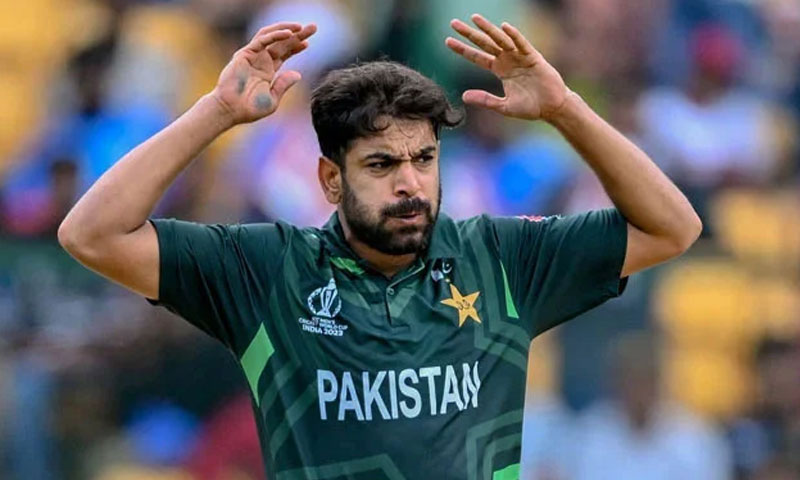
Mike Hesson Unconvinced, Haris Rauf Set to Miss T20 World Cup 2026
Fast bowler Haris Rauf is likely to miss out on selection for Pakistan’s squad for the ICC T20 World Cup 2026, scheduled to be held from February 7 to March 8 across India and Sri Lanka. According to Geo News, Rauf is not expected to be included in the 15-member squad being finalised for the marquee tournament. The right-arm pacer last represented Pakistan in the T20 format during the Asia Cup 2025 final against India and has not featured in the team since. Reports further revealed that Pakistan head coach Mike Hesson is not in favour of Rauf’s selection following his costly outing in the Asia Cup final in September 2025. In that match, Rauf conceded 50 runs in 3.4 overs without claiming a wicket, as India chased down a modest 147-run target in 19.4 overs to lift the trophy. Despite being Pakistan’s most prolific wicket-taker in T20 internationals — with 133 wickets in 94 matches — Rauf’s recent form and economy rate in high-pressure games have reportedly raised concerns within the team management. The pacer is currently playing in Australia’s Big Bash League, where he is representing the Melbourne Stars. Meanwhile, consultations are ongoing regarding Pakistan’s final squad for the T20 World Cup and the upcoming home T20I series against Australia. The Pakistan Cricket Board has already submitted a preliminary list of players to the International Cricket Council, although changes can still be made without ICC approval until January 31. Sources indicate that the probable squad includes captain Salman Ali Agha, Sahibzada Farhan, Saim Ayub, Fakhar Zaman, Shadab Khan, Babar Azam, Faheem Ashraf, Mohammad Nawaz, Usman Khan, and Abrar Ahmed. Other players under consideration are Shaheen Shah Afridi, Naseem Shah, Salman Mirza, and Khawaja Nafay. Abdul Samad, Mohammad Wasim Jr, and Usman Tariq are expected to be named among the reserve players. Pakistan have been placed in Group A alongside India, the United States, the Netherlands, and Namibia. All of Pakistan’s group-stage matches will be played in Sri Lanka. The Men in Green will begin their World Cup campaign against the Netherlands on February 7 in Colombo, followed by matches against the USA on February 10, arch-rivals India on February 15, and Namibia on February 18. Pakistan’s Super Eight fixtures, if qualified, will be held in Colombo and Kandy.

Mohammad Ilyas, Former Pakistan Test Player and Chief Selector, Passes Away in Lahore
Lahore: Former Pakistan Test cricketer and ex-chief selector Mohammad Ilyas passed away in Lahore on Monday after a prolonged illness. He was 79. Family sources said Ilyas had been admitted to a local hospital a few days earlier, where he underwent surgery. He had been battling cancer. Details regarding his funeral prayers will be announced later. Ilyas represented Pakistan in 10 Test matches, earning recognition as a disciplined cricketer during his playing days. Following his retirement from international cricket, he continued to serve the game in an administrative capacity, most notably as chief selector of the national team. Over the years, he also worked on various selection committees of the Pakistan Cricket Board, including heading the Women’s Cricket selection panel. His passing has prompted an outpouring of grief from former players, officials and fans across the country, who remembered him for his quiet dedication to Pakistan cricket both on and off the field. In a statement, the Pakistan Cricket Board expressed deep sorrow over Ilyas’ demise, acknowledging his contributions as a Test cricketer and selector. The board extended heartfelt condolences to his family and friends during this difficult time. PCB Chairman Mohsin Naqvi also offered his condolences, expressing solidarity with the bereaved family. He paid tribute to Mohammad Ilyas’ services to Pakistan cricket and prayed for the departed soul’s eternal peace, asking for strength and patience for the family in their loss. Mohammad Ilyas is remembered as a committed servant of the game whose influence extended beyond his playing career, helping shape Pakistan cricket through his work in selection and administration.
