
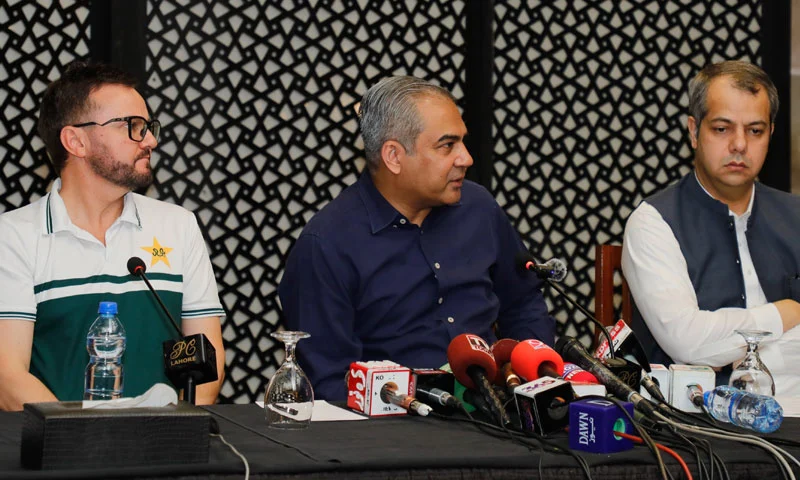
The Pakistan Cricket Board (PCB) has announced sweeping changes to its central contracts system, replacing its long-standing “one system for all” policy with a format-specific model that will assess players on fitness, domestic performances and the unique demands of different formats. PCB Chairman Mohsin Naqvi unveiled the new framework during a press conference in Lahore on Monday, describing it as a step towards greater transparency and accountability in Pakistan cricket. The move comes as the board seeks to address concerns over player evaluations and improve the national team’s performances in major international tournaments. Speaking to reporters, Naqvi said the selection committee faced a significant task in reshaping Pakistan cricket and ensuring contracts reflected merit and performance. “If this work had been going on for 70 years, then it was not in my knowledge,” Naqvi said when discussing the previous contracts system. PCB Chairman Mohsin Naqvi's press conference alongside Aqib Javed, Mike Hesson and senior PCB officials.📺 Watch here ➡️ https://t.co/EaGK5N4jMs#PakistanCricket pic.twitter.com/VrFPEiv19O— Pakistan Cricket (@TheRealPCB) June 15, 2026 He added that the PCB was reviewing performances over the past five years, including Test and domestic cricket records, to create a more balanced assessment process. The chairman stressed that the board was not relying on artificial intelligence but rather on objective data and measurable indicators. “The new model should not be confused with artificial intelligence; instead, it should be appreciated,” he said. Domestic Cricket and Performance Data to Play Bigger Role Naqvi acknowledged that Pakistan’s performances in major tournaments remained a concern despite stronger displays in bilateral series. “It is absolutely our responsibility to improve cricket. Our cricket team’s performance is better in series, but in tournaments, our team collapses. Work is now being done on this,” he said. The PCB chief revealed that domestic cricket data would become a key component of the contracts process. He said previous contracts often triggered debates over why certain players received higher categories than others. “Earlier, there used to be debate on central contracts over why someone got B and why someone got C,” Naqvi said. “Now, 85% of the central contract has gone into the hands of the computer.” According to Naqvi, the system will use performance metrics, fitness standards and domestic records to support decision-making and reduce subjectivity. He also confirmed that the PCB remained in contact with former cricketers, including Younis Khan, as part of broader consultations on improving the game. Format-Specific Model Reflects Modern Cricket In an official statement, the PCB said the changes reflected the realities of modern cricket, where Test specialists and T20 players often follow entirely different career paths. “Under the leadership of Chairman Mohsin Naqvi, the PCB has announced the introduction of a new and unique structure by making significant changes to its players’ central contracts system,” the board said. The PCB argued that the previous model no longer suited an era where players specialise in specific formats and face different workloads. According to the board, Test cricket, One-Day Internationals and T20 cricket require different skill sets, physical demands and professional priorities. “While most cricket boards around the world still place all players in the same categorisation and pit a Test specialist against a T20 franchise player for the same grade, the PCB, under the oversight of Chairman Naqvi, has decided to introduce a model that acknowledges the distinct identity and priorities of each format,” the statement added. Cricket observers say the reform could become one of the PCB’s most significant administrative changes in recent years, particularly as international cricket continues to evolve and player specialisation becomes increasingly common.

No More Leniency: PCB Enforces Strict Hotel Rules in PSL
The Pakistan Cricket Board has introduced strict new security measures for the ongoing Pakistan Super League 2026 following a high-profile breach involving Shaheen Shah Afridi and Sikandar Raza in Lahore. The move comes as the league faces growing scrutiny over discipline and security lapses during one of its most sensitive editions. New Rules: No Guests Without Approval According to reports, the PCB has enforced a strict new policy restricting player interactions inside team hotels. Under the revised rules: Players are not allowed to host guests in their rooms Only immediate family members may be allowed, with 24-hour prior approval required All other meetings must take place in designated public or business areas Clearance from team management and security officials is now mandatory These measures aim to ensure a controlled and secure environment during the tournament. Officials have made it clear that leniency in enforcing hotel protocols has now ended, especially given the heightened security environment surrounding PSL 2026. What Happened in Lahore? The crackdown follows a late-night incident on March 28 at a team hotel in Lahore. According to a police letter: A request was made twice to allow four visitors to meet Sikandar Raza The request was denied by PCB security officials and PSL management Despite this, the players allegedly bypassed security and escorted the visitors to a room The guests remained there for over two hours Authorities described the incident as a serious breach of established security protocols designed to protect players and the integrity of the league. Police and PCB Response Punjab Police formally reported the incident to PSL management, calling it a violation of the league’s safety framework. The letter stated that the players “disregarded the directives and forcefully escorted” visitors despite resistance from on-duty security staff. Officials stressed that strict compliance with protocols is essential to avoid “any untoward or potentially harmful situations.” Players Respond to Allegations Following the controversy, Sikandar Raza publicly took responsibility for the incident. He explained that the breach occurred due to confusion over updated rules, noting that in previous PSL seasons, players were generally allowed to meet family and friends inside hotels. Raza admitted he requested assistance from the team captain and was unaware of the stricter SOPs in place for this year’s tournament. PSL Under Pressure Amid Multiple Controversies The security breach comes at a time when PSL 2026 is already facing several challenges: Matches are being held under tight restrictions and limited access The tournament is being played in a controlled environment due to regional tensions and logistical issues Other controversies, including disciplinary cases, have raised concerns about governance Reports indicate that PCB leadership is keen to avoid further incidents and protect the league’s reputation. Why This Matters Security protocols in international sporting events are critical, especially in Pakistan where high-profile tournaments require coordinated efforts between law enforcement and cricket authorities. The latest measures highlight PCB’s intent to: Maintain a bio-secure and controlled environment Prevent disruptions to the tournament Reinforce discipline among players and staff With PSL expanding in scale and global visibility, ensuring strict compliance has become a top priority.
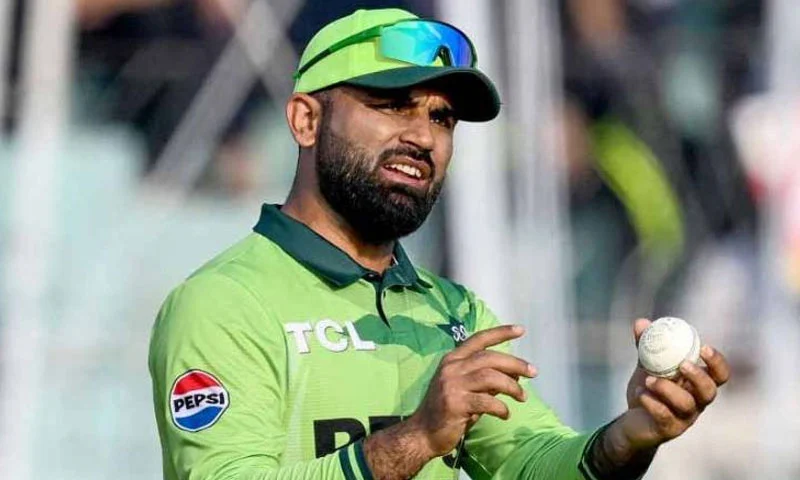
Ball Tampering Row: Fakhar Zaman Hit with Major PSL Ban After Controversial Incident
Pakistan batter Fakhar Zaman has been handed a two-match suspension by the Pakistan Cricket Board (PCB) after being found guilty of breaching the HBL Pakistan Super League code of conduct during a high-profile match. The decision comes after a disciplinary hearing into a controversial incident during a clash between Lahore Qalandars and Karachi Kings in the ongoing Pakistan Super League season. What Happened During the Match According to the PCB, the incident took place in the closing stages of the match at Lahore’s Gaddafi Stadium, when on-field umpires intervened after noticing concerns about the condition of the ball. Officials awarded five penalty runs to Karachi Kings and replaced the ball, a decision that proved crucial in the outcome of the match. The controversy centered around Fakhar Zaman’s actions, which were deemed to be in violation of Article 2.14 of the PCB Code of Conduct. This clause relates to altering the condition of the ball, which is strictly prohibited under cricket laws. PCB’s Verdict and Sanction After reviewing evidence, match referee Roshan Mahanama found Fakhar Zaman guilty of committing a Level 3 offence, the most serious category under the PSL code for such violations. In its official statement, the PCB said: “Fakhar Zaman has been suspended for two HBL PSL matches after he was found guilty of a Level III offence.” A Level 3 breach carries a minimum penalty of a one-match ban and can extend to two matches. The PCB imposed the maximum sanction in this case. Player’s Response and Hearing Details Fakhar Zaman denied the allegations and chose to contest the charge during a formal disciplinary hearing. The hearing was attended by key representatives from Lahore Qalandars, including captain Shaheen Shah Afridi and team management officials. Despite his defense, the match referee upheld the charge after reviewing all available evidence. Zaman retains the right to appeal the decision within 48 hours under PSL regulations. Impact on Lahore Qalandars The suspension is a significant blow for Lahore Qalandars, who will now miss one of their key batters in upcoming fixtures. The defending champions are scheduled to face strong opponents in the coming matches, making Zaman’s absence even more impactful. Wider PSL Controversy The incident has added to growing scrutiny around disciplinary standards in PSL 2026. Reports suggest that the league has recently witnessed multiple code of conduct issues, highlighting the PCB’s strict stance on maintaining the integrity of the game. Ball-tampering remains one of cricket’s most sensitive offences globally, with past incidents drawing severe penalties and widespread criticism. What the Rules Say Article 2.14 of the PCB Code of Conduct specifically prohibits any attempt to alter the condition of the ball. This includes: Scratching or damaging the surface Applying artificial substances Tampering with the seam Such actions are considered a serious breach because they can unfairly influence match outcomes.
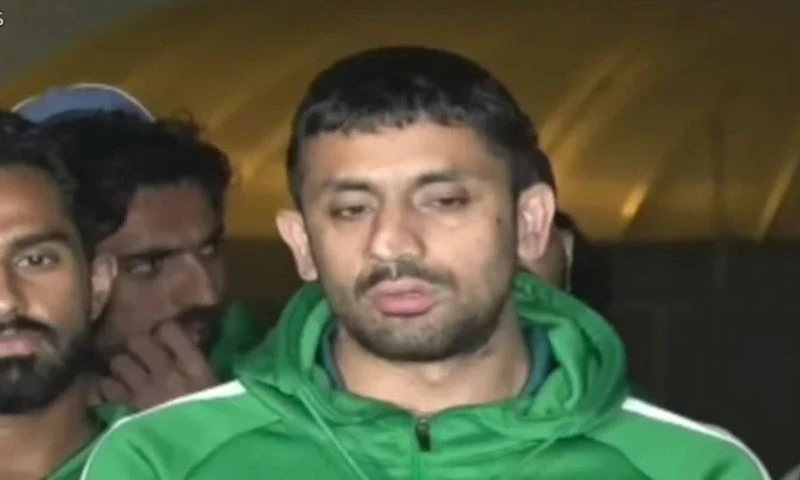
Pakistan Hockey Captain Blasts Federation After Troubled Australia Tour
Pakistan hockey is in turmoil after national team captain Ammad Shakeel Butt returned from the FIH Pro League tour in Australia and publicly accused the Pakistan Hockey Federation (PHF) and officials of severe mismanagement and mistreatment during the trip. Butt’s statements have deepened a growing controversy over how the team was handled abroad and triggered government attention. Speaking to media at Lahore airport, Butt confirmed troubling reports from the tour, saying players endured conditions no professional athlete should face. He alleged that the squad was forced to handle basic chores such as cooking, cleaning, washing dishes, and laundering their own clothes rather than receiving support from team management. According to Butt, these conditions caused unnecessary stress and humiliation for players representing Pakistan internationally. پاکستان ہاکی ٹیم آسٹریلیا سے واپس لاہور پہنچی تو فیڈریشن کا کوئی عہدیدار ہاکی کھلاڑیوں کو ریسیو کرنے آتا یہ تو دور کی بات گاڑی تک نہیں بھیجی گئی کہ عزت سے گھر پہنچ جائیں کھلاڑیوں نے ہم نیوز کے رپورٹر علی رضا رحمانی سے بات کی ۔ ایک کھلاڑی نے کہا میں دوسرے سے لفٹ لوں گا تو دوسرے… pic.twitter.com/HZjMdRvLUx — Umar Daraz Gondal (@umardarazgondal) February 17, 2026 >Butt also claimed that players were pressured with divisive questions by officials asking whether they supported the federation or the team captain, which he said was an attempt to create rifts within the squad. The captain insisted that the team stood united despite the alleged attempts to divide them. The controversy stems from the team’s tour for the second leg of the FIH Pro League in Hobart, Australia, where the national side also faced performance challenges on the field. Reports indicate Pakistan lost all matches in that leg against Germany and Australia. Meanwhile, additional issues emerged regarding accommodation and logistics. Videos emerged on social media showing team members in substandard housing, contributing to public outrage and embarrassment. Further media reports suggest hotel bookings were cancelled in some cases due to alleged non-payment, forcing players into makeshift sleeping arrangements and contributing to the chaotic tour experience. Some players reportedly had to share rooms due to lack of proper accommodation booking. I hope @CMShehbaz feel emabarce and take a serious action against the PHF.NO mercy this time please. The same thing has been happening for decades. pic.twitter.com/8W0VlD8duv— Adnan Zakir (@ad_grays) February 17, 2026 The controversy has drawn attention at the highest levels of government. Prime Minister Shehbaz Sharif has ordered an immediate inquiry into the tour’s management after receiving complaints of administrative lapses. The Pakistan Sports Board (PSB) is expected to lead the investigation, and federal authorities have made clear that those responsible for damaging Pakistan’s sporting reputation will face consequences. Advisor to the Prime Minister Rana Sanaullah said officials will be held accountable for their actions during the tour. This public dispute follows earlier reports of financial and administrative grievances within the hockey setup, including a players’ boycott of training over allowance disputes. Athletes expressed frustration over unclear responsibility for daily allowances and reductions in the amount provided for tours, which players said affected morale and dignity. Pakistan hockey holds a historic place as the nation’s traditional sport, with decades of legacy and past international success. But persistent administrative controversies and logistical failures risk overshadowing the team’s efforts and damaging its global standing at a time when international participation and performance remain critical.
