
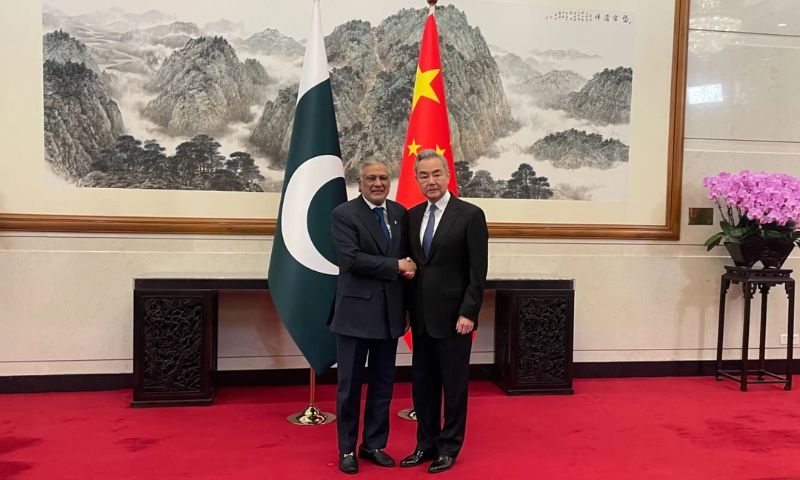
Pakistan and China have jointly called for an immediate ceasefire in the ongoing Iran war and urged all parties to begin peace talks “as soon as possible,” as global concern grows over escalating violence in the Middle East. The appeal was made during diplomatic engagement between Pakistan’s Deputy Prime Minister and Foreign Minister Ishaq Dar and his Chinese counterpart Wang Yi, with both sides emphasizing the urgent need to de-escalate tensions and restore stability in the region. According to official statements, the two countries agreed to “jointly promote a ceasefire and cessation of hostilities and the resumption of peace talks,” stressing that dialogue remains the only viable path to resolving the conflict. 🔊PR No.85/2026 Five-Point Initiative of China and Pakistan for Restoring Peace and Stability in the Gulf and Middle East Region (Beijing, March 31,2026)@MFA_China@PakinChina_https://t.co/8zjtGWe8VC 🔗⬇️ pic.twitter.com/fgWroQIX40 — Ministry of Foreign Affairs – Pakistan (@ForeignOfficePk) March 31, 2026 Urgent Call for Peace Talks The joint stance comes amid intensifying fighting involving Iran, the United States, and Israel, which has triggered a wider regional crisis. Both countries highlighted that initiating peace negotiations quickly is essential to prevent further escalation. A joint initiative also stressed that talks should begin “as soon as possible” to bring all sides to the negotiating table. China reiterated that “the pressing priority is to actively promote peace talks,” underlining the importance of seizing any opportunity for dialogue to end hostilities. Pakistan has also positioned itself as a key diplomatic bridge, maintaining communication with multiple stakeholders and offering to facilitate negotiations. Focus on Safety of Civilians and Waterways A major concern raised by both countries is the safety of civilians and critical infrastructure, particularly in conflict zones. The two sides emphasized the need to ensure the protection of non-military targets and maintain the safety of key maritime routes, especially the Strait of Hormuz, through which a significant portion of global oil supplies passes. They warned that disruption in these waterways could have severe global economic consequences, including rising fuel prices and supply chain instability. Pakistan’s Diplomatic Role Expands Pakistan has emerged as an important mediator in the crisis, with Islamabad offering to host peace talks between the United States and Iran. Officials say Pakistan’s balanced relations with both sides place it in a unique position to facilitate dialogue and reduce tensions. Foreign Minister Ishaq Dar has been actively engaging regional and global leaders, reaffirming Pakistan’s commitment to diplomacy and peaceful resolution of conflicts. Background of the Conflict The Iran war, which began in late February 2026 following US and Israeli strikes on Iranian targets, has rapidly escalated into a broader regional confrontation. Iran has responded with retaliatory attacks, including strikes on Gulf states and disruption of shipping routes. The conflict has drawn international attention due to its impact on global energy markets and geopolitical stability. Despite rising tensions, diplomatic efforts are gaining momentum, with multiple countries pushing for negotiations to prevent further escalation. A Critical Moment for Diplomacy The joint call by Pakistan and China reflects growing international pressure to end the conflict through dialogue rather than military means. Analysts say that the coming days will be crucial in determining whether peace talks can be initiated or if the situation will deteriorate further. As the crisis unfolds, both countries have reiterated that sustained diplomacy, mutual respect, and dialogue remain the only viable solutions to achieving long-term peace in the region.
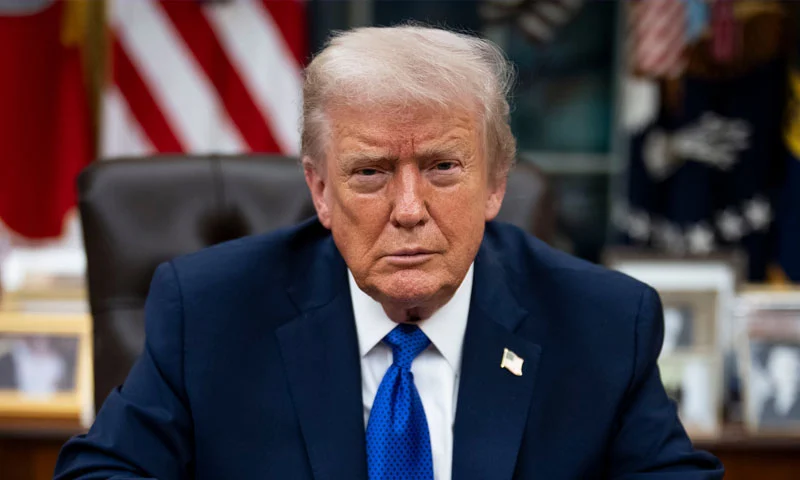
US President Donald Trump Threatens Iran’s Oil and Power Infrastructure if Talks Fail
US President Donald Trump has issued a stark warning to Iran, threatening to destroy key energy infrastructure and desalination plants if ongoing negotiations collapse, escalating tensions in an already volatile Middle East conflict. In a post on Truth Social, Trump signaled both urgency and aggression, making it clear that failure to reach a deal could trigger devastating military action. He wrote that if an agreement is not reached soon, the United States would move to strike Iran’s critical infrastructure, including power plants, oil wells, and potentially water desalination facilities. “We have, really, regime change,” Trump said, adding that leadership in Iran has already shifted significantly. He also emphasized that the US is now dealing with “different people than anybody’s dealt with before.” Direct Threat to Energy and Water Infrastructure Trump’s warning specifically highlighted energy sites as primary targets, including oil facilities and power generation plants, which are central to Iran’s economy and daily life. Reports also indicate that desalination plants, which provide critical drinking water in parts of Iran, could be targeted if talks fail. The president has repeatedly stressed that reopening the Strait of Hormuz, a key global oil shipping route, remains a top priority. He warned that failure to do so could result in the United States taking decisive action to “destroy” infrastructure tied to Iran’s energy sector. Talks Continue Amid Rising Pressure Despite the strong rhetoric, Trump suggested that negotiations are ongoing with what he described as a “new, and more reasonable” Iranian leadership. He expressed cautious optimism, stating that progress has been made, but warned that talks could be abandoned if Iran does not comply with US demands. “We’re dealing with different people now,” Trump said, indicating a shift in diplomatic engagement, while also suggesting that Iran is under pressure to reach an agreement. However, Iranian officials have denied the existence of direct talks, calling US claims misleading and accusing Washington of using diplomacy as a cover for military escalation. Escalating Conflict and Global Impact The threats come amid an ongoing war that began in February 2026, with US and Israeli strikes targeting Iranian military and nuclear sites. In response, Iran has carried out retaliatory attacks across the region, including strikes on energy infrastructure in Gulf countries. The conflict has disrupted global oil supply chains, particularly through the Strait of Hormuz, through which nearly 20 percent of the world’s oil passes. As a result, oil prices have surged, intensifying a global energy crisis. Experts warn that targeting energy and water infrastructure could have severe humanitarian consequences, as such facilities are essential for civilian life. As the situation unfolds, the world is closely watching whether diplomacy can prevail or if the conflict will escalate further. Trump’s warning has significantly raised the stakes, placing energy infrastructure at the center of the crisis and signaling that military options remain firmly on the table. Whether talks succeed or fail may determine not only the future of US-Iran relations but also the stability of global energy markets.
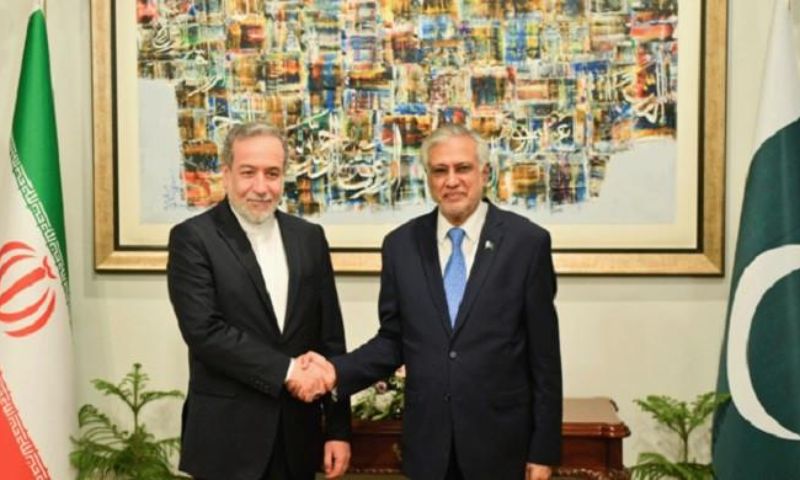
Iran Allows 20 Pakistani Ships Through Hormuz in Major Breakthrough
B6Pakistan has received a major boost amid ongoing regional tensions, as Iran has agreed to allow 20 additional Pakistani-flagged ships to pass through the strategically vital Strait of Hormuz, in what officials describe as a positive step toward stability. Deputy Prime Minister and Foreign Minister Ishaq Dar announced the development, saying the arrangement would allow two Pakistani ships to cross the strait daily. “I am pleased to share a great news that the Government of Iran has agreed to allow 20 more ships under the Pakistani flag to pass through the Strait of Hormuz; two ships will cross the Strait daily,” Dar said in a post on X. A ‘Constructive Gesture’ Amid Tensions Dar described Tehran’s move as a significant diplomatic breakthrough at a time when the Strait of Hormuz has become a major flashpoint due to escalating conflict in the region. “This is a welcome and constructive gesture by Iran and deserves appreciation. It is a harbinger of peace and will help usher stability in the region,” he said. He added, “This positive announcement marks a meaningful step toward peace and will strengthen our collective efforts in that direction.” Emphasising the importance of diplomacy, Dar said, “Dialogue, diplomacy, and such confidence-building measures are the only way forward.” Read More: After 5-Day Pause, US President Donald Trump Extends Iran Attack Halt by 10 More Days Strategic Importance of the Strait of Hormuz The Strait of Hormuz is one of the world’s most critical maritime chokepoints, handling nearly 20 percent of global oil trade. The ongoing conflict between Iran, the United States, and Israel has significantly disrupted shipping through the strait, with attacks on vessels and warnings from Iranian forces leading to a sharp drop in maritime traffic. At one point, tanker traffic fell drastically, and hundreds of ships were left stranded or delayed due to safety concerns and rising insurance costs. Relief for Pakistan’s Energy and Trade Routes Pakistan relies heavily on maritime routes through the Gulf for energy imports, with nearly 90 percent of its oil supplies transported via these waters. The disruption had raised fears of fuel shortages and economic pressure, prompting Islamabad to take emergency measures and launch a naval operation to secure shipping routes. The latest agreement with Iran is expected to ease some of these concerns, allowing Pakistani vessels to resume operations under controlled conditions. Read More: PM Shehbaz Sharif offers to host US-Iran talks, Donald Trump re-shares proposal Part of Broader Regional Dynamics The development comes as Iran has selectively allowed ships from friendly or neutral countries to pass through the strait while restricting others amid the conflict. Pakistan has also positioned itself as a diplomatic intermediary in the crisis, engaging with regional and global stakeholders to promote dialogue and de-escalation. Read More: PM Shehbaz Sharif offers to host US-Iran talks, Donald Trump re-shares proposal Analysts say the move signals a cautious easing of tensions and could pave the way for further confidence-building measures in the region.
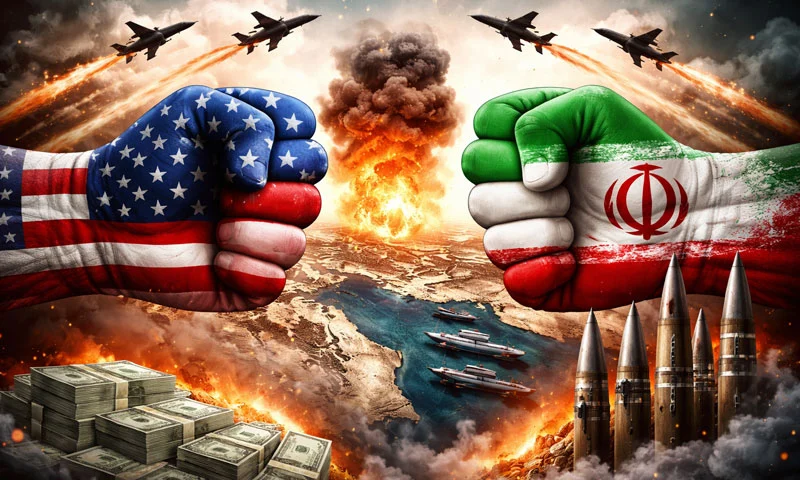
Trump’s 15-Point Plan vs Iran’s Demands: Key Differences Explained
The United States has presented a comprehensive 15-point ceasefire plan to Iran as part of efforts to end the ongoing conflict that has raised tensions across the Middle East. The proposal, reportedly conveyed through diplomatic channels including Pakistan, outlines a structured framework focused on nuclear restrictions, regional security, and stability in global energy markets. Officials say the plan is designed to halt hostilities while creating a pathway for long-term peace negotiations. Trump’s Key Demands from Iran Under President Donald Trump’s proposal, Washington has outlined the following key conditions: Immediate halt to uranium enrichment Dismantling of key nuclear facilities Strict international monitoring of Iran’s nuclear program End to development of ballistic missiles Restrictions on long-range missile capabilities Full reopening of the Strait of Hormuz Guaranteed safe passage for global oil shipments End to support for regional proxy groups Reduction of military activities across the Middle East Commitment to regional de-escalation Cooperation with international inspectors Agreement to long-term nuclear compliance Full transparency in nuclear and military programs Avoidance of further escalation in the Gulf Participation in formal peace negotiations These demands reflect US concerns over Iran’s nuclear ambitions, missile program, and regional influence. Incentives Offered by the United States In exchange, the US has offered several incentives to encourage Iran to accept the proposal: Complete lifting of economic and financial sanctions Restoration of access to global financial systems Removal of snapback sanctions Support for Iran’s civilian nuclear program Opportunities for economic cooperation and trade Gradual reintegration into global markets Officials believe these incentives could ease economic pressure on Tehran and support diplomatic progress. Iran’s Counter Demands and Conditions Iran has responded with its own conditions, outlining key demands before agreeing to any ceasefire: Immediate and unconditional end to military operations Binding guarantees against future US or allied attacks Financial compensation for war-related damages Recognition of Iran’s right to maintain its nuclear program Rejection of dismantling nuclear infrastructure No restrictions on its ballistic missile program Continued control over the Strait of Hormuz Respect for Iran’s sovereignty and territorial integrity Complete removal of sanctions before compliance No external interference in its domestic or regional policies Iran has made it clear that its missile program and strategic autonomy are non-negotiable. Strait of Hormuz Remains Central to Crisis The Strait of Hormuz has emerged as a critical point in the standoff. The waterway carries nearly 20 percent of global oil shipments, making it one of the most important energy routes in the world. The US has pushed for its reopening, while Iran has used it as leverage in negotiations. Pakistan’s Role in Mediation Pakistan has emerged as a key diplomatic intermediary during the crisis. Reports indicate that Islamabad has facilitated communication between the US and Iran and has offered to host talks between the two sides. This has placed Pakistan at the center of international efforts to de-escalate tensions. A Fragile Path Toward Peace Despite the detailed proposals, major differences remain between Washington and Tehran. Iran has denied formal negotiations, while the United States continues to keep military options open. Experts say the coming days will be critical in determining whether diplomacy succeeds or tensions escalate further.

Oil Prices Fall on Ceasefire Hopes in Middle East, Offering Relief to Global Markets
Global oil prices dropped sharply after growing optimism over a possible ceasefire in the Middle East eased fears of supply disruptions, offering potential relief to economies and consumers worldwide. Oil Prices Drop on Peace Signals Oil markets reacted strongly after reports suggested that the United States had proposed a ceasefire plan to Iran, raising hopes of de-escalation in the region. Brent crude fell below the $100 mark, while US West Texas Intermediate also saw a significant decline. The drop followed weeks of volatility triggered by the conflict, which had disrupted supply routes, particularly through the Strait of Hormuz, a key passage for about 20 percent of global oil trade. Earlier, oil prices had surged above $120 per barrel amid fears of prolonged supply shortages and attacks on energy infrastructure. Why Markets Reacted So Quickly Analysts say oil prices are highly sensitive to geopolitical developments, especially in the Middle East, which plays a central role in global energy supply. The possibility of a ceasefire suggests that shipping lanes could reopen and production disruptions may ease. This prompted traders to sell positions, leading to a sharp fall in prices. However, experts caution that the situation remains fragile. Any escalation or renewed attacks could quickly reverse the trend and push prices higher again. Impact on Global Economy The recent conflict had already caused a severe energy shock, removing millions of barrels of oil from global markets and driving up costs for fuel, transport, and manufacturing. Countries heavily dependent on imported oil, particularly in Asia, have been among the hardest hit, facing rising inflation and economic pressure. The latest price drop could help stabilise markets and ease inflation concerns, especially if ceasefire talks lead to a lasting resolution. What It Means for the Average Person For everyday consumers, falling oil prices can translate into lower petrol and diesel prices, although the impact is often delayed depending on government policies and taxes. In Pakistan and similar economies, even a $5 to $10 drop in global oil prices can reduce fuel costs by several rupees per litre, easing pressure on household budgets. Lower fuel prices also reduce transportation costs, which can bring down the prices of essential goods such as food and services. Delivery charges, public transport fares, and electricity costs may also stabilise over time. However, economists warn that if the geopolitical situation remains unstable, any relief could be temporary. Continued Uncertainty in Energy Markets Despite the current dip, the global oil market remains highly volatile. The Middle East conflict has already damaged key energy infrastructure and disrupted supply chains, with long-term impacts still unfolding. Analysts say sustained peace is necessary to ensure stable prices. Without it, oil markets could continue to fluctuate sharply, affecting both economies and consumers worldwide.
Pakistan Becomes Secret Power Player in US-Iran Talks
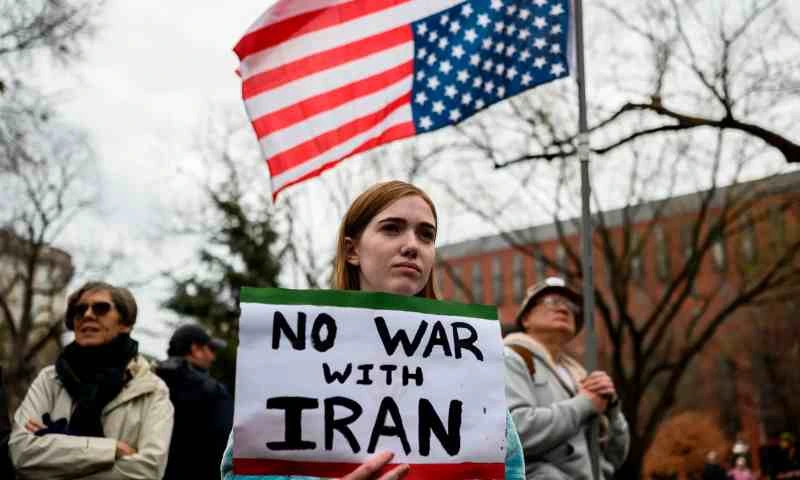
Pakistan has stepped into the global spotlight as quiet but critical diplomatic efforts unfold between the United States and Iran, with Islamabad playing a central role in facilitating indirect communication amid rising regional tensions. Pakistan’s Role as a Go-Between According to officials, Pakistan has been acting as a mediator for some time, relaying messages between Washington and Tehran. However, its involvement has intensified in recent days as fears of a wider conflict grew, particularly over energy infrastructure and the Strait of Hormuz. Reports from international outlets such as Financial Times and Axios indicate that senior officials from Pakistan, along with counterparts from Turkiye and Egypt, have separately engaged with US Special Envoy Steve Witkoff and Iranian Foreign Minister Abbas Araghchi to convey positions between both sides. Despite these exchanges, there has been no direct contact between the US and Iran. A source involved in the process said, “The strategic synergy between Ankara, Cairo and Islamabad has established a vital diplomatic conduit,” adding that it was “more than just crisis management” and was “making tangible progress toward resolving outstanding issues.” Focus on De-escalation and Hormuz The backchannel talks are not limited to an immediate ceasefire. Officials revealed that discussions include reopening the Strait of Hormuz, preventing attacks on energy infrastructure, and outlining a broader framework to end hostilities. Iran has acknowledged receiving messages through “friendly countries” but insists that its response remains based on “principled positions.” Publicly, Tehran continues to deny any negotiations, framing US claims as attempts to influence global markets. Iranian officials have maintained that any resolution must include guarantees against future US or Israeli attacks, compensation for damages, and recognition of its strategic rights. Meanwhile, US officials argue that indirect diplomacy has helped create conditions for a pause in escalation. One source noted that “quiet communication is often the most direct path to global peace.” Pakistan Positions Itself as Regional Stabiliser Islamabad has framed its role as part of a broader diplomatic strategy. Officials describe Pakistan as a “net regional stabiliser,” using its unique ties with both Washington and Tehran to encourage dialogue over confrontation. Prime Minister Shehbaz Sharif reinforced this position during a phone call with Iranian President Masoud Pezeshkian, expressing concern over “dangerous ongoing hostilities” and stressing “the urgent need to work collectively for de-escalation and a return to dialogue and diplomacy.” He also emphasised “the critical importance of unity in the ranks of the Ummah.” Wider Diplomatic Context Pakistan’s involvement comes amid a broader regional effort that includes Turkiye and Egypt, reflecting a coordinated attempt to prevent a major escalation in the Middle East. Analysts note that Pakistan’s longstanding ties with both Iran and Gulf states place it in a rare position to act as a bridge. There are also reports suggesting that US President Donald Trump may have engaged Pakistan’s military leadership during this period, although no official confirmation has been issued. As tensions continue, officials suggest that Pakistan could even emerge as a potential venue for future talks.
US President Donald Trump Pauses Attack on Iranian Power Plants After ‘Productive Talks’
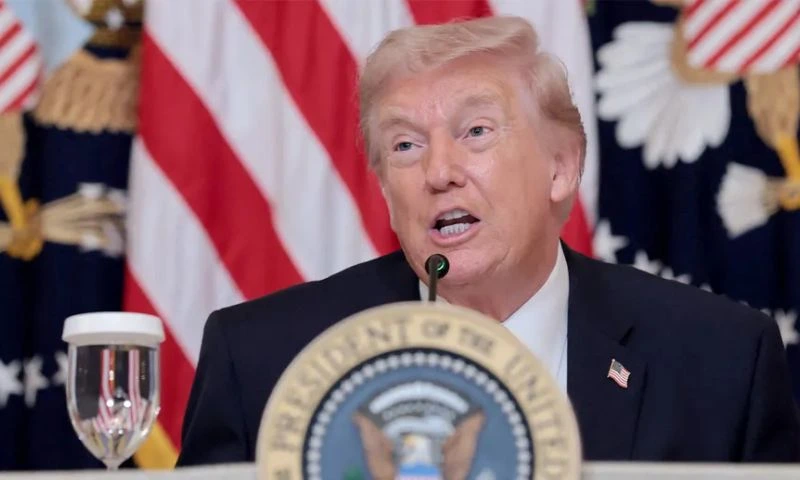
US President Donald Trump has postponed planned military strikes on Iranian power plants and energy infrastructure, signaling a possible shift toward diplomacy amid rising tensions in the Middle East. The decision comes after what Trump described as “very good and productive conversations” between the United States and Iran regarding a potential resolution to ongoing hostilities. He announced that the strikes would be delayed for five days to allow time for further discussions, adding that the move depends on the success of ongoing negotiations. Ultimatum Linked to Strait of Hormuz The postponement follows a sharp escalation in tensions after Trump had earlier warned Iran to reopen the Strait of Hormuz. The strategic waterway is one of the world’s most important oil routes, carrying a significant portion of global energy supplies. Any disruption in this passage has immediate global economic consequences. Trump had threatened to target Iranian power plants if the Strait was not reopened within a set deadline, raising fears of a broader conflict. BREAKING PRESIDENT TRUMP: 🇺🇸🇮🇷 We had very good and productive conversations regarding a complete and total resolution of hostilities in the Middle East.Military strikes postponed for 5 days. pic.twitter.com/wiZh9F1H5p— Donald J Trump Posts TruthSocial (@TruthTrumpPost) March 23, 2026 Iran’s Position and Denial of Talks Despite Trump’s claims, Iranian officials have denied that any direct or indirect negotiations are taking place with the United States. Tehran has maintained a firm stance, warning that any attack on its energy infrastructure would trigger strong retaliation across the region. Iran has previously indicated that it could target energy facilities and strategic assets if its own infrastructure is hit, increasing the risk of escalation. War Background and Regional Impact The current crisis is part of a wider conflict that began in late February after US and Israeli strikes on Iranian targets. The confrontation has already resulted in thousands of casualties and has significantly disrupted global markets. The Strait of Hormuz has been at the center of the standoff, with Iran restricting shipping routes and causing instability in global oil supplies. Markets React to De-Escalation The announcement of a delay in strikes had an immediate impact on global markets. Oil prices dropped sharply, while stock markets showed gains as fears of an immediate military escalation eased. However, analysts warn that the situation remains fragile, as conflicting statements from both sides create uncertainty about the future. What Comes Next The five-day window is now being seen as a critical period for diplomacy. Trump has expressed optimism about reaching a deal, stating that both sides want to resolve the conflict. At the same time, Iran’s denial of talks and continued warnings suggest that tensions remain high. A Region Still on Edge While the postponement has reduced immediate fears of conflict, the Middle East remains on edge. Experts say that any failure in negotiations could quickly lead to renewed military action, with serious consequences for global energy markets and regional stability.
20,000 Seafarers Trapped as Nations Propose Safe Corridor
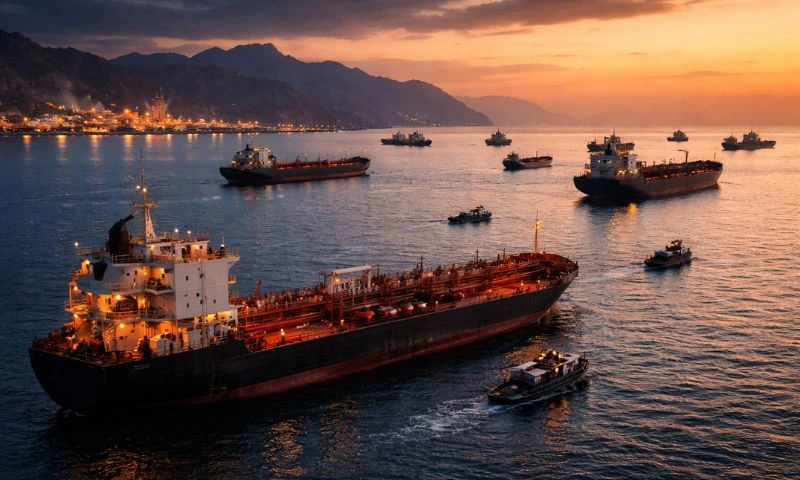
A growing humanitarian crisis is unfolding in the Gulf as around 20,000 seafarers remain stranded amid escalating regional tensions. In response, several countries have proposed the creation of a safe maritime corridor to enable the evacuation of ships and protect crew members trapped in high-risk waters. Safe Corridor Proposal Gains Momentum The proposal was presented at a meeting of the United Nations’ International Maritime Organization in London. Countries including Bahrain, Japan, Panama, Singapore, and the United Arab Emirates have backed the initiative, with support from the United States. The plan calls for “a framework such as a safe maritime corridor” to allow vessels to exit the Gulf safely. Officials stressed that the main objective is to “facilitate the safe evacuation of merchant ships” and protect the lives of thousands of seafarers caught in the conflict zone. Conflict Disrupts Global Shipping Routes The crisis stems from escalating tensions involving Iran, which has led to serious threats against ships attempting to pass through the Strait of Hormuz. Hundreds of vessels have halted operations or dropped anchor, leaving crews stranded at sea. The Strait of Hormuz is one of the world’s most critical energy corridors, handling nearly one-fifth of global oil and gas supplies. Any disruption in this route has immediate implications for global energy markets and maritime trade. Shipping activity has already declined sharply, with tanker movements dropping significantly as companies suspend operations due to safety risks and rising insurance costs. Rising Humanitarian Concerns Beyond economic disruption, the situation has raised serious humanitarian concerns. According to the International Maritime Organization, multiple incidents have occurred since the conflict escalated, resulting in fatalities and injuries among crew members. IMO Secretary-General Arsenio Dominguez warned that seafarers “must not become victims of broader geopolitical tensions,” emphasizing the urgent need for de-escalation and protective measures. Reports also indicate that thousands of additional passengers and crew members are stranded across hundreds of vessels, facing uncertainty, limited mobility, and mounting psychological stress. Global Powers Weigh Security Measures The crisis has prompted discussions among global powers about securing maritime routes. NATO officials have indicated that member states are exploring options to ensure safe passage, while the United States has urged nations to help maintain security in the Strait of Hormuz. At the same time, Iran has stated that it continues to provide humanitarian assistance to vessels and crews in the region, even as tensions remain high. Broader Implications for Trade and Energy The ongoing disruption highlights the vulnerability of global supply chains to geopolitical shocks. A prolonged crisis could lead to sustained increases in shipping costs, energy prices, and delivery delays across international markets. For countries dependent on imported energy, including Pakistan, any instability in the Gulf directly impacts fuel prices, inflation, and economic stability. A Crisis Demanding Urgent Action The proposal for a safe corridor reflects a growing consensus that immediate action is needed to prevent further loss of life and restore confidence in global shipping routes. As diplomatic efforts continue, the fate of thousands of seafarers remains uncertain, underscoring the human cost of geopolitical conflict in one of the world’s most strategic regions.
Trump Pressures Allies to Secure Strait of Hormuz but Nations Hold Back
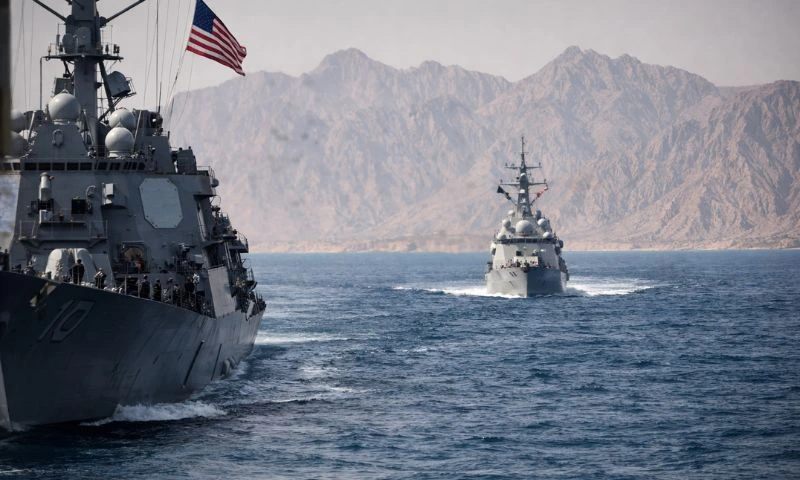
US President Donald Trump has called on multiple countries to deploy naval forces to secure the Strait of Hormuz, as tensions in the Middle East continue to escalate. However, key allies have so far stopped short of committing military support, exposing divisions over how to respond to the crisis. Speaking to reporters, Trump said he had reached out to “about seven” countries to help safeguard the critical shipping route, which carries nearly 20 percent of the world’s traded oil. He made his position clear, stating: “I’m demanding that these countries come in and protect their own territory.” NATO warning raises stakes Trump also issued a strong warning to allies, particularly within NATO, suggesting that failure to respond could have long-term consequences for the alliance. He said: “If there’s no response or if it’s a negative response I think it will be very bad for the future of NATO.” The remarks underline Washington’s growing frustration as it seeks greater burden-sharing from partners in managing the escalating Iran conflict. Allies hesitate despite US pressure Despite the urgency from Washington, several countries have reacted cautiously and avoided firm commitments. The United Kingdom acknowledged discussions with the US but has not agreed to send warships. Officials indicated that London is reviewing the situation carefully before taking any action. France has also refrained from making a military commitment, emphasizing the need for diplomatic efforts and de-escalation rather than immediate naval deployment. China, which is heavily dependent on oil shipments through the strait, called for stability and urged all sides to avoid further escalation. Beijing stopped short of offering any direct security role. South Korea has also taken a cautious stance. While it relies on Middle Eastern energy supplies, Seoul has said it is monitoring the situation closely and has not confirmed any military involvement. These responses reflect a broader concern among global powers about being drawn into a widening regional conflict. Iran signals control over access On the other side, Iran has maintained that control of the Strait of Hormuz remains firmly in its hands. Foreign Minister Abbas Araghchi said that decisions regarding access to the waterway are a military matter. He stated: “this is up to our military to decide.” He also confirmed that several countries had approached Iran seeking assurances for safe passage. However, Iran has taken a hard line against Washington. Araghchi said: “we don’t see any reason why we should talk with Americans.” Oil markets react to uncertainty The rising tensions have already shaken global energy markets. Oil prices surged sharply, with West Texas Intermediate crossing $100 per barrel and Brent crude rising above $106, reflecting fears that any disruption in the strait could choke global supply. Energy analysts warn that even a partial disruption could trigger a global economic shock, as major economies depend heavily on oil flowing through the route. Global risk grows as uncertainty continues The lack of coordinated action among allies highlights the complexity of the situation. While the US is pushing for a collective security response, other nations appear reluctant to commit military resources without a clear strategy or international consensus. With tensions continuing to rise and no unified response in sight, the Strait of Hormuz remains at the center of a high-stakes geopolitical standoff that could reshape global energy and security dynamics.
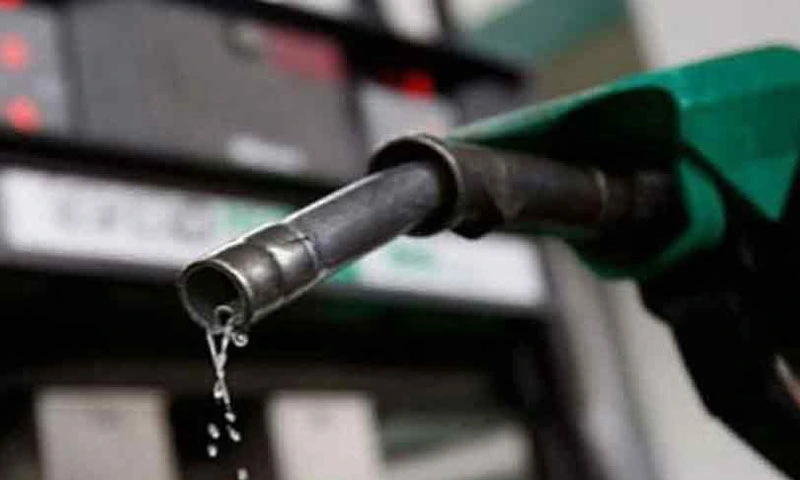
Pakistan Holds Four Weeks of Fuel as Global Oil Routes Face Disruption
Pakistan currently has enough petroleum reserves to meet domestic demand for about 28 days, according to officials from the Oil and Gas Regulatory Authority. Authorities say the country built these reserves as a precaution amid escalating tensions in the Middle East. Officials explained that surplus fuel imports in recent months helped maintain a comfortable stock of petrol and diesel. These precautionary measures increased reserves to more than 25 days in January and around 28 days in February. The move was intended to shield Pakistan from potential disruptions in global oil supply routes. “We have ample stocks of petrol and diesel to meet the country’s requirement,” officials said while confirming that consumers should not face immediate shortages. Strait of Hormuz Disruption Delays Oil Cargoes Despite the reassuring stock levels, global developments have created uncertainty. Two crude oil cargoes bound for Pakistan remain delayed because of disruptions around the Strait of Hormuz, a vital shipping corridor connecting the Persian Gulf to global markets. The strait is one of the world’s most critical energy routes. Around 20 million barrels of oil and petroleum products pass through it daily, representing nearly one fifth of global oil supply. Major exporters such as Saudi Arabia, Iran, the United Arab Emirates, Kuwait and Iraq rely heavily on this route for shipments to Asia. Recent regional tensions and security concerns have disrupted shipping activity in the area, affecting crude deliveries to several countries, including Pakistan. Government Monitoring Energy Supply Situation Pakistan’s Petroleum Division earlier instructed the Oil and Gas Regulatory Authority to maintain adequate stocks of crude oil and refined petroleum products. The aim is to ensure supply continuity in case the regional conflict affects shipping routes or trade flows. Authorities are also monitoring imports of petrol, diesel and liquefied petroleum gas to ensure shipments arrive on schedule. The government has asked energy regulators to closely track supply chains in light of the evolving security situation in the Gulf. Rising Global Oil Prices Add Pressure The conflict has already affected global energy markets. Brent crude oil prices jumped by about 10 percent to above $82 per barrel after attacks on vessels near the Strait of Hormuz. Natural gas prices also rose sharply, reflecting fears of supply disruptions. Analysts warn that if tensions persist and key waterways remain closed, global energy markets could face further volatility. Pakistan’s import bill may also rise significantly if oil prices climb to higher levels. Officials say the government is closely monitoring international developments to ensure the country’s energy security remains stable. Experts Warn of Possible Global Oil Crisis Energy experts caution that prolonged conflict in the Gulf region could trigger a wider global oil crisis. Pakistan’s reserves offer a temporary cushion, but sustained disruptions to shipping routes could create challenges for many countries that rely heavily on imported fuel. For now, authorities insist that fuel supplies in Pakistan remain stable and that contingency measures are in place to avoid panic or market disruptions.
