
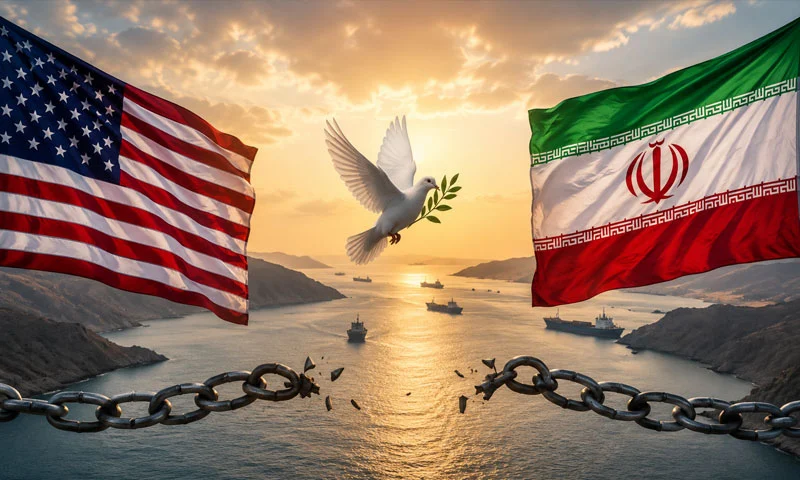
The United States and Iran are moving closer to a possible agreement aimed at ending the conflict in the Gulf, according to sources familiar with the talks. The proposed deal could ease tensions around the Strait of Hormuz after weeks of military escalation and disruptions to global energy supplies. A source confirmed that a report by Axios on a one page memorandum between Washington and Tehran was accurate. “We will close this very soon. We are getting close,” the source said. Read More: US pauses ‘Project Freedom’ amid breakthrough talks with Iran The development came shortly after US President Donald Trump paused “Project Freedom,” a naval mission launched to escort commercial ships through the blocked strait. Trump said negotiations with Iran had shown “great progress.” “We have mutually agreed that, while the Blockade will remain in full force and effect, Project Freedom (The Movement of Ships through the Strait of Hormuz) will be paused for a short period of time to see whether or not the Agreement can be finalised and signed,” Trump wrote on social media. 14-point memorandum under negotiation According to Axios, the proposed memorandum contains 14 points and could formally end the war while launching a 30 day negotiation period for a broader agreement. The talks reportedly involve US envoys Steve Witkoff and Jared Kushner alongside Iranian officials, both directly and through mediators. Pakistan has played a central mediation role throughout the crisis. Last month, it hosted the only peace talks between the two sides and continues to relay proposals between Washington and Tehran. The proposed framework includes a temporary halt to Iran’s nuclear enrichment activities. In return, the United States would gradually lift sanctions and release billions of dollars in frozen Iranian funds. Both countries would also begin removing restrictions around shipping through the Strait of Hormuz. Read More: Oil Falls as US Moves to Free Stranded Ships in Strait of Hormuz The White House and Iran’s foreign ministry have not officially commented on the details. However, CNBC quoted an Iranian foreign ministry spokesperson as saying Tehran was evaluating the 14 point US proposal. Oil prices tumble as markets react Financial markets reacted quickly to the reports. Brent crude futures dropped more than eight percent and fell near the $100 per barrel mark. Global stock markets also climbed as investors anticipated a possible end to the conflict. The Strait of Hormuz has remained largely shut since the United States and Israel launched strikes on Iran on February 28. Iran later restricted most commercial shipping through the route, while Washington imposed a blockade on Iranian ports in April. Trump’s naval escort mission struggled to restore confidence among shipping companies. At the same time, Iran intensified attacks on vessels and targets near the Gulf. Read More: New Passport Design in US to Include Trump Picture A French shipping company reported Wednesday that one of its container ships had been struck in the strait a day earlier. The company confirmed that authorities evacuated injured crew members. Iranian Foreign Minister Abbas Araqchi, speaking during a visit to China, did not directly address Trump’s announcement. However, he said Tehran continued to seek “a fair and comprehensive agreement.” Despite the optimism, uncertainty remains high. One US official told Axios that Washington could restore the blockade or resume military operations if negotiations collapse.
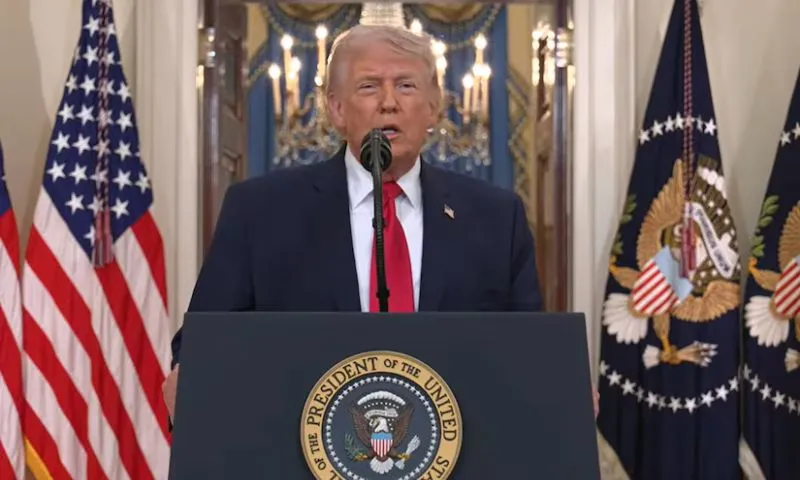
US pauses ‘Project Freedom’ amid breakthrough talks with Iran
United States President Donald Trump said on Tuesday he would briefly pause a military-backed operation escorting commercial ships through the Strait of Hormuz, citing “great progress” toward a comprehensive agreement with Iran. The move came hours after Secretary of State Marco Rubio detailed the effort, which began on Monday to guide stranded tankers out of the Gulf. The strait has remained largely shut since the conflict escalated, choking nearly 20 percent of global oil supplies and fueling a sharp energy crisis. Read More: Oil Falls as US Moves to Free Stranded Ships in Strait of Hormuz In a post on Truth Social, Trump said the decision followed requests from Pakistan and other countries. “Based on the request of Pakistan and other Countries, the tremendous Military Success that we have had during the Campaign against the Country of Iran and, additionally, the fact that Great Progress has been made toward a Complete and Final Agreement with Representatives of Iran, we have mutually agreed that, while the Blockade will remain in full force and effect, Project Freedom (The Movement of Ships through the Strait of Hormuz) will be paused for a short period of time to see whether or not the Agreement can be finalized and signed,” he wrote. pic.twitter.com/a1FIT7QKVw— Rapid Response 47 (@RapidResponse47) May 5, 2026 There was no immediate response from Tehran, where officials have yet to publicly acknowledge the development. Oil markets react, uncertainty lingers Shortly after Trump’s remarks, US crude futures dropped by $2.30, slipping below the key $100 per barrel mark. Traders had closely watched this level since the conflict pushed energy prices sharply higher over the past two months. Read More: Spirit Airlines Prepares to Shut Down After Years of Losses The White House did not clarify what progress negotiators had achieved or how long the pause would last. Analysts say even a temporary halt signals easing tensions in a region that handles one of the world’s most critical oil routes. Iran has effectively sealed off the strait since the US and Israeli campaign began in late February. In response, Washington imposed a blockade on Iranian ports and launched escorted transits under what Trump dubbed “Project Freedom.” Iranian forces targeted some of these convoys, raising fears of renewed escalation. معادلهٔ جدید تنگهٔ هرمز در حال تثبیت است. امنیت کشتیرانی و ترانزیت انرژی به دست آمریکا و متحدانش با نقض آتشبس و اعمال محاصره به خطر افتاده است؛ البته شرّشان کم خواهد شد.خوب میدانیم که استمرار وضع موجود برای آمریکا غیر قابل تحمل است؛ درحالی که ما هنوز حتی شروع هم نکردهایم.— محمدباقر قالیباف | MB Ghalibaf (@mb_ghalibaf) May 5, 2026 Iran’s Revolutionary Guards navy warned it would deliver a “firm response” if vessels deviated from approved routes. Meanwhile, Tehran’s chief negotiator said talks “had not even started yet,” despite the reported progress. US declares military objectives achieved Rubio told reporters at the White House that Washington had met its core military goals. “Operation Epic Fury is concluded,” he said. “We’re not cheering for an additional situation to occur.” He stressed the mission was defensive. “This is not an offensive operation; this is a defensive operation,” Rubio said. “And what that means is very simple, there’s no shooting unless we’re shot at first.” Rubio added that Iran now faces “real, catastrophic destruction to their economy,” while reiterating that Trump prefers a negotiated settlement. Read More: New Passport Design in US to Include Trump Picture Defense Secretary Pete Hegseth said the US had secured a viable route through the waterway, with hundreds of commercial vessels waiting to transit. He noted the fragile ceasefire still holds. General Dan Caine said Iranian attacks remained below the threshold for resuming major combat operations. Asked what could break the truce, Trump replied, “They know what not to do.” One of Washington’s main objectives remains preventing Iran from developing nuclear weapons, a claim Tehran denies. However, Iran has yet to surrender more than 900 pounds of highly enriched uranium, keeping tensions high.
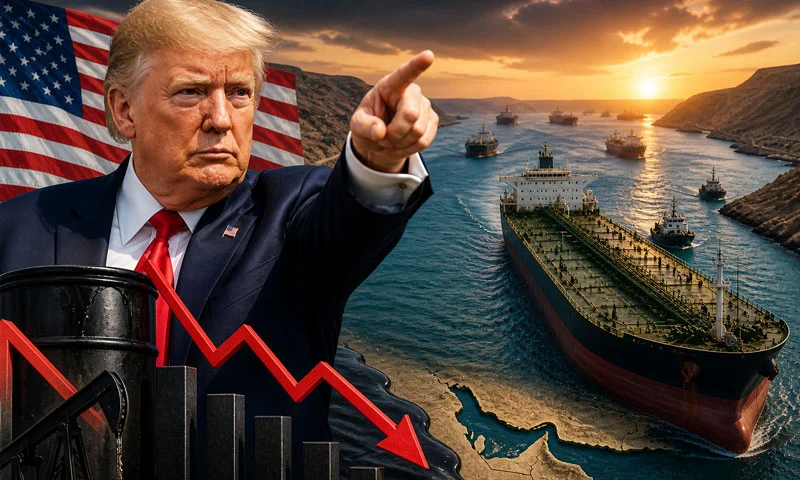
Oil Falls as US Moves to Free Stranded Ships in Strait of Hormuz
Oil prices edged lower on Monday after Donald Trump said Washington would begin efforts to free ships stranded in the Strait of Hormuz, although the absence of a US-Iran peace deal kept crude trading above $100 a barrel. Brent crude futures fell 64 cents, or 0.59%, to $107.53 a barrel by 2308 GMT, extending a $2.23 drop on Friday. U.S. West Texas Intermediate crude stood at $101.10 a barrel, down 84 cents, or 0.82%, after losing $3.13 in the previous session. Read More: Crude Rally Sparks Fears of $140 Oil Amid Rising Tensions Markets reacted to Trump’s announcement of a maritime initiative aimed at easing congestion in the Strait of Hormuz, a key route for roughly a fifth of global oil supply. The waterway has faced severe disruption due to ongoing tensions involving Iran, raising fears of prolonged supply constraints. “For the good of Iran, the Middle East, and the United States, we have told these Countries that we will guide their Ships safely out of these restricted Waterways, so that they can freely and ably get on with their business,” Trump wrote on his Truth Social platform. He expanded on the plan, calling it “Project Freedom,” and said it would begin Monday morning Middle East time. Trump added that countries not involved in the conflict had requested U.S. assistance to free their vessels. “Countries from all over the World… have asked the United States if we could help free up their Ships, which are locked up in the Strait of Hormuz,” he said, describing them as “neutral and innocent bystanders.” He warned that any interference with the operation “will, unfortunately, have to be dealt with forcefully,” while framing the effort as a humanitarian step. “Many of these Ships are running low on food, and everything else necessary for largescale crews to stay on board in a healthy and sanitary manner,” he said. Stalled talks keep oil above $100 Despite the announcement, oil prices remained supported as diplomatic progress between Washington and Tehran stalled. Negotiations continued over the weekend, with both sides assessing responses but holding firm on key demands. Read More: US President Donald Trump Threatens Iran’s Oil and Power Infrastructure if Talks Fail “Peace talks have been stalled as both sides refuse to move on their respective red lines,” analysts at ANZ said. Trump has pushed for a nuclear agreement with Iran. Tehran has suggested postponing nuclear discussions until the conflict ends and both sides lift shipping blockades in the Gulf. The lack of a breakthrough has kept traffic in the Strait limited, sustaining concerns about supply disruptions. Traders continue to price in geopolitical risk as long as tensions threaten one of the world’s most critical oil corridors. OPEC+ output increase seen as limited support Separately, OPEC+ said on Sunday it would raise output targets by 188,000 barrels per day in June for seven member countries, marking a third straight monthly increase. Read More: Think Saudi Arabia Has the Most Oil? Here’s the Real Top 10 List The increase matches May levels but excludes the share of the United Arab Emirates, which left OPEC on May 1. Analysts expect the additional supply to have limited impact while conflict-linked disruptions persist in the Strait of Hormuz. Energy markets remain sensitive to developments in both diplomacy and shipping security. Until flows normalize or a deal emerges, prices are likely to stay volatile and elevated.

Inflation May Hit 17% as Middle East Conflict Disrupts Pakistan Economy
Pakistan could face annual economic losses ranging from $10 billion to $68 billion due to the ongoing Middle East conflict, with inflation potentially rising to 17% under severe conditions, an economist told lawmakers on Thursday. Ali Salman, head of the Policy Research Institute of Market Economy, presented three impact scenarios during a briefing to the National Assembly Standing Committee on Finance. The session was chaired by Syed Naveed Qamar, who said the estimated losses could exceed the scale of Pakistan’s current $7 billion programme with the International Monetary Fund. The conflict, which began on February 28, has disrupted energy supply routes, with Iran effectively closing the Strait of Hormuz while the United States enforced a naval blockade targeting Iranian oil shipments. Current and Adverse Impact Outlook In the current scenario, based on 51 days of conflict, Pakistan faces annual losses between $10 billion and $14 billion. Salman said the country is already experiencing a $334 million monthly increase in oil import costs, alongside a $333 million drop in remittances and a $400 million hit to exports. Freight charges have also risen by about $100 million per month. Inflation in this scenario could remain between 10% and 12%. Prime Minister Shehbaz Sharif recently noted that the weekly oil import bill has surged from $300 million to $800 million, reflecting the immediate strain on external accounts. Under an adverse scenario where the conflict continues for three months, losses could rise to between $24 billion and $32 billion annually. Monthly oil import costs may increase by $1 billion, while remittances could fall by $700 million and exports by $800 million. Pakistan typically receives around $3.8 billion in remittances and earns roughly $2.5 billion in exports each month, making these declines significant. Inflation could climb to between 13% and 15% in this scenario, further eroding purchasing power. Read More: Pakistan Finance Minister Aurangzeb Heads to IMF Meetings as Pakistan Eyes Economic Stability Severe Scenario and Wider Fallout In a worst-case scenario, where oil prices surge to $150 per barrel, the economic impact could reach between $50 billion and $68 billion annually. Salman said this would translate into a monthly shock of $5.7 billion. The oil import bill alone could increase by $2.8 billion per month. Remittances may drop by $1.5 billion monthly, while exports could decline by $1.2 billion. The war risk surcharge could reach $5.7 billion per month, adding further pressure on trade and logistics. Inflation, he warned, could spike to 17%, posing a major challenge for economic stability. Salman noted that rising oil prices have already added about $4 billion to Pakistan’s external payments in just two months. Lawmakers also debated fiscal governance during the session. Members questioned proposed amendments to the Fiscal Responsibility and Debt Limitation Act, with concerns raised over expanding powers to appoint directors in the Debt Office. Read More:IMF Confirms Review Mission to Pakistan From February 25 After Economic Reform Gains Hina Rabbani Khar questioned why the government had failed to maintain the 56% debt-to-GDP limit, noting that the ratio stood at 70.7% last fiscal year. Bilal Azhar Kayani described the debt ceiling as an “aspirational clause,” a view that drew disagreement from committee members. Analysts say the evolving conflict could test Pakistan’s fragile economic recovery, particularly if energy prices remain elevated and external inflows weaken further.

Iran Proposes Strait of Hormuz Deal to US to End Conflict
A new diplomatic proposal linked to Pakistan’s mediation efforts is aiming to revive stalled nuclear talks between the United States and Iran, while also addressing tensions around the strategically critical Strait of Hormuz, a key global oil transit route. The proposal, discussed through backchannel diplomacy and reported by Axios, outlines a framework designed to de-escalate tensions, reopen dialogue and stabilize maritime security in the Gulf, which has faced disruptions in recent weeks. Read More: Trump Shares Post Calling India a ‘Hellhole’ in Immigration Debate Proposal Focuses on Talks and Maritime Stability According to details of the plan, the initiative seeks to restart structured negotiations between Washington and Tehran while creating temporary arrangements to ensure safe passage for commercial shipping through the Strait of Hormuz. The waterway handles nearly a fifth of global oil supply, making any disruption a major concern for international markets. Analysts say even short-term instability in the region can trigger spikes in energy prices and disrupt global supply chains. The proposal reportedly includes confidence-building steps such as easing certain maritime restrictions and creating space for diplomatic engagement, while broader issues like sanctions and nuclear commitments remain under negotiation. Officials familiar with the discussions said the goal is to “create a pathway back to talks while reducing immediate risks of escalation,” highlighting the urgency of stabilizing the situation. Pakistan’s Role Gains Strategic Importance Pakistan’s involvement has emerged as a key element in the proposal, with Islamabad acting as a facilitator between the two sides at a time when direct communication remains limited. Read More: From 2016 to 2026 US President DonalTrump Faces Growing List of Assassination Threats Diplomatic sources indicate that messages and proposals have been exchanged through Pakistani channels, with previous rounds of talks held in Islamabad laying the groundwork for further engagement. Observers say Pakistan’s role reflects its growing diplomatic leverage, particularly in bridging gaps between adversaries and maintaining communication during periods of heightened tension. Global Impact and Future Outlook Experts say the success of the proposal could have far-reaching implications beyond the region. Stabilizing the Strait of Hormuz would help secure global energy flows, reduce volatility in oil markets and ease pressure on economies already facing inflationary challenges. Read More: Senate Report Reveals ‘Inexcusable Failures’ in Trump Assassination Attempt If talks resume and progress, it could also lead to a gradual easing of geopolitical tensions in the Middle East, opening the door for broader cooperation on regional security issues. However, analysts caution that significant obstacles remain, particularly on core disagreements over nuclear commitments and sanctions relief. Both sides are expected to approach negotiations cautiously, balancing diplomatic engagement with strategic interests. Looking ahead, the proposal is seen as a potential foundation for a phased diplomatic process. Initial steps would focus on maintaining the ceasefire environment and ensuring maritime stability, followed by more comprehensive negotiations on long-standing disputes. For the global community, the outcome of these efforts could shape energy markets, regional stability and international diplomacy in the months ahead.
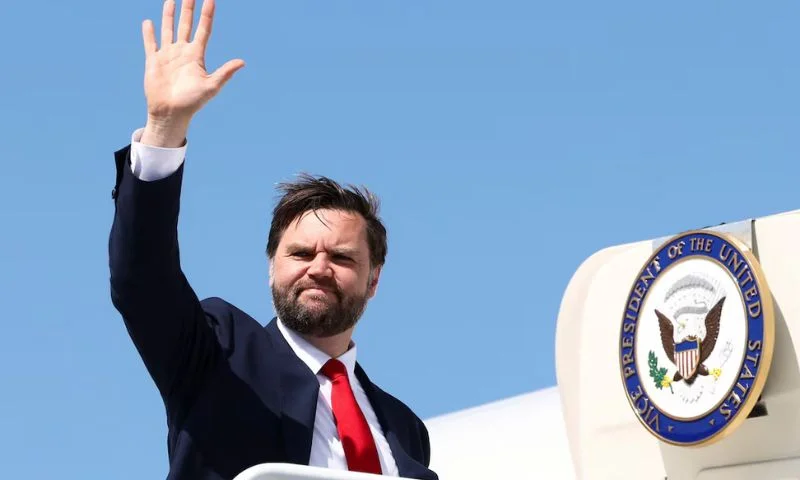
Trump Hands JD Vance High-Risk Mission to Lead Iran Talks in Pakistan
U.S. Vice President JD Vance has been tasked by Donald Trump to lead critical negotiations with Iran, marking one of the most significant diplomatic assignments of his political career as Washington seeks to turn a fragile ceasefire into a lasting agreement. According to reports, Vance is heading to Islamabad this week with a clear mandate from Trump to salvage the uneasy truce and push both sides toward a broader deal. The move comes after weeks of intense conflict that raised fears of a wider regional war and disrupted global energy markets. “This is high risk, high reward,” said Aaron Wolf Mannes, a lecturer at the University of Maryland, highlighting the unusual nature of the assignment and the stakes involved. A defining moment for Vance For the 41-year-old vice president, the talks represent a defining test of leadership. Vance had previously maintained a relatively low profile during the conflict and had even cautioned against military escalation in private discussions, warning it could trigger broader regional instability. Now, he finds himself at the center of U.S. diplomacy, effectively acting as Washington’s chief negotiator in one of the most volatile crises in recent years. “My key role was, I sat on the phone a lot,” Vance told reporters recently. “I answered a lot of phone calls. I made a lot of phone calls. And again, I’m happy about where we are.” The talks, scheduled to take place in Islamabad, are expected to include senior U.S. officials such as envoy Steve Witkoff and adviser Jared Kushner, reflecting the importance Washington attaches to the negotiations. Fragile ceasefire, uncertain outcome The negotiations follow a two-week ceasefire mediated by Pakistan, which both sides have described as a temporary pause rather than a permanent solution. Vance himself has called the agreement a “fragile truce,” underlining the uncertainty surrounding the process. Key sticking points remain unresolved, including Iran’s nuclear program, sanctions relief, and security concerns around the Strait of Hormuz, a vital route for global oil supplies. Despite the diplomatic push, tensions continue to simmer across the region. Military actions, including recent U.S. strikes and ongoing hostilities involving regional actors, have complicated efforts to build trust between Washington and Tehran. Pakistan, meanwhile, has emerged as a central mediator, hosting the talks and facilitating backchannel communication between the two sides. Analysts say Islamabad’s role reflects a growing diplomatic footprint, though its ability to guarantee outcomes remains limited. As delegations prepare to meet, expectations remain cautious. The outcome of the Islamabad talks could determine whether the current ceasefire evolves into a broader agreement or collapses under the weight of unresolved disputes.
“A Lot of Good Things Are Coming” : Trump’s First Message After Iran Ceasefire
Donald Trump has described the latest developments in the Iran conflict as a “big day for world peace,” after Tehran signalled willingness to de-escalate and enter negotiations following weeks of intense military escalation. The statement marks a sharp shift in tone from the US president, who had earlier issued some of the strongest threats of the conflict, warning of devastating strikes if Iran failed to comply with American demands. Speaking after agreeing to a temporary pause in hostilities, Trump said the situation was moving in a positive direction, presenting the ceasefire as a major diplomatic breakthrough. “This is a big day for world peace,” he said, framing the development as a result of pressure tactics that forced Iran to the negotiating table. From threats to diplomacy Trump’s remarks come just days after he warned that a “whole civilization” could be destroyed if Iran failed to meet his deadline, underscoring the dramatic shift in messaging as negotiations began to take shape. Earlier in the conflict, Trump had repeatedly threatened to target Iran’s infrastructure, including energy facilities and strategic assets, if the Strait of Hormuz remained closed. However, following mediation efforts led by Pakistan and backchannel diplomacy involving regional powers, both sides agreed to a temporary ceasefire, creating space for negotiations. Trump also described the agreement as a “total and complete victory,” reinforcing his claim that US objectives had been achieved despite the absence of a final settlement. Analysts say the shift reflects a broader strategy of applying maximum pressure before pivoting toward negotiations, a pattern that has defined much of the administration’s approach during the conflict. Fragile ceasefire and uncertain path ahead Despite Trump’s optimism, the ceasefire remains fragile. Reports of continued missile exchanges in the region highlight the volatility of the situation and the risk of renewed escalation. Iran has indicated it is prepared to halt counter-attacks if hostilities cease, while also maintaining its key demands on sanctions relief, military withdrawal and control over strategic routes such as the Strait of Hormuz. The conflict, now in its sixth week, has already disrupted global energy markets, with oil prices fluctuating sharply due to fears over supply disruptions. Trump, however, has continued to strike an upbeat tone, suggesting that negotiations could lead to broader economic and geopolitical benefits. He said the developments could mark the beginning of a new phase in the region, raising hopes for stability after weeks of escalating violence. Still, experts caution that significant gaps remain between the two sides, particularly on issues such as Iran’s nuclear programme and regional influence. For now, Trump’s declaration of a “big day for world peace” reflects a moment of cautious optimism, even as the path toward a lasting agreement remains uncertain.
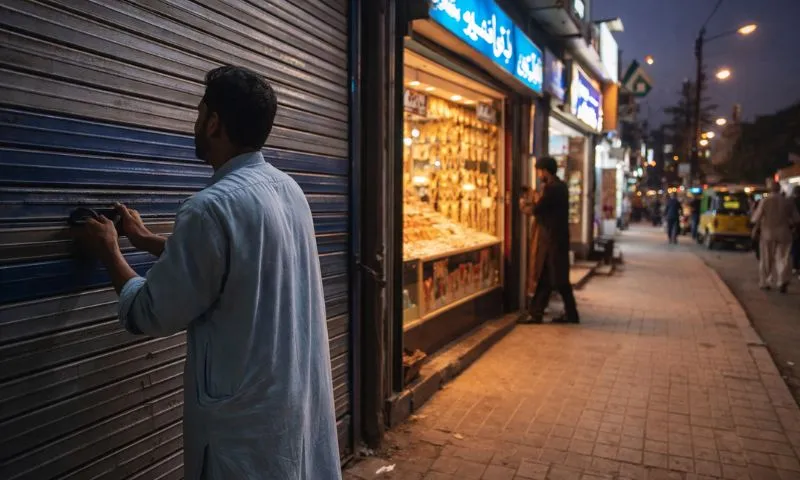
Pakistan Enforces 8PM Shutdown for Markets and Malls Except Sindh
The federal government has ordered the closure of markets and shopping malls across most of Pakistan by 8pm, as part of a nationwide effort to conserve energy amid rising fuel costs linked to the ongoing Middle East crisis. The decision was taken during a high-level meeting chaired by Prime Minister Shehbaz Sharif, where officials reviewed energy conservation and austerity measures in light of escalating global oil prices. Under the new directive, markets in Punjab, Balochistan, Islamabad, Gilgit-Baltistan, Azad Jammu and Kashmir and most parts of Khyber Pakhtunkhwa will close by 8pm starting April 7. However, Sindh has been exempted for now, with consultations still ongoing between the provincial government and business stakeholders regarding appropriate timings. New restrictions extend to restaurants, wedding halls and commercial activity The government has also imposed additional restrictions on commercial activity to further reduce energy consumption. According to the Prime Minister’s Office, bakeries, restaurants, tandoors and other food outlets will be required to close by 10pm, while marriage halls, marquees and similar venues hosting events must also shut operations by the same time. Wedding functions at private homes will not be allowed beyond 10pm, as authorities attempt to curb electricity use during peak evening hours. Medical stores and pharmacies, however, have been exempted from these restrictions to ensure uninterrupted access to essential services. In Khyber Pakhtunkhwa, a limited relaxation has been granted, allowing markets in divisional headquarters to remain open until 9pm, following consultations with the provincial government. Officials said the measures would be strictly enforced, with provincial administrations and law enforcement agencies tasked with ensuring compliance. Read More: IMF Demands Fuel Reforms: What It Means for Millions of Pakistanis Energy crisis driven by global tensions The move comes against the backdrop of a deepening energy crisis triggered by rising global oil prices and supply disruptions linked to tensions in the Middle East. The ongoing conflict has affected shipping routes through the Strait of Hormuz, a critical corridor for global oil supplies, leading to sharp increases in fuel prices and creating pressure on import-dependent economies such as Pakistan. Authorities say the early closure of markets is part of a broader strategy to reduce electricity consumption, control production costs and manage the economic impact of the crisis. The government has also introduced additional measures, including targeted fuel subsidies and austerity initiatives, to shield lower-income groups from the effects of rising energy costs. Prime Minister Shehbaz Sharif thanked provincial governments for reaching consensus on what he described as a decision of “national importance,” and expressed hope that Sindh would soon align with the policy after consultations. While officials frame the move as necessary, business groups have expressed concern over reduced operating hours and potential losses, particularly during peak evening shopping periods. For now, the government appears focused on immediate energy savings as Pakistan navigates the economic fallout of global fuel volatility. Read More: Fuel Crisis Deepens in Pakistan: Petrol, Diesel Hike Expected as LPG Prices Jump 34%
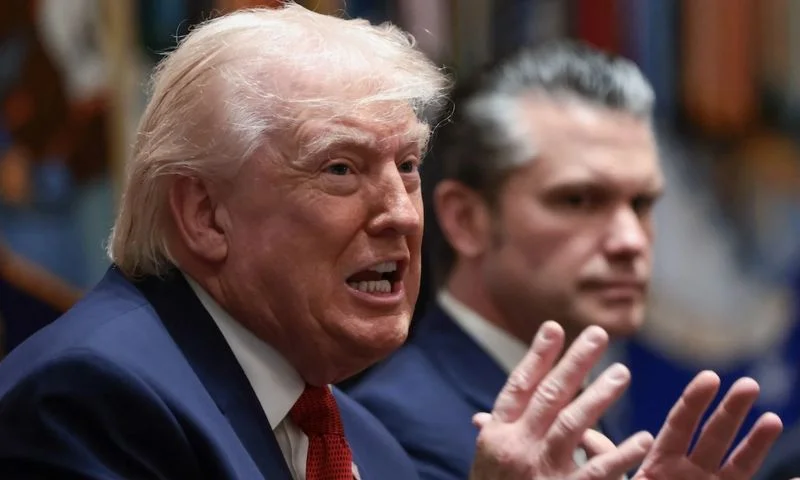
A Timeline of contradictions: Trump’s Most Confusing War Comments Against Iran
Since the start of the Iran war, statements from Donald Trump have followed a pattern that analysts say is as striking as it is confusing. Over a span of just a few weeks, Trump’s remarks have swung between declaring victory, demanding military escalation, threatening allies, rejecting help, and then seeking cooperation. The rapidly changing tone has raised concerns among diplomats and observers about clarity in US messaging during a volatile geopolitical moment. From early declarations of victory to later warnings and contradictory positions on NATO and Iran, the timeline reflects what experts describe as a highly inconsistent communication strategy. A timeline of contradictions The sequence of statements paints a picture of shifting priorities and messaging, sometimes within the same day: Mar 3: “We won the war.”Mar 7: “We defeated Iran.”Mar 9: “We must attack Iran.”Mar 9: “The war is ending almost completely, and very beautifully.”Mar 11: “You never like to say too early you won. We won. In the first hour it was over.”Mar 12: “We did win, but we haven’t won completely yet.”Mar 13: “We won the war.”Mar 14: “Please help us.”Mar 15: “If you don’t help us, I will certainly remember it.”Mar 16: “Actually, we don’t need any help at all.”Mar 16: “I was just testing to see who’s listening to me.”Mar 16: “If NATO doesn’t help, they will suffer something very bad.”Mar 17: “We neither need nor want NATO’s help.”Mar 17: “I don’t need Congressional approval to withdraw from NATO.”Mar 18: “Our allies must cooperate in reopening the Strait of Hormuz.”Mar 19: “US allies need to get a grip – step up and help open the Strait of Hormuz.”Mar 20: “NATO are cowards.”Mar 21: “The Strait of Hormuz must be protected by the countries that use it. We don’t use it, we don’t need to open it.”Mar 22: “This is the last time. I will give Iran 48 hours. Open the strait”Mar 22: “Iran is Dead”Mar 23: “We had very good and productive talks with Iran.”Mar 24: “We’re making progress.”Mar 25: “They gave us a present and the present arrived today. And it was a very big present worth a tremendous amount of money. I’m not going to tell you what that present is, but it was a very significant prize.”Mar 26: “Make a deal, or we’ll just keep blowing them away.”Mar 27: “We don’t have to be there for NATO.”Mar 28: No major quoteMar 29: Claimed talks were progressingMar 30: “Open the Strait of Hormuz immediately, or face devastating consequences.”Mar 31: Claimed a deal was “very close” and that Iran would “do the right thing”Apr 1: “We’ll see what happens very soon.”Apr 2: Repeated that a deal was likely, while warning of continued strikes if notApr 3: “Something big is going to happen.”Apr 4: Said Iran must comply “immediately” or face further consequences.Apr 5: “Open the fuckin’ Strait, you crazy bastards, or you’ll be living in Hell – JUST WATCH! Praise be to Allah.” From victory claims to uncertainty What stands out is not just the tone, but the speed at which positions change. On multiple occasions, Trump declared victory over Iran, only to later suggest the war was ongoing or incomplete. Within days, his messaging shifted from rejecting NATO’s involvement to demanding support, and then again dismissing the alliance altogether. His comments on the Strait of Hormuz also varied sharply, from insisting allies must act to later saying the US did not need to be involved. Diplomatic observers say such fluctuations risk undermining credibility during sensitive negotiations. “This kind of messaging creates confusion not just for the public, but for allies and adversaries trying to interpret US policy,” said one foreign policy analyst based in Washington. Strategy or chaos Some supporters argue that the unpredictability is deliberate, part of a strategy to keep opponents off balance. Others see it as a lack of coherent policy communication during a critical geopolitical crisis. The mix of threats, declarations of victory, and references to ongoing negotiations has made it difficult to assess the actual state of the conflict or diplomacy. By late March and early April, Trump’s tone began to oscillate between optimism about a deal and warnings of further escalation, culminating in increasingly aggressive rhetoric. For now, the timeline of statements has become a story in itself, reflecting a communication style that continues to defy traditional diplomatic norms.
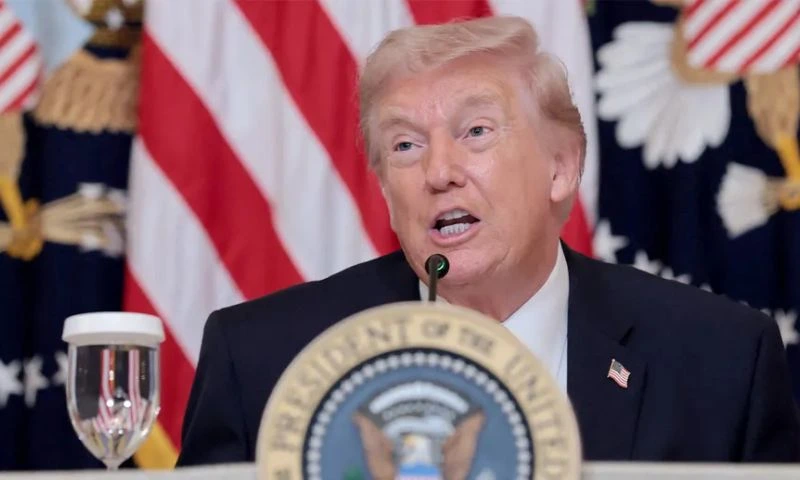
Oil Price Hits $107 as Trump Signals More Strikes on Iran
Global oil markets surged sharply after US President Donald Trump warned of intensified military action against Iran, raising fears of prolonged conflict and further disruption to global energy supplies. Brent crude jumped to $107.60 per barrel, while West Texas Intermediate rose about 6.4% to around $106.50, as traders reacted immediately to the remarks. The spike reversed earlier optimism that prices might stabilise. Trump’s Threat Triggers Market Shock In a televised address from the White House, Trump signalled that the United States would escalate its offensive in Iran over the coming weeks. He said the US would complete its strategic objectives “very shortly” and warned that American forces could spend the next “two to three weeks bombing Iran back to the Stone Ages.” The remarks rattled markets that had been hoping for clarity on a possible exit strategy. Instead, the speech reinforced expectations of a prolonged conflict. Oil prices, which had briefly dipped below $100 earlier in the day on hopes of de-escalation, surged within minutes of the address. Strait of Hormuz Disruption Fuels Crisis The ongoing Iran conflict has severely disrupted global oil and gas flows, particularly through the Strait of Hormuz, one of the world’s most critical energy chokepoints. Shipments through the strait have largely stalled after Iran threatened to target tankers attempting to pass, in response to US and Israeli strikes that began on 28 February. Analysts note that nearly one fifth of the world’s oil supply typically passes through this narrow waterway, making any disruption highly sensitive for global markets. In his speech, Trump said the US no longer depends on Middle Eastern energy and called on other nations to intervene and restore shipping routes. “To those countries that can’t get fuel, many of which refuse to get involved in the decapitation of Iran… build up some delayed courage, go to the Strait and just take it,” he said. Markets React as War Outlook Darkens Energy analysts said the price surge reflects a shift in market expectations. Alberto Bellorin of InterCapital Energy described the rise as a “clear market reality check following the earlier optimism for an imminent ceasefire.” He added that Trump’s speech lacked a “concrete timeline” for reopening the Strait of Hormuz and warned that normal supply conditions could take months rather than weeks to return. Experts say the absence of a clear de-escalation plan has removed hopes of a quick resolution, prompting investors to price in prolonged supply shortages. Tina Soliman-Hunter from Macquarie University said Trump’s comments signal that the war is likely to continue, reinforcing expectations that oil markets will remain tight. Asian Markets Slide Amid Energy Fears The impact was not limited to oil. Stock markets across Asia fell sharply following the speech, reflecting concerns over rising energy costs and economic instability. Japan’s Nikkei 225 dropped 2.4%, South Korea’s KOSPI fell 4.5%, and Hong Kong’s Hang Seng Index declined 1.3%. The region remains particularly vulnerable because many Asian economies rely heavily on Middle Eastern oil imports. Global Energy Risks Intensify The Iran war has already strained global supply chains, with energy markets experiencing sustained volatility since late February. Industry observers warn that continued disruption in the Gulf could push oil prices even higher, increasing inflationary pressures worldwide and affecting fuel costs, transportation, and manufacturing. With no clear timeline for resolution and escalating rhetoric from Washington, markets are bracing for further instability in the weeks ahead.
